
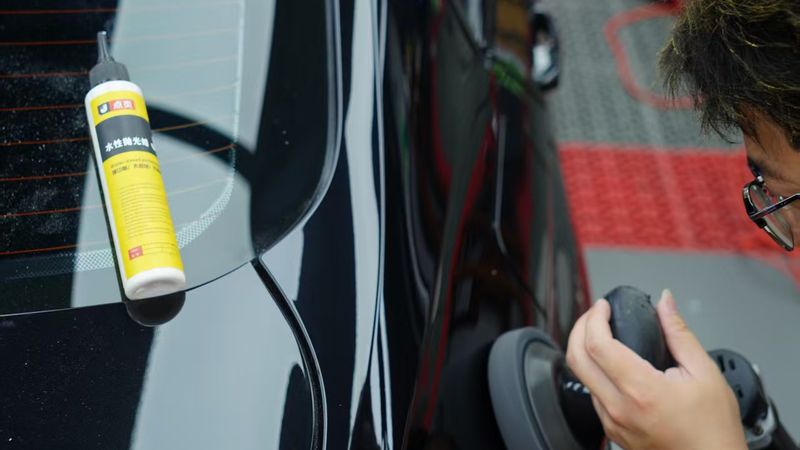
1. Why Must You Polish Before Ceramic Coating?
1.1 How Ceramic Coating Works
Ceramic coating forms a silicon dioxide protective layer on the paint surface. This layer needs to bond directly with healthy paint to achieve optimal performance. If you skip polishing before coating, it’s like “wrapping cling film over imperfect paint” — swirl marks, scratches, and oxidation will all be sealed underneath.
1.2 Consequences of Coating Without Polishing
- Diminished results: Paint still looks hazy after coating; gloss improvement is minimal
- Shorter durability: Oxidation and contaminants accelerate coating failure
- Difficult correction: Once coating is applied, addressing paint defects requires removing the coating first — time-consuming and labor-intensive
2. How Polishing Improves Ceramic Coating Results
2.1 Enhanced Adhesion
Polishing removes the oxidation layer and old wax from the paint surface, allowing ceramic coating components to penetrate directly into the paint’s micro-pores, improving adhesion by over 30%.
2.2 Enhanced Gloss
Polishing removes swirl marks and fine scratches, restoring the paint to mirror condition. The gloss after coating will achieve a qualitative leap.
2.3 Extended Durability
Healthy paint better “grips” the ceramic coating components. Quality ceramic coating can last over 1 year on properly prepared paint.
3. Standard Polishing Process Before Ceramic Coating
3.1 Step 1: Deep Cleaning
Use a clay bar or degreaser to thoroughly clean the paint, removing tar, tree sap, and other stubborn contaminants.
3.2 Step 2: Inspect Paint Condition
Carefully examine the paint under strong light to determine scratch depth and oxidation level, selecting the appropriate polishing approach.
3.3 Step 3: Targeted Polishing
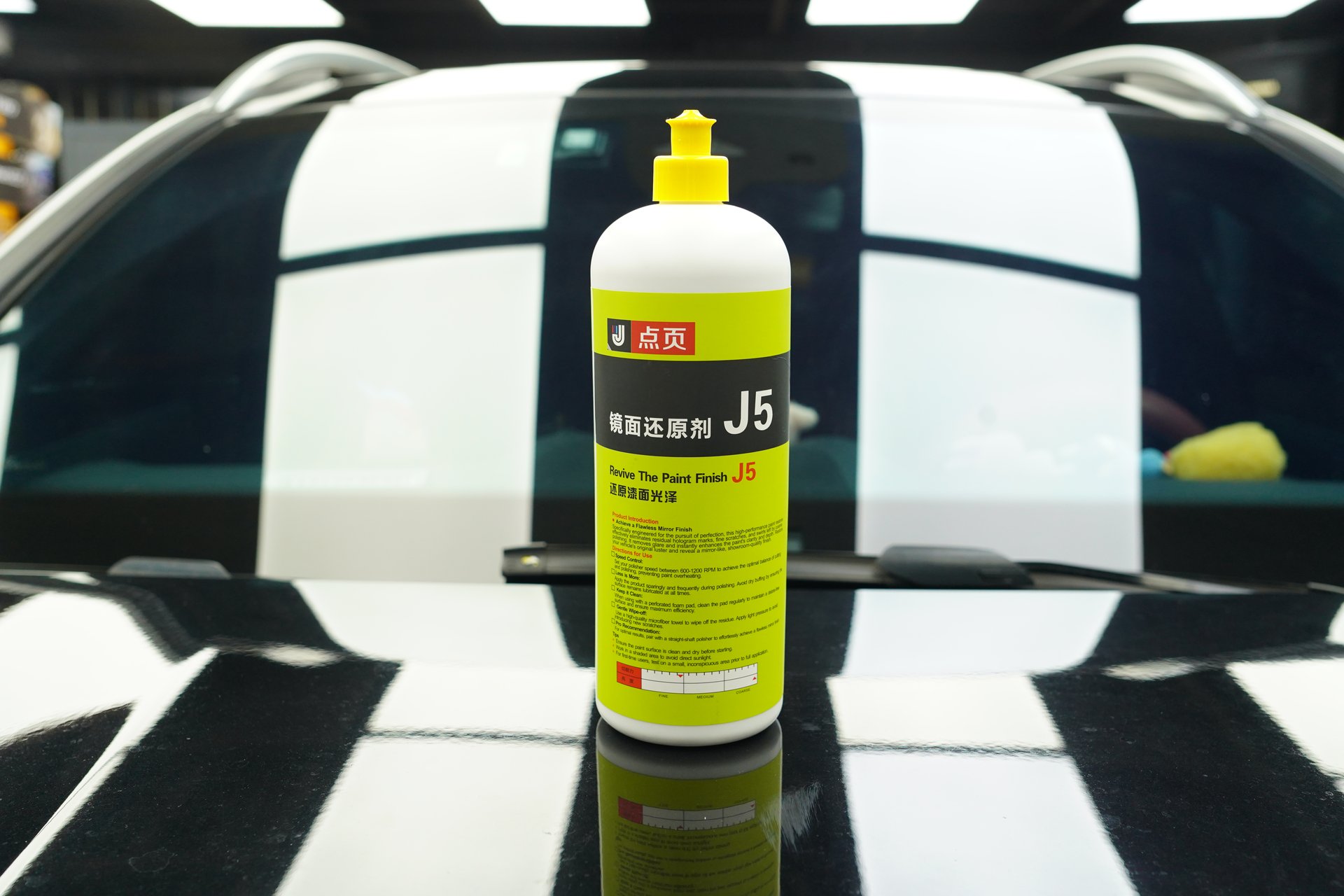
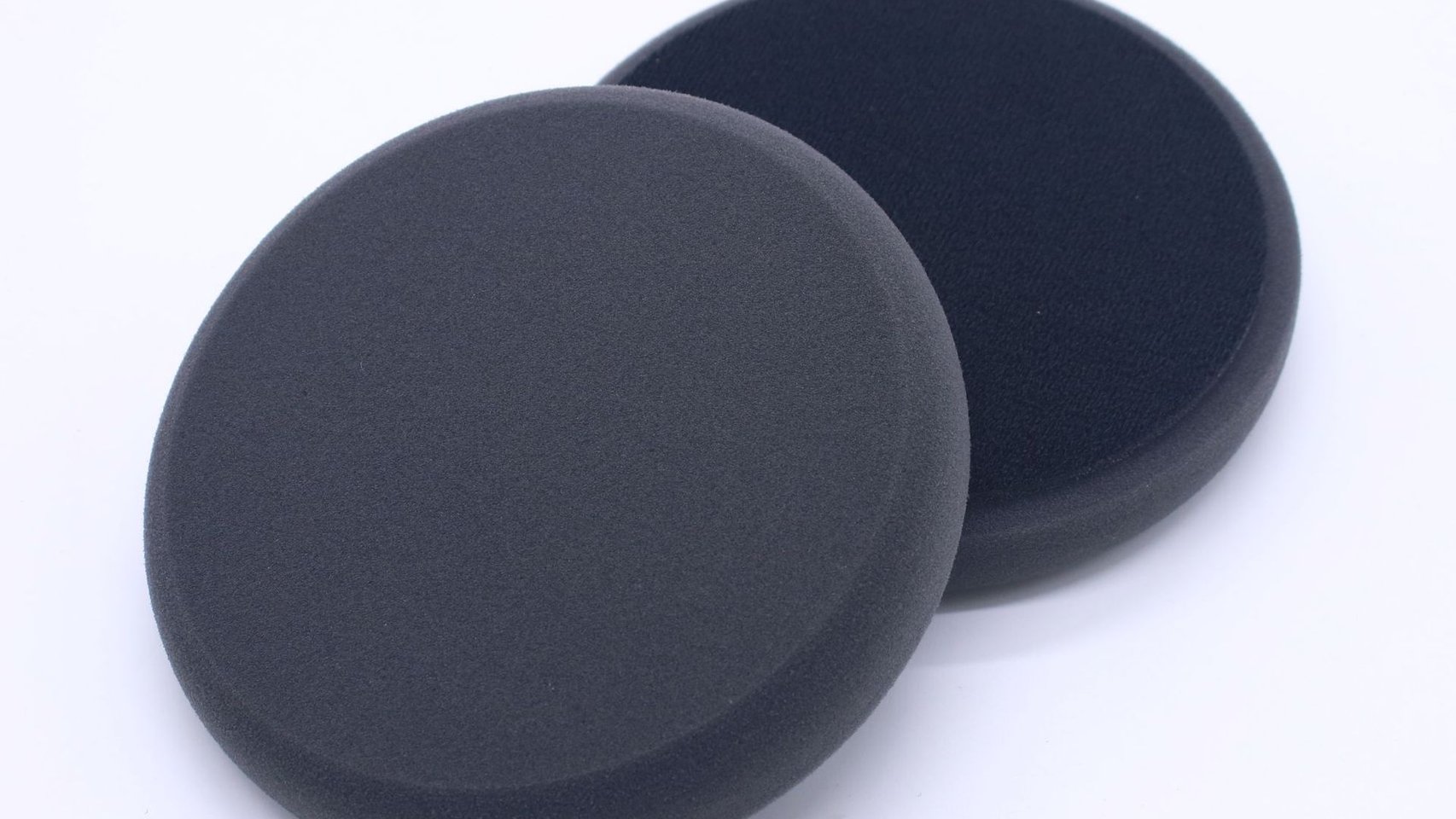
Light oxidation + swirl marks: Use J5 Mirror Finish Restorer with fine foam pad, low speed 600-800rpm Moderate scratches: First use J2 Water-Based Polishing Wax with long wool pad for compounding, then J5 for finishing Heavy damage: Recommend touch-up paint repair first, then consider coating
3.4 Step 4: Degreasing
After polishing, must use degreaser for thorough cleaning to ensure no polishing wax residue remains. This is the critical step for coating success.
4. Product Pairing Recommendations
4.1 Beginner-Friendly Approach
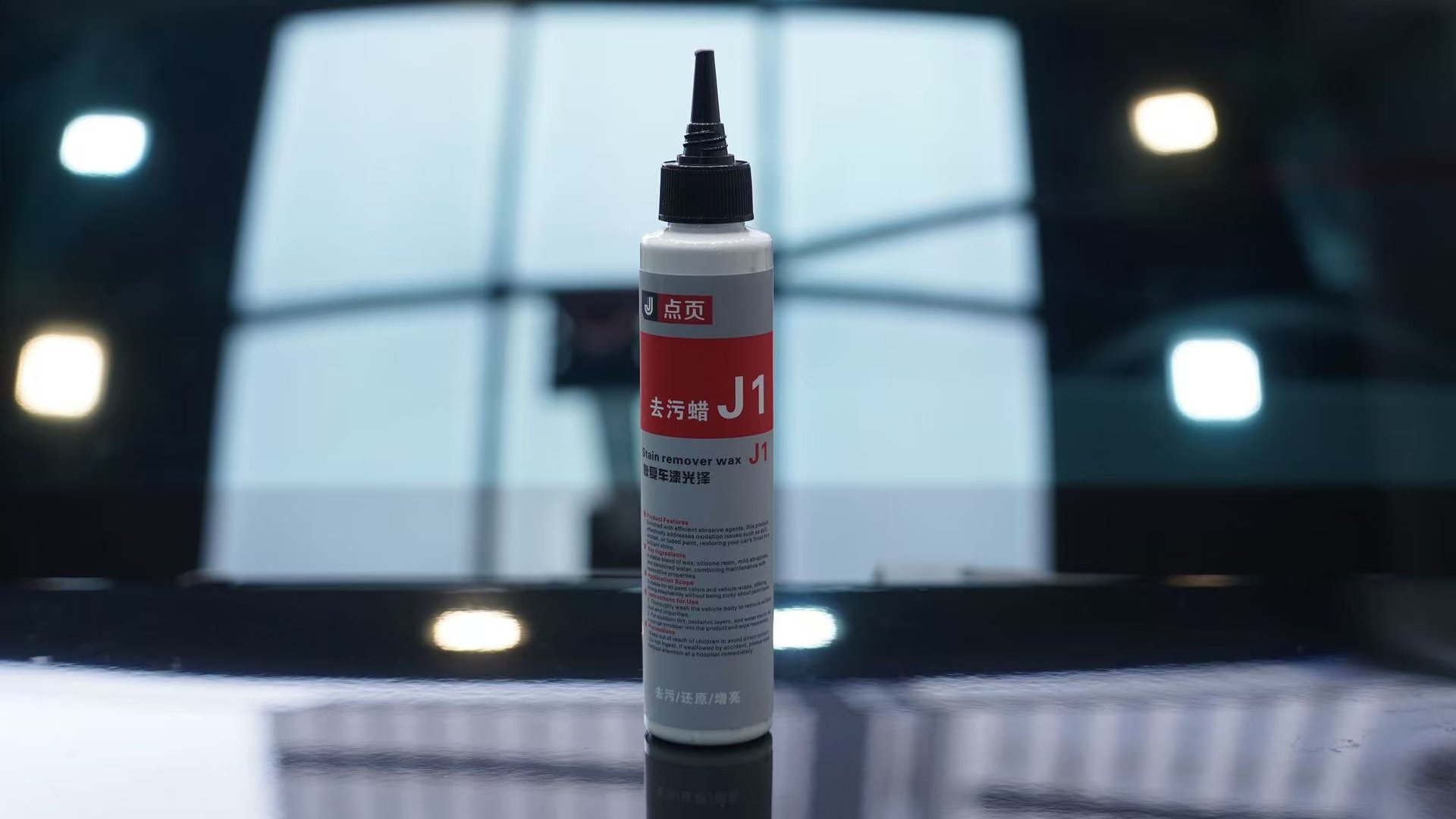
- Polishing: J1 3-in-1 Cleaning Wax, can be applied by hand
- Coating: Choose an entry-level ceramic coating, durability 6-8 months
- Features: Simple operation, noticeable results
4.2 Professional Approach
- Polishing: J2 Water-Based Polishing Wax compounding → J5 Mirror Finish Restorer finishing
- Coating: Choose premium ceramic coating, durability 12+ months
- Features: Long-lasting results, high gloss
5. Common Misconceptions Debunked
5.1 Do New Cars Need Polishing?
Yes! During transport and storage, the paint develops a transport film and oxidation layer. Coating without polishing will compromise results. However, new cars don’t need cutting — one pass with J5 Mirror Finish Restorer for restoration is sufficient.
5.2 Will Polishing Damage the Paint?
Heavy compounding (with sandpaper) should be limited to 5-6 times across the car’s lifetime, but fine finishing can be done dozens of times. Pre-coating polishing is fine finishing work with minimal material removal — no need to worry about paint damage.
5.3 Do I Need to Wax After Ceramic Coating?
Frequent waxing isn’t necessary after coating, but applying a maintenance wax every 3-4 months is recommended to extend the coating’s effectiveness.
6. Summary
Ceramic coating is not simply “applying a layer of product” — it’s a systematic paint care project. Polishing is the foundation of ceramic coating. Without good polishing, there’s no good coating result. Remember: Always polish before ceramic coating! Better to spend an extra 2 hours on polishing than to let the coating result suffer by skipping this step.