
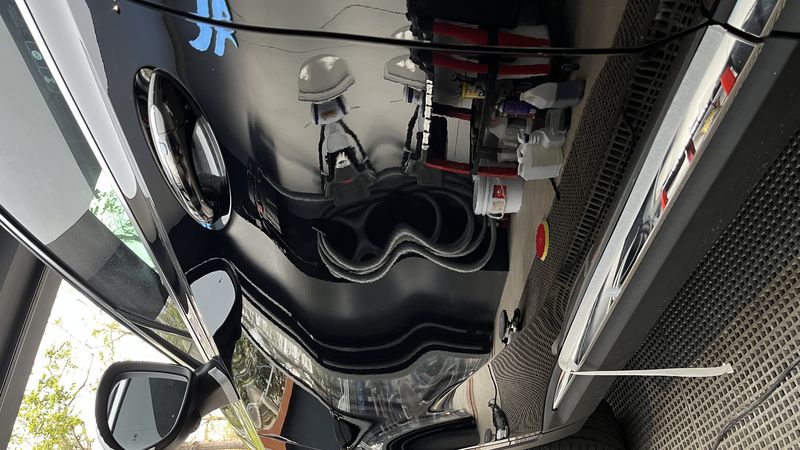
For auto detailing shops, selecting the right polishing products directly affects work efficiency, customer satisfaction, and operating costs. DianYe Auto Technology provides a professional purchasing guide for detailing businesses.
1. Key Considerations for Shop Purchasing
1. Results and Quality
- Is cutting force sufficient?
- Is it easy to work with?
- Are results long-lasting?
- Does it damage the paint?
2. Work Efficiency
- Per-vehicle processing time
- Number of steps required
- Error tolerance
- Residue cleanup ease
3. Cost Control
- Per-vehicle consumable cost
- Product lifespan
- Bulk purchasing options
- Product compatibility assessment
4. Safety and Environmental
- Technician health impact
- Workspace requirements
- Waste disposal
- Environmental compliance
5. Brand and Service
- Brand reputation
- Technical support
- After-sales service
- Supply stability
2. Product Classification and Selection
By Form
| Form | Advantages | Disadvantages | Best For |
|---|---|---|---|
| Solid compound | Strong cutting, durable | More complex application | Heavy treatment |
| Liquid compound | Easy to use, less waste | Relatively lighter cutting | Daily care |
| Cream compound | Well-balanced | Requires some skill | General purpose |
By Function
- Cutting type: For scratch and oxidation removal
- Finishing type: For gloss restoration
- All-in-one type: Combines cutting and finishing
By Environmental Profile
- Oil-based: Traditional formula, effective but strong odor
- Water-based: Eco-friendly, low odor, represents industry trend
3. Recommended Product Configurations
Basic Setup (Small Shops)
| Product | Purpose | Usage/Vehicle |
|---|---|---|
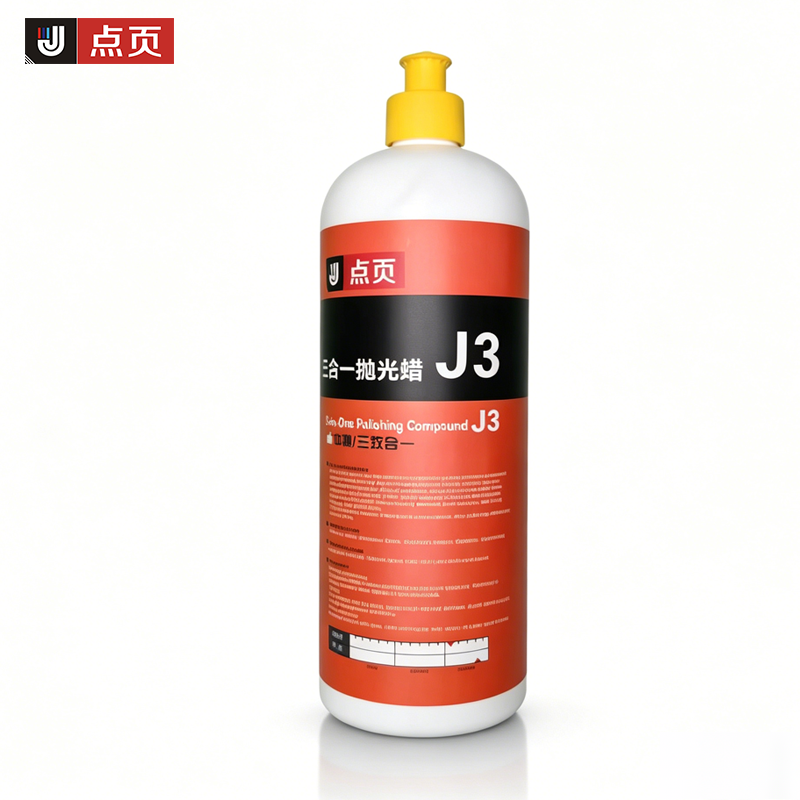
| All-in-one polishing compound | Daily work | 30-50g |
| Finishing wax | Gloss restoration | 20-30g |
| Mirror glaze | Fine treatment | 10-20g |
Standard Setup (Medium Shops)
| Product | Purpose | Feature |
|---|---|---|
| Heavy-cut compound | Initial correction | Fast cutting |
| Medium compound | Fine correction | Balanced cutting and finishing |
| Fine polish | Gloss restoration | Fine, mark-free |
| Mirror glaze | Ultimate results | Perfect mirror finish |
Premium Setup (Large / Flagship Shops)
- Complete abrasive system
- Specialized products (color-specific, defect-specific)
- Premium eco-friendly series
- Customized product services
4. Purchasing Notes
1. Compatibility Testing
- Start with small trial quantities
- Test on different paint types
- Verify compatibility with existing equipment
- Document results
2. Supply Stability
- Confirm supplier stock levels
- Establish reliable supply channels
- Consider backup suppliers
- Avoid stockout risks
3. Technical Training Support
- Does the supplier offer training?
- Application guides available?
- On-site technical support?
- Product documentation?
4. Cost Calculation
Recommended formula:
Per-vehicle polishing cost = (product usage × unit price) + labor cost + equipment depreciation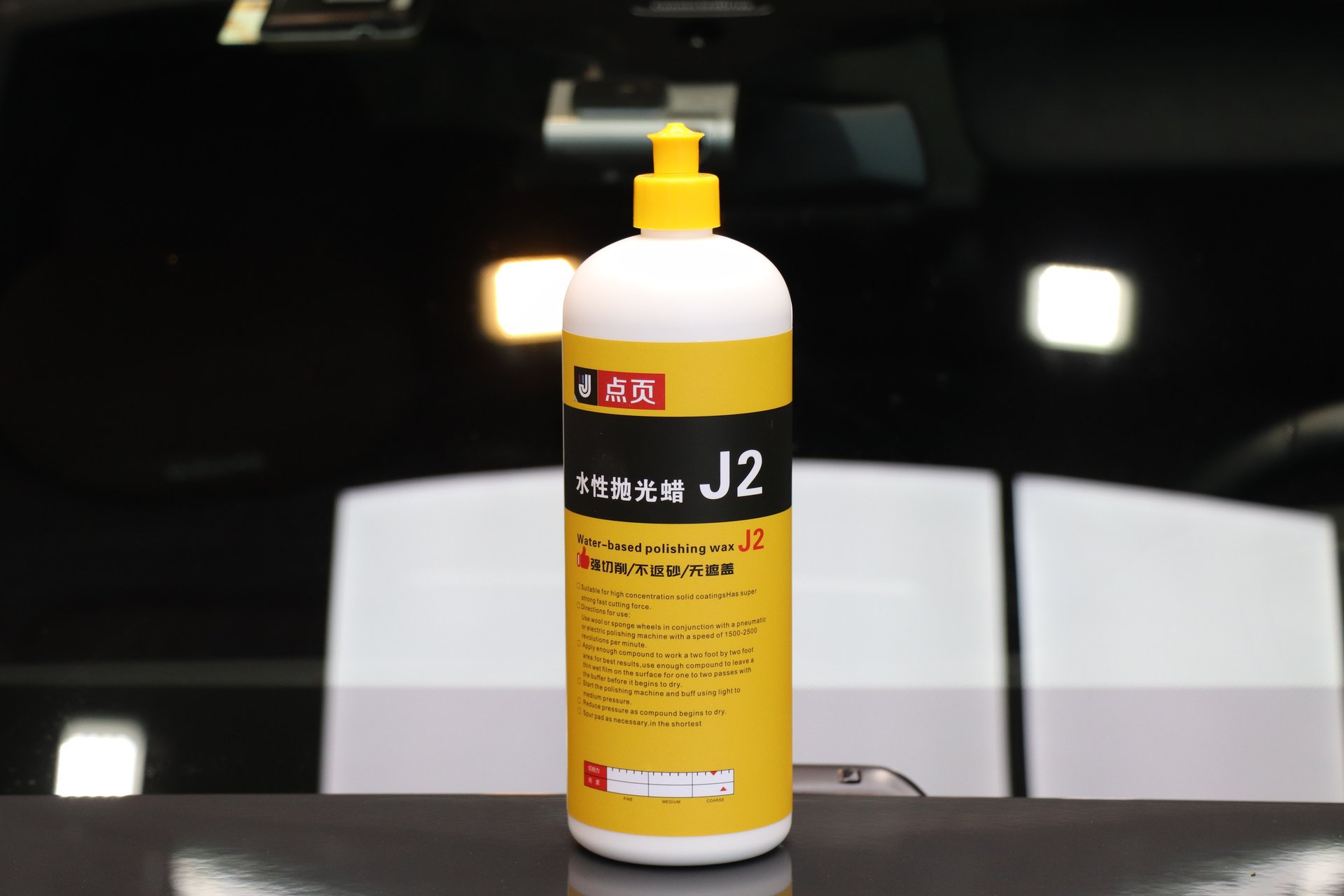
5. Product Recommendations
Water-Based Eco Series (Recommended)
-
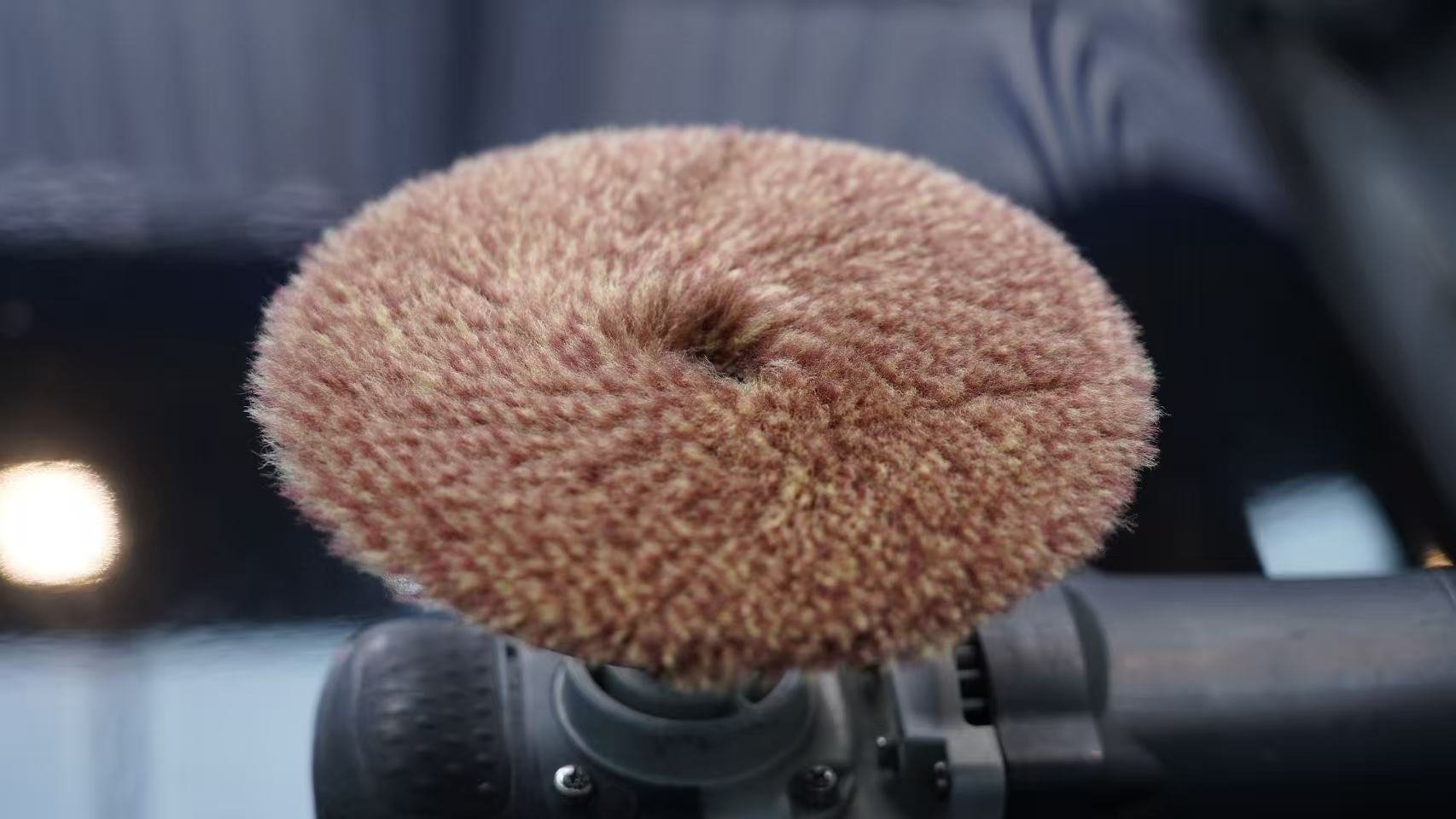
J2 Water-Based Polishing Compound: Versatile product for most applications
- Features: Water-based, non-irritating, moderate cutting, no residue
- Use: Daily work, moderate correction
-
J1 3-in-1 Cleaning Wax: Quick care product
- Features: Cleaning + decontamination + gloss in one
- Use: Quick repairs, daily maintenance
-
J5 Mirror Glaze: Fast gloss product
- Features: Easy application, quick shine
- Use: Rapid care, customer waiting
Traditional Oil-Based Series
For shops with budget constraints or preference for traditional products
6. Tips for Increasing Service Value
1. Product Differentiation
- Introduce specialty products
- Offer personalized services
- Create product tiers
2. Technical Upgrades
- Regular technician training
- Learn new techniques and processes
- Improve work quality
3. Customer Education
- Explain product value to customers
- Provide care recommendations
- Build trust relationships
4. Record Keeping
- Document each vehicle’s treatment
- Set up customer care cycle reminders
- Offer value-added services
7. FAQ
Q: Do small shops need a complete product system? A: Depends on volume. High volume justifies the investment; otherwise, all-in-one products simplify operations.
Q: How to tell if a product damages paint? A: Test on a small area, or choose quality-assured brands.
Q: Are imported brands always better than domestic? A: Not necessarily. Domestic brands have improved significantly in quality in recent years.
Q: How to manage inventory? A: Stock based on sales data; generally maintain 1-2 months of inventory.
Conclusion
Choosing the right polishing products is a critical business decision for detailing shops. DianYe recommends: consider results, efficiency, cost, and service together, and choose the configuration best suited to your shop. Keep an eye on industry trends — water-based eco-friendly products are the future mainstream.
📞 Business hotline: 18923492297 📧 Business inquiries: rodger@coze.email