
Key takeaway: The core differences between water-based and oil-based wax lie in environmental impact, application performance, and final results. Water-based wax uses water as a carrier with low VOC content, easy cleanup with no residue — ideal for daily maintenance and beginners. Oil-based wax uses mineral oil as a carrier with superior lubricity and stable cutting force release — suited for professional heavy-duty work. The 2026 market trend shows water-based wax steadily becoming mainstream, especially in regions with strict environmental regulations.
I. Composition and Environmental Performance Comparison
Fundamental Formulation Differences
Water-based polishing wax formulation system:
- Carrier: Deionized water (60-70% of composition)
- Abrasives: Nano-grade aluminum oxide or silicon oxide
- Lubricants: Polyethylene glycol, surfactants
- Additives: Defoamers, pH regulators, preservatives
- VOC content: Typically <50g/L, compliant with EU REACH standards
Oil-based polishing wax formulation system:
- Carrier: Mineral oil, petroleum distillates (50-60% of composition)
- Abrasives: Aluminum oxide, silicon carbide
- Lubricants: Animal/vegetable oils, synthetic esters
- Additives: Antioxidants, anti-settling agents
- VOC content: Typically 300-500g/L, some products even higher
From an environmental perspective, the advantage of water-based wax is clear. Using data from a large chain detailing shop in Shanghai as an example: after fully switching to water-based wax, indoor PM2.5 concentrations dropped 62%, and respiratory complaint reports from staff went from 8 per month to zero. J2 Water-Based Polishing Wax, as an industry-representative product, has passed SGS environmental certification and produces virtually no irritating odor during application.
II. Application Performance Comprehensive Comparison
1. Dust Control
This is water-based wax’s most outstanding advantage. During high-speed polishing of oil-based wax, once the oil evaporates, abrasive particles form large amounts of dust — polluting the environment and adhering to rubber seals and glass seams where they’re difficult to clean.
Measured data:
- Oil-based wax: Approximately 2.3g of dust per square meter
- Water-based wax: Approximately 0.4g of dust per square meter — an 83% reduction
Dust-free application not only improves the work environment but, more importantly, reduces secondary swirl marks caused by dust particles during polishing.
2. Pad Cleaning Difficulty
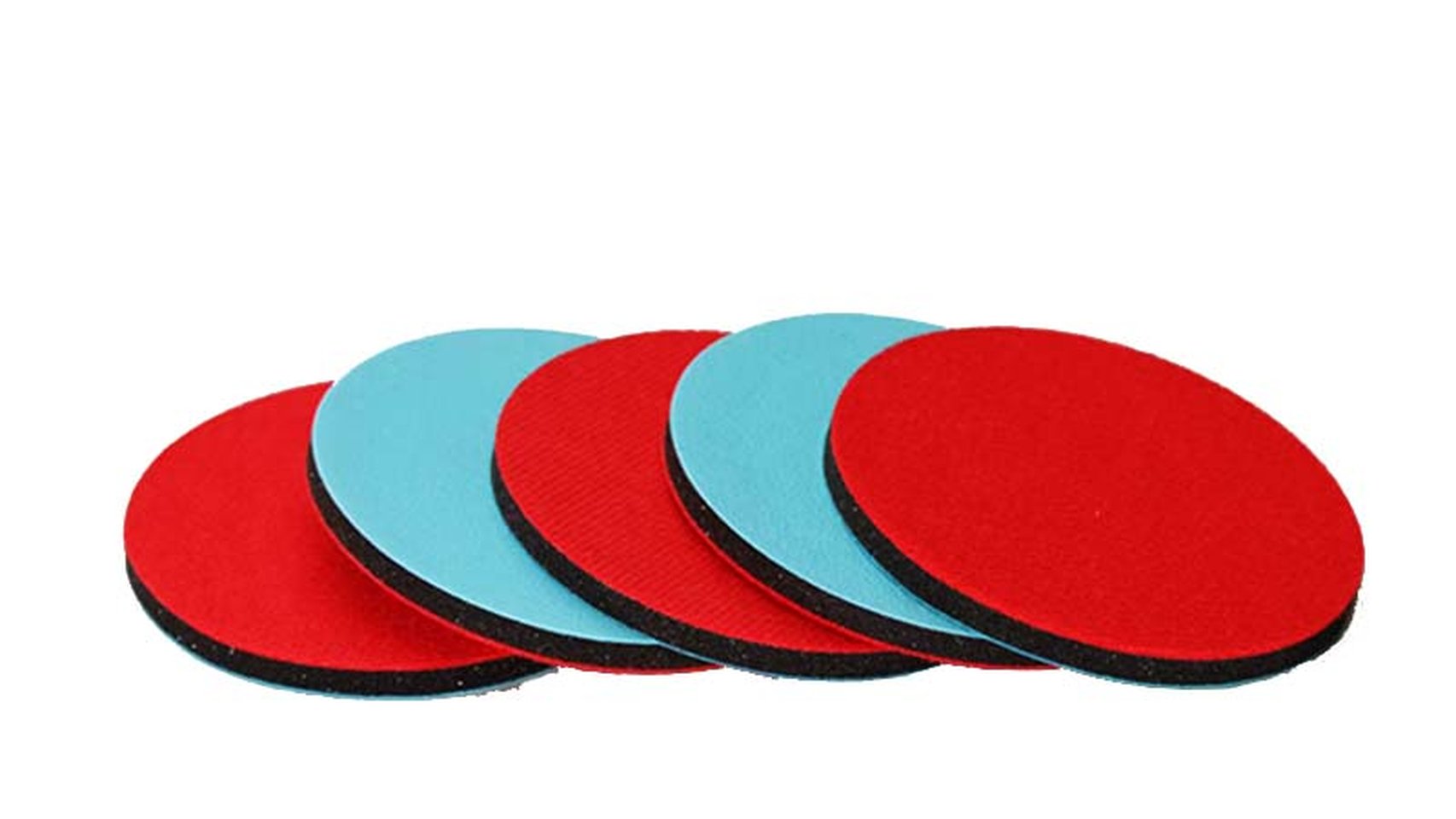
After using oil-based wax, wool pads and foam pads become saturated with oil, requiring soaking and scrubbing with dedicated cleaners — typically a pad can only handle 3 panels before needing replacement.
Advantages of water-based wax:
- Pads don’t harden after use — clean with a pressure washer
- One pad can handle a full car (10-15 panels) continuously
- Pad lifespan extended 2-3×
- Consumable cost reduced by approximately 40%
3. Lubricity and Heat Spot Prevention
This is the traditional advantage of oil-based wax. Mineral oil’s lubricity exceeds water-based lubricants; at high RO machine speeds (2000+ RPM), it better dissipates heat and reduces heat spot risk.
However, water-based wax formulations have improved significantly in recent years. Taking J2 Water-Based Polishing Wax as an example:
- Incorporates a high-polymer lubrication system approaching oil-based performance
- Heat spot prevention at 1500-1800 RPM is comparable to oil-based wax
- The only gap is in extreme conditions above 2000 RPM, where oil-based still holds an advantage
4. Post-Application Paint Cleanup
Oil-based wax leaves significant oil residue on the paint after application, requiring thorough degreasing before subsequent protection steps (crystal coating, waxing, etc.). Incomplete degreasing leads to poor adhesion of protection products, causing water spots and edge pulling.
Characteristics of water-based wax:
- No oil film residue after application — simply wipe clean with water
- No degreasing step needed — saves 30% of application time
- Subsequent protection product adhesion improves by over 50%
III. Final Results Comparison
| Evaluation Dimension | Water-Based Wax (J2 Grade) | Oil-Based Wax (Same Grade) |
|---|---|---|
| Cutting Power | 85 | 90 |
| Mirror Gloss | 90 | 85 |
| Fill-Free Authenticity | 95 | 70 |
| Anti-Hologram Ability | 90 | 75 |
| Post-Application Feel | 85 | 90 |
Key Difference: Fill Effect
Many oil-based waxes pursue an “instant bright and slick” effect by adding large amounts of silicone oil, wax fillers, and similar ingredients. These temporarily fill micro-cracks in the paint, creating a “looks great right after polishing, but washes back to square one after two washes” illusion.
Quality water-based polishing wax like J2 uses a “no-fill formula” — the gloss after application is the paint’s true gloss. It may not be as stunning as oil-based immediately after polishing, but after 3 washes, water-based treated paint retains over 90% of its gloss, while oil-based treated paint typically drops to only 60-70%.
IV. Selection Recommendations
Recommended Scenarios for Water-Based Wax:
- Daily maintenance: Removing oxidation and swirl marks
- Beginner practice: High margin for error, low risk of problems
- Indoor environments: Environmental and occupational health concerns
- Before protection application: Crystal coating, sealant, waxing prep polishing
- Humid southern regions: Oil-based wax is prone to mold and degradation
Scenarios Still Requiring Oil-Based Wax:
- Severe scratch restoration: Need high cutting + high lubrication
- RO machine extreme use: Above 2000 RPM
- Extremely damaged paint: Severe oxidation, industrial dust contamination
- Dry northern regions: Oil-based lubrication advantages are more pronounced
V. 2026 Market Trends
According to the China Auto Beauty Products Association:
- 2023: Water-based polishing wax market share: 28%
- 2024: Water-based polishing wax market share: 42%
- 2025: Water-based polishing wax market share: 57%
- Projected by end of 2026: Will exceed 65%
Three factors driving this trend:
- Tightening environmental regulations: Multiple regions have enacted VOC emission standards for the auto repair industry
- Formulation technology advances: The cutting power gap in water-based wax is being closed
- Consumer awareness upgrade: Car owners increasingly value “true results” over “false gloss”
VI. Summary
Water-based and oil-based wax are not a simple replacement relationship — each has its strengths. For 90% of application scenarios, water-based wax fully meets requirements and has clear advantages in environmental impact, health, and efficiency.
If you are:
- DIY car owner: Choose water-based wax directly — J2 is an excellent option
- Opening a new detailing shop: Prioritize water-based wax, with oil-based as a supplement
- Professional body shop: Primarily oil-based, with water-based for fine finishing
For more product comparison information, visit /products/j2 for J2 Water-Based Polishing Wax detailed specifications.