
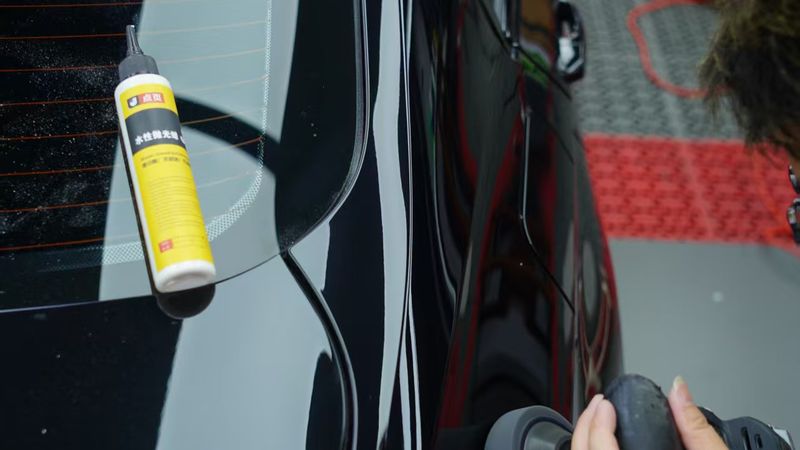
As a professional automotive paint care product supplier, we provide technical support to numerous auto paint shops and 4S dealerships. Recently, we helped a Shenzhen 4S dealership complete a comprehensive polishing process optimization with remarkable results. This article shares the specific plan for industry reference.
Background and Challenges
Client Profile
- Specializes in luxury brand vehicle repair
- Approximately 200 vehicles repaired monthly
- Post-paint polishing is a standard procedure
Main Issues
- Low efficiency: Average polishing time of 45 minutes per vehicle
- High rework rate: About 15% of vehicles needed a second polish
- Material waste: Compound and abrasive usage uncontrolled
- Personnel dependency: Results depended on individual technician experience
Root Cause Analysis
Process Issues
- Workflow not standardized enough
- Poor handoff between steps
- No clear quality inspection checkpoints
Product Selection Issues
- Too many product types causing management chaos
- Inconsistent results from some products
- Poor inter-product compatibility
Personnel Management Issues
- Unsystematic training, slow onboarding for new staff
- No unified operating standards
- No effective performance metrics
Optimization Plan
Phase 1: Process Standardization (2 Weeks)
New Workflow Design
-
Pre-wash cleaning (5 minutes)
- Deep clean with neutral car wash solution
- Clay bar decontamination
- Goal: Ensure paint is free of foreign material
-
Masking and protection (3 minutes)
- Identify areas not to be polished
- Protect rubber and plastic parts
- Goal: Prevent secondary contamination
-
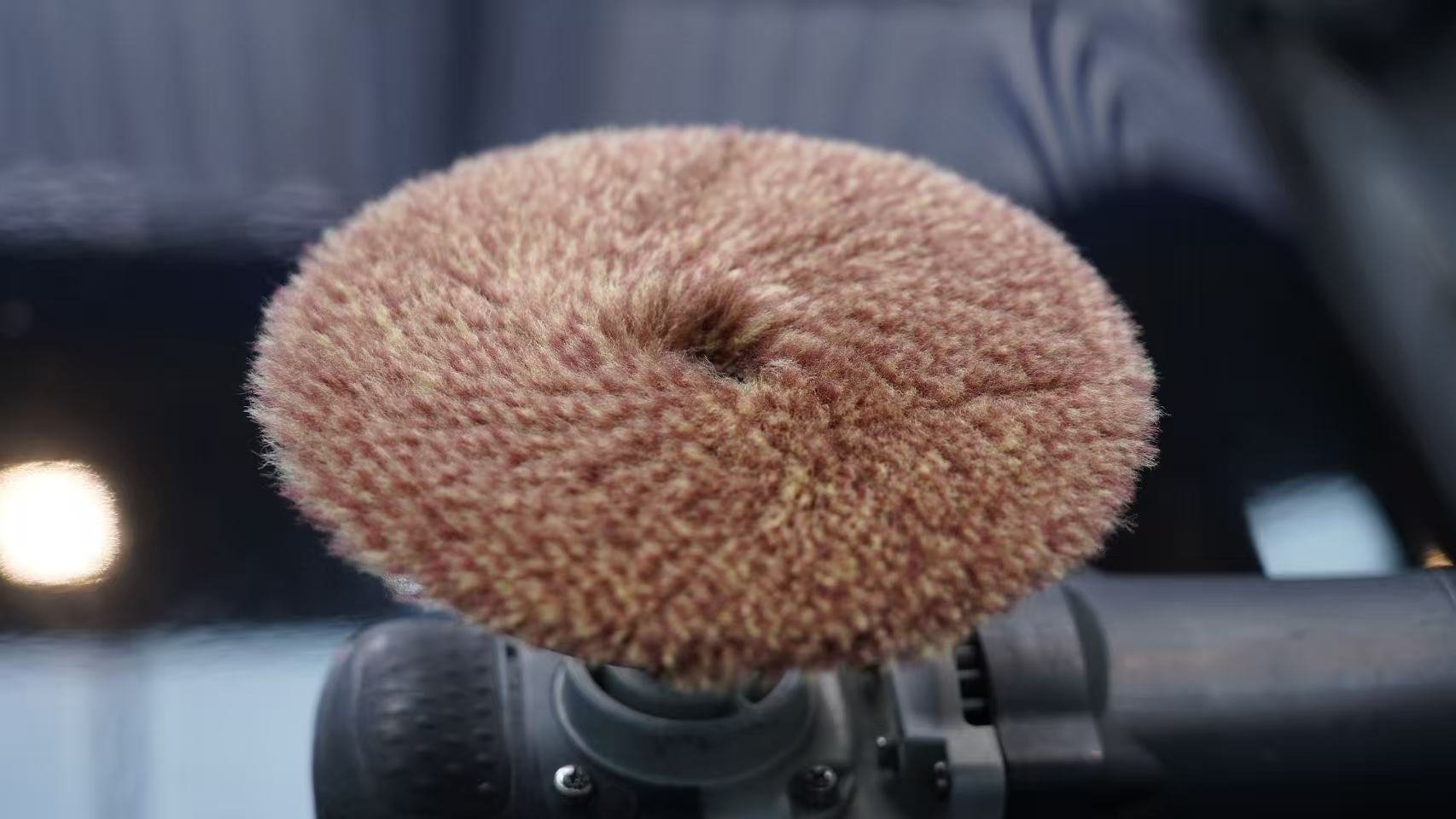
Polishing (15-20 minutes)
- Select abrasive grade based on paint condition
- Section-by-section workflow
- Goal: Remove paint defects
-
Mirror finishing (8-10 minutes)
- Fine polish for final gloss
- Inspect under lighting
- Goal: Restore gloss
-
Clean-up and inspection (5 minutes)
- Remove all compound residue
- Final quality check
- Goal: Deliver a flawless finish
Quality Standards
- Paint gloss ≥85 GU (20° angle)
- Orange peel ≤ B2
- No visible scratches or compound residue
Phase 2: Product Consolidation (1 Week)
Solution
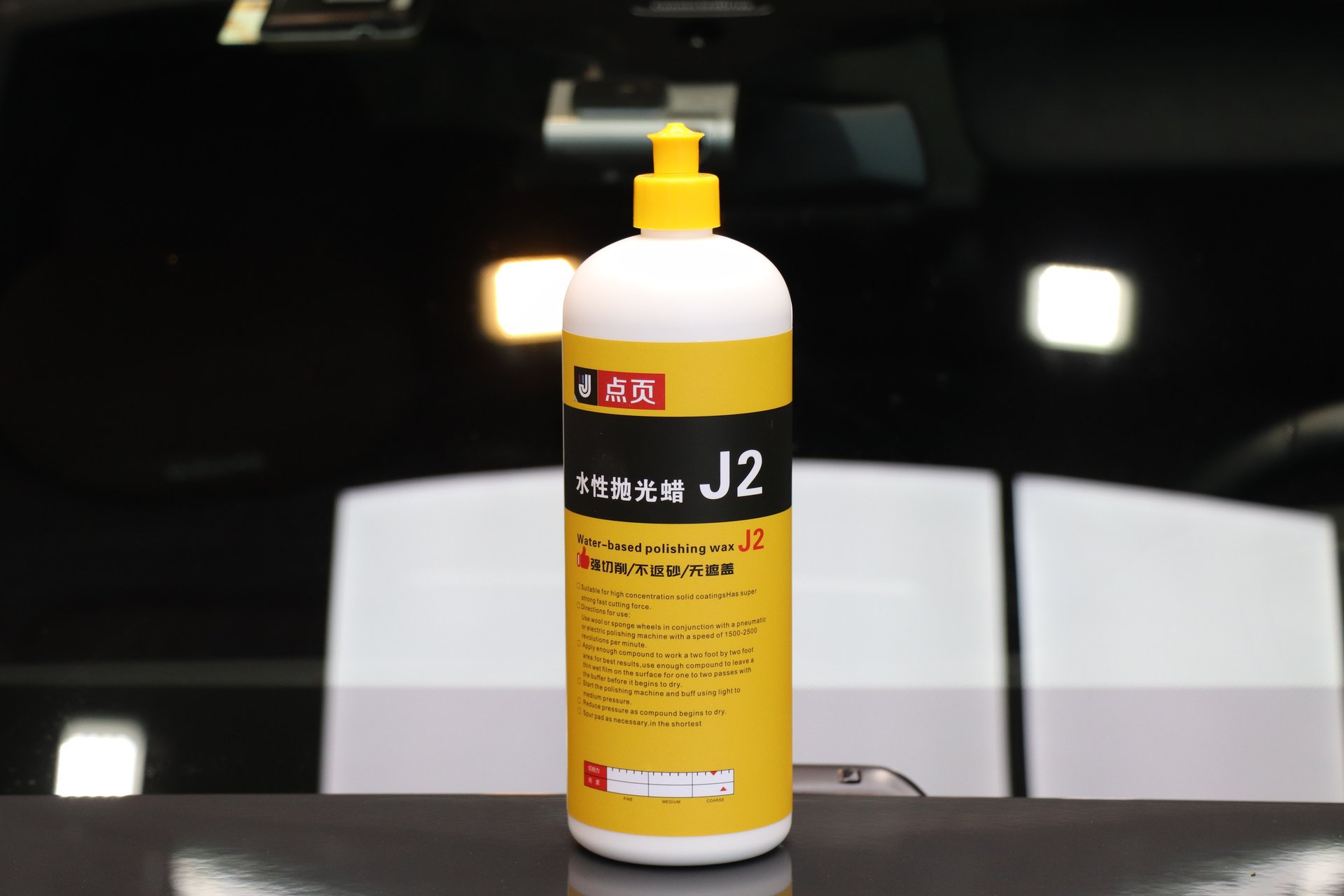
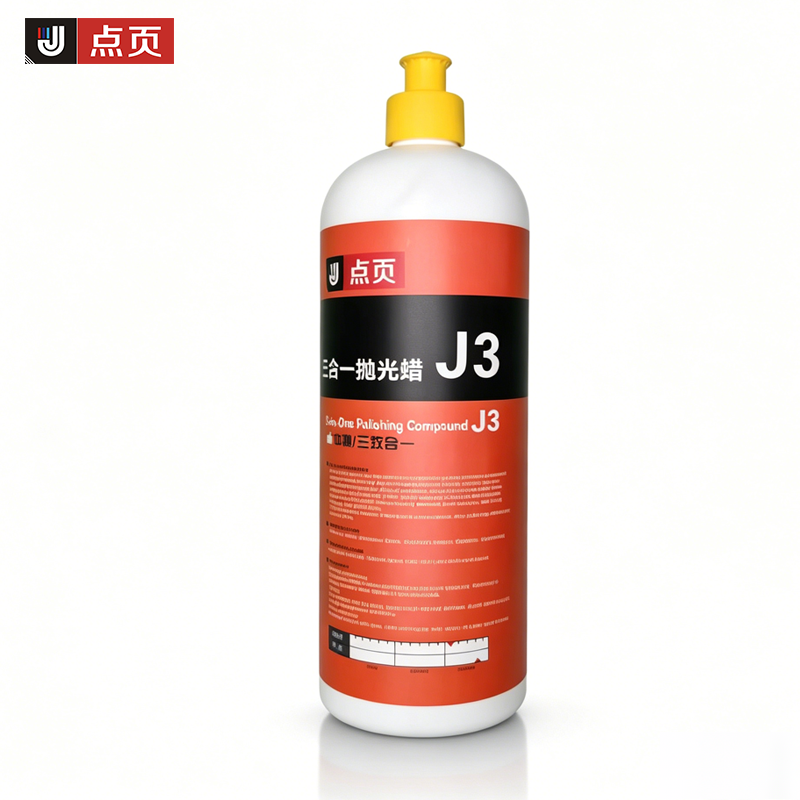
We recommended the DianYe Professional Care Kit:
| Process | Recommended Product | Key Advantage |
|---|---|---|
| Deep cleaning | J1 3-in-1 Cleaning Wax | Clean + decontaminate + protect in one step |
| Polishing | J2 Water-Based Polishing Compound | Water-based, eco-friendly, medium cutting |
| Quick finishing | J5 Mirror Glaze | Instant gloss, 50% efficiency boost |
Results Comparison
| Metric | Before | After | Improvement |
|---|---|---|---|
| Processing time | 45 min | 27 min | 40%↑ |
| Rework rate | 15% | 3% | 80%↓ |
| Material usage | High | Low | Significant reduction |
Phase 3: Staff Training (Ongoing)
Training Content
- Product knowledge (2 hours)
- Standard process hands-on (4 hours)
- Common issue resolution (2 hours)
- Quality inspection standards (1 hour)
Assessment System
- New staff must pass practical exam before working independently
- Monthly skill evaluations
- Tied to performance bonuses
Implementation Results
Efficiency Gains
- Average processing time: 45 min → 27 min
- Daily throughput: 8 → 12 vehicles
- Equipment utilization: 65% → 85%
Quality Improvements
- Rework rate: 15% → 3%
- Customer satisfaction: 78% → 96%
- Complaint rate: Down 70%
Cost Savings
- Material costs: Down 33%
- Labor costs: Down 25% (per-vehicle basis)
- Overall costs: Saved approximately 15%
Key Takeaways
Core Lessons
- Process standardization is the foundation of everything
- Choosing the right product matters more than choosing the expensive one
- Staff training requires continuous investment
- Data-driven management enables ongoing improvement
Important Notes
- Optimization must be gradual — do not rush
- Listen to front-line technicians’ input
- Results need time to validate — do not draw premature conclusions
Partnership Inquiry
If you have similar needs, contact us. DianYe provides:
- On-site diagnostics
- Customized solutions
- Professional technical training
- Long-term follow-up service
📞 Business hotline: 18923492297 📧 Email: rodger@coze.email