
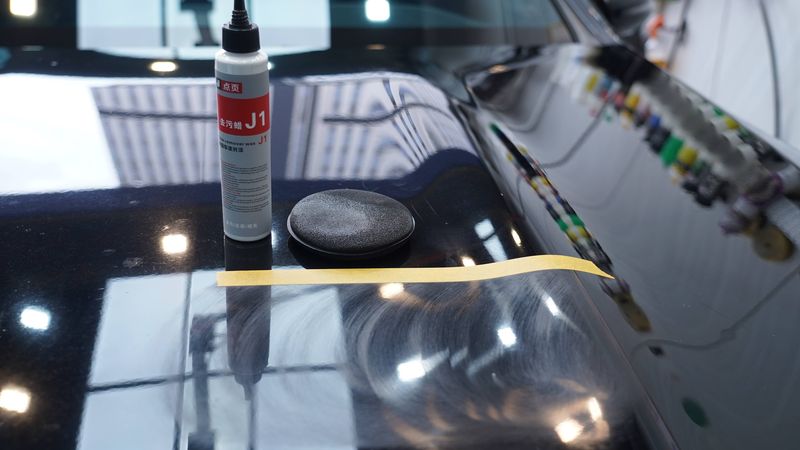
Application temperature is a critical environmental factor affecting polishing results. Compared to traditional oil-based products, water-based polishing wax has better temperature adaptability but still needs to be applied within an appropriate temperature range for optimal results. Shenzhen DianYe Technology provides a detailed guide on application temperature requirements.
I. How Temperature Affects Polishing
Effects of Excessive Heat
- Wax dries too fast: Cures before you can finish polishing
- Reduced cutting power: High temperatures reduce abrasive efficiency
- Increased paint risk: Hot paint surfaces are more prone to burn-through
- Operator fatigue: Working comfort decreases in high-temperature environments
Effects of Excessive Cold
- Wax too viscous: Difficult to spread and distribute
- Weakened cutting: Abrasive particle activity decreases
- Extended application time: Requires more time and effort
- Potentially uneven results: Temperature inconsistency leads to variable outcomes
II. Recommended Application Temperature for Water-Based Polishing Wax
Optimal Temperature Range
| Temperature Range | Conditions | Performance Rating |
|---|---|---|
| 15-25°C | Ideal temperature | ★★★★★ |
| 10-15°C | Acceptable | ★★★★☆ |
| 25-30°C | Acceptable | ★★★★☆ |
| Below 10°C | Caution needed | ★★★☆☆ |
| Above 30°C | Caution needed | ★★★☆☆ |
Specific Recommendations
- Ideal temperature: 18-22°C
- Acceptable range: 10-30°C
- Not recommended: Below 5°C or above 35°C
III. Seasonal Application Recommendations
Spring (15-25°C)
- Mild climate, ideal for polishing
- Significant morning/evening temperature swings — choose your timing
- Best hours: 10 AM to 4 PM
Summer (25-35°C)
Precautions:
- Avoid working during direct sunlight hours
- Choose indoor or shaded locations
- Work in smaller sections — apply and wipe promptly
- Store products in a cool area before use
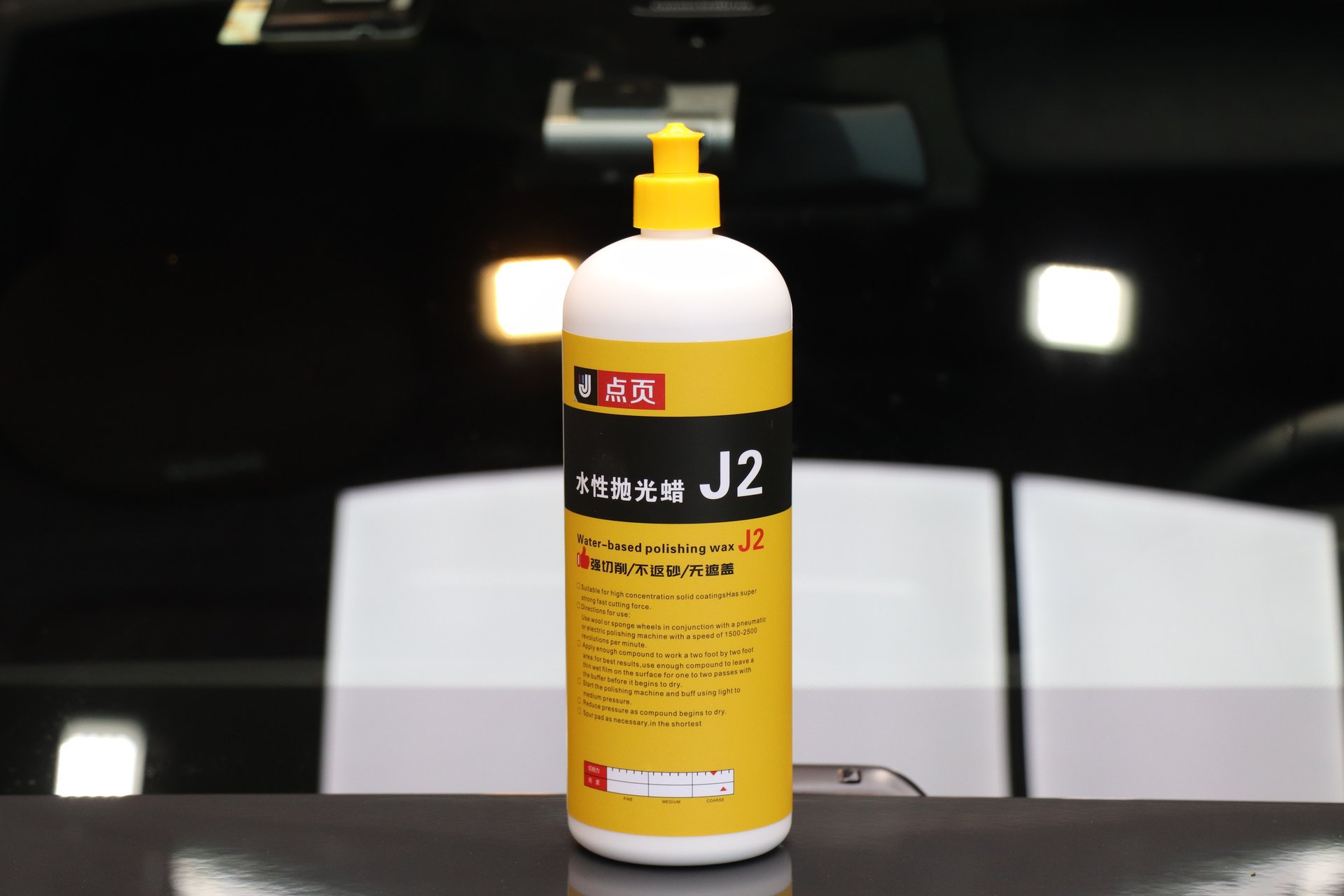
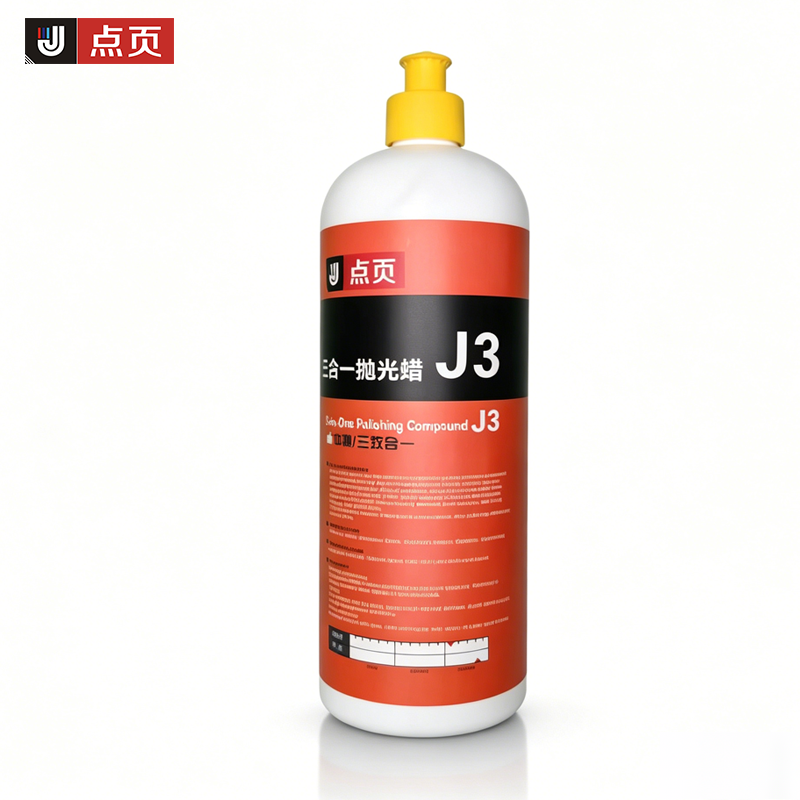
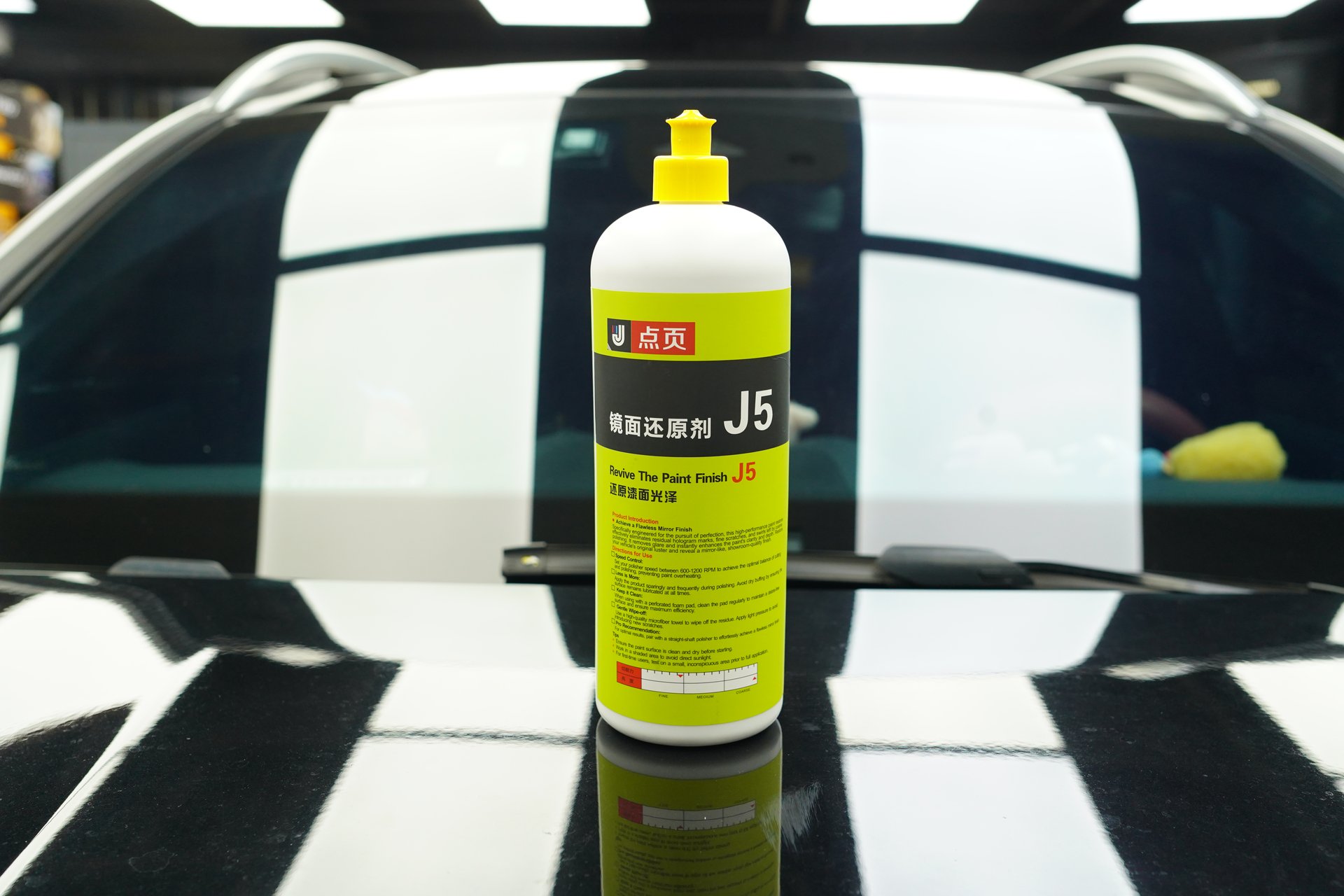
Recommended times:
- Early morning (6-9 AM)
- Evening (5-8 PM)
- Indoor application
Autumn (10-25°C)
- Favorable climate — golden season for application
- Watch for evening temperature drops
- Maintain stable working environment temperature
Winter (5-15°C)
Precautions:
- Work indoors, ensure adequate ambient temperature
- Products can be gently warmed in warm water before use
- Extend curing time after application
- Apply protection promptly after polishing
Recommendations:
- Warm products to 20-25°C before use
- Increase application pressure to compensate for reduced cutting
IV. Other Environmental Factors
Humidity Requirements
- Optimal humidity: 40-60%
- High humidity: Affects wax drying speed, but impact is minimal
- Low humidity: Wax dries faster — speed up your workflow
Lighting Conditions
- Avoid direct sunlight
- Avoid observing results under intense light (may cause visual errors)
- For indoor work, use diffused lighting
Ventilation Requirements
- Maintain good ventilation
- Although water-based products have minimal odor, ventilation is still needed
- Helps with solvent evaporation and result curing
V. Temperature Control for Special Scenarios
Indoor Application
- Air-conditioned environment: Set temperature to 20-25°C
- No AC: Choose times with comfortable temperatures
- Note: Avoid direct AC airflow onto the paint surface
Outdoor Application
- Shaded areas preferred: Avoid direct sunlight
- Avoid rainy days: Excessive humidity affects results
- Timing: Early morning or evening is best
Garage Application
- Relatively stable temperature year-round — ideal working environment
- Ensure adequate lighting
- Ensure ventilation
VI. Responding to Temperature Abnormalities
High-Temperature Response
- Cool down: Let the paint surface cool naturally before starting
- Pre-cool products: Avoid using products recently exposed to high heat
- Shorten sections: Work on smaller areas at a time
- Prompt removal: Don’t let wax sit on the paint too long
Low-Temperature Response
- Pre-warm products: Warm with water (not exceeding 40°C)
- Raise ambient temperature: Use heating equipment to warm the workspace
- Increase pressure:适当 increase polishing pressure
- Extend time: Allow longer processing and curing time
VII. Temperature Advantages of Water-Based Products
Compared to traditional oil-based products, water-based polishing wax has clear advantages in temperature adaptability:
- Low odor: Reduces discomfort in high temperatures
- Moderate drying: Doesn’t cure too quickly in heat like oil-based products
- Easy cleanup: Doesn’t become overly viscous even in cold conditions
- Eco-safe: No risk of harmful gas release at high temperatures
VIII. Pre-Application Checklist
Confirm the following before starting:
- Ambient temperature is within 10-30°C range
- No direct sunlight
- Paint surface temperature is close to room temperature
- Good ventilation
- Moderate humidity
Conclusion
Temperature control is a critical aspect of polishing application. DianYe Auto Technology recommends: whenever conditions allow, choose appropriate temperature environments for application; if working in non-ideal conditions, take appropriate countermeasures. Using water-based polishing wax can somewhat reduce temperature constraints, but temperature factors should never be completely ignored.
📞 Product inquiries: 18923492297 📧 Business inquiries: rodger@coze.email