
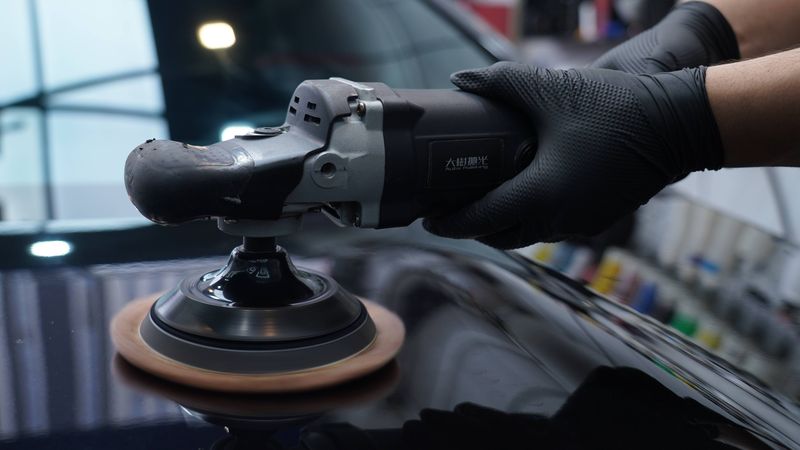
Polishing Pad & Compound Pairing Guide: From Pad Selection to Product Matching
Polishing Pad & Compound Pairing Guide
I. Overview
In automotive paint finishing, the proper pairing of polishing pads and compounds is the critical factor determining polishing results and efficiency. The right combination not only improves work efficiency but also ensures the paint surface achieves expected results while minimizing damage. This guide systematically covers the characteristics of various polishing pads and compounds, pairing principles, and practical solutions, serving as a technical reference for professional auto detailers.
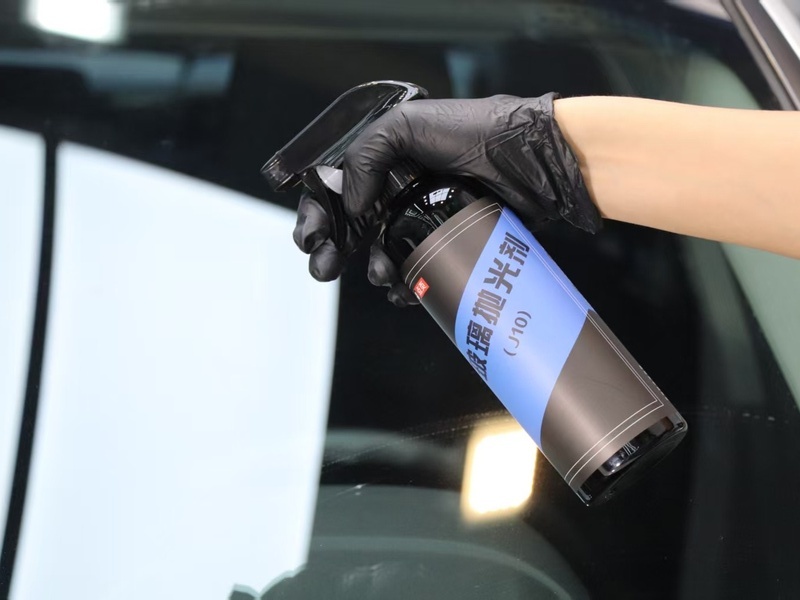
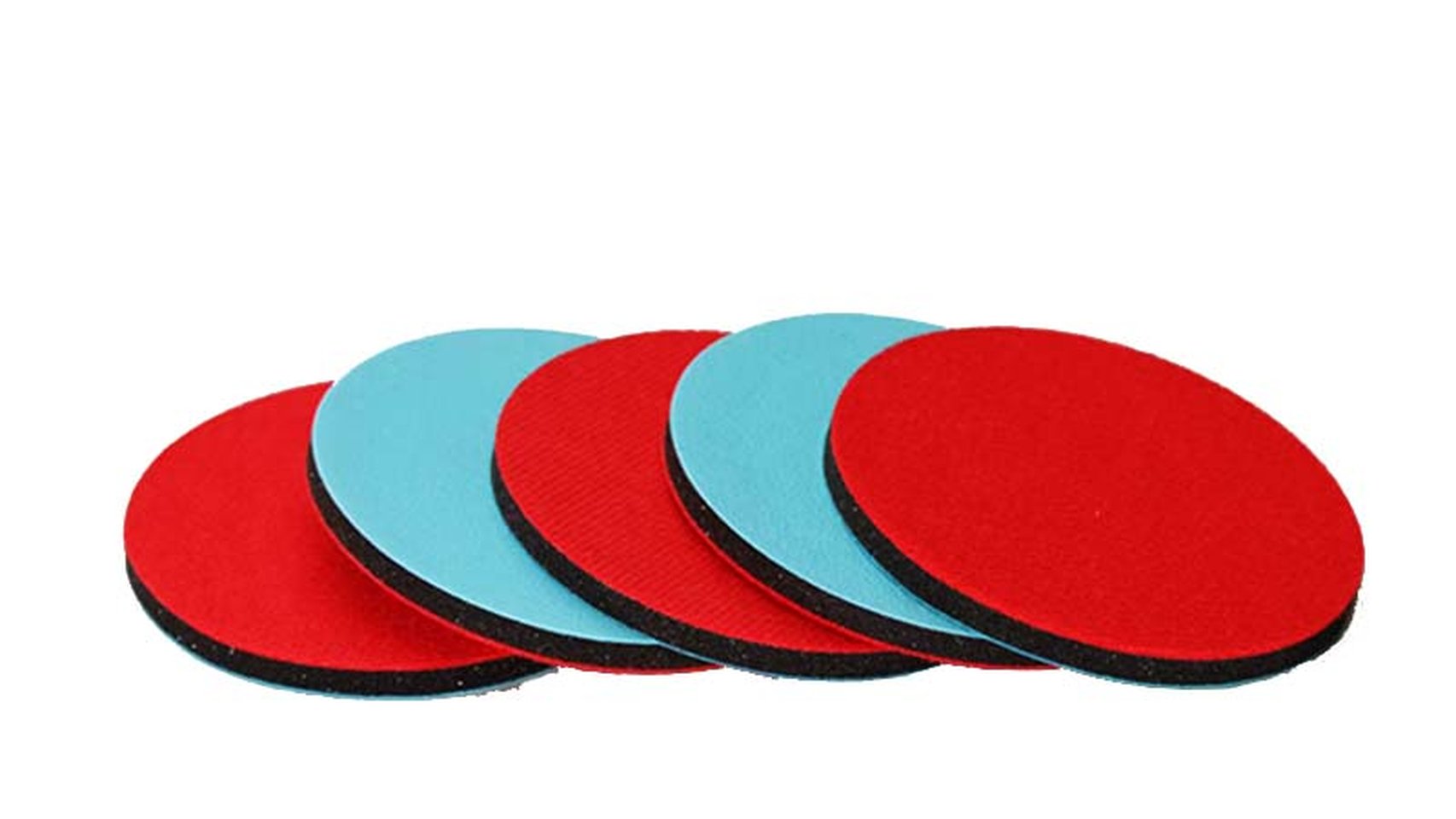
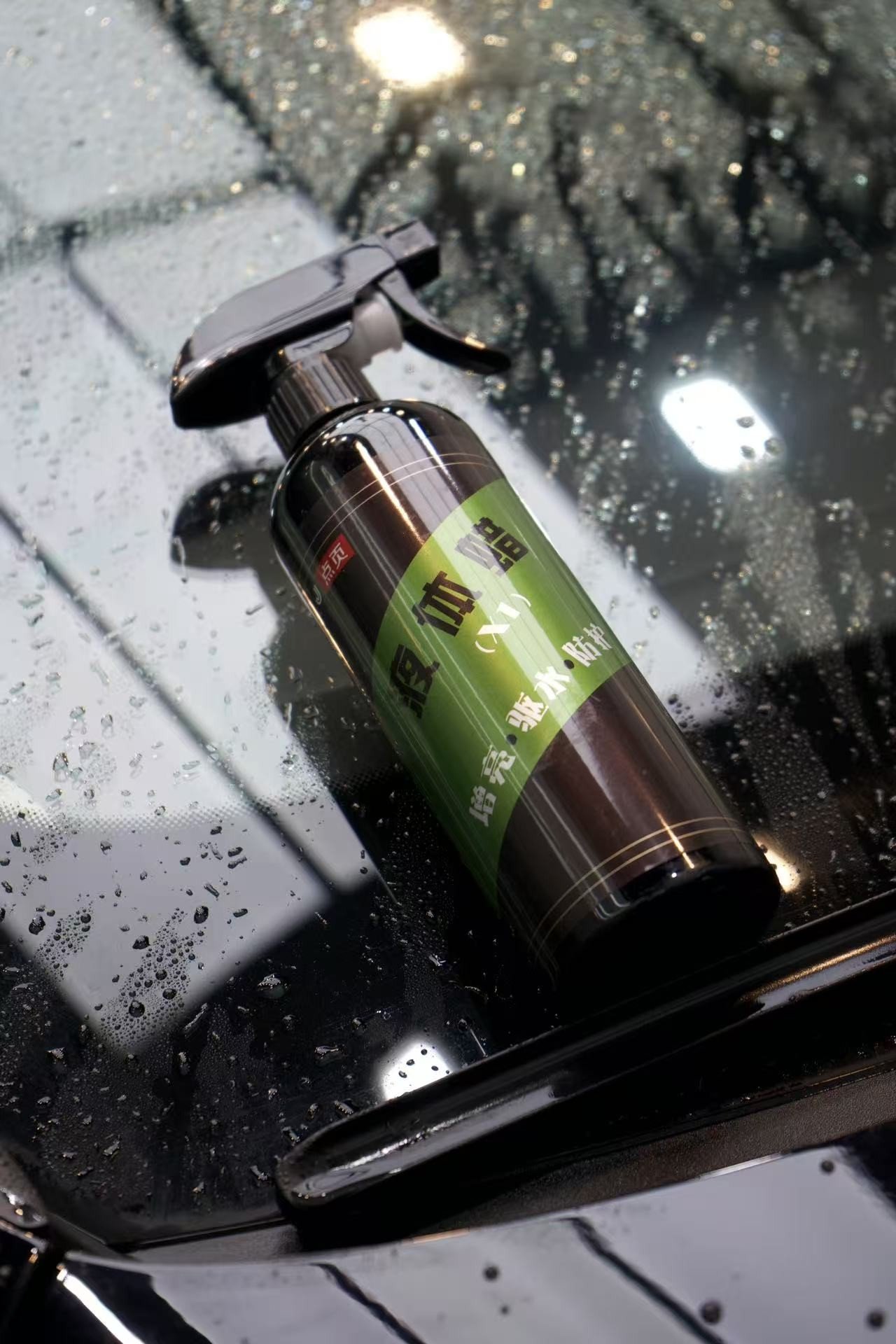
II. Polishing Pad Types
As the core consumable in the polishing process, pad material, hardness, and structural design directly affect cutting power, heat dissipation, and final results.
2.1 Wool Pads
Wool pads offer the strongest cutting power in traditional polishing:
- Material: Made from natural or synthetic wool fibers with long, elastic strands
- Cutting ability: Powerful cutting force, suitable for heavy scratches, oxidation, and severe paint defects
- Use cases: Pre-delivery paint preparation, heavy oxidation treatment on older vehicles, deep scratch repair
- Notes: Wool pads have strong cutting power but tend to产生 holograms; follow up with fine polishing. Control RPM to avoid excessive paint removal
2.2 Foam Pads
Foam pads are the most widely used type, available in multiple density grades:
- Heavy-cut foam (firm): Higher density, cutting power second only to wool pads, for moderate scratches and oxidation
- Medium-cut foam (medium-firm): Balanced density, good balance of cutting and gloss, for general paint defects
- Fine-cut foam (soft): Lower density, mild cutting, mainly for light scratch removal and gloss enhancement
- Finishing foam (ultra-soft): Lowest density, virtually no cutting power, for final mirror finishing and gloss enhancement
2.3 Microfiber Pads
Microfiber pads are a newer development combining cutting power and gloss:
- Material: Ultra-fine microfiber with dense, tightly arranged fibers
- Performance: Better cutting than foam, better gloss than wool, good heat dissipation
- Use cases: Moderate to light paint defects, one-step cut and gloss enhancement
- Advantage: Reduces polishing steps, improves efficiency, lowers hologm risk
2.4 Other Specialty Pads
- Japanese short-fiber pads: Shorter fibers for precise cutting control, ideal for fine work
- Wavy/textured pads: Surface texture enhances cutting and improves heat dissipation
- Hook-and-loop backed pads: Velcro backing for quick pad changes, ideal for frequent switching
III. Compound Types
Compounds (polishing wax) are the chemical medium for paint treatment. Their formula design directly determines cutting ability, gloss results, and working characteristics.
3.1 Heavy-Cut Compounds
- Function: Removal of heavy scratches, oxidation, sanding marks, and severe paint defects
- Particle size: Large abrasive particles, strong cutting power
- Working characteristics: Fast cutting speed but may leave deeper scratch marks requiring subsequent steps
- Suitable paint: Severely oxidized, visibly scratched older paint, or sanded surfaces
3.2 Medium-Cut Compounds
- Function: Balances cutting power and gloss, the most commonly used type in daily polishing
- Particle size: Medium abrasive particles, moderate cutting
- Working characteristics: Effectively removes moderate scratches and oxidation while leaving a good gloss foundation
- Suitable paint: Vehicles in general condition with light to moderate scratches
3.3 Fine-Cut Compounds
- Function: Removes light scratches and holograms, enhances paint gloss
- Particle size: Fine abrasive particles, mild cutting
- Working characteristics: Wide operating window, unlikely to cause new scratches, noticeable gloss improvement
- Suitable paint: Paint in good condition with minor defects, or post-compound/refinement steps
3.4 Finishing Compounds
- Function: Final mirror finish, removal of micro-marks and haze
- Particle size: Extremely fine abrasives or non-abrasive formula
- Working characteristics: Virtually no cutting; primarily fills and provides optical refraction for enhanced paint depth
- Suitable paint: Final polishing step, or excellent-condition paint needing gloss enhancement
3.5 Specialty Compounds
- Water-based compounds: Such as J2, water-medium formula, eco-friendly, easy cleanup, low dust, comfortable application
- Mirror glaze restorers: Such as J5, designed for ultimate mirror finish, effectively removes holograms, creates deep gloss
- One-step compounds: Combine cutting and finishing functions to simplify the polishing workflow
IV. Pairing Principles
Pad and compound pairing must follow these core principles to balance results, efficiency, and paint safety.
4.1 Cutting Force Matching
- Aggressive combination: Wool pad + heavy-cut compound, for severe paint defects
- Moderate combination: Firm foam pad + medium-cut compound, for general paint treatment
- Fine finishing combination: Soft foam pad + fine-cut/finishing compound, for gloss enhancement
4.2 Paint Hardness Adaptation
- Hard paint (e.g., German vehicles): Can use more aggressive combinations, less prone to holograms
- Soft paint (e.g., Japanese vehicles): Use milder combinations, control cutting to avoid haze
4.3 Progressive Step Principle
- Polishing typically follows a progression: heavy → medium → fine → finish
- Each step’s pad-compound combination should be milder than the previous, gradually increasing paint refinement
- Avoid skipping steps unless necessary, to prevent hard-to-remove defects
4.4 Efficiency vs. Results Balance
- Choose the appropriate starting point based on actual paint condition to avoid over-polishing
- Prefer combinations that achieve goals in fewer steps
- Select combinations with wide operating windows and high margin for error
V. Pairing Solutions for Different Scenarios
5.1 Severe Paint Defect Treatment
Scenario: Severely oxidized paint, visible scratches, post-sanding surfaces
Recommended Solution:
- Pass 1: Wool pad + heavy-cut compound to remove major defects
- Pass 2: Firm foam pad + medium-cut compound to remove wool pad marks
- Pass 3: Soft foam pad + fine-cut/finishing compound to enhance gloss
Alternative: Microfiber pad + heavy/medium-cut compound to reduce step count
5.2 Routine Paint Detailing
Scenario: Daily paint maintenance, light to moderate scratches, general oxidation
Recommended Solution:
- Pass 1: Medium-firm foam pad + medium-cut compound or J2
- Pass 2: Soft foam pad + fine-cut compound or J2
One-step solution: Microfiber pad + one-step compound or J5 Mirror Glaze Restorer for quick detailing
5.3 New Car Paint Preparation
Scenario: Pre-delivery preparation, removing transport marks and oxidation, enhancing gloss
Recommended Solution:
- Medium-firm foam pad + medium/fine-cut compound, control cutting to protect factory clear coat
- Follow-up: Soft foam pad + J5 for new car mirror finish
5.4 Mirror Finish Creation
Scenario: Ultimate mirror gloss for show cars and detailing competitions
Recommended Solution:
- Pass 1: Medium-firm foam pad + fine-cut compound
- Pass 2: Soft foam pad + J2
- Pass 3: Ultra-soft finishing foam pad + J5
Note: Use inspection light between each pass to confirm no visible scratches before proceeding
5.5 Black/Dark Color Vehicles
Scenario: Black and dark-colored vehicles that are especially sensitive to holograms and haze
Recommended Solution:
- Avoid wool pads; prefer foam or microfiber pads
- Compound: Firm foam pad + heavy-cut compound (low RPM)
- Refine: Medium-firm foam pad + medium-cut compound
- Finish: Soft foam pad + J5
Key: Thoroughly remove marks from each previous step to avoid cumulative effects
VI. Common Mistakes
6.1 Incorrect Pad-Compound Pairing
- Wrong: Wool pad with finishing compound — wastes wool pad cutting power without achieving good finish
- Wrong: Soft foam pad with heavy-cut compound — inefficient cutting, excessive pad wear
- Correct: Match compound grade to pad cutting level
6.2 Over-Reliance on One-Step Solutions
- Wrong: Expecting one pad-compound combination to solve all paint issues
- Risk: Either insufficient cutting or excessive paint removal
- Advice: Choose starting point based on actual condition; use multi-step when necessary
6.3 Ignoring Paint Hardness Differences
- Wrong: Using the same pad-compound combo for all vehicles
- Result: Insufficient cutting on hard paint, holograms on soft paint
- Correct: Adjust combinations and parameters for different paint hardness levels
6.4 Neglecting Pad Condition
- Wrong: Continuing to use heavily soiled, caked pads
- Result: New scratches, uneven polishing results
- Correct: Regularly clean and replace pads to maintain pad condition
6.5 Improper Compound Application Amount
- Wrong: Too much compound causes excessive splatter and difficult cleanup
- Wrong: Too little compound causes dry buffing and paint burning
- Correct: Control amount by pad size; generally 1-2 drops to cover the pad surface
VII. Practical Recommendations
7.1 Pre-Operation Preparation
- Thoroughly clean paint surface to remove oil, iron particles, and contaminants
- Inspect pad condition — ensure no clumps or foreign objects
- Select appropriate pad-compound combination based on paint condition and hardness; test in inconspicuous area first
7.2 Operating Parameter Control
- RPM: Wool pad 1500-1800rpm, foam pad 1800-2000rpm, microfiber pad 2000rpm
- Pressure: Light to medium pressure; avoid excessive force causing paint overheating
- Movement speed: Maintain steady movement; avoid dwelling on one area
7.3 Process Quality Control
- After each step, inspect paint under inspection light from various angles before proceeding
- Cross-hatch polishing: Use horizontal + vertical patterns for complete coverage
- Clean regularly during polishing to prevent contaminant buildup
7.4 Pad Maintenance
- Clean pads promptly after use with dedicated pad brush or air gun
- Foam pads can be washed with neutral cleaner and air-dried in shade
- Regularly inspect pad wear; replace aged or heavily worn pads promptly
7.5 Safety & Protection
- Wear safety glasses and mask to avoid dust inhalation
- Monitor power cord routing during machine operation
- Use masking tape to protect plastic trim, chrome pieces, and sensitive areas
Summary: Pad and compound pairing is a highly practical skill that requires combining theoretical guidance with hands-on experience. Following the principles of cutting force matching, progressive refinement, and material-appropriate selection, combined with the pairing solutions in this guide, will help practitioners efficiently and effectively complete all types of paint polishing work.