
Many car owners face a dilemma when it comes to paint care: Should I do a complete deep care treatment or opt for a quick detail? You spent money on care but the results don’t match expectations? Today we’ll systematically analyze the fundamental differences between these two approaches and help you make the optimal choice based on your needs.
I. Concept Definition: What Is Deep Care, What Is Quick Detailing
1.1 Definition of Deep Paint Care
Deep paint care is a systematic process — not a single polish or wax — but a complete workflow from cleaning through correction to protection.
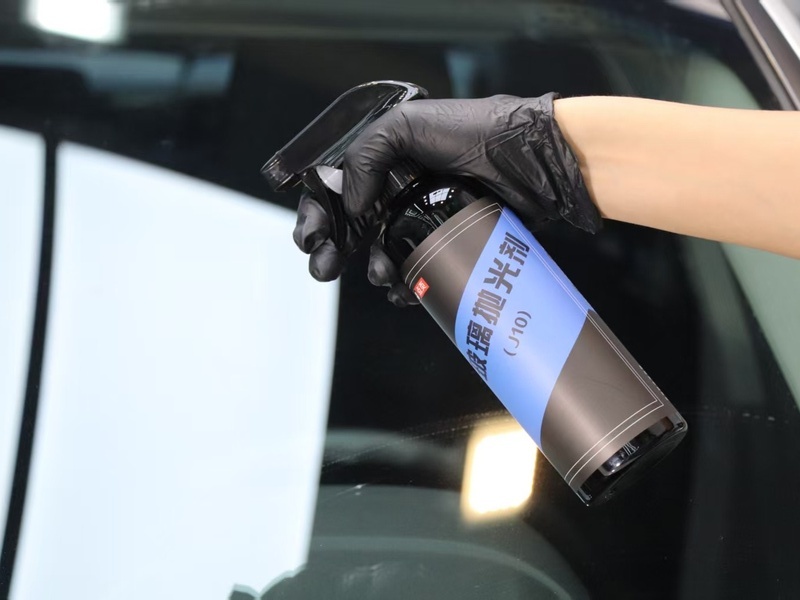
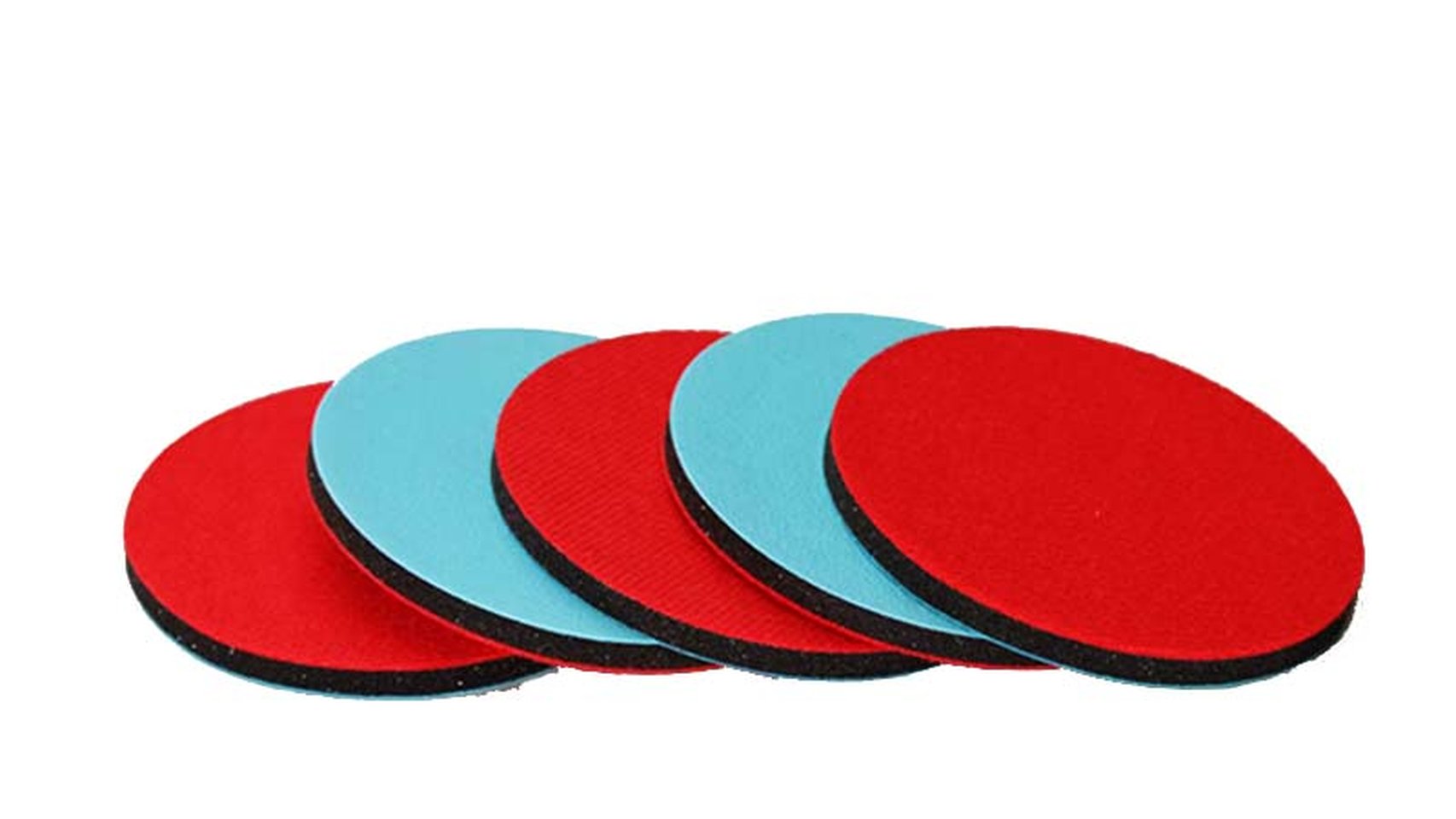
Complete Deep Care Workflow:
- Pre-wash phase: Pre-wash foam, two-bucket contact wash, clay bar decontamination
- Paint decontamination: Thoroughly remove all oils and residues to prepare for subsequent steps
- Defect assessment: Use paint thickness gauge and high-intensity light for comprehensive inspection
- Paint correction: Select appropriate pads and compounds based on defect severity
- Mirror finishing: Remove polishing marks, restore ultimate gloss
- Protective coating: Choose wax, sealant, or ceramic coating based on needs
- Detail work: Specialized care for glass, wheels, and plastic trim
Core Features of Deep Care:
- Long treatment cycle: Full car typically requires 8-16 hours
- Long-lasting results: Protection lasts 1-12 months
- Thorough correction: Removes 90%+ of paint defects
- High technical requirement: Professional equipment and experienced technicians needed
1.2 Definition of Quick Detailing
Quick detailing is a lightweight care solution designed for daily maintenance needs, emphasizing “speed” and “upkeep.”
Common Quick Detailing Services:
- Quick wax: Spray wax or liquid wax, 30-60 minutes application
- Water-activated wax: Spray on after washing, rinse for instant shine
- Paint spray sealant: Simple application, 1-2 months protection
- Quick wheel cleaning + shine
Core Features of Quick Detailing:
- Short treatment time: Completed in 30-90 minutes
- Easy application: Most services are DIY-friendly
- Lower cost: Single session typically under $30
- Maintenance focused: Ideal for maintaining existing protective coatings
1.3 Fundamental Differences
| Dimension | Deep Paint Care | Quick Detailing |
|---|---|---|
| Core Goal | Defect correction + long-term protection | Daily maintenance + quick shine |
| Time Required | 8-16 hours | 30-90 minutes |
| Protection Duration | 1-12 months | 1-4 weeks |
| Skill Level | High; professional training needed | Low; beginner-friendly |
| Equipment Needed | Polisher, thickness gauge, professional lighting | Basic wash tools |
| Single-Session Cost | $110-700 | $7-30 |
II. Paint Defect Assessment: The Key to Choosing the Right Approach
2.1 How to Judge Paint Defect Severity
Before choosing a care method, you must accurately assess your paint condition.
Level 1 Defects (Minor):
- Only slight oxidation; paint looks dull but no visible scratches
- Paint feels mostly smooth to the touch
- Few faint swirl marks under strong light
- Recommended: Quick detailing is sufficient
Level 2 Defects (Moderate):
- Visible oxidation; gloss reduced by 30%+
- Numerous swirl marks and micro-scratches
- Localized light water spots or bird dropping etch marks
- Recommended: Light deep care (single-step polish + protection)
Level 3 Defects (Severe):
- Severe oxidation; paint looks white/hazy
- Deep scratches, visible orange peel
- Large-area water stain etching that regular washing can’t remove
- Recommended: Full deep care (multi-step correction + ceramic coating)
2.2 DIY Paint Inspection Methods
Touch Test: After washing, gently glide the back of your hand across the paint. If it feels rough or has a granular texture, oxidation and contaminants are present.
Strong Light Inspection: In sunlight or using a high-intensity flashlight, observe the paint from various angles. Swirl marks, scratches, and polishing marks become clearly visible under strong light.
Thickness Measurement: Professional shops can measure clear coat thickness with a paint thickness gauge. Factory clear coat is typically 40-60 microns; below 20 microns, heavy polishing is not recommended.
III. Choosing the Right Care Plan for Different Scenarios
3.1 Scenario 1: Daily Driver, Value-Oriented
Typical Profile:
- Vehicle: Budget car under $20K
- Age: 1-3 years
- Parking: Outdoor or standard garage
- Expectation: Keep it clean, no need for perfection
Recommended: Quick detailing as primary, annual deep care
Implementation:
- Monthly: Use J2 Water-Based Polishing Wax for quick maintenance
- Apply after washing; simple operation
- ~1 month protection, maintains basic gloss
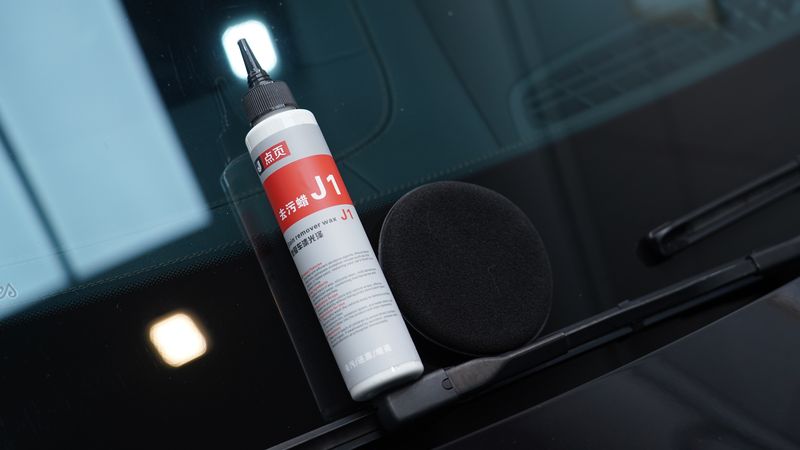
- Quarterly: Use J1 3-in-1 Cleaning Wax for deep clean and wax
- Removes accumulated oxidation
- Clean, shine, and protect in one step
- Annually: Light deep care
- Assess paint condition, single-step polish as needed
- Apply cost-effective sealant protection
Annual Cost: $70-140 Expected Result: Paint maintains 80%+ of new car condition
3.2 Scenario 2: Mid-Range Vehicles, Quality-Focused
Typical Profile:
- Vehicle: $20K-$70K mid-to-high-end vehicles
- Age: New or within 3 years
- Parking: Dedicated parking space
- Expectation: Long-term good paint condition
Recommended: Regular deep care + daily quick maintenance
Implementation:
- Every 6 months: Complete deep paint care
- Use J5 Mirror Glaze Restorer for fine polishing
- Pair with quality ceramic coating for 6-month protection
- Monthly: Quick spray wax maintenance
- Fast shine after washing
- Extends ceramic coating lifespan
- Every wash: Two-bucket method to avoid new scratches
Annual Cost: $420-840 Expected Result: Paint consistently maintains 90%+ of new car gloss
3.3 Scenario 3: Luxury/Collector Vehicles, Perfection-Seeking
Typical Profile:
- Vehicle: Luxury, classic, or collector vehicles
- Age: Any; original paint is prized
- Parking: Professional garage
- Expectation: Absolute perfection, long-term value preservation
Recommended: Premium deep care + professional daily maintenance
Implementation:
- Annually: Top-tier deep paint care
- Ceramic coating for up to 1 year of ultimate protection
- Entirely hand-applied by experienced technicians
- Paint thickness monitoring for strict polish control
- Quarterly: Professional deep cleaning maintenance
- pH-neutral car wash to protect ceramic layer
- Inspect coating condition; reinforce as needed
- Daily: Dedicated care products; avoid automated car washes
Annual Cost: $1,100-2,800 Expected Result: Paint stays near-perfect; vehicle resale value significantly enhanced
3.4 Scenario 4: Used Car Reconditioning for Sale
Typical Profile:
- Goal: Improve appearance, increase sale price
- Limited budget, pursuing ROI
- Need fast results
Recommended: Targeted deep care + quick detailing finish
Implementation:
- Assess paint defects: Focus on visually prominent issues
- Selective polishing:
- Hood, roof, trunk lid (high-visibility areas): Fine polish
- Bumpers, side skirts (secondary areas): Quick treatment
- Full-car quick shine:
- Use J2 Water-Based Polishing Wax for full-car brightness boost
- Low cost, fast results, significant visual improvement
Estimated Cost: $140-420 Expected Result: Improved appearance can increase sale price by $700-2,800 (varies by vehicle)
IV. Core Technical Points for Deep Care
4.1 Polishing Pad Selection Strategy
Pad selection in deep care directly determines correction results and paint safety.
Compound Stage (Severe Defects):
- Wool pad with heavy-cut compound
- Strong cutting power for rapid deep scratch removal
- Control temperature to avoid paint burning
Refinement Stage (Moderate Defects):
- Foam pad with J2 Water-Based Polishing Wax
- Moderate cutting, removes most swirl marks
- Most commonly used pad type
Finishing Stage (Mirror Restoration):
- Soft foam pad with J5 Mirror Glaze Restorer
- Minimal cutting, mainly removes polishing marks
- Achieves ultimate mirror finish
Heavy compounding should not exceed 5-6 times on the entire car, but fine finishing can be done dozens of times. Always measure paint thickness before each polishing session to ensure safety.
4.2 Polishing Machine Operating Techniques
RPM Control:
- Compounding: 1500-2000 RPM
- Refining: 1200-1800 RPM
- Finishing: 800-1000 RPM
Movement Speed:
- Move approximately 2-3 cm per second
- Too fast = insufficient cutting; too slow = risk of burning paint
Overlap Rate:
- Overlap each pass by 50%
- Ensure every area receives thorough treatment
4.3 Protective Coating Selection
Carnauba Wax:
- Pros: Warm gloss, premium feel
- Cons: Short protection (1-2 months), not heat-resistant
- Best for: Visual enthusiasts who don’t mind frequent maintenance
Synthetic Sealant:
- Pros: Long protection (3-6 months), chemical-resistant
- Cons: Cooler-toned gloss, less warmth than natural wax
- Best for: Practical owners wanting reduced maintenance frequency
Ceramic Coating:
- Pros: Longest protection (6-12 months), high hardness
- Cons: Higher cost, strict application requirements
- Best for: Mid-to-high-end vehicles, owners wanting set-and-forget protection
V. Quick Detailing Practical Tips
5.1 Correct DIY Waxing Method
Many owners get poor DIY waxing results because of incorrect technique.
Preparation:
- Ensure paint is completely clean and dry
- Work in shade, avoid direct sunlight
- Prepare quality applicator pad and removal towel
Application Steps:
- Apply a moderate amount of wax to the applicator
- Apply in cross-hatch patterns, working in A4-paper-sized sections
- Wait 5-10 minutes until wax hazes
- Remove with a clean towel using straight-line motions, avoid circling
Common Mistakes:
- ❌ Applying wax too thick — makes removal difficult
- ❌ Working in direct sunlight — wax dries and crystallizes too fast
- ❌ Using poor-quality towels — causes new scratches
5.2 Proper Spray Wax Usage
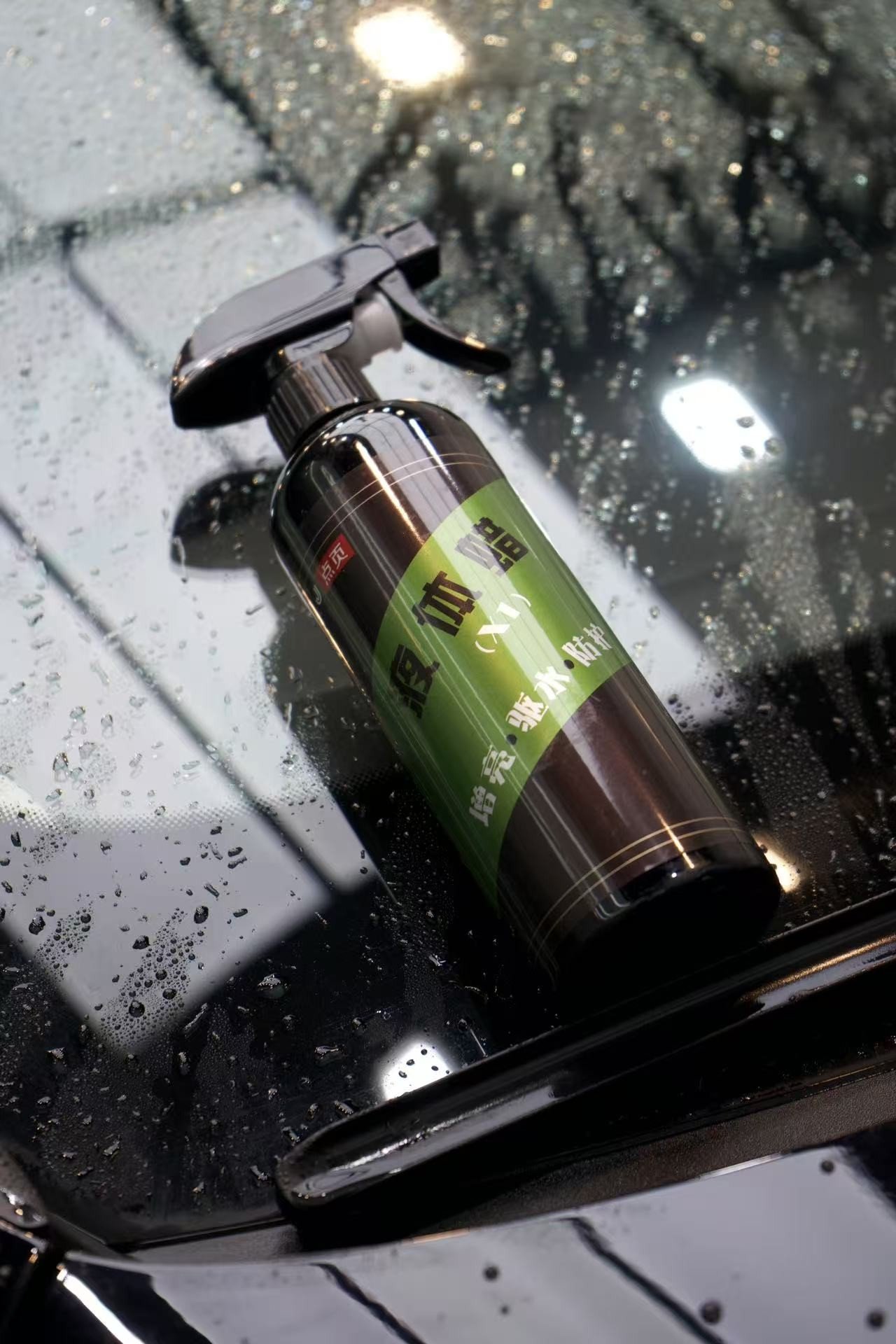
Spray wax is a quick detailing powerhouse (such as DianYe X1), but must be used correctly.
Best Timing:
- While paint is still slightly damp after washing
- Daily dust removal
Application Tips:
- Spray from 20-30 cm distance
- Wipe each panel immediately after spraying
- Flip towel to a clean side for final buffing
Precautions:
- Don’t use in direct sunlight
- Don’t use on glass (causes film)
- Don’t use dirty towels
5.3 Extending Quick Detailing Results
Parking Choices:
- Prefer underground garages
- Avoid parking under trees (bird droppings, tree sap)
- Avoid prolonged sun exposure
Washing Method:
- Use two-bucket method
- Choose pH-neutral car wash soap
- Avoid automated car wash stiff brushes
Regular Maintenance:
- Quick spray wax every 2 weeks
- Full wax treatment monthly
- Clean contaminants promptly
VI. Common Misconceptions & Precautions
6.1 Myth: More Frequent Deep Care Is Better
Some owners over-care with deep polishing every quarter.
Reality: Every polish removes a layer of clear coat. Factory clear coat is only 40-60 microns; heavy compounding removes 3-5 microns per pass. Over years of frequent polishing, the clear coat can be worn through.
Correct Frequency:
- Heavy compounding: No more than 5-6 times total
- Fine finishing: Can be more frequent, but recommend no more than twice per year
- Quick detailing: Can be done monthly without paint damage
6.2 Myth: Quick Detailing Can Replace Deep Care
Some owners think frequent quick details eliminate the need for deep care.
Reality: Quick detailing only “maintains” — it cannot “correct.” If the paint already has scratches, oxidation, or other defects, quick detailing can only temporarily mask them. The defects will worsen over time and eventually require deep care.
Correct View:
- Quick detailing: Daily maintenance, slows aging
- Deep care: Periodic correction, solves root problems
- Combining both yields optimal results
6.3 Myth: Higher Price Means Better Results
Many owners choose care based solely on price, assuming expensive equals better.
Reality: The right choice is the best choice. Spending thousands on PPF for a budget car has poor ROI; doing $10 quick details on a luxury car won’t achieve proper protection.
Selection Principles:
- Choose care budget based on vehicle value (typically 1-3% of car price/year)
- Choose protection method based on usage scenario
- Choose correction level based on paint condition
6.4 Myth: Ceramic Coating Means Never Worry Again
Many owners think ceramic coating means they never need to care about paint again.
Reality: Ceramic coating is not armor — it just provides a stronger protective layer. Without proper maintenance after coating, the protective layer will degrade quickly and paint will still age.
Post-Coating Maintenance:
- Use pH-neutral car wash soap; avoid alkaline detergents
- Use ceramic coating maintenance products regularly
- Avoid contact with harsh chemicals (e.g., some tire dressings)
- Inspect coating condition annually; reinforce as needed
VII. Cost-Benefit Analysis & Decision Guide
7.1 ROI Comparison
| Plan | Annual Investment | Duration | Paint Condition | Value Retention |
|---|---|---|---|---|
| Quick detailing only | $70-140 | 1-4 weeks | 60-70% | Limited |
| Quick + annual deep care | $210-350 | 1-12 months | 80-85% | Noticeable |
| Semi-annual deep + quick maintenance | $420-840 | 6-12 months | 90-95% | Significant |
| Annual premium deep care | $1,100-2,800 | 12 months | 95-98% | Very significant |
7.2 Decision Matrix
| Vehicle Value | Planned Ownership | Parking | Recommended Plan | Annual Budget |
|---|---|---|---|---|
| Under $20K | <3 years | Any | Quick detailing primary | $70-140 |
| $20K-$40K | 3-5 years | Garage | Annual ceramic coating | $140-280 |
| Over $40K | >5 years | Outdoor | PPF | $700-2,100 |
7.3 Three Tips for Beginners
- Start simple: Try waxing first; advance to more complex treatments after mastering basics
- Tools matter: Quality tools are more important than products — poor towels and pads are the main scratch source
- Stay consistent: Paint care is long-term; regular maintenance beats occasional expensive treatments
VIII. Industry Trends & Future Outlook
8.1 New Material Innovations
- Nano-ceramic coatings: Higher hardness, longer protection, decreasing application difficulty
- Self-healing coatings: Light scratches auto-repair with heat or sunlight; currently expensive but expected to become mainstream
- Super-hydrophobic materials: Greater water contact angle, stronger self-cleaning ability
8.2 Evolving Service Models
- Subscription care: Monthly fee, regular on-site service — a new option for urban car owners
- AI paint inspection: AI scans paint to auto-identify defects and recommend solutions; pilot programs underway
- Mobile service expansion: Professional tools becoming smaller and more portable; more services available on-location
8.3 Environmental Trends
- Water-based products replacing oil-based: More eco-friendly and safer — the industry direction
- Dust collection systems: Professional shops adding dust extraction to improve working conditions
- Biodegradable packaging: Care product packaging shifting toward sustainable materials
Summary
Deep paint care and quick detailing have no absolute superiority — only what’s right for you.
- Value-focused, daily driver: Quick detailing primary, annual light deep care
- Quality-focused, mid-range vehicles: Regular deep care with daily quick maintenance
- Perfection-focused, luxury/collector vehicles: Premium deep care plus professional maintenance
- Used car reconditioning: Targeted deep care with quick detailing finish
The key is choosing based on your vehicle’s condition, usage scenario, and budget. Remember, there’s no one-size-fits-all answer in paint care — the best choice is the one that fits your situation.
This article aims to help you build a proper paint care philosophy, avoid detours and wasted spending, and keep your vehicle looking its best.
Provided by DianYe Auto Technology Co., Ltd., specializing in automotive paint care technology sharing.