
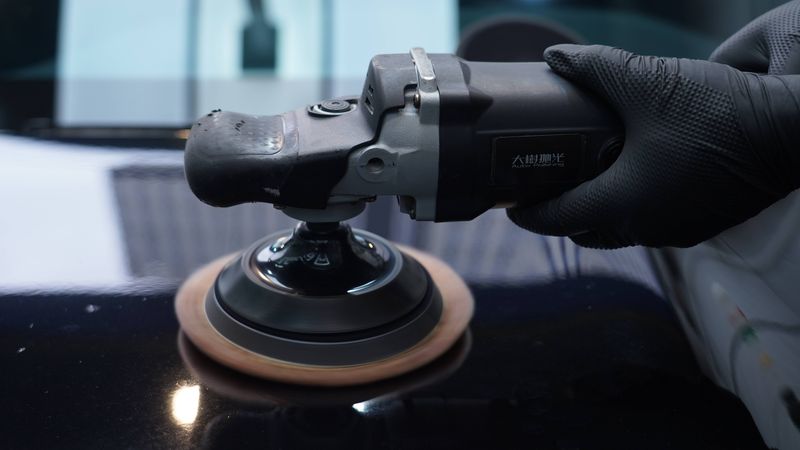
After picking up a new car, most owners’ first thought is to protect the paint. But with so many options on the market — waxing, glaze sealing, ceramic coating, PPF — how do you choose? Does a new car even need polishing? Let’s systematically explore the right approach to new car paint care.
I. The True State of New Car Paint
1.1 Factory Paint’s Natural Advantages
New car paint is at its absolute best when it leaves the factory:
- Maximum paint integrity: No scratches, no oxidation, peak gloss
- Complete coating structure: E-coat → primer → basecoat → clear coat — all four layers intact
- Peak hardness: The clear coat has been high-temperature cured for optimal hardness
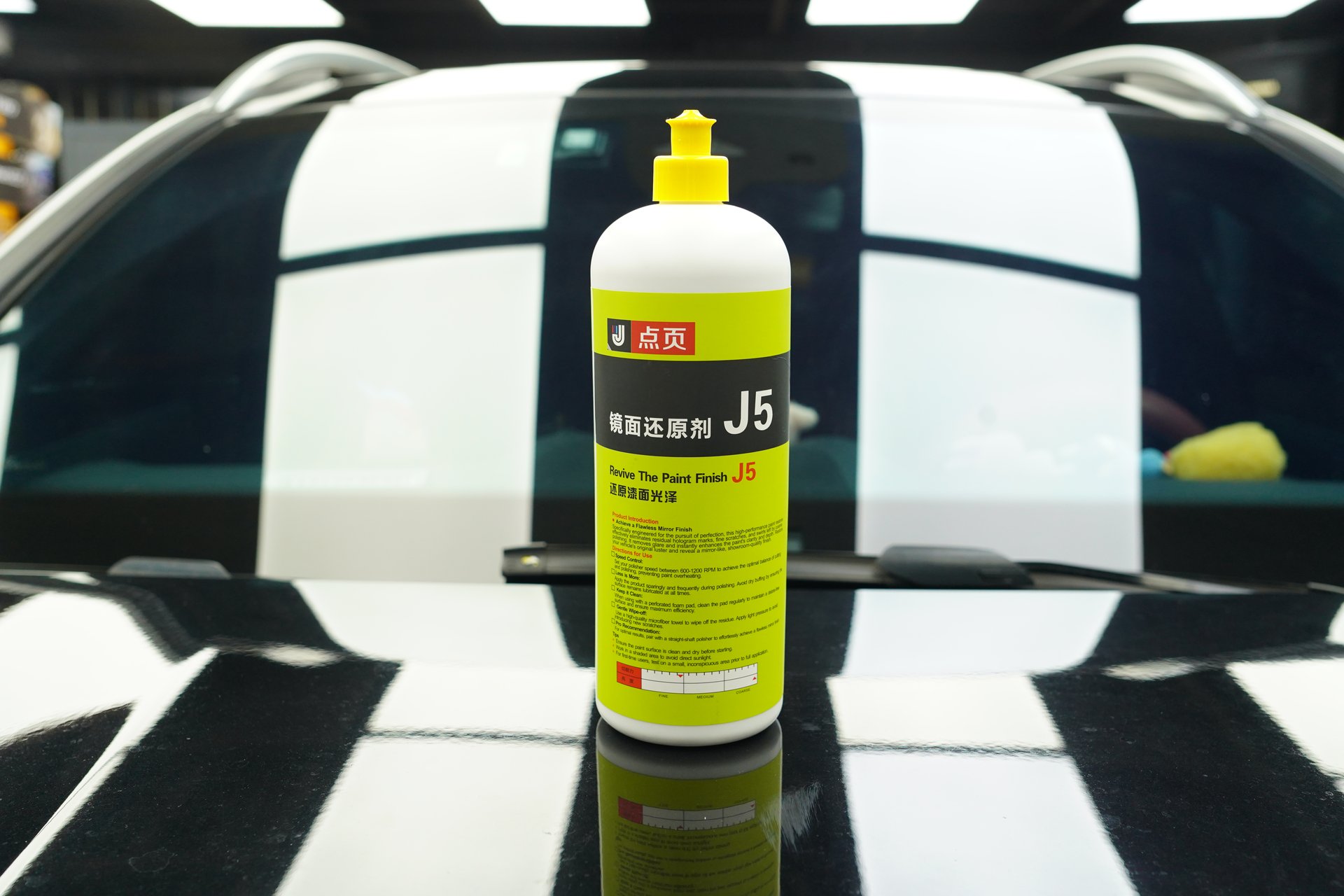
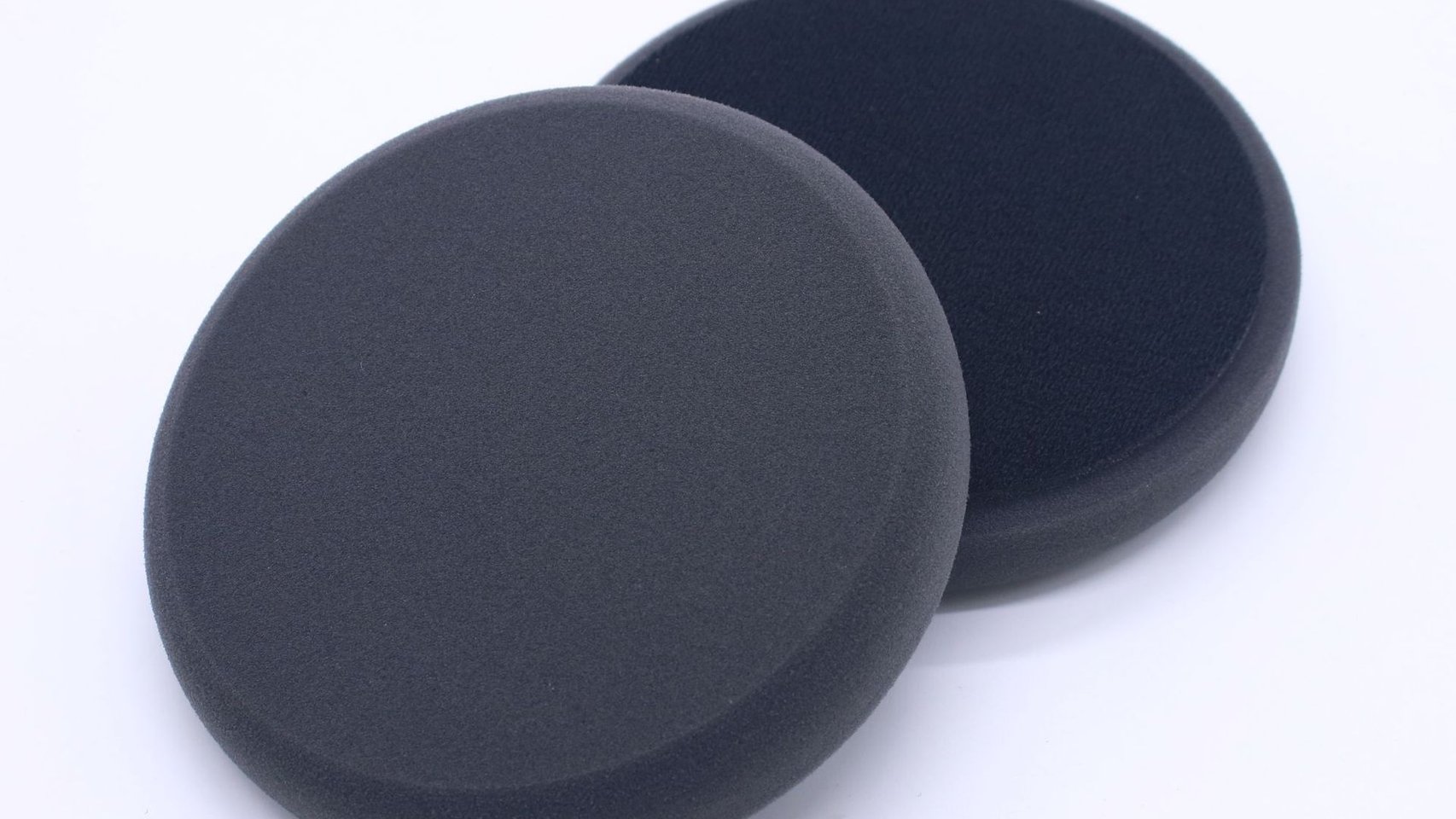
1.2 Hidden Risks for New Car Paint
Many people don’t realize that by the time a new car reaches you, the paint may have already experienced:
- Transport: Dust, sand, and light scratches from high-speed transport
- Storage conditions: Dealer lots may expose cars to sun, rain, and bird droppings
- Pre-delivery prep: Some dealers do basic cleaning with improper tools that can cause micro-scratches
1.3 Does a New Car Need Polishing?
Conclusion: In the vast majority of cases, no.
Established facts:
- Heavy compounding (sanding) should be done no more than 5-6 times on the entire car
- But fine finishing can be done dozens of times
- New car factory clear coat is the thickest it will ever be — every polish removes a layer
Only two situations call for new car polishing:
- Visible scratches or oxidation from transport/storage
- Needing an ultra-smooth paint base before ceramic coating or PPF installation
II. New Car Paint Care Timeline
2.1 Within 7 Days of Pickup: Basic Protection
This is the golden window for new car paint care:
| Item | Recommendation | Reason |
|---|---|---|
| Thorough wash | ✅ Must do | Remove transport and storage contaminants |
| Paint decontamination | ⚠️ As needed | Only needed before ceramic coating/PPF |
| Waxing | ✅ Recommended | Basic protection, great value |
| Ceramic coating | ⚠️ As needed | Recommended if budget allows for longer protection |
| PPF | ⚠️ As needed | Recommended for premium vehicles or long-term ownership |
2.2 At 3 Months: First Deep Care
- Check paint condition: swirl marks, oxidation signs
- Adjust care frequency based on parking environment
- Outdoor parking: Wax monthly
- Underground garage: Wax every 2-3 months
2.3 At 1 Year: Paint Condition Assessment
- Check clear coat thickness (available at professional shops)
- Evaluate whether paint restoration is needed
- Plan the next year’s care regimen
III. New Car Paint Care Solutions
3.1 Basic Plan: Regular Waxing (Recommended for 90% of Owners)
Ideal for: Budget-conscious owners seeking value
Key Points:
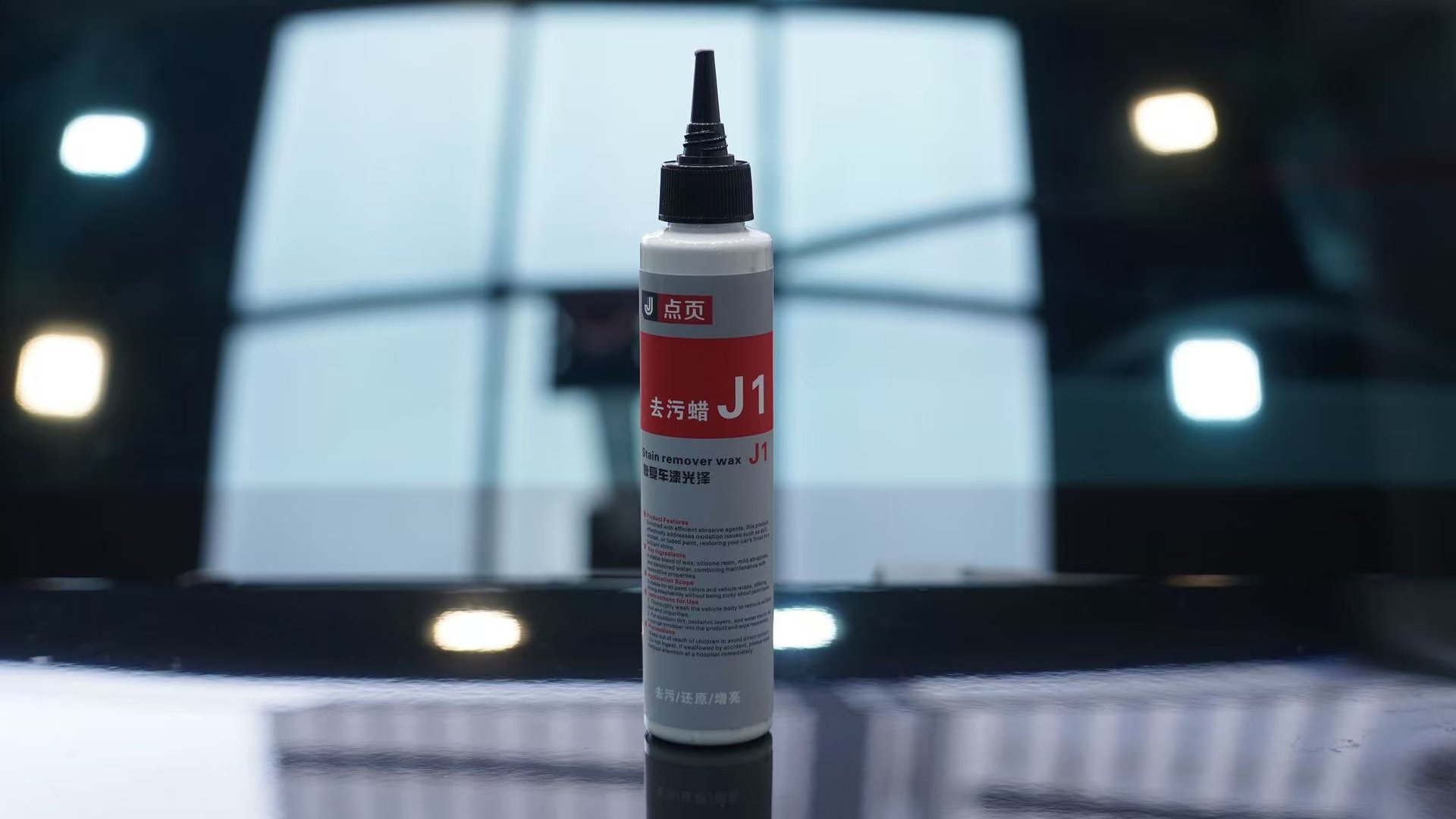
- Use J1 3-in-1 Cleaning Wax for cleaning, shining, and protecting in one step
- Can be applied by hand; rinse with water after application
- Apply every 1-2 months
Advantages:
- Low cost, simple application
- DIY-friendly, enjoy the hands-on experience
- Regular waxing is sufficient for daily protection needs
3.2 Advanced Plan: Ceramic Coating (Best for Those with Budget)
Ideal for: Mid-to-high-end vehicles, owners wanting long-lasting protection
Key facts about ceramic coating:
- ✅ Ceramic coating is not a scam — quality coatings last up to 1 year
- ✅ Core benefits: Enhanced scratch resistance, improved water repellency, increased paint brightness
- ✅ Paint must be polished before coating! Only a polished surface allows the coating to perform at its best
- ❌ Coating without polishing = coating over defects, greatly reducing effectiveness
Application Tips:
- New cars only need ultra-light mirror finishing before ceramic coating
- Choose reputable shops; avoid inferior products
- Avoid rain exposure for 24 hours; avoid washing for 7 days after application
3.3 Premium Plan: Paint Protection Film (Ultimate Protection)
Ideal for: Luxury vehicles, long-term ownership plans, poor parking environments
Advantages:
- Physical protection against scratches and scrapes
- Protection lasts 5-10 years
- Preserves paint condition for higher resale value
Notes:
- Choose TPU material to avoid PVC yellowing issues
- Installer skill matters more than the product itself
- Regularly inspect edges for lifting after installation
IV. Care Differences by Paint Type
4.1 Japanese Vehicles (Soft Paint)
Characteristics: Softer paint, more prone to swirl marks and micro-scratches
Care Focus:
- Use two-bucket wash method to avoid scratches
- Increase waxing frequency
- Ceramic coating provides greater benefit by effectively increasing paint surface hardness
4.2 German Vehicles (Hard Paint)
Characteristics: Harder paint, better scratch resistance but more prone to orange peel
Care Focus:
- Can reduce care frequency
- Focus on maintaining gloss
- Orange peel can be improved through fine polishing
4.3 Special Color Paints
- White/Pearl White: Focus on preventing oxidation and yellowing; use cleaning wax regularly
- Black/Dark Colors: Focus on preventing swirl marks; extra care during washing and maintenance
- Metallic/Pearl Paint: Same care as standard paint, no special treatment needed
V. Common New Car Paint Care Misconceptions
5.1 Myth: New Cars Don’t Need Care
Many think new car paint is fine and can wait a year or more before care.
Reality: New car paint begins aging the moment it leaves the factory. UV rays, acid rain, bird droppings, and tree sap attack the paint daily. Early care is prevention; later care is restoration. Prevention is always more important than restoration.
5.2 Myth: The More Expensive, the Better
PPF and ceramic coatings costing thousands aren’t right for everyone.
Correct View: Choose based on vehicle type, expected ownership duration, and parking environment. A budget commuter car with regular waxing is perfectly adequate; a luxury vehicle benefits more from ceramic coating or PPF.
5.3 Myth: More Frequent Care Is Better
Some owners over-care with monthly ceramic coatings or weekly waxing.
Caution: Over-care can actually damage paint. Especially products requiring polishing — frequent application removes clear coat. Follow the product’s recommended protection cycle.
5.4 Myth: New Cars Must Be Heavily Polished Before Ceramic Coating
Many shops claim new cars need a full polish before coating.
Correct Approach: New cars only need ultra-light mirror finishing to remove transport-induced micro-scratches and oxidation, providing a perfect base for the ceramic coating. Heavy polishing is absolutely unnecessary.
VI. DIY Care Practical Guide
6.1 Required Tools
- Car wash soap, wash mitt, two buckets (two-bucket method)
- Detailing brushes, drying towel
- J1 3-in-1 Cleaning Wax
- Applicator pad, removal towel
6.2 Step-by-Step Instructions
Step 1: Thorough Cleaning
- Wash the car using the two-bucket method
- Focus on wheel arches, door handles, and other hard-to-reach areas
- Use a clean, soft drying towel to avoid scratches
Step 2: Paint Inspection
- Run your hand over the paint to feel for smoothness
- If rough, oxidation is present — treat with cleaning wax
Step 3: Wax Application
- Apply a moderate amount of J1 3-in-1 Cleaning Wax to the applicator pad
- Apply in circular motions, working in 30×30cm sections
- No waiting needed — immediately remove with a clean towel
Step 4: Final Inspection
- Check for missed edges and corners
- Use a detail brush to remove residual wax from seams
VII. Summary & Recommendations
7.1 Care Plan Selection Matrix
| Vehicle Price | Planned Ownership | Parking | Recommended Plan | Annual Budget |
|---|---|---|---|---|
| Under $20K | <3 years | Any | Regular waxing | $30-70 |
| $20K-$40K | 3-5 years | Garage | Annual ceramic coating | $140-280 |
| Over $40K | >5 years | Outdoor | PPF | $700-2,100 |
7.2 Three Tips for Beginners
- Start simple: Try waxing first, then move to more complex treatments once you’ve mastered the basics
- Tools matter: Good tools are more important than products — poor-quality towels and pads are the main source of scratches
- Stay consistent: Paint care is a long-term commitment; regular maintenance beats occasional expensive treatments
New car paint is like human skin — early care keeps it looking great for years. This guide aims to help you build a scientific approach to paint care, keeping your vehicle looking as good as new.
Final reminder: If you’re unsure which care plan suits your vehicle, feel free to share your car model, color, and parking situation for personalized advice.
Written by DianYe Auto Technology technical team. Please credit the source when republishing.