
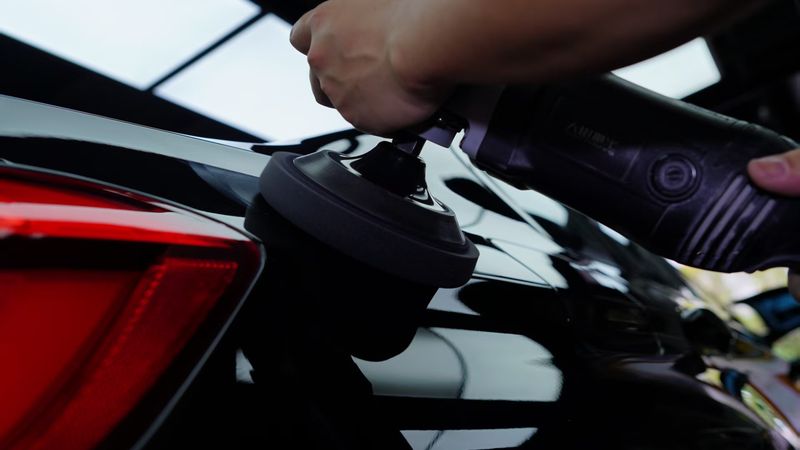
With the continuous growth in car ownership, paint care has become an important topic for car owners. “How often should I polish?” “Does my car need polishing now?” — These questions trouble countless car owners. In reality, there is no fixed schedule for polishing — the key lies in the actual paint condition and driving environment. Today, we’ll explain from a professional perspective how to determine the right time for polishing and how to develop a scientific care cycle.
I. Breaking the Myth: Polishing Is Not “Routine Maintenance” — It’s a “Restoration Process”
Many car owners mistakenly believe polishing is a mandatory periodic maintenance item. It is not. The essence of car polishing is the physical abrasion using compounds to remove the oxidized layer and micro-scratches from the paint surface — essentially “resurfacing” the clear coat. Factory clear coat thickness is only 40-60 microns, and each professional polish removes 2-3 microns. Excessive polishing will progressively thin the protective layer, eventually causing the paint to lose gloss, yellow, or even crack.
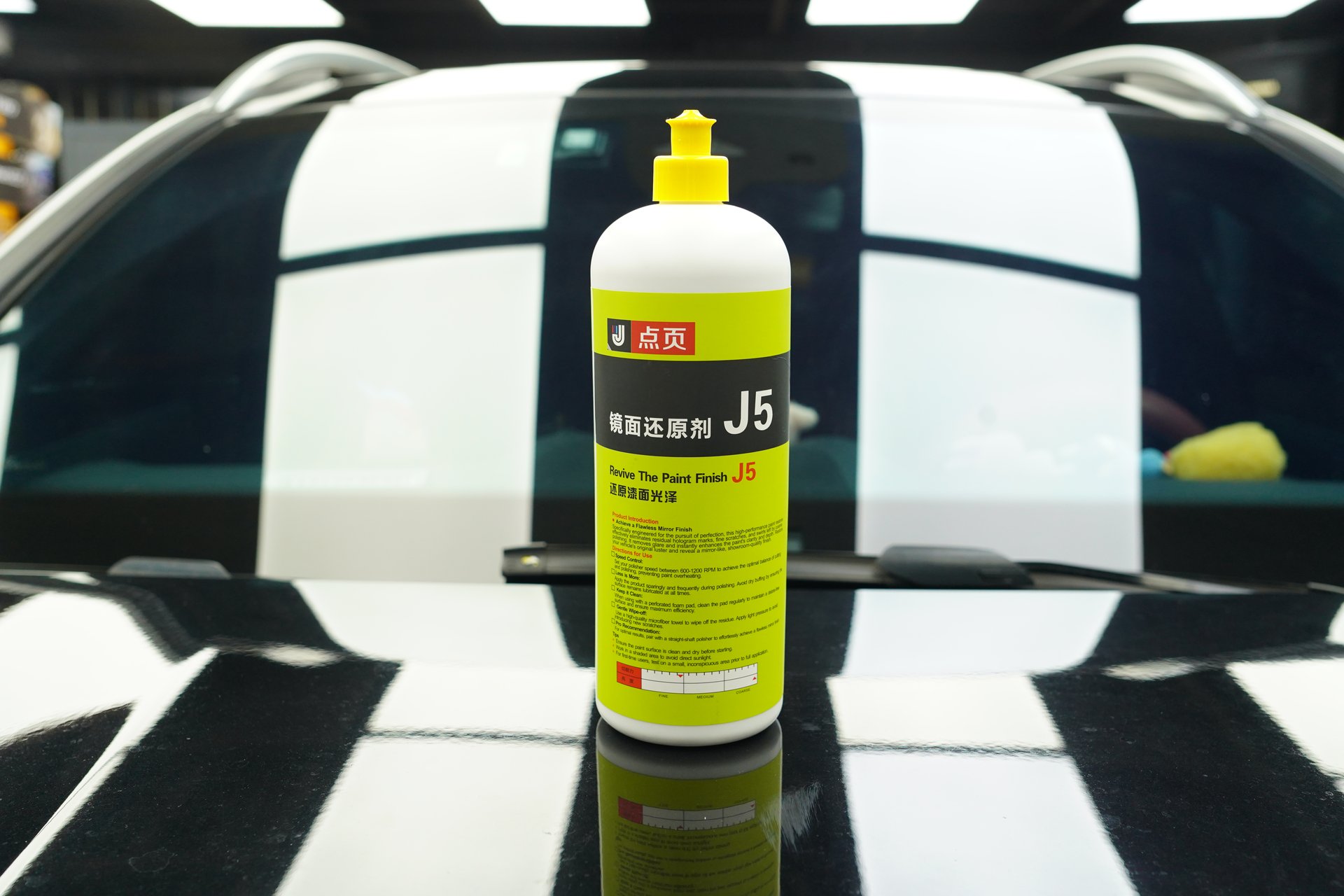
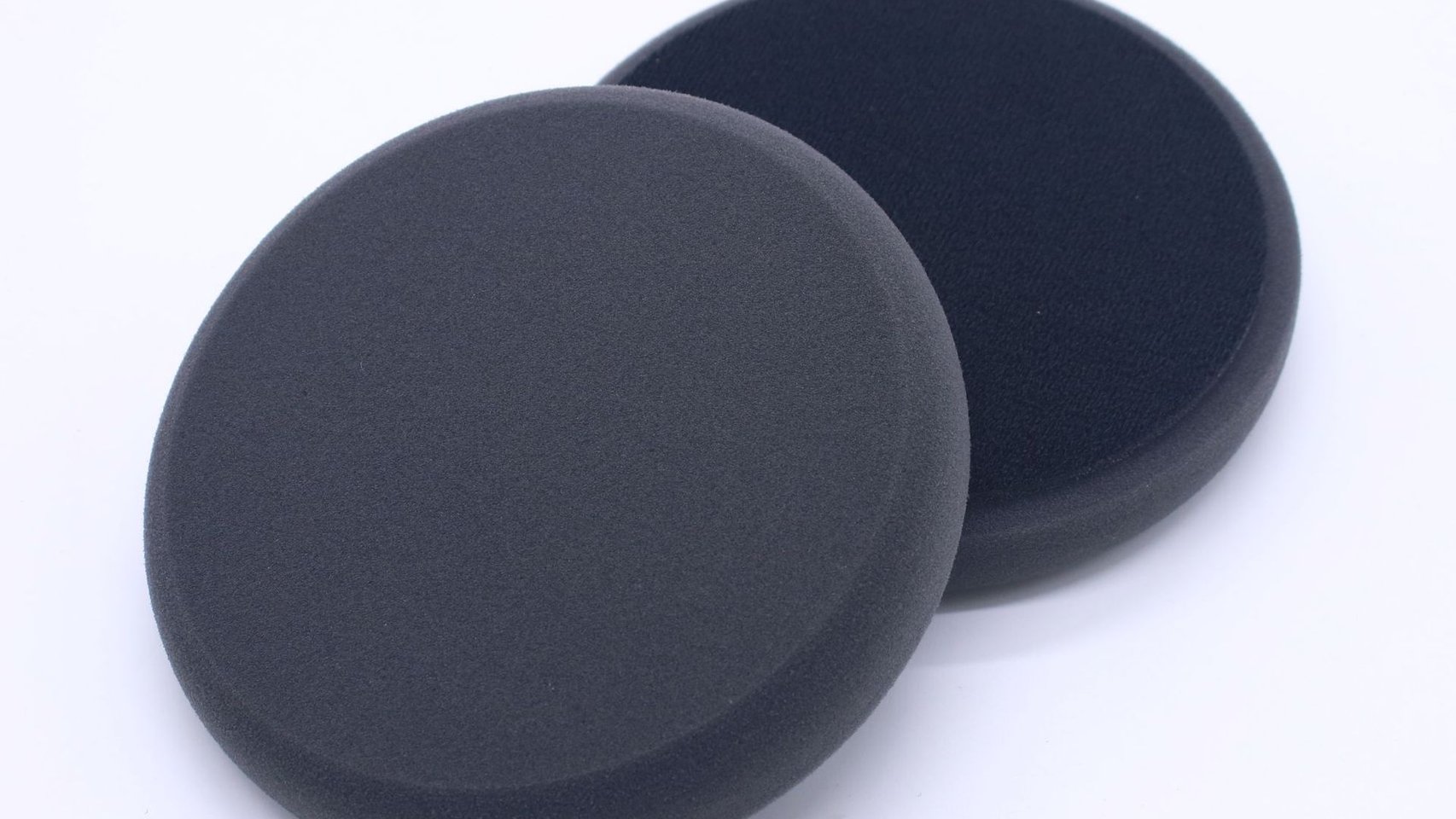
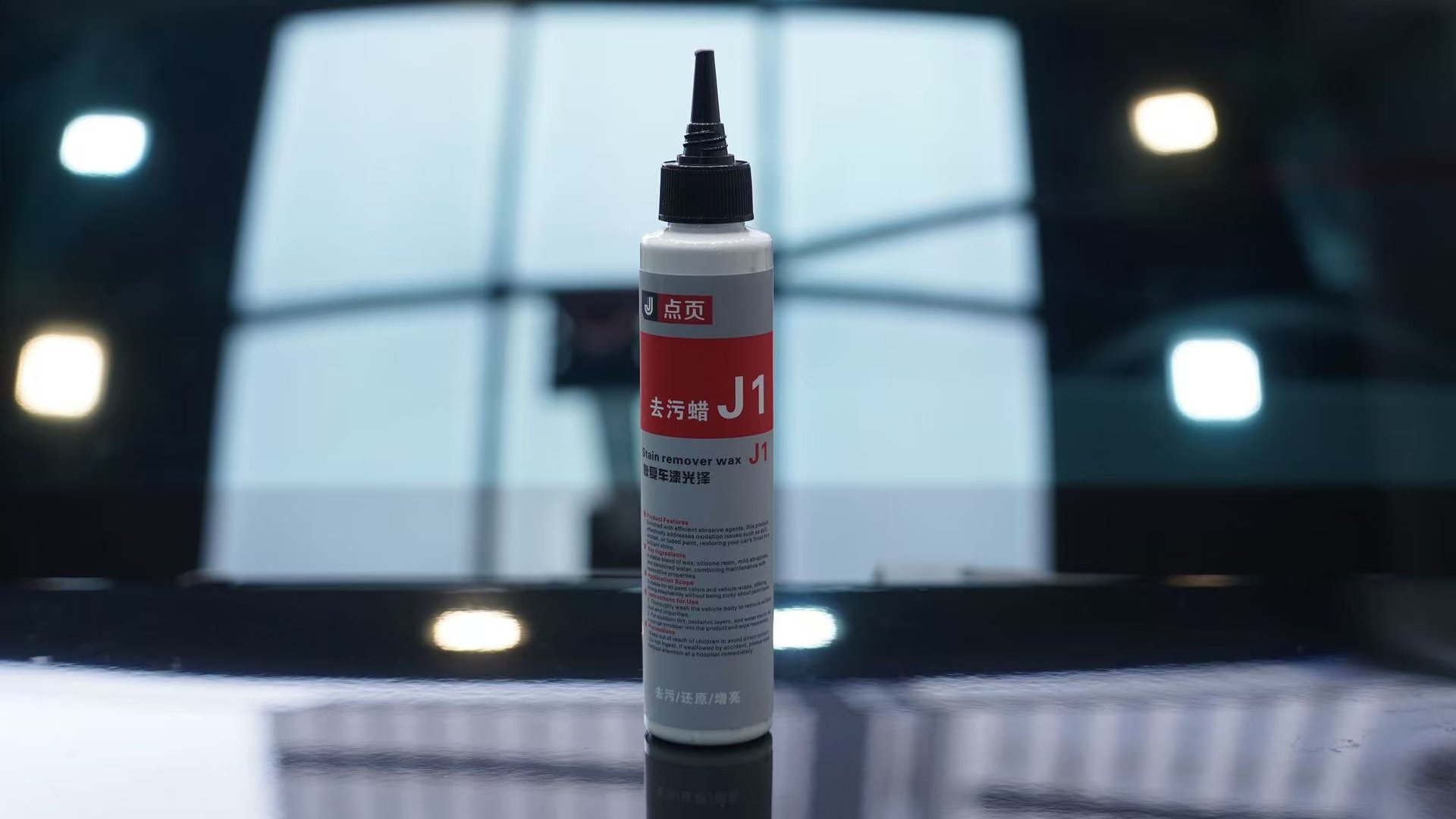
According to the latest 2026 survey by the China Auto Detailing Industry Association, approximately 78% of car owners suffer from over-polishing or untimely polishing, with 30% of new car owners performing unnecessary polishing in the first year. Even more concerning, complaints about paint damage from improper polishing have surged 40% year-over-year.
II. Five Signals: Precisely Determine When to Polish
Professional polishing timing is determined by paint condition, not vehicle age. The International Auto Detailing Association (IADA) recommends the “Three Looks, One Touch” method for self-inspection:
1. Water Beading Test
Spray water on the hood. If the water spreads into a flat sheet rather than forming beads, the hydrophobic surface layer has lost over 90% of its effectiveness. This is the most accurate indicator — three times more reliable than visual inspection. On quality paint, water bead contact angle should exceed 90°, causing beads to roll off quickly without leaving marks.
2. Swirl Mark Detection
Under LED high-intensity light (a professional 365nm wavelength inspection lamp is recommended), if the paint shows dense concentric micro-marks, this indicates the first stage of clear coat aging. Spiral marks from automated car wash brushes have become the primary cause of paint damage in 2026.
3. Oxidation Spot Detection
Especially common on black and red paint, appearing as hazy white spots. Quick test: Lightly scratch the oxidized area with your fingernail — if it leaves a white mark, it’s true oxidation. After the 2025 sandstorm season in northern China, approximately 27% of vehicles exhibited this problem.
4. Rough Paint Surface Texture
After washing your hands, gently glide your palm across the paint. If it feels rough or granular, the paint has accumulated industrial fallout, iron particles, and other contaminants that simple washing cannot remove. In this case, start with a deep paint cleaning. If no improvement, then consider polishing.
5. Noticeable Gloss Reduction
Observe your car’s reflections in sunlight. If reflections appear blurry with jagged edges, the paint’s surface flatness has been compromised. At this point, using DianYe J2 Mirror Glaze Restorer with a DA polisher can effectively restore the mirror finish.
III. Scientific Care Cycles: Differentiated Plans for Different Scenarios
Polishing intervals are not fixed — they must be evaluated based on driving environment, parking conditions, vehicle color, and other factors. Below is our reference plan based on 2026 industry standards:
1. Coastal City Owners
- Must-do: Quarterly paint de-salting treatment
- Polishing interval: 18-24 months
- Special attention: Chassis seams are prone to electrochemical corrosion; regular inspection recommended
- Recommended product: DianYe J5 Nano Ceramic Coating for salt-fog-resistant protection
2. Northern Winter Driving
- Road salt corrosion peak: November through March
- Polishing interval: 15-20 months
- Protection focus: Wheel arches and lower panels where road salt accumulates
- Recommended product: DianYe J1 Water-Repellent Shine Wax, apply after each wash
3. High-Altitude High-UV Regions
- UV intensity: 2-3x that of lowland areas
- Polishing interval: 12-18 months
- Protection focus: Roof, hood, and other horizontal surfaces
- Recommended product: DianYe J2 with high-UV protection agent
4. Garage-Parked + Urban Commute
- Optimal environment: Slowest paint aging
- Polishing interval: 24-36 months
- Routine care: Wax every 3 months
IV. Professional Polishing Process: Safe and Effective Paint Restoration
To minimize polishing damage, DianYe Auto strictly follows the “minimal-invasive polishing” standard process:
Step 1: Paint Thickness Measurement
Using a professional paint thickness gauge to precisely measure each panel’s paint thickness, recording baseline data to ensure remaining thickness stays above safe levels after polishing.
Step 2: Problem Area Marking
Using 3D scanning technology to mark areas requiring focused treatment — scratches, oxidation, swirl marks — for precision work.
Step 3: Graded Polishing
Based on paint condition, select pads and compounds of appropriate cutting levels:
- Light issues: DianYe J2 Mirror Glaze Restorer + black foam pad
- Moderate issues: DianYe J2 + white foam pad
- Severe issues: Yellow foam pad for cutting first, then J2 for mirror finishing
Step 4: Final Protection
Immediately after polishing, apply DianYe J5 Nano Ceramic Coating or J1 Water-Repellent Shine Wax to seal and protect against rapid oxidation.
V. Extending Paint Life: 5 Habits More Important Than Polishing
Rather than worrying about “how many years until I need polishing,” focus on daily care to reduce polishing frequency — each polish skipped adds 2-3 years to paint life.
1. Monthly Basic Cleaning
Many people wash only the car body but neglect window seams, door handle recesses, and other dirt traps. The correct approach: Once a month during washing, use a soft brush with pH-neutral soap to clean window seams, door handles, and trunk seals, then rinse thoroughly.
2. Wax Every 3 Months
Waxing is the most cost-effective paint care method. In 2026, the main wax types are: paste wax (for outdoor parking), liquid wax (for urban commuting), and nano-restoration wax (for light swirl marks). DianYe J1 Water-Repellent Shine Wax is an ideal daily care product.
3. Choose Parking Spots Wisely
Don’t park under deciduous trees (decomposing leaves produce acidic substances). Don’t park under A/C unit outlets (condensate contains fluorides). Best outdoor parking: near street lights, or in open areas.
4. Address Small Scratches Promptly
When you find small scratches (fingernail-sized, not catching your nail), don’t wait for the next polish — treat immediately with a scratch repair pen and wax. Tests show that treating scratches within 48 hours reduces the probability of subsequent oxidation by 70%.
5. Deep Paint Cleaning Every 2 Years
If the paint has mild oxidation (slightly rough to touch but not sandpaper-level), a “deep paint cleaning” can substitute for polishing — use iron fallout remover + clay mitt to remove bonded iron particles and industrial fallout. Much gentler than polishing with no clear coat removal.
Conclusion
With the implementation of the 2026 Motor Vehicle Detailing Service Standards, over-polishing has been listed as a consumer rights violation. Remember: Paint health is like skin care — prevention is always better than treatment. Next time someone recommends polishing, pull out your phone and run through the diagnostic criteria in this article.
Scientific care keeps your vehicle looking its best for years. Choose DianYe Professional Auto Detailing — we use expert techniques and premium products to protect your paint’s health.