
I. Are Swirl Marks on New Cars Normal?
After picking up a new car, many owners examine the paint carefully in sunlight and discover numerous fine hair-like scratches on the surface — what we commonly call “swirl marks.” Many immediately worry they’ve received a transport-damaged or used vehicle. In reality, over 90% of new cars with light swirl marks are completely normal.
1.1 Why Do New Cars Have Swirl Marks?
New car swirl marks mainly come from these stages:
- Transport: During shipment from factory to dealership, high-speed wind carries sand and dust particles that continuously impact the paint, creating very fine scratches
- Dealership cleaning: After arrival, sales staff often wipe the car with ordinary cloths and tap water — the primary cause of swirl marks
- Pre-delivery preparation: Many dealerships do basic “detailing” before delivery using inferior wax and improper polishing, which can worsen swirl marks
- Factory paint process: Even factory paint has microscopic surface irregularities from the painting and baking process, which appear as swirl-mark-like effects under strong light
1.2 When Should You Be Concerned?
Not all new car swirl marks are normal. Watch for these warning signs:
- Swirl marks are very deep, clearly visible without close inspection in normal light
- Localized polishing marks and hologm rings are present
- Noticeable brightness and texture differences across the same panel
- Obvious sanding marks at door handles, fuel cap, and other edges
These may indicate the vehicle was damaged during transport or storage and received localized paint correction at the dealership. In such cases, request an explanation and compensation.
II. Swirl Mark Severity Grading
Based on severity, swirl marks fall into three levels with completely different treatment approaches:
2.1 Level 1: Light Swirl Marks
- Characteristics: Only visible at specific angles under strong light; completely imperceptible to touch
- Impact: Virtually no actual damage; purely cosmetic
- Common on: 90% of new car swirl marks fall into this category
2.2 Level 2: Moderate Swirl Marks
- Characteristics: Visible in normal light; very fine texture detectable by touch
- Impact: Reduces gloss and reflectivity; makes paint look dull
- Common on: 1-2 year old vehicles, or cars frequently washed at roadside shops
2.3 Level 3: Heavy Swirl Marks + Hologms
- Characteristics: Very visible in any lighting; accompanied by hologm rings from polishing
- Impact: Seriously affects appearance; indicates over-polishing and thinned clear coat
- Common on: Vehicles with multiple improper polishing sessions, or those treated with inferior compounds
III. Solutions by Severity Level
3.1 Light Swirl Marks: No Polishing Needed!
Many owners rush to polish at the first sight of swirl marks — this is completely wrong. Light swirl marks absolutely do not require polishing. Use these methods instead:
-
Professional decontamination + quality wax/coating Perform a thorough paint decontamination to remove oxidation and impurities, then apply a high-quality wax or ceramic coating. The wax’s filling effect will fill the micro-scratches, and after gloss enhancement, swirl marks visually disappear by over 90%.
-
Nano-ceramic coating For perfectionists, a nano-ceramic coating offers better filling than wax and lasts longer — typically 1-2 years.
-
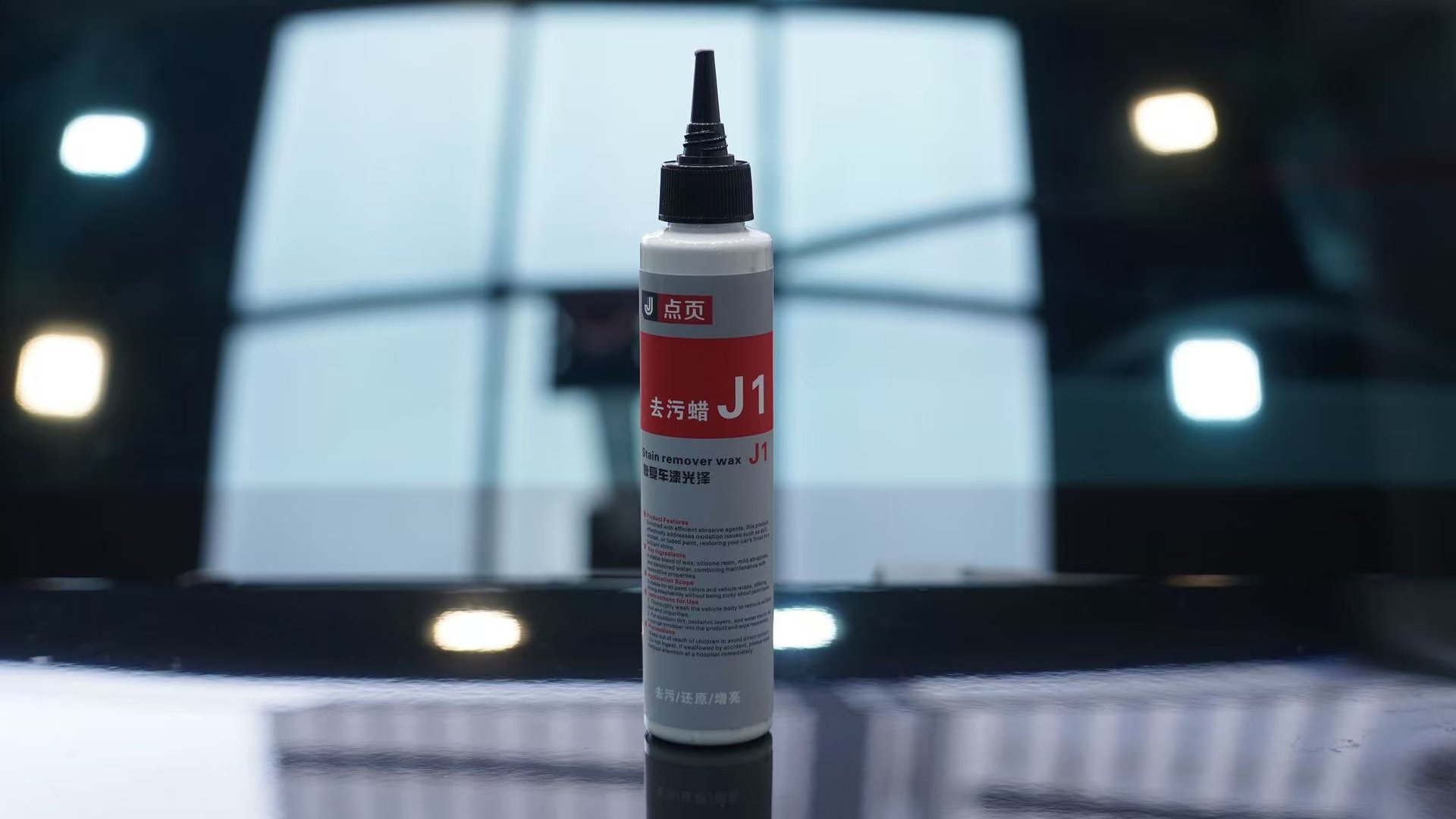
What NOT to do ❌ Don’t use cutting compounds or coarse wax: They remove clear coat and make swirl marks worse ❌ Don’t polish casually: Each full-car polish removes 1-2 microns of clear coat. Factory clear coat is only 40-60 microns — it can’t withstand many polishes ❌ Don’t use scratch remover wax: Scratch wax is essentially a very fine abrasive; overuse damages the paint
3.2 Moderate Swirl Marks: Fine Finishing
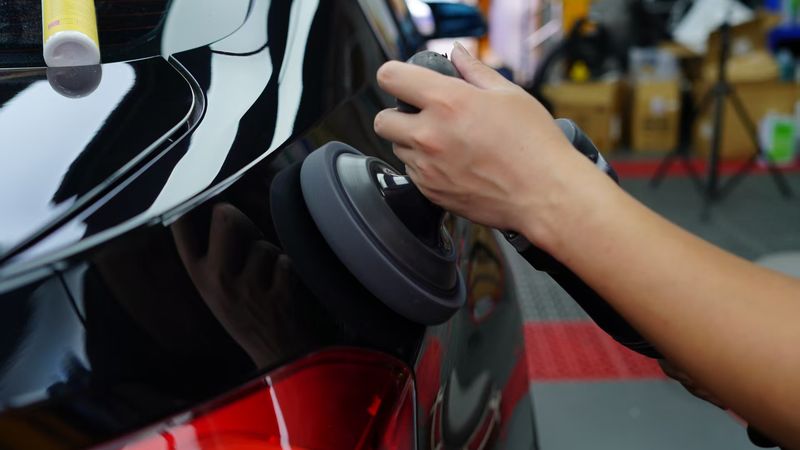
If swirl marks are already noticeable and affecting gloss, perform a fine mirror restoration:
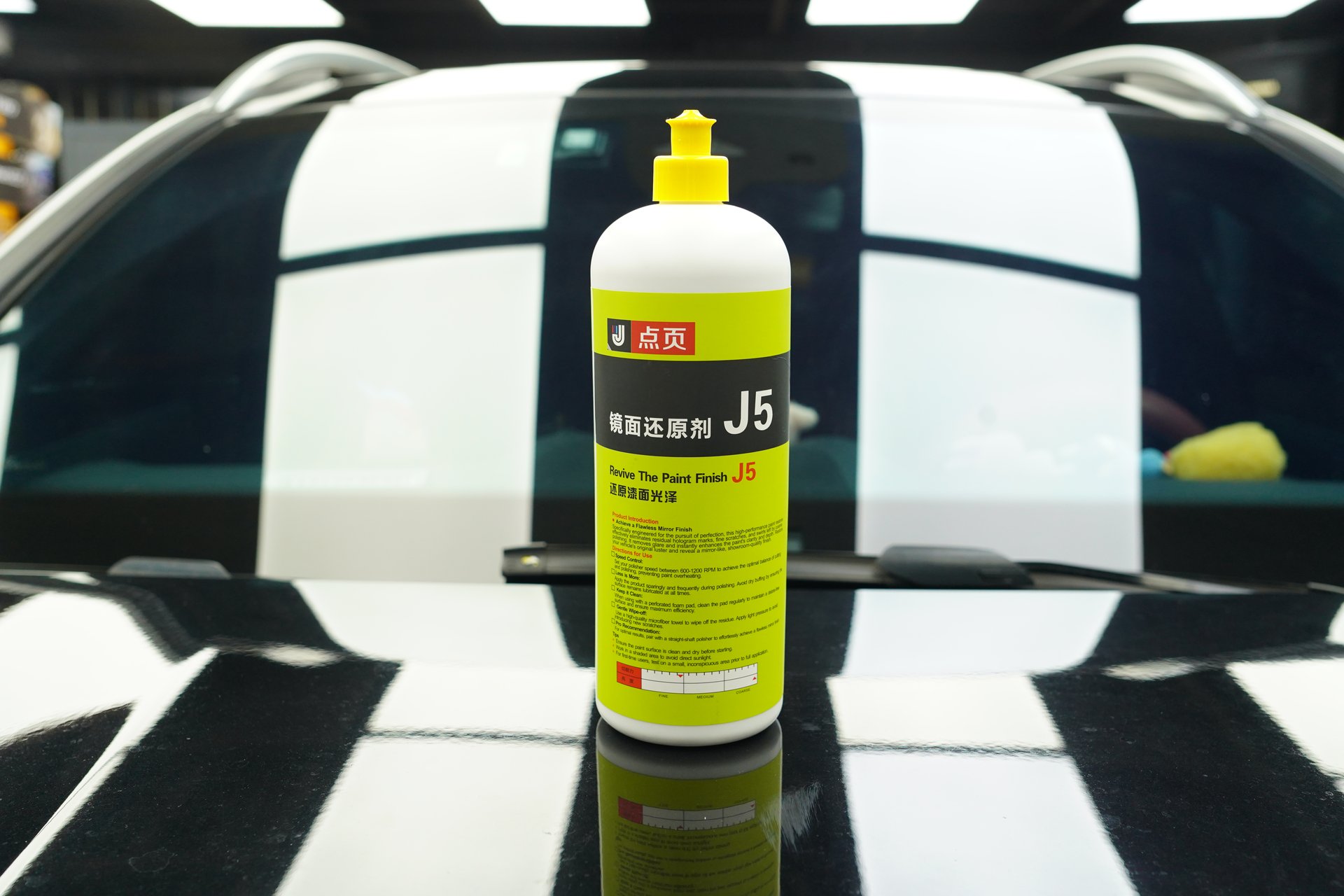
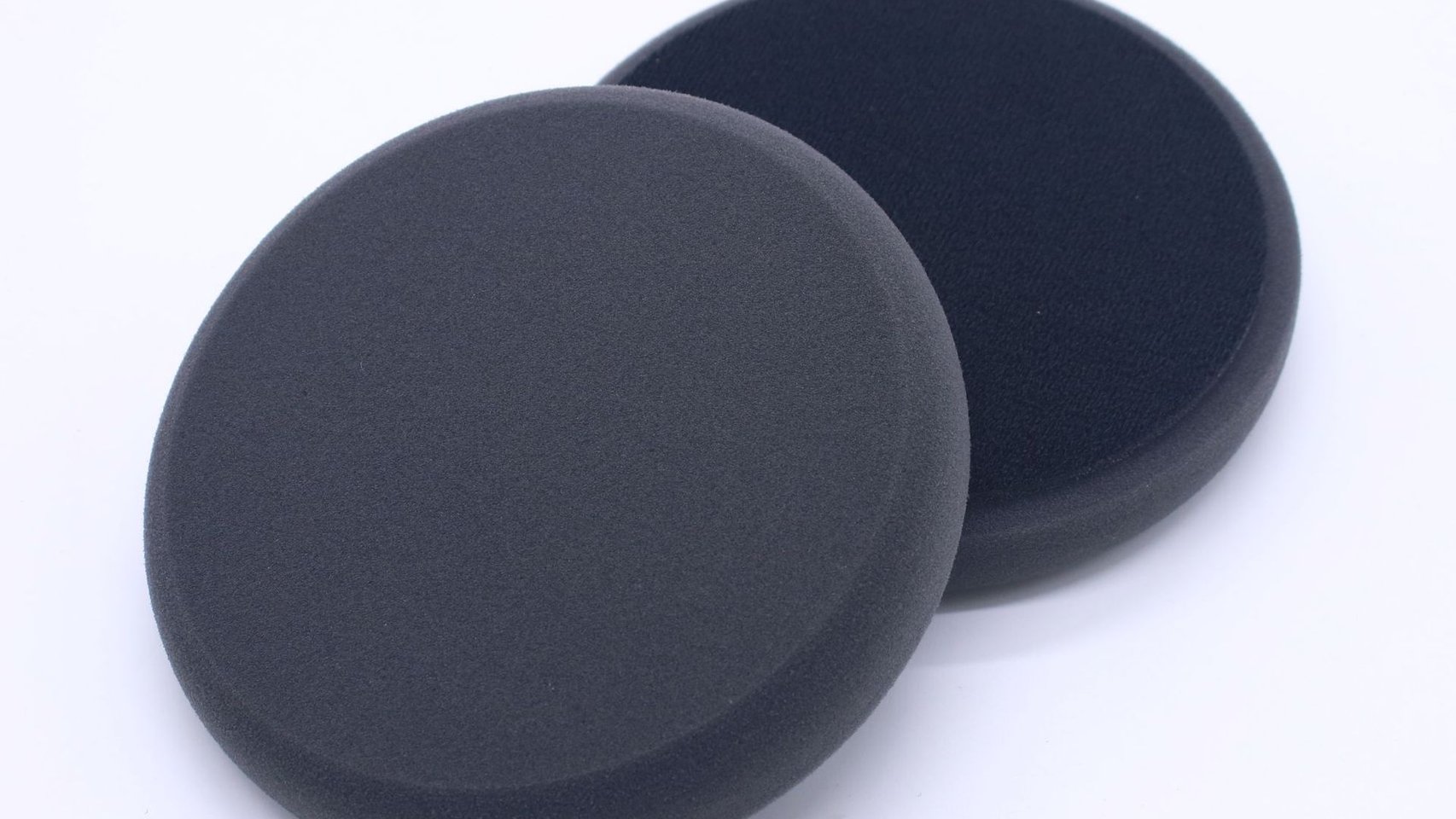
- Product choice: J5 Mirror Glaze Restorer + fine foam pad
- Speed control: DA polisher at 600-800 RPM, moderate pressure
- Technique: 2-3 passes per area; don’t overwork
- After completion, always decontaminate, then wax or apply ceramic coating
This method barely removes any clear coat while effectively resolving moderate swirl marks — the best value approach.
3.3 Heavy Swirl Marks + Hologms: Two-Stage Polishing
For severe swirl marks and hologm rings, two-stage polishing is required:
- Stage 1: Cutting Correction Medium-firm foam pad + J2 Water-Based Polishing Wax, DA at 1200-1500 RPM, remove deep scratches and hologms
- Stage 2: Mirror Finishing Fresh fine foam pad + J5 Mirror Glaze Restorer, 800 RPM, restore mirror finish
Note: This level of polishing should be done by a professional — attempting it yourself risks burning through the clear coat. Full-car polishing at this level should ideally not exceed 3 times in a vehicle’s lifetime.
IV. Swirl Mark Prevention
Once formed, swirl marks cannot be completely eliminated — only reduced. Prevention is always more important than repair:
4.1 Proper Washing Is Key
90% of swirl marks come from washing! The correct method:
- Two-bucket wash method: One bucket for rinsing dirt, one for wash solution
- Use a quality lambswool wash mitt — never sponges or ordinary cloths
- Rinse off all dirt first, then wash with soap — never dry-wipe
- Dry with a dedicated water-absorbing towel — never ordinary towels or chamois
4.2 Avoid Improper Practices
- Don’t get random polishing/waxing at roadside shops
- Don’t use automated car wash brushes — they’re worse than sandpaper
- Don’t buy random scratch-removal or repair waxes — most are just abrasives
- Park in a garage when possible to reduce sun and sand exposure
4.3 Regular Maintenance
- Apply quality wax every 2-3 months, or get ceramic coating/PPF for a protective layer
- Annual professional paint inspection for early detection and treatment
- Don’t wait until swirl marks are severe — the earlier you address them, the better the results and less paint damage
V. Common Misconceptions
Myth 1: Swirl marks mean poor paint quality
Wrong! Whether it’s a $15K car or a $150K car, all develop swirl marks — they’re just more visible on dark colors. Swirl marks have nothing to do with paint quality; they’re mainly about environment and cleaning methods.
Myth 2: Ceramic coating/PPF completely prevents swirl marks
Wrong! They significantly reduce swirl mark formation but cannot prevent them entirely. Even with PPF, improper washing will cause swirl marks on the film surface.
Myth 3: New cars must be polished before ceramic coating
Wrong! 90% of new cars don’t need polishing at all — just decontaminate and coat directly. Polishing a new car wastes a layer of factory clear coat — very wasteful.
Myth 4: Swirl marks keep getting deeper
Wrong! With proper washing and maintenance, swirl marks won’t worsen noticeably. Many 5-year-old cars have similar swirl marks to when they were new — because of proper care.
VI. Summary
Light swirl marks on new cars are completely normal — no need for excessive worry or random polishing.
The correct approach:
- Light: Wax/ceramic coating for visual elimination
- Moderate: J5 mirror restoration, barely damages paint
- Severe: Two-stage polishing by a professional
Most important is proper daily washing and maintenance to prevent swirl marks. After all, factory paint is the most valuable — don’t polish unless absolutely necessary.