
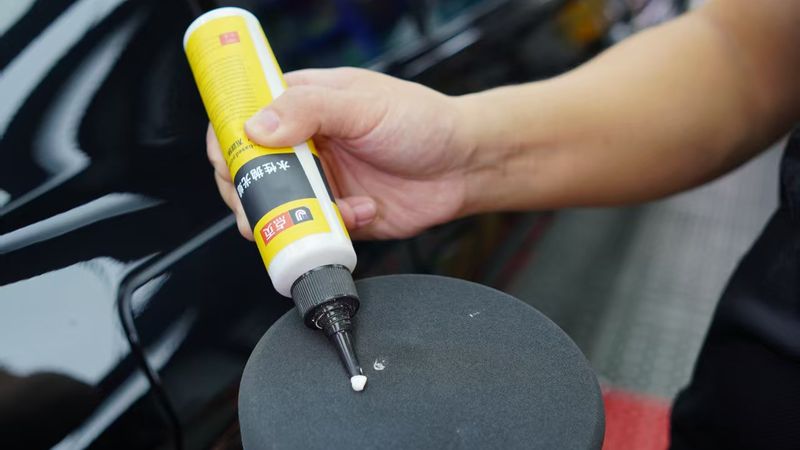
The polishing pad is an indispensable intermediary tool in the car polishing process. It sits between the polisher and the paint surface, responsible for transmitting the compound’s effectiveness to the paint. Choosing the right polishing pad is just as important as choosing the right polisher. This article provides a comprehensive introduction to the characteristics, selection methods, and usage tips of various polishing pads to help you make the optimal choice.
I. Polishing Pad Fundamentals
1.1 Functions of a Polishing Pad
The polishing pad serves multiple functions during polishing:
- Carries compound: Distributes an appropriate amount of compound evenly across the paint
- Transmits mechanical force: Converts the polisher’s kinetic energy into cutting force on the paint
- Heat dissipation: Helps disperse friction-generated heat
- Cleans the surface: Carries away grinding debris and oxidation layer
The pad’s material, hardness, density, and surface structure all affect these functions.
1.2 Basic Pad Structure
A typical polishing pad consists of:
- Contact layer (working surface): Directly contacts the paint, delivering compound and cutting force
- Middle layer: Provides support and elasticity, maintaining shape stability
- Backing layer (mounting surface): Attaches to the polisher plate, usually with hook-and-loop
- Center hole: Aligns with the polisher spindle for balanced operation
Understanding this structure helps explain the differences between pad types.
II. Pad Materials Explained
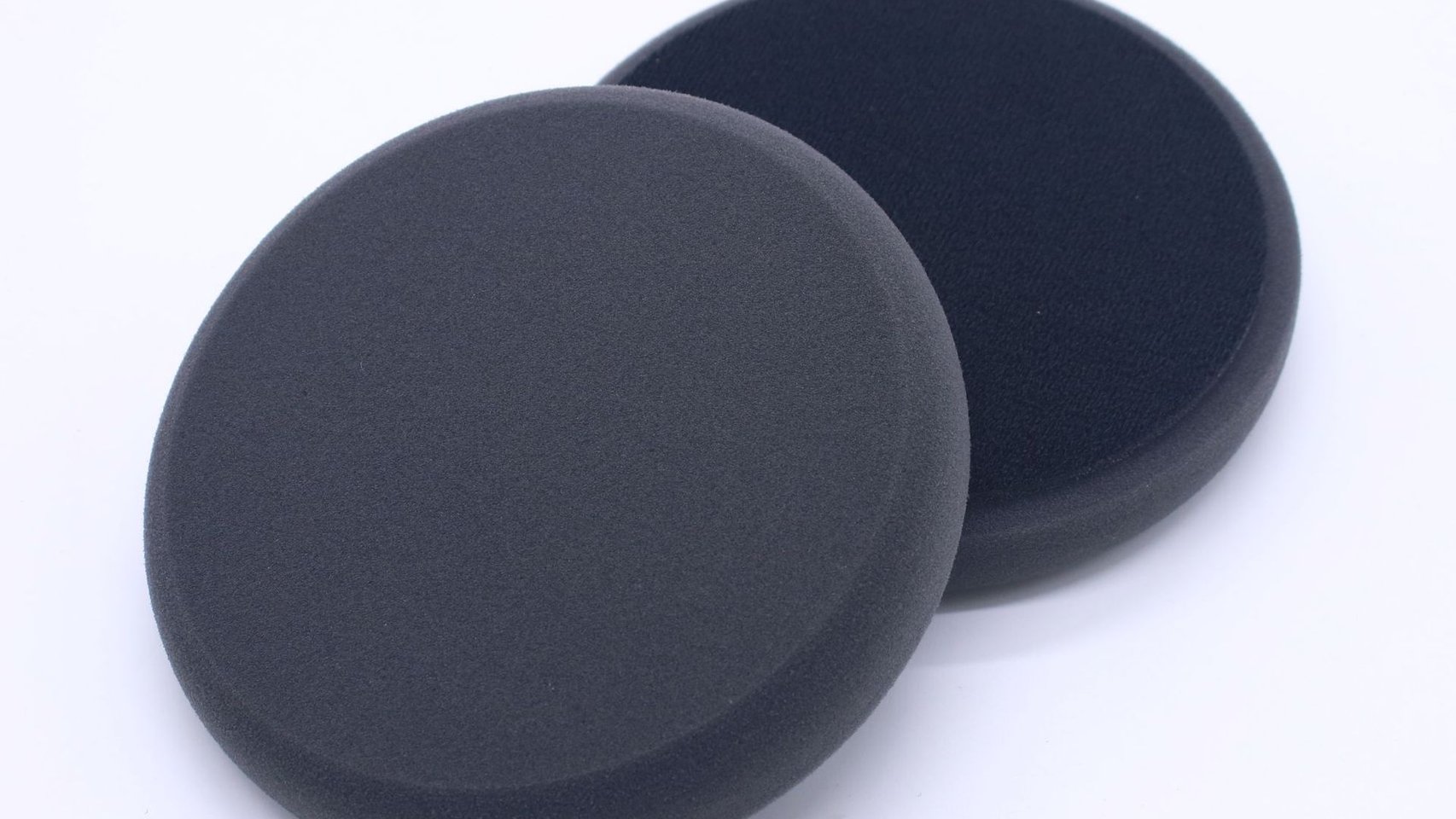
2.1 Foam Pads
Foam pads are the most widely used type, available in multiple varieties based on hardness and structure:
2.1.1 Traditional Open-Cell Foam
- Structure: Open pore structure, soft texture
- Pros: Good lubricity, compound penetrates and releases easily
- Cons: Relatively weak cutting, shorter lifespan
- Best for: Fine polishing, mirror finishing
2.1.2 Open/Closed-Cell Composite Foam
- Structure: Open-cell surface, closed-cell base
- Pros: Balances lubricity and support
- Cons: Slightly higher price
- Best for: Medium cutting, daily care
2.1.3 Specially Treated Foam
- Features: Enhanced wear resistance and cutting through special treatment
- Pros: Long lifespan, stable performance
- Best for: Professional-level work
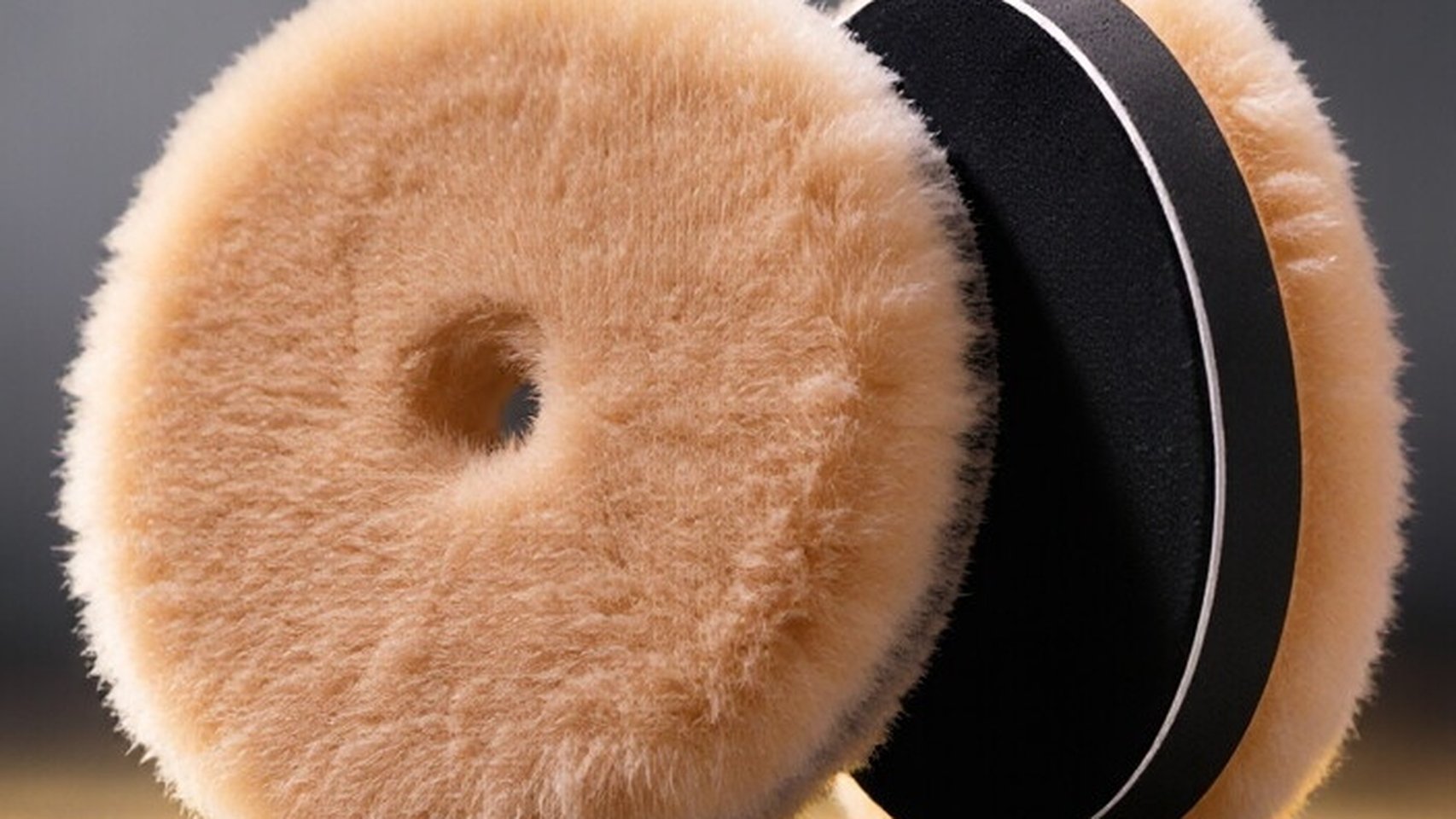
2.2 Wool Pads
Wool pads use natural or synthetic wool fibers:
2.2.1 Natural Wool Pads
- Source: Natural wool
- Features: Fine, soft fibers with moderate elasticity
- Pros: Stronger cutting than foam; good heat dissipation; gentle natural fibers
- Cons: Higher price; requires better maintenance; possible fiber residue
- Best for: Heavy cutting, deep scratch repair
2.2.2 Synthetic Wool Pads
- Source: Synthetic fibers (polyester etc.)
- Features: Mimics natural wool structure
- Pros: Affordable; stable performance; easy to clean
- Cons: Slightly less cutting than natural wool
- Best for: Professional work, daily care
2.3 Microfiber Pads
Microfiber pads are a newer type using ultra-fine fiber fabric:
- Fiber fineness: Typically 0.1-0.5 denier
- Pros: Extremely smooth surface; fine polishing results; easy to clean; reusable; no lint
- Cons: Weak cutting; higher price; strict storage requirements
- Best for: Final mirror finishing, sensitive paint treatment
2.4 Material Comparison
| Material | Cutting | Lubrication Need | Heat Dissipation | Durability | Price | Best For |
|---|---|---|---|---|---|---|
| Soft foam | Low | Low | Average | Average | Low | Fine finishing |
| Medium foam | Medium | Medium | Good | Good | Medium | Daily care, medium cutting |
| Hard foam | Medium-High | High | Good | Good | Med-High | Medium-heavy cutting |
| Synthetic wool | Medium-High | High | Excellent | Excellent | Med-High | Heavy cutting |
| Natural wool | High | High | Excellent | Good | High | Professional heavy work |
| Microfiber | Low | Low | Average | Good | High | Mirror finishing |
III. Pad Hardness Explained
3.1 Hardness Grades
Ultra Soft: Nearly no cutting; for waxing, sealant application, final mirror finishing
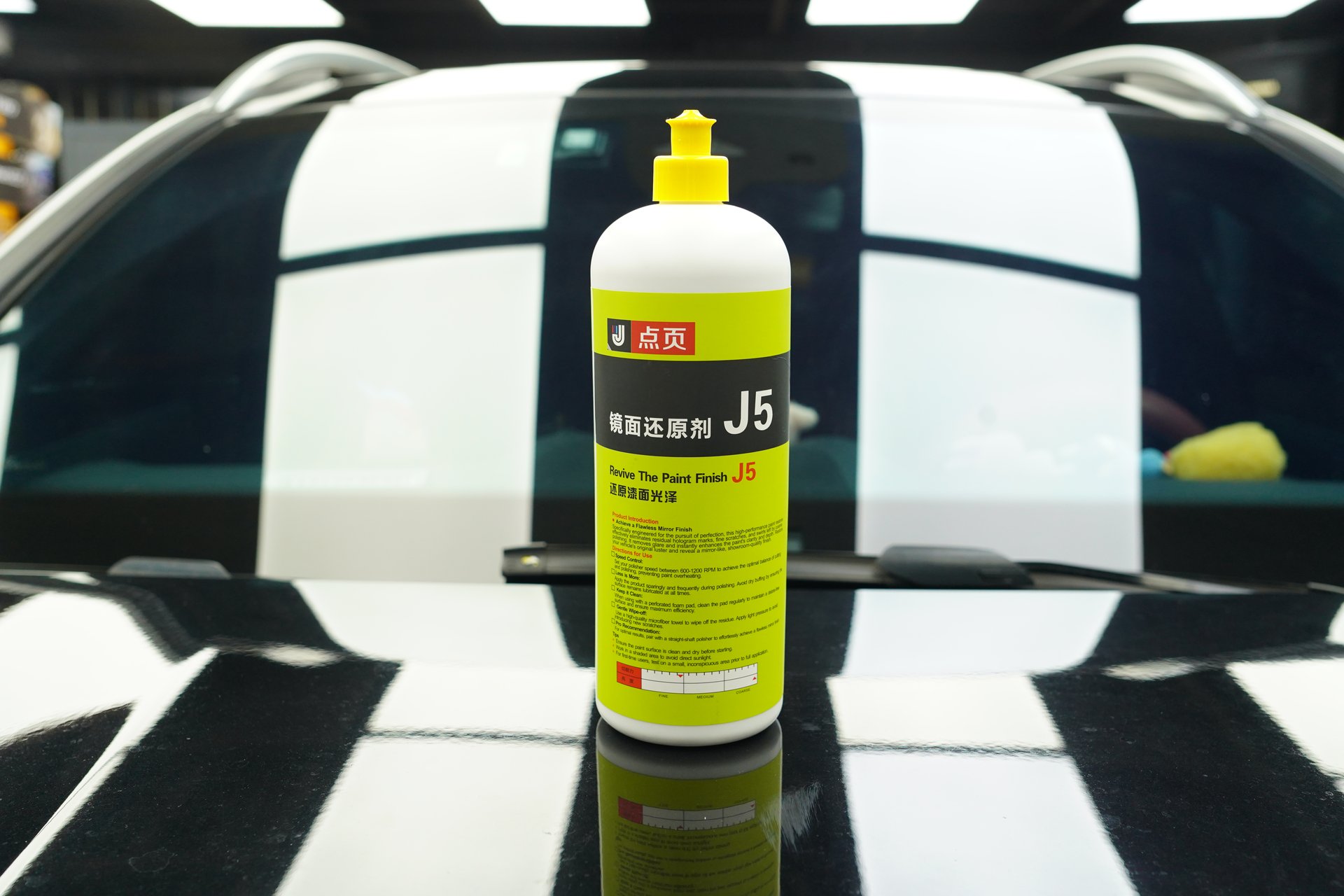
Soft: High flexibility, weak cutting; fine finishing, light swirl removal; J5 Mirror Glaze Restorer works ideally with ultra-soft foam
Medium: Balanced softness/firmness; daily care, light-moderate scratch treatment; the go-to choice for most work
Hard: Good support, strong cutting; medium-heavy cutting, oxidation removal; requires more compound and better technique
Ultra Hard: Pure support, extreme cutting; professional heavy work, deep scratch removal; high risk, requires extensive experience
3.2 Hardness Selection Principles
Consider these factors:
- Paint condition: New/light → soft; moderate scratches → medium; deep scratches → hard
- Polishing stage: Cutting → hard; finishing → soft; final → ultra-soft
- Ambient temperature: Hot → softer pad; cold → can use harder pad
- Equipment type: DA → medium-soft to medium; RO → can use hard with caution
3.3 Hardness & Cutting Correlation
| Hardness | Typical Use | Paired Compound |
|---|---|---|
| Ultra Soft | Waxing, final finishing | Carnauba wax, sealant |
| Soft | Light defect removal, final | J5 Mirror Glaze Restorer |
| Medium | Daily care, light-medium cutting | J2 Water-Based Polishing Wax |
| Hard | Medium-heavy cutting | Heavy compound |
| Ultra Hard | Deep scratch repair | Professional cutting compound |
IV. Pad Sizes Explained
4.1 Common Sizes
- 3 inch (75mm): Detail work, tight areas
- 4 inch (100mm): Spot treatment, small areas
- 5 inch (125mm): Standard size, most versatile
- 6 inch (150mm): Larger areas, high efficiency
- 7 inch (175mm): Large-area rapid work
- 8 inch (200mm): Professional large-area work
4.2 Size Selection Principles
Paint area: Small car/spot → 3-5”; medium car → 5-6”; large car/SUV → 6-8”
Throw matching: 3-5mm throw → 3-4” pad; 8-12mm → 5-6”; 15-21mm → 6-8”
Handling: Complex curves → smaller pads; flat areas → larger pads
4.3 Size vs. Efficiency
| Size | Coverage | Efficiency | Control Difficulty | Best For |
|---|---|---|---|---|
| 3-4” | Low | Slow | Low | Detail work |
| 5-6” | Medium | Medium | Medium | Daily standard |
| 7-8” | High | Fast | High | Large-area rapid |
V. Pad Selection by Polishing Stage
5.1 Cutting Stage
Goal: Remove paint defects (scratches, oxidation). Needs strong cutting.
Recommended: Wool pad or hard foam; hard to ultra-hard; 5-7” based on area; heavy/medium compound. Keep adequate lubrication; monitor paint temperature closely.
5.2 Refining Stage
Between cutting and finishing; removes cutting marks.
Recommended: Medium-hard foam or composite; medium hardness; 5-6”; medium-cut compound.
5.3 Finishing Stage
Goal: Restore gloss, remove refining marks.
Recommended: Soft foam or microfiber; soft to ultra-soft; 5-6”; J5 Mirror Glaze Restorer.
5.4 Final Stage
Enhances ultimate gloss.
Recommended: Ultra-fine microfiber; ultra-soft; 5-6”; glaze or pure wax.
VI. Recommended Pad Configurations
6.1 Daily Care Setup
Scenario: New car care, quarterly maintenance
Recommended: Medium-hard foam pad (5-6”) + J2 Water-Based Polishing Wax. Simple operation, stable results.
6.2 Professional Setup
Scenario: Scratch repair, oxidation removal
Recommended: Wool pad or hard foam for cutting + soft foam for finishing. J2 for medium cutting, then J5 for restoration.
6.3 Ultimate Mirror Setup
Scenario: Professional show-quality work
Recommended: Ultra-fine microfiber or soft wavy foam + J5 Mirror Glaze Restorer. Extreme gloss for display-level results.
VII. Usage Tips
7.1 Installation
- Clean the backing plate
- Align center hole with spindle
- Press vertically for secure attachment
- Check for wobble or looseness
7.2 Pre-Use Preparation
New pad treatment:
- Open-cell foam: Soak in water and squeeze to activate pores
- Wool pad: Brush with dedicated brush to remove loose fibers
- Microfiber: Wash once before first use
7.3 Operating Tips
Compound amount: Too little causes heat/scratches; too much wastes product and reduces cutting. Aim for damp but not dripping.
Pressure control: Cutting stage → moderate pressure; finishing → light pressure; always distribute evenly.
Movement: Steady speed; 50% overlap; never dwell.
7.4 Temperature Control
- Normal: Paint slightly warm, hand can briefly touch
- Warning: Paint too hot to touch — stop immediately
- Danger: Discoloration or smoke — never continue
Cool naturally; avoid rapid cooling with A/C.
VIII. Cleaning & Maintenance
8.1 Post-Use Cleaning
Immediate: Rinse with water; gently squeeze out excess; brush out embedded particles.
Deep cleaning (periodic): Soak 15-30 min in warm water with neutral detergent; gently agitate; rinse thoroughly; air dry in shade.
8.2 Material-Specific Care
Foam: Machine washable (no spin dry); no fabric softener or bleach; dry completely before storage.
Wool: Use dedicated wool pad cleaner; avoid vigorous rubbing; maintain shape during drying.
Microfiber: Hand wash preferred; max 40°C; wash separately; use dedicated microfiber cleaner.
8.3 Storage
- Store completely dry
- Lay flat or hang; avoid compression
- Separate by hardness/material
- Avoid direct sunlight
- Seal in bags to prevent dust
8.4 When to Replace
| Condition | Description |
|---|---|
| Material hardened | Foam lost elasticity |
| Surface shedding | Flaking or delamination |
| Severe deformation | Cannot restore original shape |
| Abnormal odor | Moldy or strange smell |
| Cutting noticeably reduced | Even with fresh compound, poor results |
IX. FAQ
9.1 Foam vs. Wool — Which Is Better?
Depends on the use case. Wool offers stronger cutting and better heat dissipation for heavy work; foam is safer with higher forgiveness for daily use. For most users, medium-hard foam is the better starting point.
9.2 Can Old Pads Be Reused?
Yes, as long as there’s no significant damage and elasticity is maintained after cleaning. Note that cutting power may decrease; adjust parameters accordingly.
9.3 Why Does the Pad Shed?
Usually caused by: quality issues (choose quality products); wrong compound (avoid strong solvents); overheating (control temperature); aging (replace the pad).
9.4 How to Tell If a Pad Is Clean?
Visual check for residue; tactile check for smoothness; smell check for odor; test on an inconspicuous area.
9.5 What Do Different Pad Colors Mean?
Color coding varies by brand, but typically:
- Yellow: Soft/finishing
- Blue: Medium/versatile
- Orange: Medium-hard/cutting
- White: Ultra-soft/final finishing
- Black: Hardest/heavy cutting
Check your specific brand’s guide.
9.6 Can Multiple Pads Be Used in One Session?
Yes — in fact, you should change pads for different stages. Use wool/hard foam for cutting, then switch to soft foam for finishing. Don’t try to do everything with one pad.
X. Summary
Though small, the polishing pad plays a critical role in auto polishing. Choosing the right pad requires considering material, hardness, size, and other factors.
For daily care, medium-hard foam pads paired with J2 Water-Based Polishing Wax is the most practical and economical choice. For higher-end work, wool pads with J5 Mirror Glaze Restorer deliver fine finishing results.
Key takeaways:
- Material determines basic properties: Foam = safe; wool = efficient; microfiber = fine
- Hardness affects cutting: From soft to hard, cutting increases
- Size affects efficiency: Large pads for big areas; small pads for details
- Proper use and maintenance significantly extends pad life
We hope this article helps you better understand and choose polishing pads, advancing your auto detailing skills. A good pad paired with the right compound will make your vehicle’s paint shine brilliantly.