
How to Distinguish Coarse, Medium, and Fine Polishing Compounds? Complete Buying Guide
Many car owners encounter “coarse compound,” “medium compound,” and “fine compound” for the first time when starting their polishing journey. A shop might recommend “just use medium compound,” but you’re unsure whether it suits your car. The result is either choosing the wrong compound and damaging the paint, or wasting money with poor results.
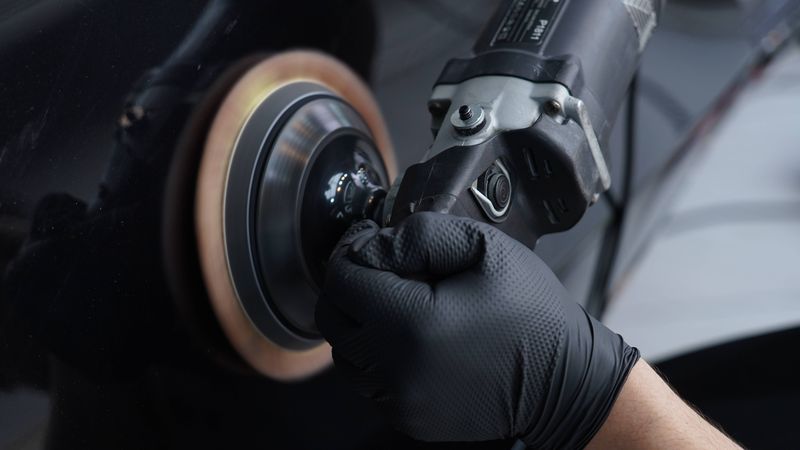
In reality, coarse, medium, and fine represent three different cutting levels of automotive polishing compounds, similar to different grit numbers of sandpaper — each has its purpose. Only by understanding the differences can you choose the right product for each paint condition and avoid unnecessary damage.
This article systematically explains the differences and selection points from four dimensions: particle size, cutting power, applicable scenarios, and pairing principles.
I. Why Are There Three Grades?
Car paint accumulates various types and degrees of damage over time. Light issues include wash-induced swirl marks; severe ones include deep rock-chip scratches; even worse are oxidation and orange peel. Different defect severities can’t be treated with a single compound.
Coarse compound has the largest particles and strongest cutting, designed for deep scratches and severe oxidation — the “heavy artillery.” Medium compound has medium particles, balancing cutting and gloss, suitable for daily repair of moderate damage. Fine compound has the finest particles, mainly for final gloss enhancement and removing traces left by coarse polishing. Together they form a complete “heavy treatment → medium repair → fine finishing” workflow.
Important clarification: The “coarseness” or “fineness” refers to abrasive particle size, not the product’s physical softness. Larger particles = stronger cutting = for deeper/more severe paint issues. Just like sanding wood — start with coarse sandpaper to level, then medium to smooth, then ultra-fine to polish.
II. Coarse Compound: The “Heavy Weapon” for Deep Repair
2.1 Core Characteristics
Coarse compound (Rubbing Compound or Cutting Compound) has the largest particles and strongest cutting of the three grades. It works through physical grinding to quickly remove deep scratches, oxidation, orange peel, and other severe defects from the clear coat surface.
Abrasive particles typically use high-hardness materials like brown corundum or silicon carbide, with particle diameters above 100 microns. Some heavy-cut compounds reach 200-300 microns. These particles can level the paint surface in a short time, grinding down the ridges around scratches.
A key feature is “generous dust.” During application, visible white powder flies off — this indicates genuine cutting, not false repair with oil filling. DianYe J2 Water-Based Polishing Wax uses an eco-friendly water-based formula; dust can be easily rinsed clean without irritating odors.
2.2 Application Scenarios
Deep scratch repair: Scratches where your fingernail catches in the groove but hasn’t reached primer — branch scratches, rock chip marks.
Severe oxidation removal: Long-term outdoor parking causes dull, grayish oxidation. Oxidation is essentially clear coat aging that coarse compound effectively removes.
Orange peel treatment: Some vehicles develop orange-peel-like texture from spray application or sun exposure. Only coarse compound can handle this structural issue.
Old paint restoration: Older vehicles accumulate multi-depth damage. Coarse compound is used first for overall repair, then progressively finer grades for brightening.
2.3 Usage Precautions
- Strict quantity/time control: Thin coat per area; max 30 seconds per spot to avoid overheating
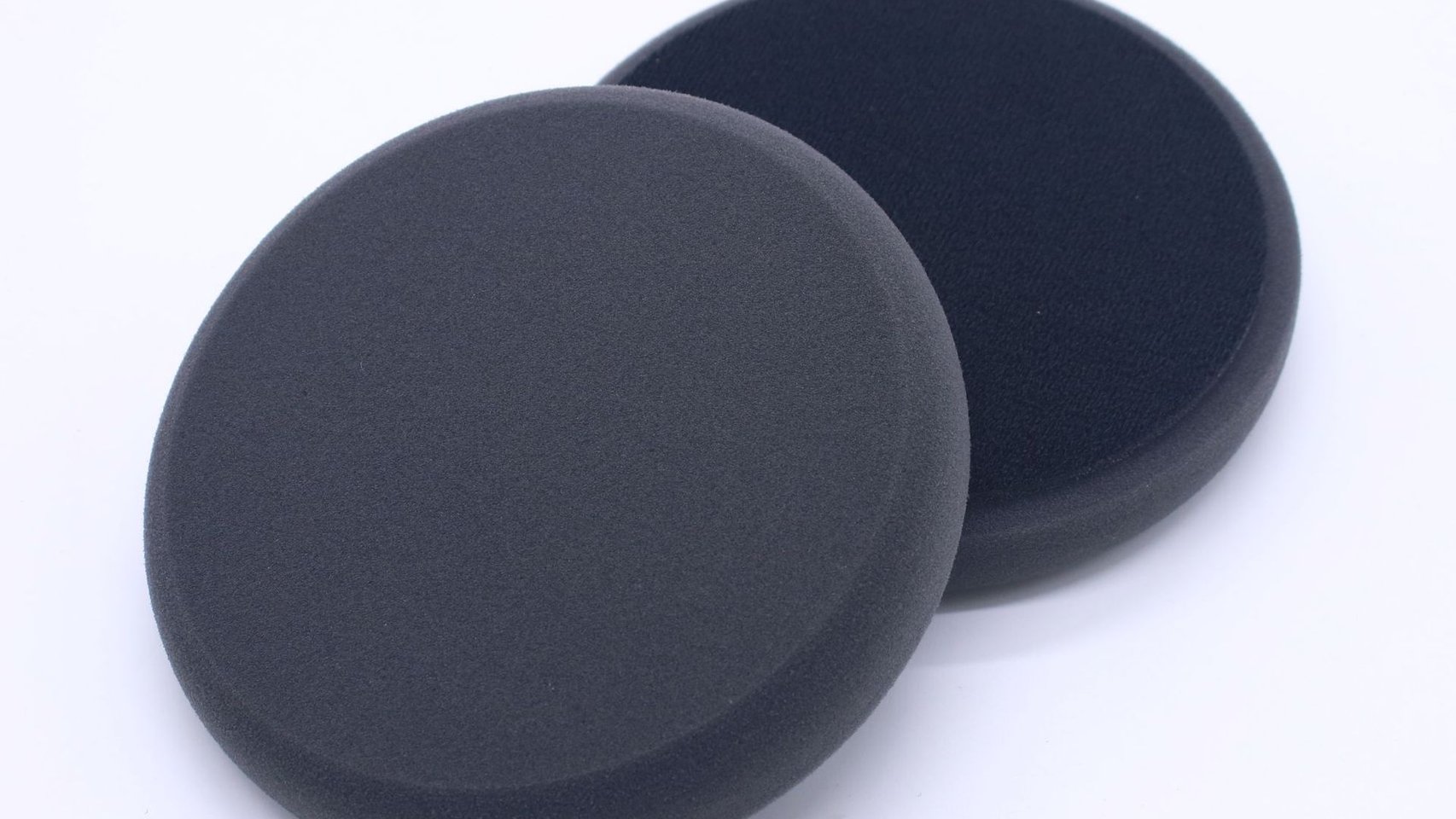
- Pair with appropriate pads: Long wool pad or hard foam pad to handle high friction and ensure even force
- Must finish afterward: Coarse compound leaves visible marks (“compound marks”) that must be treated with medium or fine compound. It’s the “pathfinder,” not the “finisher”
- Never use on new or perfect paint: Using coarse compound on factory-fresh paint creates artificial scratches and destroys the protective layer — a common beginner mistake
III. Medium Compound: The “All-Rounder” for Daily Repair
3.1 Core Characteristics
Medium compound (Medium Cut Polish or One Step Compound) falls between coarse and fine in particle size and cutting. Particle diameters are typically 20-80 microns, maintaining cutting ability while providing better gloss.
The design philosophy is “balance” — finding the optimal point between cutting depth and final result. It doesn’t pursue extreme cutting like coarse compound or extreme gloss like fine compound. It’s suitable for most daily repair needs.
Medium compound also has higher error tolerance. Compared to coarse compound, it’s more forgiving on pressure, speed, and timing — even imperfect control won’t easily cause over-polishing or damage. This is crucial for inexperienced beginners.
3.2 Application Scenarios
Moderate scratch repair: Visible but not deep scratches — wash swirl marks, light scuffs. These don’t need coarse compound’s firepower; medium handles them well.
Daily paint restoration: For typical family cars, the main issues are wash swirl marks and mild oxidation. Medium compound solves these in one step while restoring gloss — the best value approach.
Transition after coarse compound: After coarse compound removes deep defects, medium compound removes coarse compound marks and prepares for fine compound finishing. This step is essential.
New car deep care: New cars don’t need coarse compound, but if not perfect, medium compound can perform basic correction and brightening without damaging factory paint.
3.3 Usage Tips
- Area control: Max 0.5m² per pass; complete before compound dries
- Moderate speed/pressure: DA at 1500-1800rpm; RO at 1200-1500rpm; no need for extra pressure
- Pair with medium-soft foam pad: Balances cutting and gloss
- Inspect after each section: Wipe clean with decontamination cloth. If scratches are gone but slight haze remains → fine compound. If scratches persist → go back to coarse compound
IV. Fine Compound: The “Art Piece” for Mirror Finishing
4.1 Core Characteristics
Fine compound (Finishing Polish or Swirl Remover) has the finest particles and weakest cutting. Its main function isn’t “removal” but “refinement” — eliminating micro-marks left by coarse and medium compounds while restoring transparent gloss.
Particle diameters are typically below 10 microns, with some premium products using nano-scale particles. These particles are fine enough to polish away barely-visible micro-scratches without damaging the clear coat, achieving true mirror finish.
A notable feature is “dust-free” or “minimal dust.” Due to extremely low cutting, virtually no powder is visible during application — a stark contrast to coarse compound and a useful indicator of the polishing stage.
4.2 Application Scenarios
Post-compound finishing: Any process using coarse or medium compound must finish with fine compound. Polishing without fine compound is incomplete.
Light imperfection repair: For new or well-maintained cars, fine compound directly handles light swirl marks and dullness without needing medium or coarse.
New car premium care: Fine compound on new cars further enhances gloss for a more transparent, brilliant finish.
Pre-wax/sealant prep: Before applying sealant or ceramic coating, fine compound pre-treatment allows better protection adhesion and optimal performance.
4.3 Fine Compound vs. Mirror Glaze Restorer
Many owners confuse “fine compound” with “mirror glaze restorer.” In fact, mirror glaze restorer is an advanced form of fine compound, specifically designed for the highest level of gloss.
Regular fine compound may still leave extremely fine marks, requiring one more pass with an even finer product for perfection. Mirror glaze restorer uses ultra-fine or non-abrasive particles to eliminate those last traces.
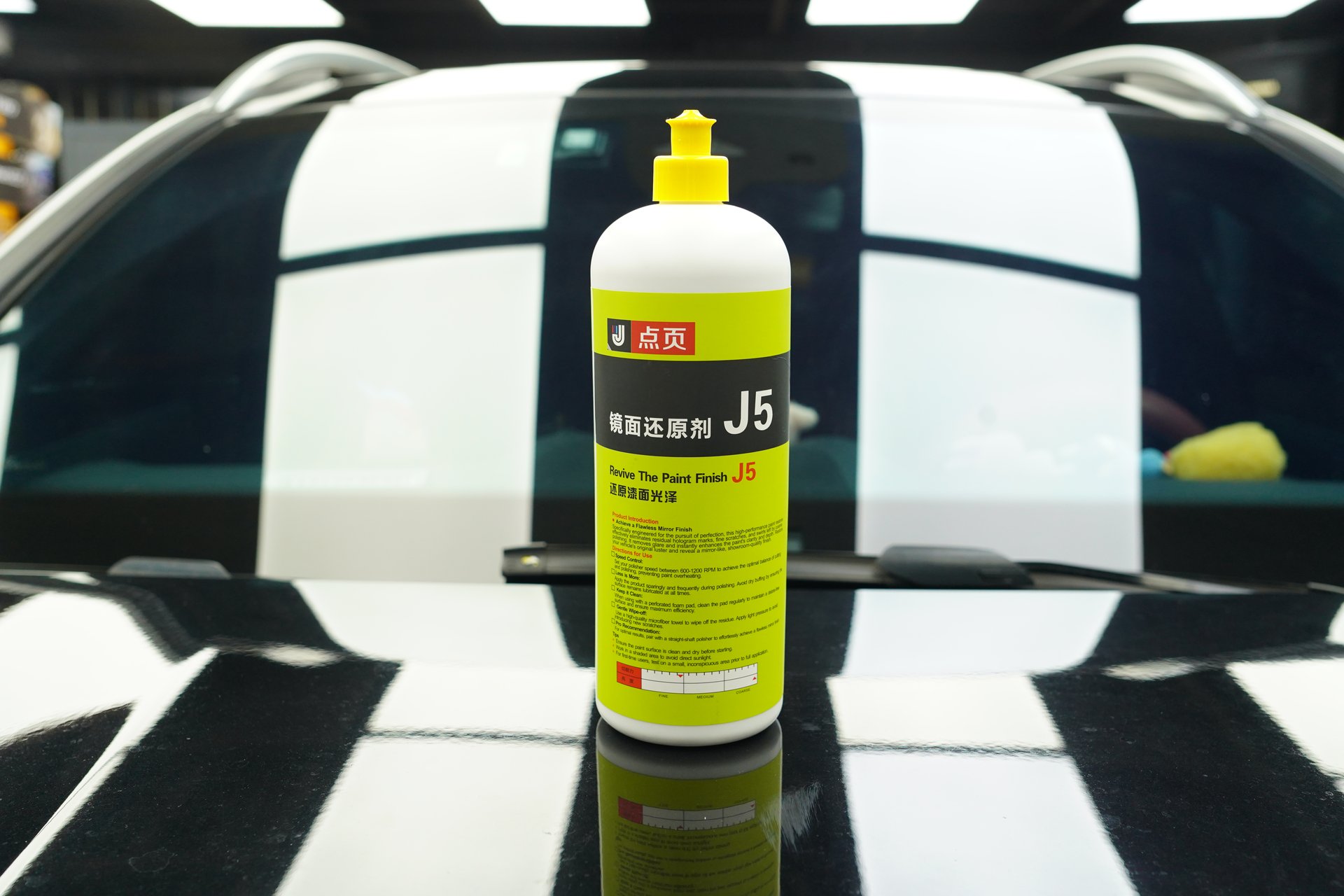
DianYe J5 Mirror Glaze Restorer uses a low-temperature polishing formula with cutting under 1 micron, paired with a soft foam or finishing pad, achieving true mirror results — ideal for solid black, deep red, and other colors demanding extreme gloss.
4.4 Usage Notes
- Low speed: DA at 2000-2500rpm; RO at 600-800rpm. High speed generates heat that undermines results.
- Multiple light passes beat one heavy pass: Ultra-light pressure, 2-3 passes each time.
- Must pair with soft pad: Hard pads amplify cutting and risk creating new marks.
V. Selection Guide
| Paint Condition | Recommended Grade | Paired Products |
|---|---|---|
| New car / good paint | Fine compound or mirror glaze only | J5 + soft foam pad |
| Light swirl marks / dullness | Fine + mirror glaze | J5 + finishing pad |
| Medium scratches / light oxidation | Medium + fine finishing | Medium pad + J5 |
| Old paint / heavy oxidation | Coarse (spot) + medium + fine | J2 + medium + J5 |
| Severe scratches / orange peel | Coarse (full) + fine | J2 + wool pad + J5 |
5.1 Beginner Selection Advice
Follow the “shallow to deep” principle:
Phase 1: Buy only fine compound and mirror glaze restorer; handle daily small issues; learn basic operation.
Phase 2: After gaining experience, add medium compound for moderate scratches and daily restoration.
Phase 3: Only consider coarse compound if severe damage needs treatment, always with medium and fine for follow-up.
Beginners should absolutely NOT buy coarse compound first. It has the lowest error tolerance and easiest causes damage. Build basics first, then progress.
5.2 Product Purchase Tips
- Choose reputable brands: Avoid products with uneven particles or harmful ingredients. Quality brands have clear labeling and uniform distribution.
- Prefer water-based formulas: More eco-friendly, easier dust cleanup, less odor, better experience. DianYe J2 water-based compounds don’t mask scratches — they show true paint condition.
- Adjust for paint type: Dark paint (black, red, blue) needs finer compound and softer pads. Light paint is more forgiving. Pearl/mica paint needs soft pads and fine compound to avoid damaging the pearlescent layer.
VI. Complete Polishing Workflow
6.1 Full Process
Step 1: Pre-wash & Assessment — Thoroughly clean; assess paint; determine starting compound. Start with fine if scratches are light.
Step 2: Masking — Mask badges, handles, rubber trim with tape to prevent splatter contamination.
Step 3: Coarse Treatment (if needed) — Coarse compound on wool/hard foam pad; 1500-1800rpm; max 30 seconds per panel; wipe clean.
Step 4: Medium Transition — Fresh medium-soft pad; 1500rpm; remove coarse marks; level surface for fine compound.
Step 5: Fine Finishing — Fresh soft foam or finishing pad; fine compound; DA at 2000-2500rpm; light pressure, multiple passes.
Step 6: Mirror Restoration (if needed) — Mirror glaze restorer for the ultimate finish.
Step 7: Decontamination Inspection — Wipe with 10-15% IPA solution; check for remaining scratches or compound residue. Return to appropriate step if needed.
Step 8: Paint Protection — Must apply protection (wax, sealant, or ceramic coating) immediately after polishing. Unprotected paint oxidizes rapidly.
6.2 Common Mistakes
Mistake 1: Skipping steps — Don’t try fine compound on deep scratches. Start with the appropriate grade for the defect depth.
Mistake 2: Using only coarse compound — Must follow with medium and fine; otherwise compound marks remain and gloss is worse than before.
Mistake 3: Poor temperature control — Check paint temp with back of hand. Stop if too hot. Paint above 60°C damages clear coat.
Mistake 4: Not working in sections — Treat each panel individually. Don’t apply compound over a huge area at once; it dries unevenly.
VII. FAQ
7.1 Will Polishing Compounds Damage Paint?
Every compound removes some clear coat — that’s the nature of physical abrasion. The key is “degree” control:
- Fine/mirror glaze: Under 1 micron removal — negligible damage, daily care level
- Medium: 3-5 microns; clear coat is typically 35-50 microns; safe with proper use
- Coarse: Up to 10+ microns; strictly control frequency and area
Following “just enough” principle keeps clear coat loss fully controllable.
7.2 Polishing Compounds vs. Abrasive Compounds?
Strictly speaking, no essential difference — both use abrasive particles to remove paint imperfections. The distinction is mainly in texture:
- Compound (wax form): Harder; suited for machine application; applied directly to pad
- Paste (膏 form): Softer, stickier; traditional products; modern water-based formulas are often compound-like
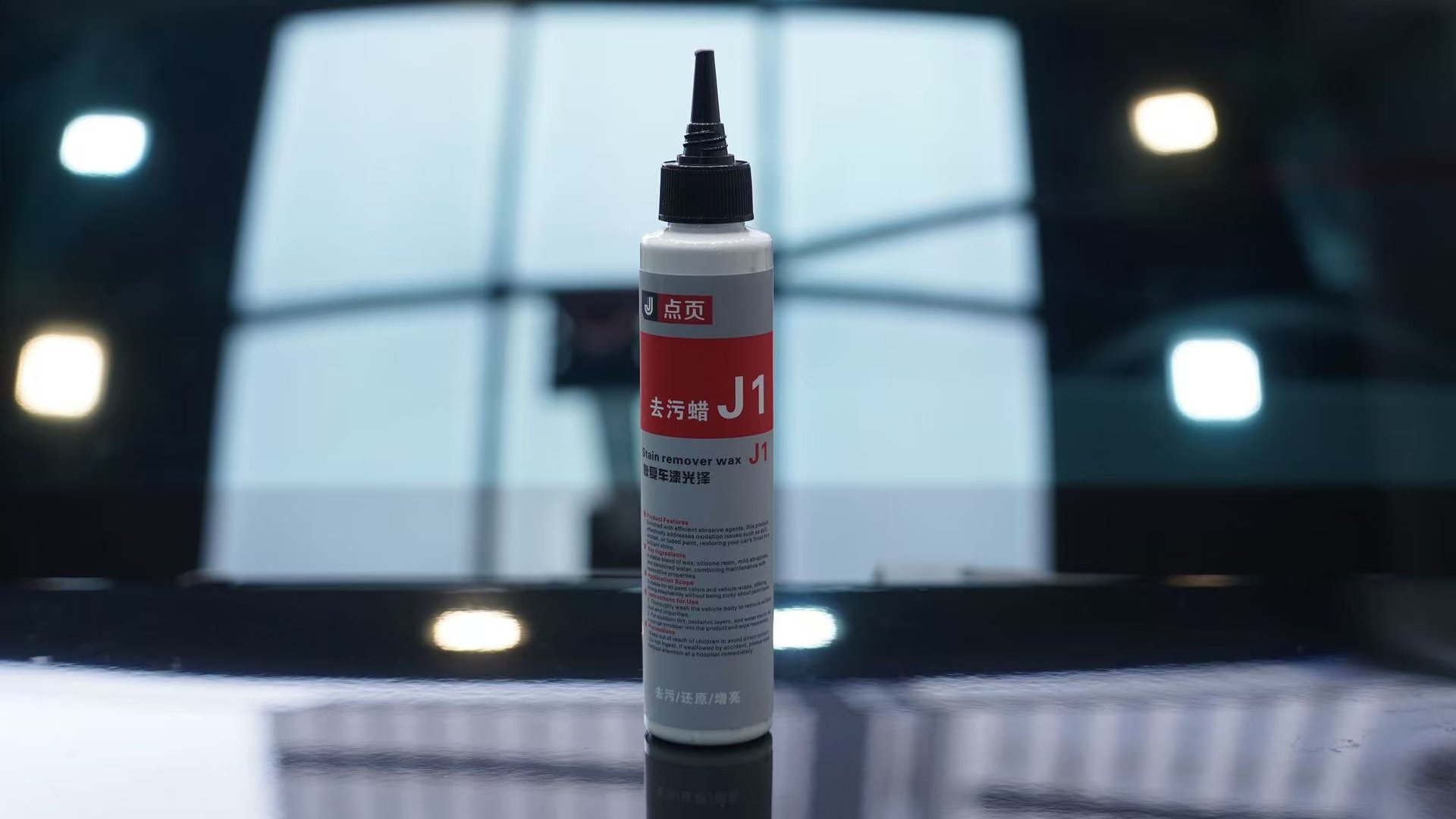
DianYe J2/J5/J1 all use water-based formulas with texture between traditional wax and paste, balancing application convenience and results.
7.3 What Compound for Different Paint Colors?
Dark paint (black, red, blue, purple): Extremely sensitive to marks; use finer compound and softer pads. Black especially needs mirror-grade finishing.
Light paint (white, silver, gray): Better mark concealment; higher error tolerance; can use stronger cutting if needed. Still avoid over-cutting.
Pearl/mica paint: Special coating structure; use soft pads and fine compound to avoid damaging the pearlescent layer.
7.4 How Long After Polishing Before Waxing?
You can apply protection immediately after polishing — no waiting required. The “24-hour wait” applies only to ceramic coating curing, not to the polishing itself. After polishing, decontaminate with IPA, verify results, then apply protection immediately. The longer bare paint is exposed, the greater the oxidation risk.
VIII. Summary: Choose Right, Use Right
Coarse, medium, and fine compounds are the three basic grades of automotive polishing compounds, each with a specific role:
- Coarse compound is the deep repair tool; handles severe scratches and oxidation; requires follow-up finishing
- Medium compound is the daily repair all-rounder; balances cutting and gloss; suitable for most scenarios
- Fine compound is the finishing specialist; eliminates micro-marks and restores gloss
Core principle: “Choose the minimum grade that gets the job done” — if fine can handle it, don’t use medium; if medium works, don’t use coarse. Preserving clear coat thickness matters more than pursuing ultimate polishing results.
For car owners looking to buy polishing compounds, start with fine compound (J5 Mirror Glaze Restorer), gain experience, then gradually add medium and coarse. DianYe J2/J5/J1 products cover the full range from coarse to fine and can serve as both entry-level and advanced choices.
Remember: Polishing is not a one-time project — it’s an ongoing care process. Proper compound selection and correct technique protect your paint far better than chasing a “one-pass miracle.”