
Polisher Buying Guide for Beginners: DA or RO? A Complete Guide to Your First Purchase
Many car owners, when deciding to polish their vehicles themselves, face the first question: What kind of polisher should I buy?
Open any shopping website and you’ll be overwhelmed by DA polishers, RO polishers, orbit throw, speed settings, and prices ranging from a few dozen to several thousand dollars. Some sellers claim “beginner-friendly,” others label products as “professional grade.”
This article has one clear goal: Help polisher beginners understand their needs in the shortest time and choose the right first machine. We won’t go deep into theory — just conclusions and recommendations for car owners who want to make quick decisions.
1. Two Main Types of Polishers: The Fundamental Difference Between DA and RO
Car polishers are mainly divided into two types: DA polishers (Dual Action) and RO polishers (Rotary Orbital).
Understanding the difference between the two is the prerequisite for making the right choice.
1.1 What Is a DA Polisher (Dual Action)?
DA stands for Dual Action, also known as a “random orbital polisher.”
The working principle of a DA polisher is: the polishing pad rotates while simultaneously performing an elliptical orbital motion. In other words, the pad spins and orbits at the same time.
This motion pattern provides two core advantages:
High safety: The orbital motion automatically distributes pressure. Even if a beginner presses too hard, the pad won’t continuously friction on one spot to generate high temperatures, significantly reducing the risk of burning through the clear coat.
High forgiveness: Beginners tend to stall the machine (press without movement). The DA’s orbital motion automatically “throws off” excessive pressure, reducing the probability of paint damage.
Typical DA polisher parameters:
- Orbit throw: Commonly 8mm, 12mm, 15mm
- Speed: DA polishers are rated in OPM (Orbits Per Minute), not RPM
- Entry-level DA: 500-800W, speed range 2500-5500 OPM
1.2 What Is an RO Polisher (Rotary)?
RO stands for Rotary Orbital, also known as a “rotary polisher” or “single action polisher.”
The working principle of an RO polisher is: the polishing pad only performs a single-direction rotational motion without orbital movement.
This brings two core characteristics:
Strong cutting power: Without orbital motion dispersing energy, all power is concentrated on the pad, making grinding efficiency far higher than DA polishers. Suitable for deep scratches and severe oxidation.
High risk: Without orbital buffering, RO polishers require significant operating skill. Beginners can easily generate excessive heat at one point, burning through the clear coat.
Typical RO polisher parameters:
- Power: Usually 1000W+
- Speed: 1500-3500 RPM (adjustable)
- Standard for professional users; requires operating experience
1.3 DA vs RO: Quick Comparison
| Comparison | DA (Dual Action) | RO (Rotary) |
|---|---|---|
| Motion | Rotation + orbital | Single rotation |
| Cutting power | Medium | Strong |
| Safety | High, beginner-friendly | Low, requires experience |
| Learning curve | Gentle | Steep |
| Use cases | Daily care, light-medium scratches | Deep scratches, heavy oxidation |
| Beginner recommendation | Strongly recommended | Not recommended |
2. Why Beginners Must Choose a DA Polisher
A beginner’s first polisher must be a DA. No exceptions.
This isn’t a suggestion — it’s a conclusion.
2.1 DA Is Like a Point-and-Shoot Camera, RO Is Like a DSLR
A DA polisher is like a point-and-shoot camera — you press the button and the machine handles the parameters. An RO is like a professional DSLR — fully manual, capable of great results in skilled hands but disastrous in untrained ones.
2.2 Real Cases of Beginners Using RO Polishers
Case 1: A car owner bought a 300-yuan RO polisher and polished the hood for the first time — ended up with swirl marks everywhere. Speed was too high (above 3000 RPM) and pressure was too heavy.
Case 2: Another owner used an RO to fix deep scratches, stayed too long on one spot, burned through the clear coat, and had to pay 2000+ yuan for repainting.
Case 3: Yet another bought a cheap, low-quality RO with inaccurate speed ratings, severe motor overheating, and the machine started smoking within 30 minutes.
2.3 How to Choose DA Orbit Throw
Beginners should choose 15mm orbit throw.
- 8mm: Small throw, weakest cutting, for fine finishing only
- 12mm: Medium throw, most common on the market
- 15mm: Largest throw, strongest cutting while maintaining safety. Known as the “gold standard” for DA polishers.
3. Entry-Level Polisher Pricing and Recommendations
3.1 Price Ranges
| Price Range | Positioning | Features |
|---|---|---|
| $30-60 | Entry-level home use | Lower power, occasional use |
| $60-120 | Advanced | Stable performance, DIY enthusiasts |
| $120-220 | Professional entry | Near-professional performance |
Recommended beginner budget: $75-120.
3.2 Brand Recommendations
$75-120 range
- Professional domestic DA polishers (15mm throw, 700-800W)
- Entry-level imported brands (e.g., PORTER-CABLE 7424XP)
$120-220 range
- Entry-level professional imported (e.g., DEWALT DWP849X)
- Mid-to-high-end professional brands
Not recommended
- Sub-$30 “multi-function polishers”
- Unbranded products
- Cheap RO polishers labeled “beginner-friendly”
4. Complete Accessory Checklist for Your First Polisher
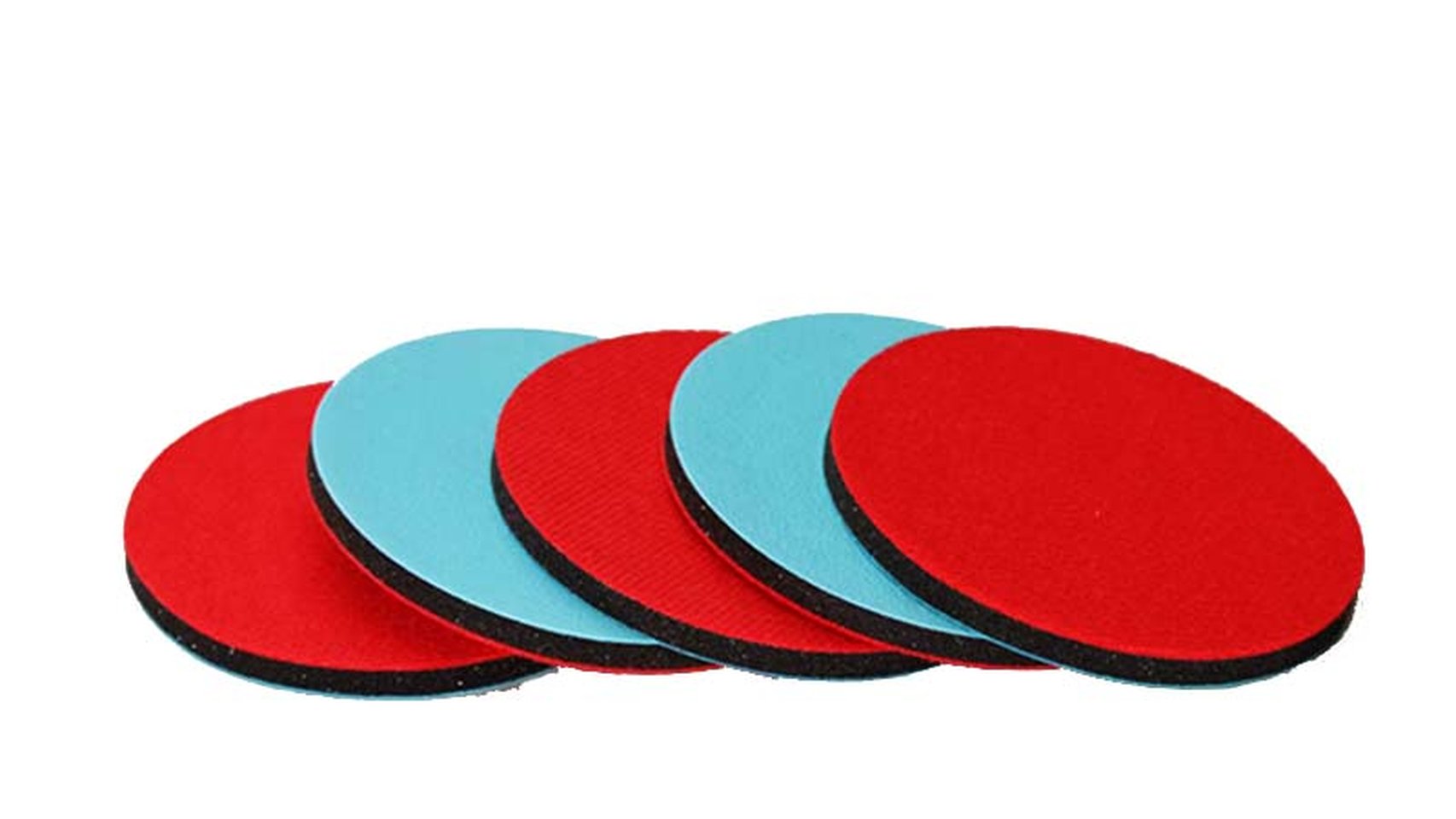
4.1 Polishing Pad Configuration
Long wool pad (coarse wool)
- Use with compound
- For deep scratches, heavy oxidation
- Beginners: get at least one
Medium-hardness foam pad
- Use with medium polish
- For daily scratch repair, light oxidation
- Beginner essential
Soft foam pad
- Use with fine polish/finishing agent
- For final shine and mirror finishing
- Beginner essential
Finishing pad
- Dedicated mirror finishing pad
- Use with J5 Mirror Finish Agent
- For achieving the highest level of gloss
4.2 Recommended Polishing Products
Daily repair kit
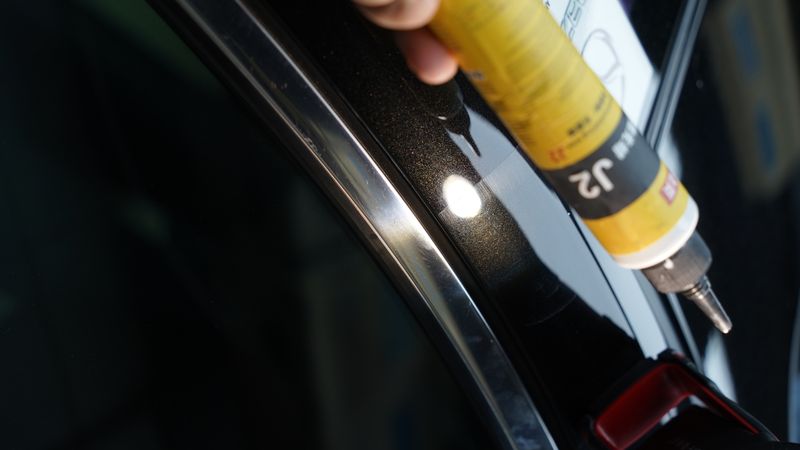
- J2 Water-Based Polish (compound/medium level) with wool or medium foam pad
- Removes medium scratches and oxidation
Fine finishing kit
- J5 Mirror Finish Agent with soft foam pad
- Eliminates fine marks, restores gloss
All-in-one kit
- J1 Quick Polish with medium-soft foam pad
- For quick treatment of minor issues
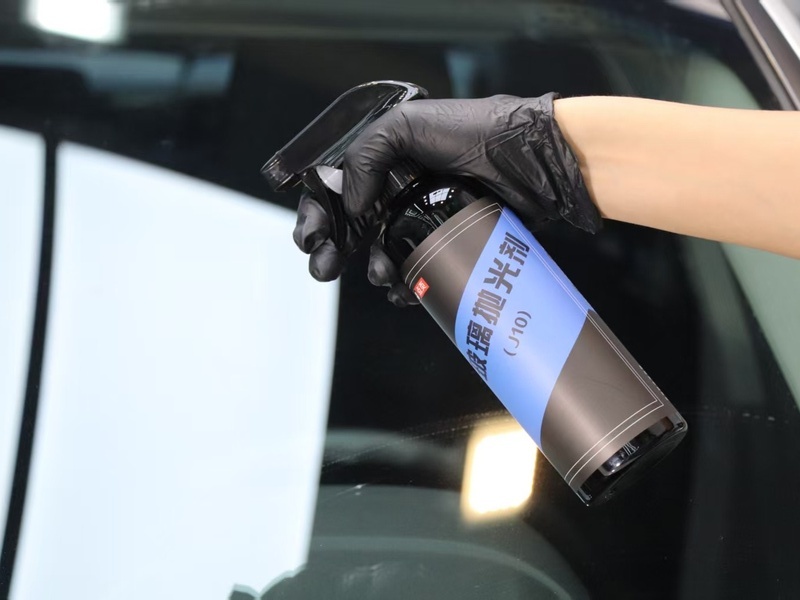
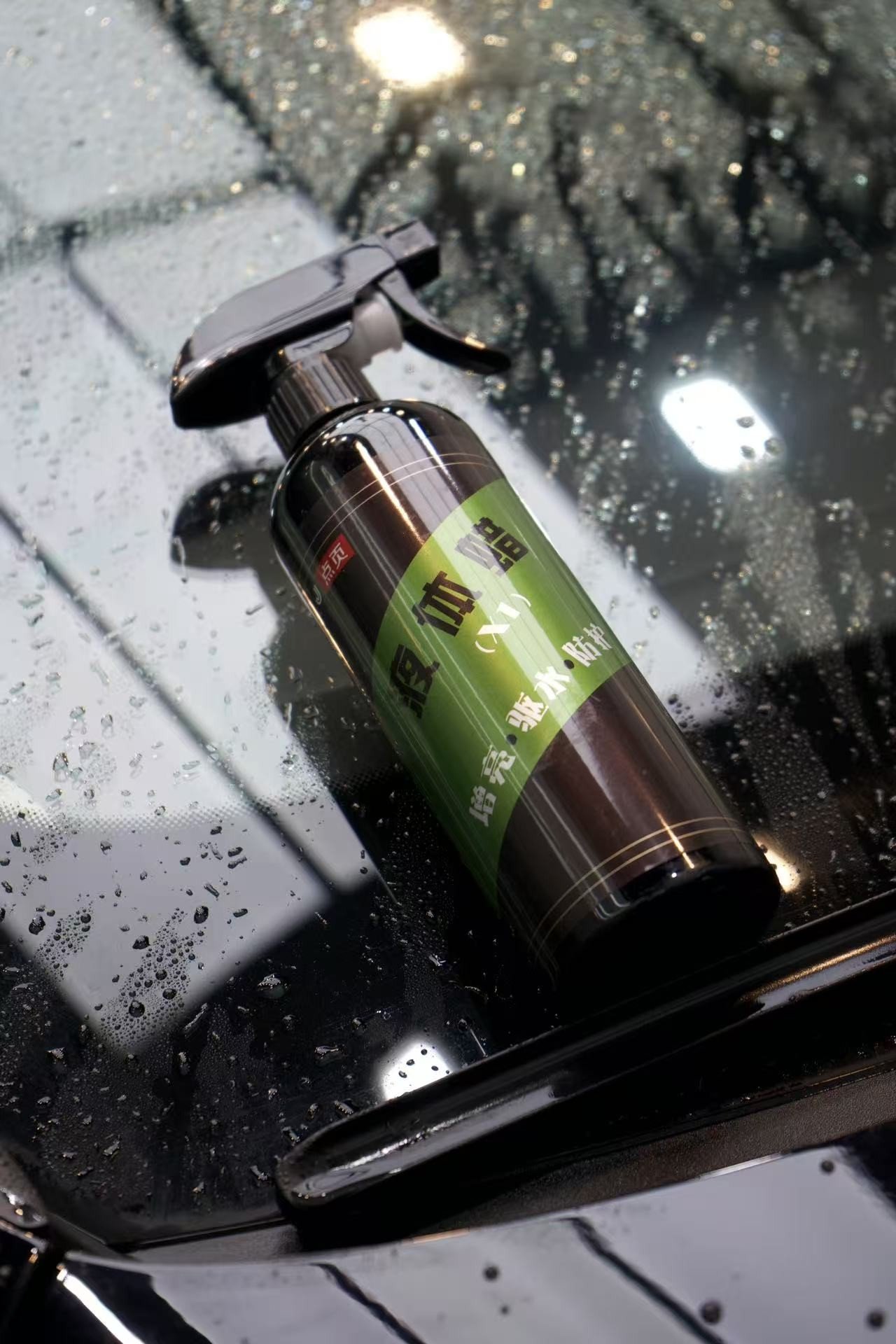
Note: After polishing, paint protection is essential. Recommended: J10 Long-Lasting Protective Wax or X1 Quick Liquid Wax.
4.3 Other Necessary Tools
- Masking tape: Protect emblems, door handles
- Degreasing cloth: Wipe and inspect after polishing
- IPA degreaser (10-15% concentration): Final paint cleaning
- Paint cleaner: Pre-polish preparation
- Protective gear: Safety goggles, mask, gloves
5. FAQ
5.1 Can a DA handle deep scratches?
Most of them, but not all. A 15mm DA can handle medium scratches, swirl marks, light-moderate oxidation, and mild orange peel. It cannot handle scratches reaching primer, severe orange peel, or full restoration of 10+ year-old paint.
5.2 What pad size?
6-inch (150mm) is the most universal size — large enough for efficiency, small enough for curves and edges.
5.3 Can I buy a used polisher?
Not recommended for beginners. Unknown motor wear, aging cooling systems, incomplete accessories, no warranty.
5.4 Does a polisher need maintenance?
Yes, and it’s simple. Clean air vents after each use, check power cord, wash pads after use, check screws periodically.
6. Starter Configuration Recommendations
Plan A: Basic Entry ($120-150)
- Entry-level DA (15mm, 500-700W) ×1
- Medium foam pads ×2
- Soft foam pads ×2
- J1 Quick Polish ×1
- Consumables
Plan B: Standard Advanced ($180-220)
- Mid-range DA (15mm, 800W+) ×1
- Wool pad ×1, medium foam ×2, soft foam ×2, finishing pad ×1
- J2 Water-Based Polish ×1, J5 Mirror Finish Agent ×1
- Full consumable kit
Plan C: Premium Setup ($300+)
- Professional DA ×1
- RO polisher ×1 (for future upgrade)
- Complete pad set
- Full J2/J5/J1 product line
- Professional consumables
7. Safety Reminders
7.1 Paint Temperature Monitoring
Check paint temperature with the back of your hand. If it feels too hot, stop immediately.
7.2 Paint Film Thickness
- Factory clear coat: ~30-50 microns
- Each proper polish removes ~1-3 microns
- Improper technique can remove 5+ microns
- Below 10 microns: do not polish
7.3 Safety Gear
- Safety goggles: Prevent splash into eyes
- Mask: Reduce dust inhalation
- Gloves: Some compounds may irritate skin
8. Summary: Three Key Conclusions for Beginners
First, choose DA over RO. DA’s safety and forgiveness are designed for beginners.
Second, choose 15mm orbit throw. The gold standard balancing cutting power and safety.
Third, budget $75-120. This range offers stable performance; too cheap has safety risks, too expensive offers diminishing returns for beginners.
Remember: Your polisher choice determines your starting point, but your learning and practice determine the final result. Choose the right tool as step one — then study tutorials and practice regularly.
Protect your clear coat — it’s only 30-50 microns thick and can’t withstand too much abuse.