
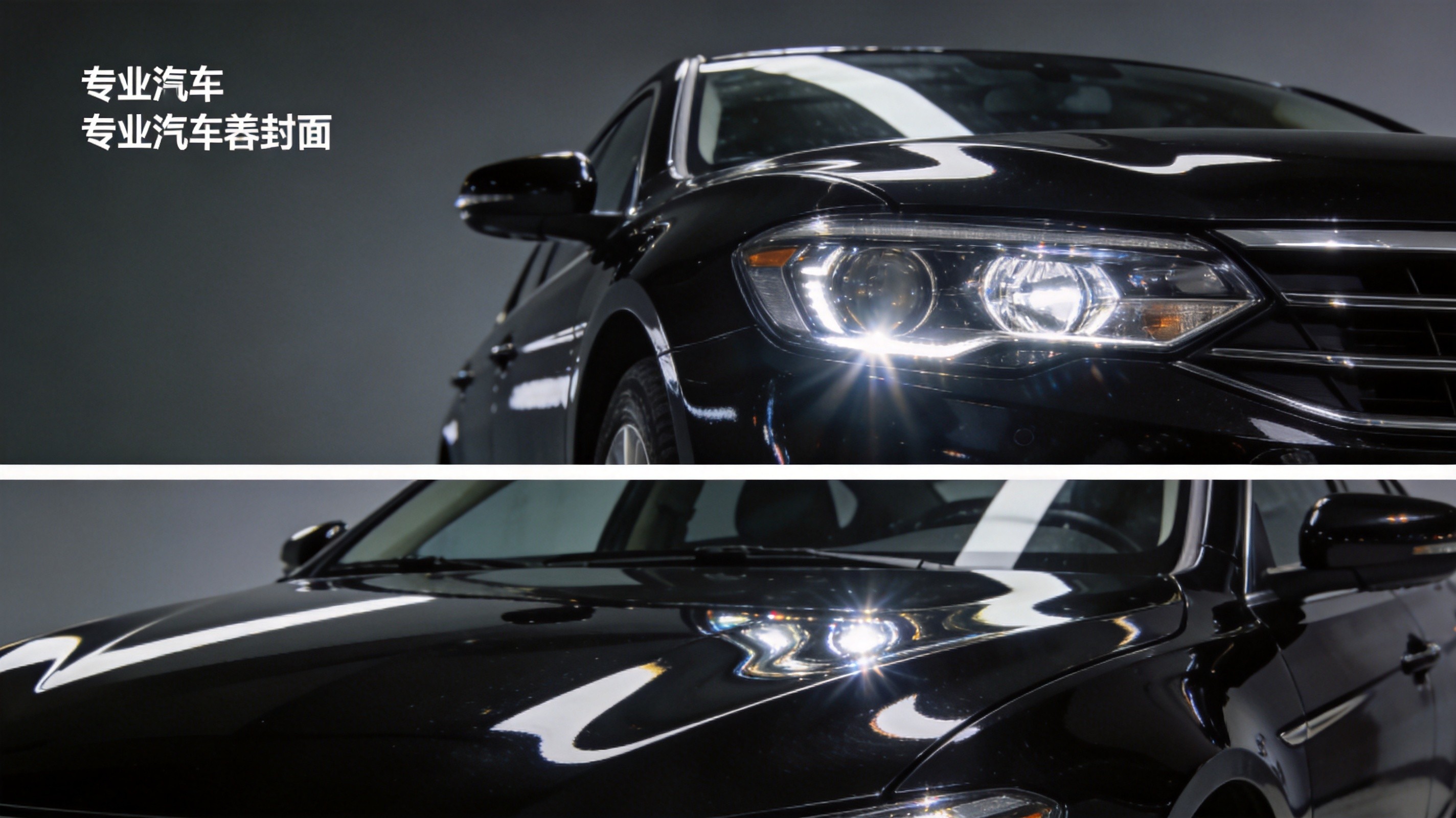
How to Maintain Paint After Polishing? Complete Care Timeline and Product Pairing Guide
1. Why Post-Polish Maintenance Is Essential
Skipping post-polish maintenance is equivalent to wasting the entire polish. Polishing removes the outermost layer of clear coat, opens capillary pores, and alters surface tension — making freshly polished paint more susceptible to oxidation, dust, and contamination. Without a protective layer, gloss will noticeably decline within 2-4 weeks, and oxidation proceeds 2-3 times faster than on unpolished paint.
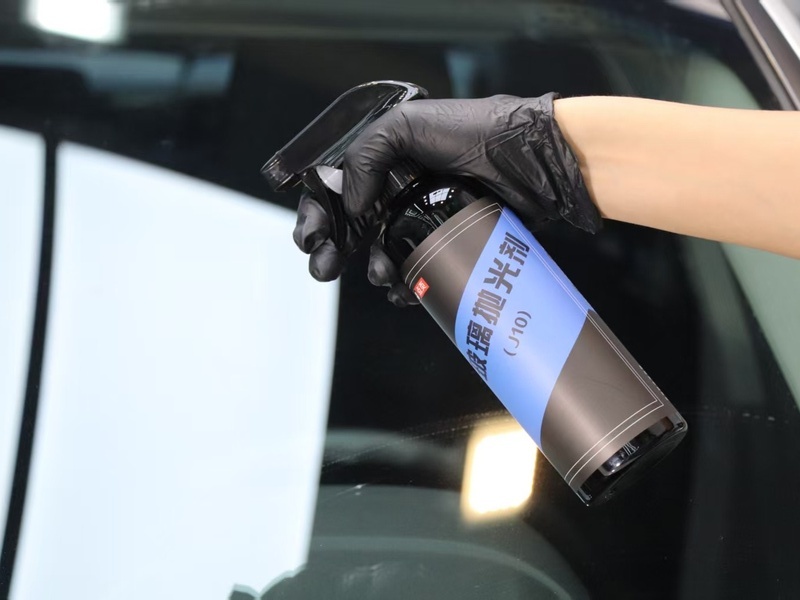
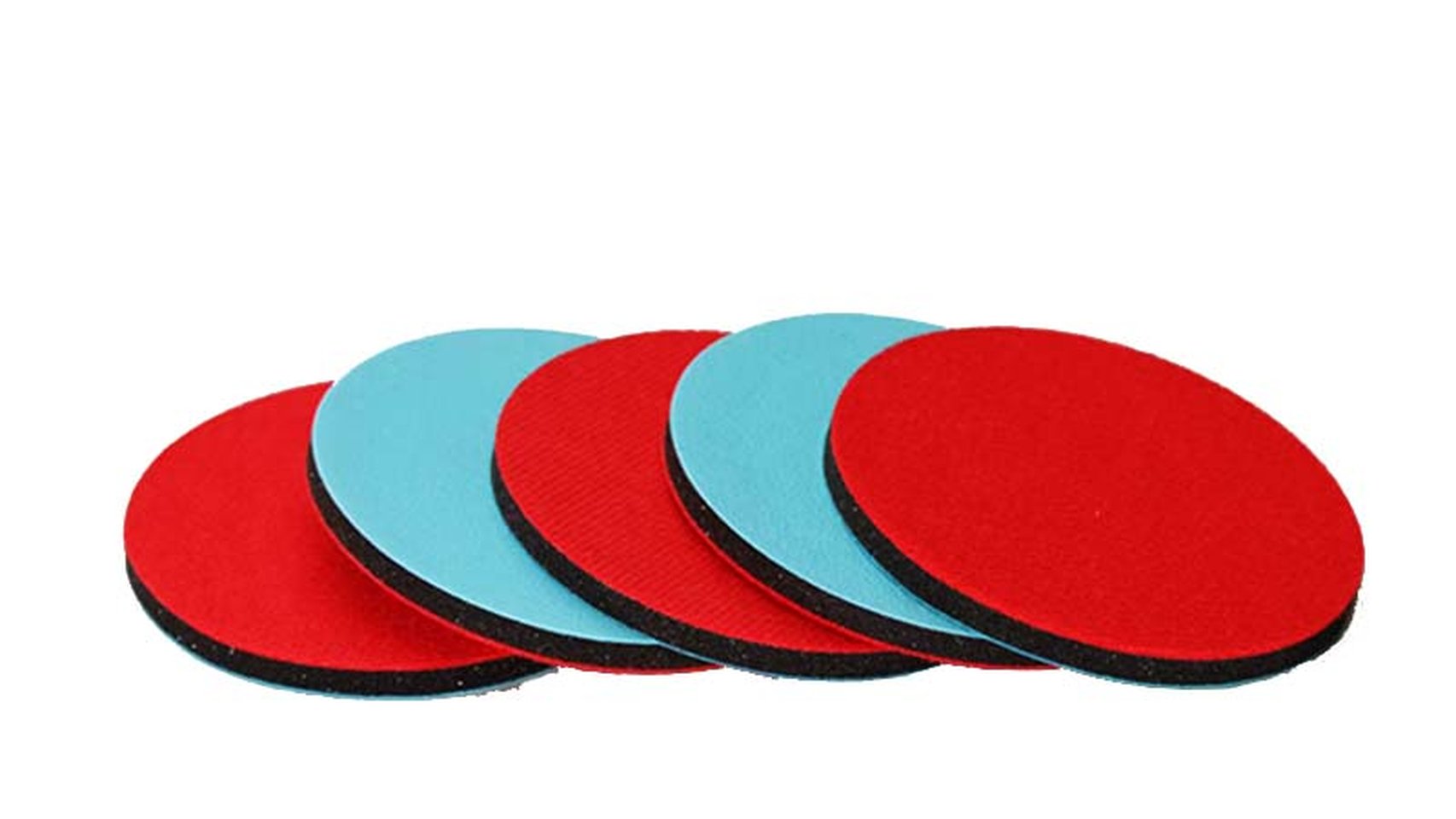
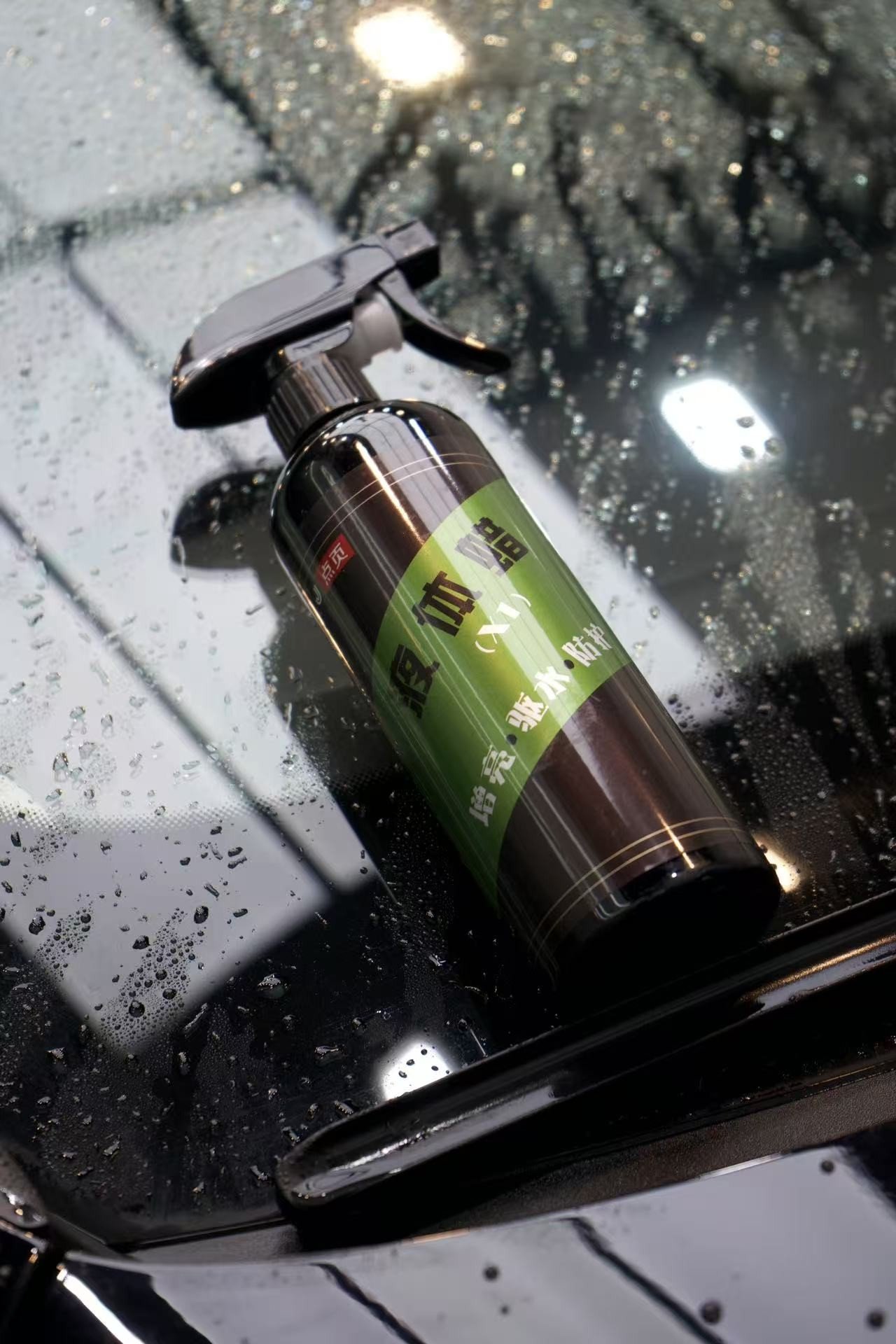
There is a “golden maintenance window” after polishing — typically within one week. During this period, capillary pores are open, and the paint’s absorption capacity for wax, sealant, and ceramic coating is at its peak, providing the best adhesion and protection. Polishing and protection should be completed in the same session — do not separate them.
2. Complete Post-Polish Care Timeline
0-4 hours after polishing: Strict rain avoidance, indoor parking. Freshly polished paint is still warm with open pores. Acidic rain (pH 4.2-4.8) will corrode new paint, and dust adheres rapidly. Let the paint cool completely in a cool, shaded indoor area.
1-3 hours after polishing: Optimal protection application window. This is the critical stage — apply wax, sealant, or ceramic coating while the paint is still warm and pores are still open for maximum penetration and adhesion.
4-24 hours: Continue indoor parking, light cleaning acceptable. Paint temperature has normalized. Use a soft towel to wipe away application residue, rinse with neutral car wash soap.
24-72 hours: Can withstand light rain, normal washing OK. Paint is basically stabilized. Safe to wash using the two-bucket method with neutral soap, but do not apply protection products.
After 7 days: Enter regular maintenance cycle. Paint is fully stabilized. Wash and wax at normal frequency.
3. Protection Method Comparison
| Method | Duration | Hardness | Hydrophobic | Recommended Product | Ideal For |
|---|---|---|---|---|---|
| Wax | 2-3 months | Low | Moderate | J10 Long-Lasting Protective Wax | Daily care, best value |
| Sealant | 6-12 months | Medium | Good | Professional application | Owners seeking better protection |
| Coating | 12+ months | High | Very good | Professional application | Long-term protection seekers |
| Ceramic | 18-24 months | 6H-9H | Contact angle >110° | Professional application | Ultimate protection |
4. Product Pairing Plans
Basic plan: J1 Quick Polish (daily cleaning/deoxidation) + J10 Long-Lasting Protective Wax (quarterly waxing). Ideal for budget-conscious DIY owners — annual care cost under $30.
Standard plan: J1 + J10 daily maintenance + annual professional coating. Suitable for most owners — self-wax regularly, visit a shop once a year for coating upgrade.
Premium plan: J2 Water-Based Polish + J5 Mirror Finish Agent for periodic maintenance + ceramic coating every 2 years. For owners demanding the highest paint quality — J2 for deep defect removal, J5 for mirror finish, ceramic for maximum protection duration.
5. Common Misconceptions
Myth 1: Don’t wax immediately after polishing. Correct approach: apply within the 1-3 hour window while paint is warm and pores are open — this is called “immediate application,” not “wax right away” — residue must first be cleaned off.
Myth 2: No protection needed after polishing. Wrong. Polished paint is more vulnerable than unpolished paint. No protection means wasted effort — gloss drops noticeably within 2-4 weeks.
Myth 3: After ceramic coating, no maintenance needed. Wrong. Ceramic coating provides a harder, more durable layer, but still requires regular washing, coating inspection, and avoidance of strong acids/alkalis.