
Hand Polishing vs Machine Polishing: Which Is Right for Beginners? Full Comparison and Practical Guide
1. Why the Choice of Polishing Method Matters
When it comes to automotive paint polishing, the first step isn’t choosing products — it’s choosing the method.
Hand polishing or machine polishing — which is better? Many car owners struggle with this choice before starting a DIY project. Both methods have distinct pros and cons for different scenarios. Choose wrong, and results range from disappointing to paint damage.
Core conclusion first: Hand and machine polishing are not mutually exclusive — they’re complementary tools for different scenarios. The key factors are your paint issue type, application area, and personal experience. Hand polishing suits small-area precision work; machine polishing suits large-area efficient application. Beginners should start with hand polishing, then transition to machines after gaining experience.
2. Core Differences Compared
2.1 Operation and Principle
Hand polishing: Using hand-held polishing tools with physical friction. Limited force but high control for precise local treatment. 70% depends on feel, 30% on product.
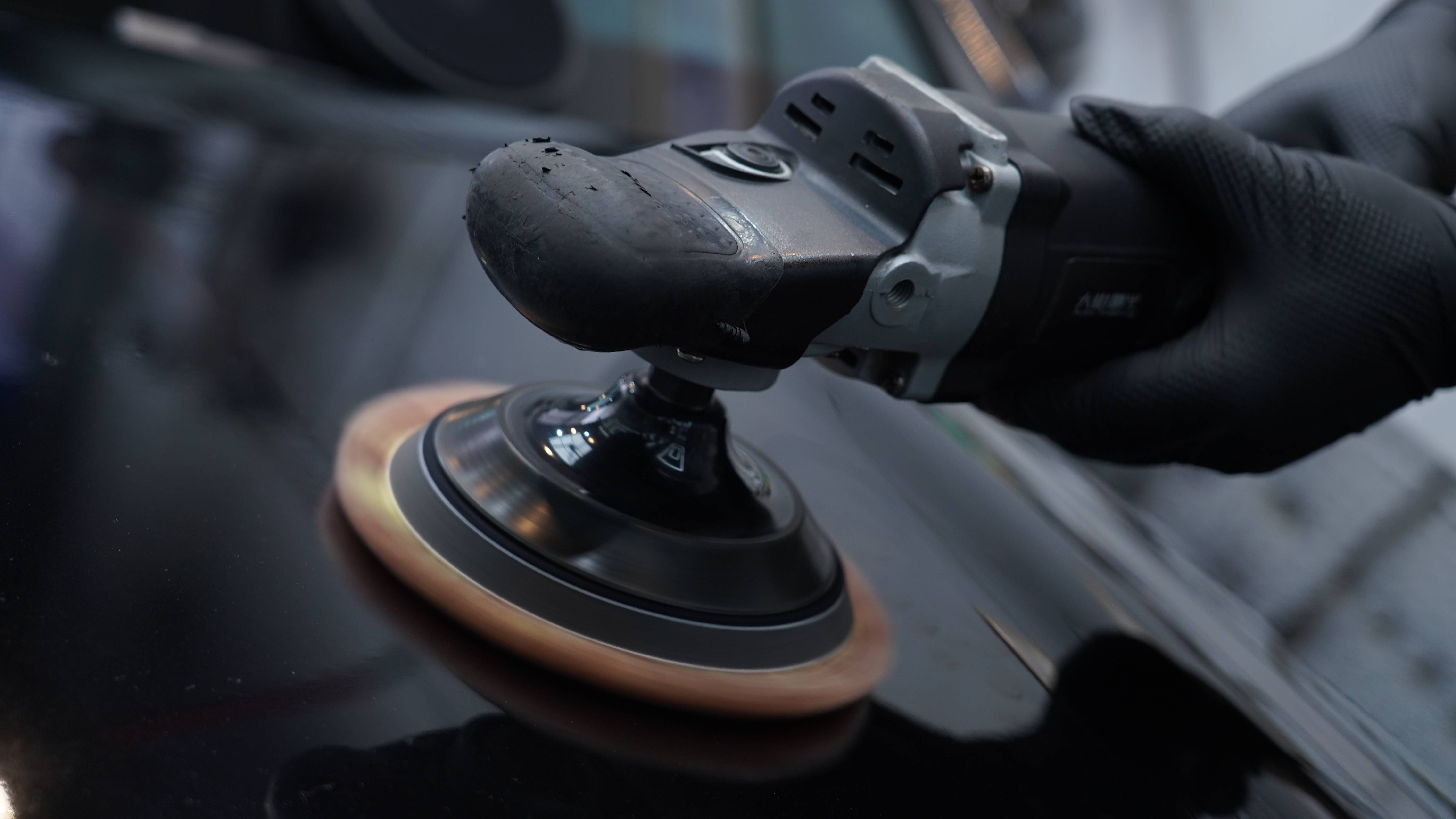
Machine polishing: Using electric polishers — DA (dual action, beginner-friendly) or rotary (professional). DA’s orbital motion creates even, controllable cutting that’s less likely to leave holograms. Rotary provides direct, powerful cutting but demands strict technique.
2.2 Efficiency Comparison
The biggest gap between the two methods:
- Hand polishing a hood: ~40-60 minutes
- Machine polishing the same hood: ~10-15 minutes
- Machine is approximately 4-5x faster
For a skilled technician, full-car machine polishing takes about 2-3 hours. Hand polishing the entire car by hours is impractical.
2.3 Quality Comparison
Hand polishing advantage: Precision. Can sense paint condition changes in real-time, adjusting force and direction. Superior for small scratches near door handles, irregular defects near light edges.
Machine polishing advantage: Uniformity. Fixed motion patterns eliminate fatigue-induced inconsistency. Large-area results are more consistent — no bright spots next to dull spots.
For mirror finish quality, machine polishing generally outperforms. DA with appropriate compound achieves near-perfect mirror restoration.
2.4 Paint Safety
Hand polishing: Lower damage risk — your palm senses temperature increase and friction changes, instinctively reducing force. Hard to damage paint unless using excessive force.
Machine polishing: Risk lies in “invisible force” — high-speed operation rapidly raises paint temperature. Improper technique (too fast, too much pressure, lingering too long) can easily burn through clear coat.
Safety note: OEM clear coat is only 30-50 microns. Each polish removes 2-5 microns. More than 2 polishes per year or 5 cumulative polishes risks irreversible damage.
Beginners using machines should practice on scrap panels first.
3. When to Use Each Method
3.1 Hand Polishing Scenarios
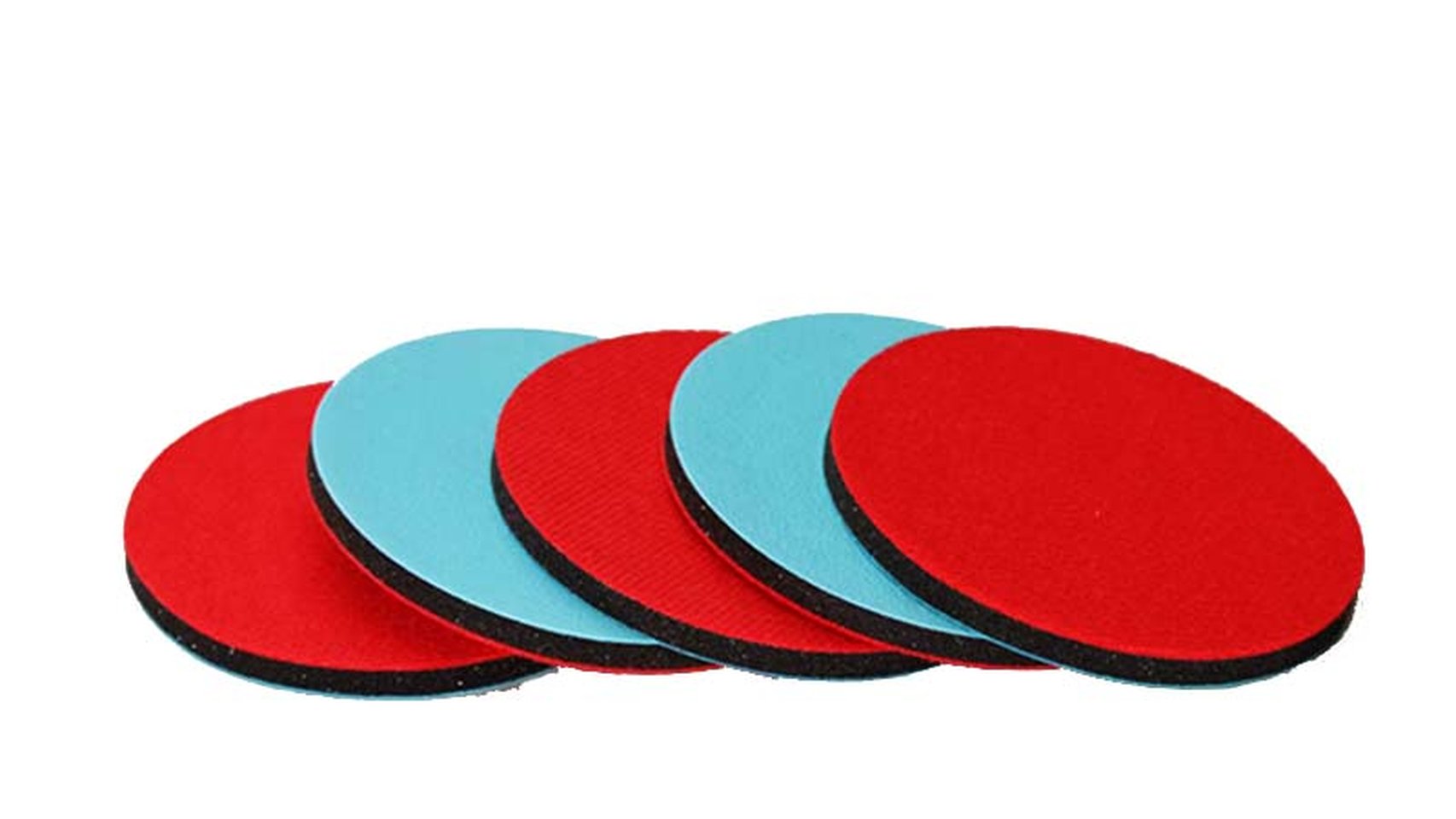
Small-area spot treatment: Scratches near door handles, small overspray spots — no need for a machine. Hand polish with pad and product, done in 10 minutes. DianYe J1 Cleaning Wax is ideal — gentle on clear coat, hand-applied circular motion, beginner-friendly.
Complex shapes: Mirror edges, bumper curves, door recesses — areas the machine pad can’t reach. Hand polishing can address details the machine cannot.
Post-repaint touch-up: After DIY touch-up, surface isn’t perfectly smooth. Hand polish for fine adjustment. DianYe J1 hand-buffed can fix minor color mismatch or overspray.
Beginner practice: All beginners should start with hand polishing. Build paint-feel awareness before using machines.
Product testing: New product? Test on a small area by hand first — low cost, low risk.
3.2 Machine Polishing Scenarios
Large-area leveling: Hood, roof, trunk — machine efficiency advantage is clear. DianYe J2 Water-Based Polish with DA machine — water-based formula dissipates heat fast, 30%+ higher cutting efficiency than oil-based products.
Oxidation removal: Full-car oxidation requires machine power. J2 with coarse cutting pad removes 90%+ oxidation in a single pass vs. 3-4 hand applications.
Deep scratch treatment: Clear coat scratches are hard to fully remove by hand. Standard approach: J2 compound to remove scratches → J5 finish for mirror gloss.
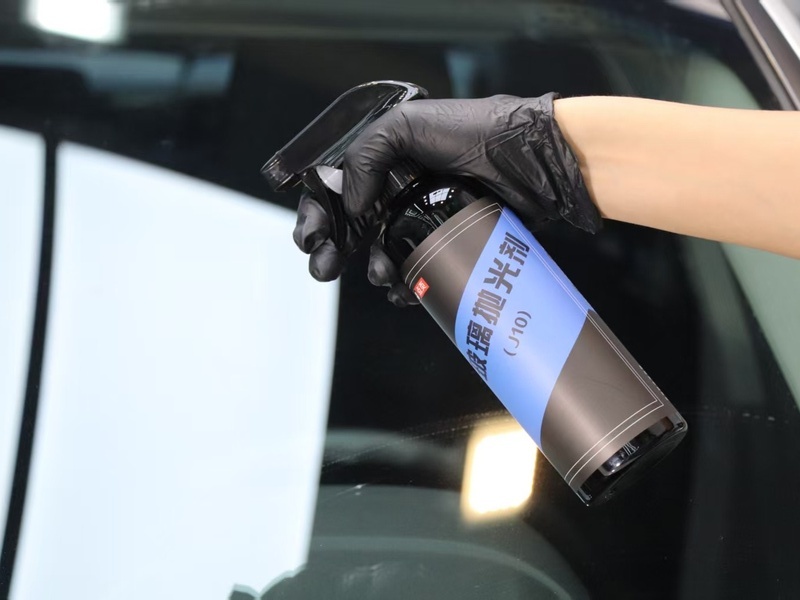
Post-polish mirror finishing: DA + DianYe J5 Mirror Finish Agent for final mirror effect. J5’s nano abrasives fill micro-scratches for true mirror finish.
Professional work: Machine is standard for commercial services.
3.3 Combined Standard Process
Machine compound → Hand detail → Machine finish
Step 1: Machine polish for overall rough treatment Step 2: Hand supplement for edges and missed spots Step 3: Machine + J5 for final brightening
4. How Beginners Should Choose
4.1 Complete Beginner
Start with hand polishing. Three reasons:
- Low barrier, low risk — build feel and paint awareness
- Low equipment cost — polishing pad + product, under $15
- Sufficient for common scenarios — small scratches, overspray, light oxidation
4.2 Intermediate (hand polishing experience)
Consider a DA polisher. DA is the most beginner-friendly machine — orbital motion provides controllable cutting, low hologram risk.
| Parameter | Recommended Range | Notes |
|---|---|---|
| Orbit throw | 12-15mm | Larger = more cutting |
| Speed | 2500-6000 RPM | Combined with throw determines cutting |
| Power | 300W+ | Below this stalls under pressure |
4.3 When You Need a Rotary
Rotary is significantly more powerful than DA — for deep scratches, heavy oxidation. But technique demands are much higher.
Requirements before considering rotary: Proficient with DA on multiple paint types, multiple machine polishing experiences, solid paint condition assessment skills.
Important: Beginners should never start with rotary. Always DA first, rotary later.
5. Hand Polishing Practical Tips
5.1 Preparation
- Thorough wash with two-bucket method
- Mask emblems, lights, rubber, plastic trim
- Assess paint condition by touch
- Test in inconspicuous area first
5.2 Application Technique
- Product amount: soybean-sized, spread thin
- Direction: horizontal overlapping strokes, not circular
- Pressure: arm weight only, don’t press
- Temperature: stop if noticeably hot
- Section by section: check each before moving on
5.3 Post-Application
- Wipe all residue with clean microfiber
- Inspect under strong light from multiple angles
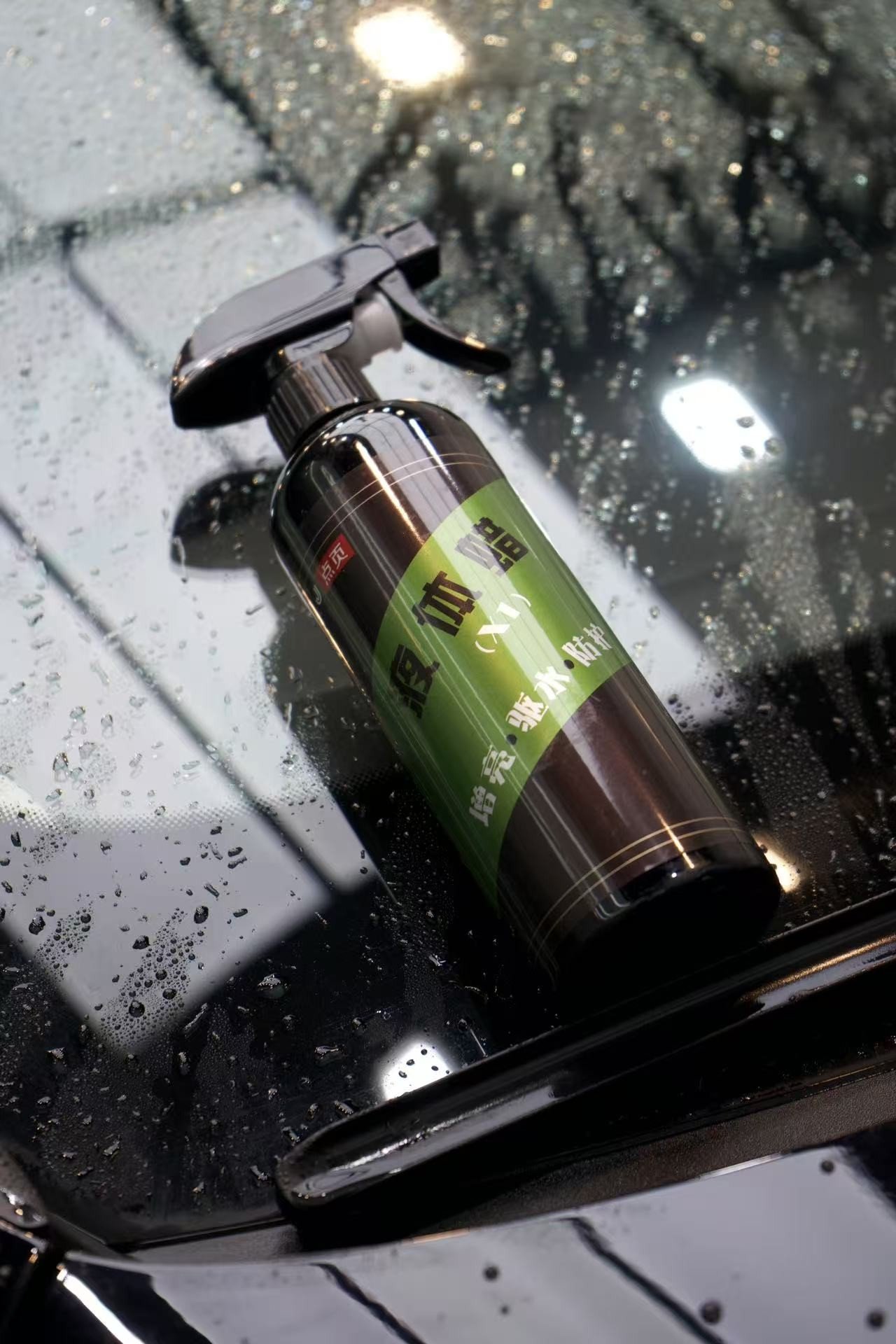
- Protect within 1-3 hours (wax, sealant, or coating)
- Record products used and results for future reference
6. Machine Polishing Tips (DA Basics)
6.1 Proper Handling
- Two-hand grip: front for direction, rear for support
- Pad parallel to paint — never tilted
- Uniform speed: ~one pad diameter per second
- 30-50% overlap between passes
6.2 Speed and Pressure
| Product Grade | Recommended Speed | Pressure |
|---|---|---|
| Coarse cutting | 4000-5000 RPM | Heavier |
| Medium cutting | 3500-4500 RPM | Medium |
| Fine finishing | 3000-4000 RPM | Light |
| Mirror finish | 2000-3000 RPM | Lightest |
6.3 Common Errors
- Too fast/too much pressure: Paint overheats, holograms appear. Lower speed/pressure, pause when hot.
- Lingering too long: Local over-cutting creates dips. Keep moving.
- Dirty pad: Old product contaminates new application. Clean between product changes.
- Poor edge blending: Obvious step between polished and unpolished areas. Gradually reduce pressure at edges.
7. Polishing Frequency and Paint Protection
7.1 Frequency Control
- Full-car polish: max 1x/year
- Spot polish: as needed, but track total count
- OEM paint: no more than 5 cumulative polishes
7.2 Post-Polish Protection Options
- Wax: $15-30, 2-3 months duration
- Sealant: $75-150, 6-12 months
- Ceramic coating: $375-750, 1-3 years
8. Summary
My recommendation: Beginners start with hand, experienced users use machine primarily with hand as supplement, rotary only for deep issues.
Hand polishing is low-barrier, low-risk for daily small issues. Machine polishing is high-efficiency, high-quality for large areas. They complement rather than replace each other.
Before choosing a method, understand your paint’s actual condition and real needs. Hand vs machine — there’s no absolute better, only what’s suitable. Different methods suit different scenarios, different products suit different problems. Not every paint issue needs polishing, and not every issue needs the most aggressive approach. Sometimes the simplest method is the correct one.