
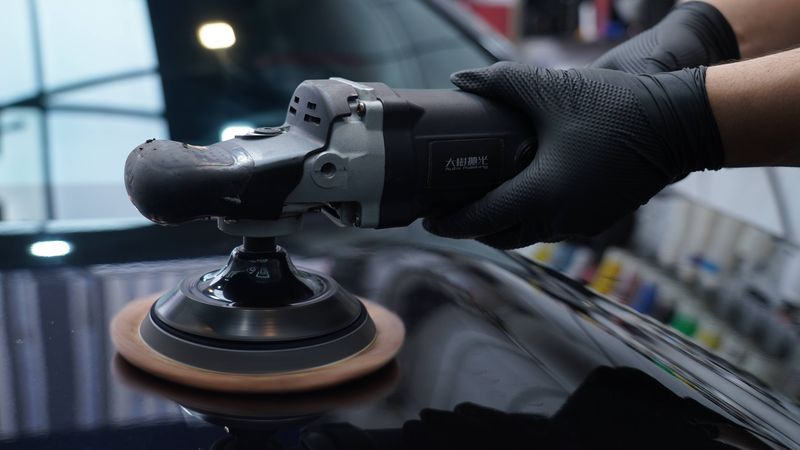
When you excitedly pick up your new car and examine it carefully in sunlight, do you notice fine scratches on the hood and roof? These lines visible in backlight are the dreaded “swirl marks” that trouble countless new car owners. Don’t panic — you’re not unlucky. About 85% of new cars already have varying degrees of fine scratches at delivery, primarily from transport vibration/friction, frequent dealership repositioning, and pre-delivery washing.
New car paint isn’t as “flawless” as imagined. OEM clear coat is typically 35-50 microns thick. Every improper wash or wipe can leave marks on this seemingly thick protective layer. Rather than waiting until scratches accumulate into “wrinkles,” establish scientific paint care awareness from day one.
1. New Car Paint Truth: Not Perfect at Delivery
1.1 Your “New Car” May Not Be Perfect
Many owners hold “OEM paint is precious, can’t touch it” beliefs, then discover scratches and face a dilemma: treat it and risk damaging factory paint, or leave it and suffer visually. This worry is largely unnecessary.
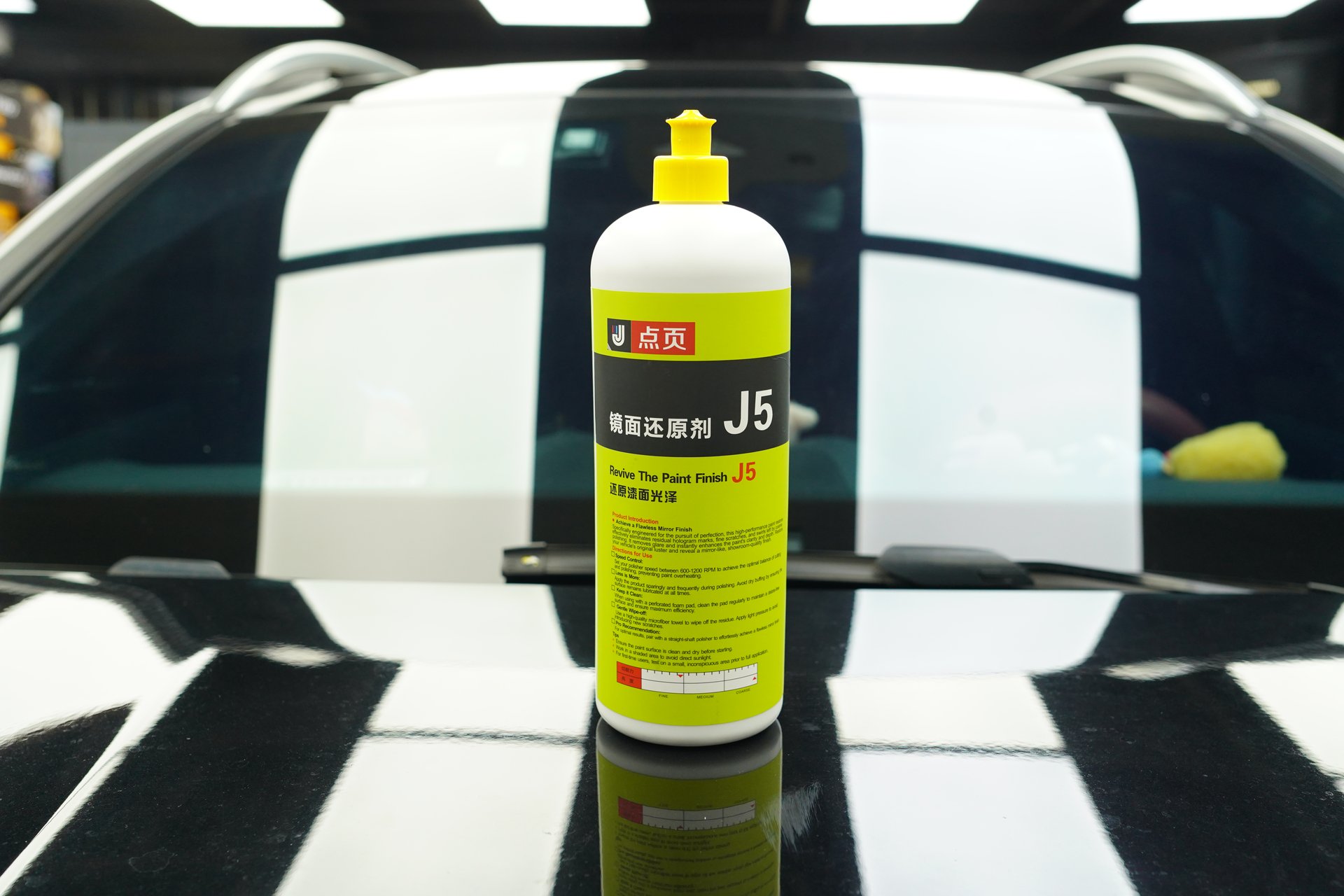
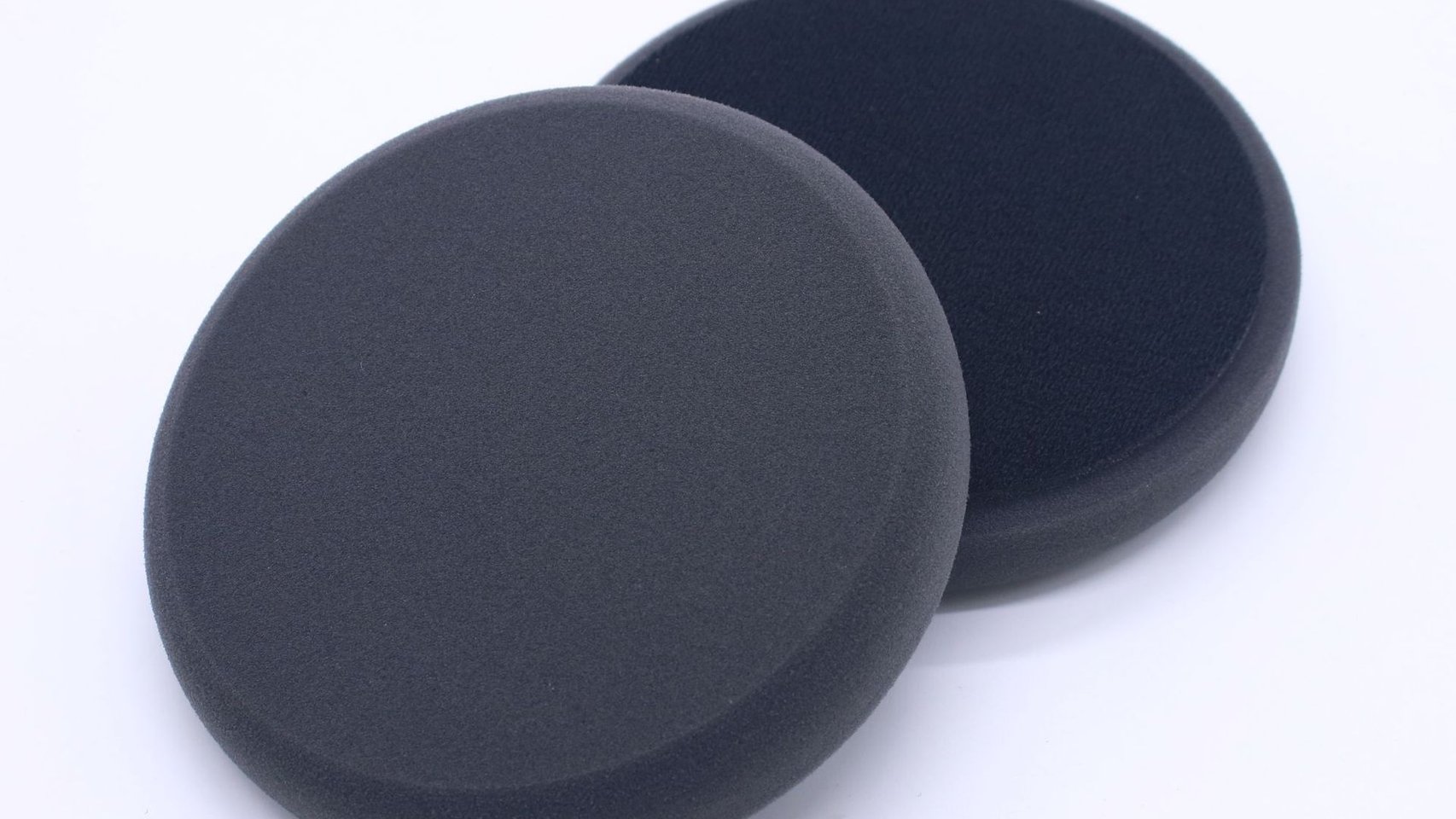
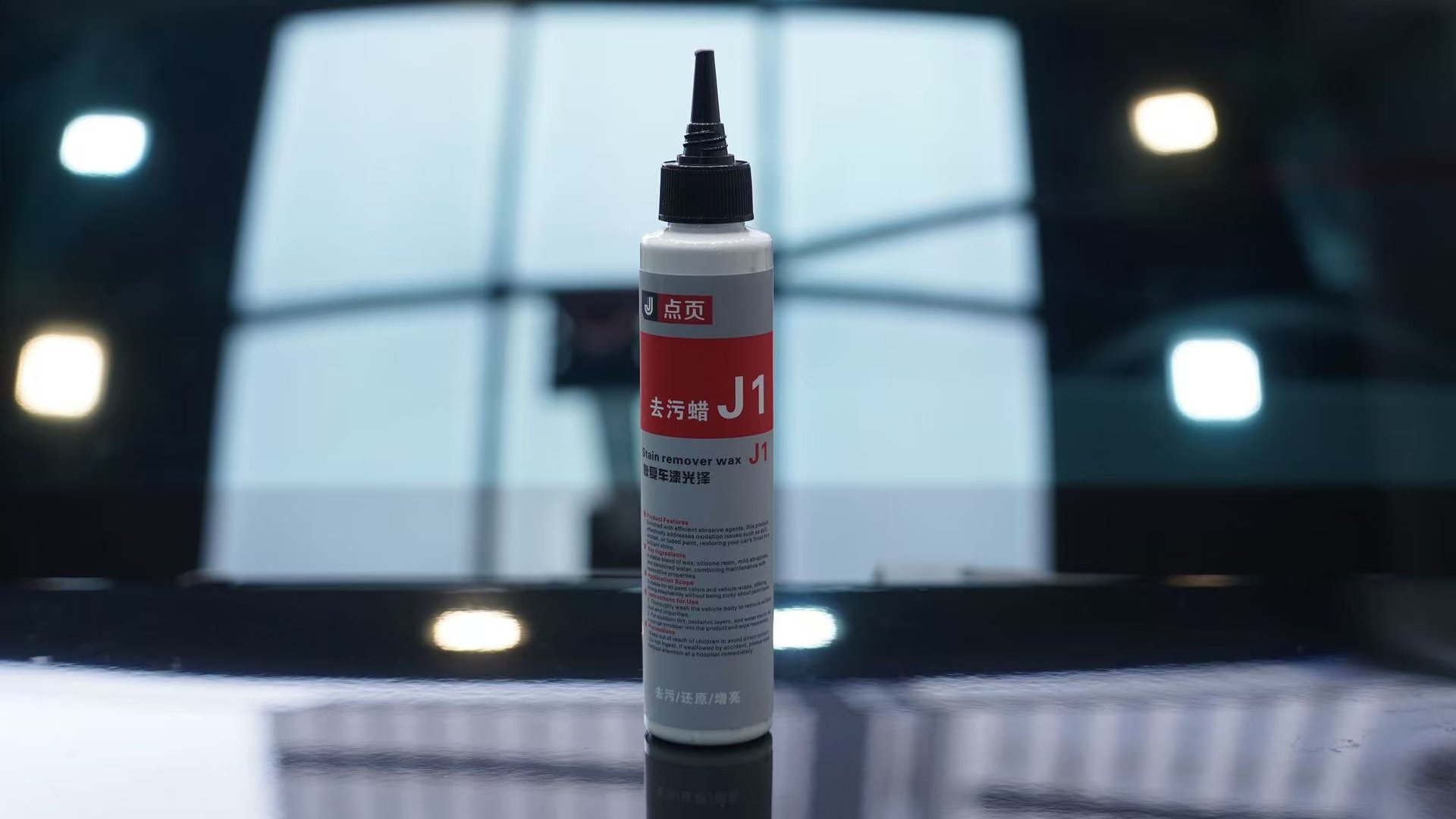
OEM paint is a precision multi-layer system:
- E-coat (15-25μm): Base rust prevention
- Primer (30-40μm): Impact and UV protection
- Base coat (15-25μm): Color
- Clear coat (35-50μm): Gloss and scratch protection
Total: 80-150 microns facing all physical friction and chemical attack.
85% of new cars have fine scratches at delivery, per Pacific Auto research of thousands of new car owners. These fall into three categories: transport scratches, dealership wash marks, and pre-delivery cleaning swirl marks. Most remain in the clear coat surface only, not reaching the base coat — within “repairable range.”
1.2 Swirl Marks: The Most Common New Car Paint Issue
Swirl marks are radiating fine scratches visible under direct sunlight or lamp illumination, resembling sun rays. Width: 0.01-0.05mm, depth within the clear coat layer.
Three main causes: improper washing (grit in towel), wrong waxing technique (wax drying in sunlight), environmental factors (sand/dust in windy areas). ~65% of swirl cases directly relate to improper washing.
Key insight: Swirl marks affect appearance but only damage the clear coat surface. They can be fully repaired through professional polishing without compromising OEM paint structural integrity.
1.3 Clear Coat Thickness: How Much “Budget” Do You Have?
OEM clear coat: 35-50 microns. Each professional polish removes 1-3 microns. A 40-micron clear coat disappears after 10 heavy polishes. Hence the professional rule: no more than 5-6 heavy full-car polishes.
However, light mirror finishing vs. heavy compound cutting consume very differently. Light finishing stays within 1 micron; heavy cutting reaches 3+ microns. Semi-annual light finishing is completely safe throughout the vehicle’s life.
2. Three Major New Car Care Misconceptions
2.1 Myth: New Cars Don’t Need Care
“New cars have factory protection film, no need to worry.” Wrong. Threats begin at delivery:
- UV is the #1 clear coat enemy: Accelerates molecular chain aging, 3-5 years leads to visible gloss loss
- Acid rain and bird droppings: Uric acid can quickly corrode clear coat, leaving permanent etch marks
Timeline: First basic care within 7 days of delivery; then every 3 months; annual deep inspection.
2.2 Myth: New Car Scratches Require Heavy Polishing
“Swirl marks are this obvious, must polish heavily.” This is a costly error.
95% of new car scratches are light to moderate, requiring only light mirror finishing. These scratches are typically under 5 microns deep — no need for high-cutting products. Over-aggressive polishing unnecessarily consumes clear coat and may create new scratches.
Simple depth test: Run fingernail across the scratch. No catch = surface oxidation only. Feelable but no catch = shallow clear coat. Catches nail = reached base coat, needs professional touch-up.
2.3 Myth: More Expensive Is Always Better
Ceramic coating provides excellent protection, but diminishing returns apply. Coating may score 90 points, wax 80 points — the 10-point gap costs 3-5x more.
Choose based on actual needs. Daily commuter: regular wax is sufficient. Frequent outdoor parking: consider higher-spec protection.
Pre-coating preparation is critical: Professional polishing before coating improves adhesion ~30% and extends duration ~50%.
3. New Car Paint Care Plans: From Basic to Professional
3.1 Plan 1: Daily Care — For All New Car Owners
Core goals: maintain cleanliness, reduce damage, slow aging.
Solid cleaning wax: 3-in-1 (clean/shine/protect), hand application, rinse immediately after application.
Liquid quick wax: Spray design, full car in ~10 minutes, brighten/repel water/protect in one step, no machine needed.
Golden rule: Pre-rinse 2+ minutes; pH 6.5-7.5 neutral soap; microfiber towels.
3.2 Plan 2: Light Repair — For Cars Under 1 Year
For visible swirl marks with limited depth: light mirror finishing plan.
Core is “light” — use fine finishing products, not high-cutting products. Works on clear coat surface, eliminates fine scratches and oxidation with negligible clear coat consumption.
Recommended speed: 600-800 RPM — balances effectiveness with maximum clear coat protection.
3.3 Plan 3: Medium Repair — For Cars with Obvious Swirl Marks
When light finishing isn’t enough: medium cutting + finishing combination.
Step 1: Water-based polish at 1500-1800 RPM (beginners: 1200-1500 RPM) for medium treatment Step 2: Fine finishing agent at 600-800 RPM for mirror restoration Step 3: Inspect and apply protection
Critical: Water-based polish must be followed by finishing agent. Bare polished paint exposed over 2 hours increases oxidation risk.
4. Water-Based Polish Products: The Core Choice for New Car Repair
4.1 Why Water-Based Over Traditional Oil Wax
Traditional oil wax uses mineral oil/synthetic wax with high filler content. Efficient cutting and good immediate coverage, but fillers accumulate in paint micro-pores, causing dullness over multiple applications. Requires dedicated degreaser to remove.
Water-based polish uses water-based formula, no fillers, cutting comes entirely from abrasives. No filler residue, can proceed directly to any care step. Better environmental profile and lower VOC.
4.2 Application Process
For new cars with visible swirl marks, J2+J5 combination recommended:
- J2 water-based polish + machine, 1500-1800 RPM, 3-5 minutes per section, rinse
- J5 finishing agent, 600-800 RPM, eliminate J2 micro-swirls
- Inspect and apply wax or ceramic protection
4.3 Why Gentle Treatment for New Car Swirl Marks
Professional principle: gentle defect removal, no excessive cutting. New car clear coat is at its best — sufficient thickness but not unlimited. Gentle methods preserve maximum clear coat for decades of future care.
5. New Car Care Timeline
5.1 Three Key Timepoints
Within 7 days of delivery: First golden window. Basic cleaning and protection. Good condition = daily care; visible scratches = professional light finishing.
3 months: First “mini-test.” After one season of sun and rain, check for light gloss loss or oxidation.
1 year: Major assessment. Full paint inspection, evaluate clear coat thickness, plan next year’s care. Best timing for ceramic coating preparation.
5.2 Paint Type Differences
Japanese cars (Toyota, Honda, Mazda): Softer paint, thinner clear coat (35-40μm). Gentler treatment, prioritize fine finishing.
German cars (VW, BMW, Mercedes): Harder paint, thicker clear coat (50μm+). Can handle medium treatment but avoid over-polishing.
Special colors (pearl white, metallic red, blue): Require more precise color matching — seek professional care.
5.3 Product Pairing
Budget-focused: Daily cleaning wax + liquid quick wax. Simple operation, no equipment needed.
Balanced: Annual fine finishing + daily cleaning wax maintenance. For owners who invest time in regular care.
Professional: Water-based polish + finishing agent combo + daily maintenance products. Most complete system for demanding owners.
6. Summary
85% of new cars have scratches at delivery. Swirl marks only damage the clear coat surface and are fully repairable through professional polishing.
Three misconceptions: thinking new cars don’t need care, needing heavy polish, and expensive = better. In reality, 95% of new car scratches need only light mirror finishing.
J2+J5 combination is the professional choice for obvious swirl marks, effectively restoring gloss while protecting clear coat.
Advice for new car owners:
- Build preventive care awareness — 7-day, quarterly, annual checkpoints
- Choose plans that fit your situation — daily care, light finishing, or medium repair
- Leave polishing to qualified professionals
- Focus on paint health, not perfection — rational assessment, avoid over-care