
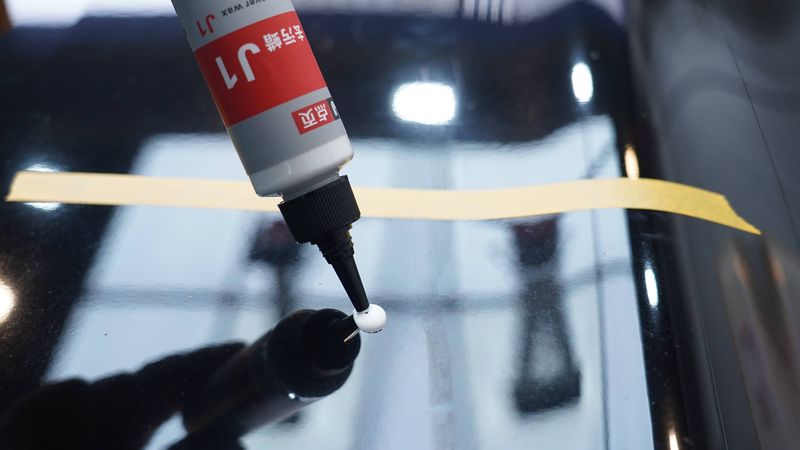
Water-Based Polish vs Traditional Oil Wax: 5 Core Parameter Comparison
In automotive paint care, polish selection directly affects application efficiency and final results. In recent years, water-based polish has become the preferred choice of professional technicians, while traditional oil wax maintains its market share. Where do the core differences lie? This article provides objective comparison across cleaning difficulty, VOC environmental impact, cutting principle, durability, and application safety.
1. Why Polish Selection Matters
Car polish is the core consumable for paint restoration — not just for gloss enhancement, but for removing oxidation, scratches, swirl marks, and other paint problems. Wrong choice leads to:
- Short-lived results: Paint reverts after washing
- High rework rate: Problems not truly solved, repeated polishing damages clear coat
- Poor working environment: Dust and harmful gases affect technician health
Industry data shows ~30% of polishing rework cases directly relate to improper product selection.
2. Five Core Parameter Comparison
1. Cleaning Difficulty: Water-Based Wax Has Clear Advantage
| Item | Traditional Oil Wax | Water-Based Polish |
|---|---|---|
| Cleaning method | Requires dedicated degreaser | Water rinse sufficient |
| Cleaning time | 15-20 minutes | 3-5 minutes |
| Equipment cleaning | Residue hard to remove | Water-clean |
Traditional oil wax uses organic solvents (petroleum distillates) as carrier, leaving oily residue that repels water and requires alkaline degreasers — cumbersome with glove and ventilation requirements.
Water-based polish uses water as carrier with abrasives dispersed in emulsion. Simply rinse with water after application. Equipment cleans with sponge or water. ~70% cleaning time reduction.
2. VOC Environmental Impact: Policy-Driven Choice
| Item | Traditional Oil Wax | Water-Based Polish |
|---|---|---|
| VOC content | 500-800g/L | Under 50g/L |
| Solvent evaporation | Noticeable odor, respiratory irritation | No significant odor |
| Flash point | 40-60°C, fire risk | >100°C, safer |
| Regulatory trend | Facing stricter limits | Compliant with latest regulations |
VOC (Volatile Organic Compounds) is the key environmental metric. With national emission standards implementation and EU REACH influence, traditional oil wax faces increasing regulatory pressure.
Water-based formula replaces organic solvents with water, fundamentally reducing VOC by 97%+. Benefits:
- Better air quality, healthier for technicians
- Indoor work without forced ventilation
- Future-proof against regulations
Note: Some traditional products contain benzene and ketone solvents with long-term liver and nervous system risks.
3. Cutting Principle: Real Cutting vs. Fake Coverage
The most core difference and root cause of result variation.
Traditional oil wax — two schools:
-
Filler type (most common): Wax fills scratch grooves, visually hiding scratches. But this is temporary — high-pressure wash or rain removes fillers, scratches reappear. “Polish doesn’t last a month.”
-
True cutting type (rare high-end): Real grinding formula, but oil carrier limits abrasive concentration.
Water-based polish breakthrough:
Water-based carrier + high-concentration fine abrasives:
- Real cutting: Abrasives (calcined aluminum oxide, Mohs 9) directly remove problem layers
- No coverage: No filler — what you see after application is the real result
- Uniform particle size: Water formula controls particle distribution better
How to identify filler type?: Touch paint after polishing. Waxy/oily feel = likely filler. Smooth and transparent = true cutting.
4. Durability: Real Results vs. False Shine
| Item | Oil-Based Filler Wax | Water-Based True Cutting |
|---|---|---|
| Result source | Filler coverage | Real abrasive removal |
| Wash resistance | Poor, drops after washing | Excellent, lasting |
| Rework rate | High (fillers wash away) | Low (problems truly solved) |
| Duration | Depends on filler thickness | Depends on actual cutting depth |
Many owners experience: freshly polished, mirror-like shine; next wash, gloss drops, scratches reappear. This is the classic oil filler wax problem — fake results, zero durability.
Water-based true cutting doesn’t have this issue. Abrasives have genuinely removed the problem layer, exposing healthy, dense paint. Professional water-based polish maintains gloss for 3-6+ months.
For professional technicians, choosing true cutting means:
- Fewer customer complaints, lower rework
- Better reputation, higher per-job revenue
- Less repeated clear coat damage
5. Application Safety: Dual Protection for Technicians and Paint
Paint safety: Oil wax generates excessive heat during application. Poor heat dissipation causes: rainbow holograms, worsened orange peel, clear coat thermal damage.
Water-based formula dissipates heat significantly better. Water carrier rapidly absorbs and disperses friction heat. With correct technique (≤0.5 sqm per area, ≤30 seconds), overheating is effectively prevented.
Technician health: Oil wax solvent odor causes respiratory irritation, dizziness, nausea, occupational dermatitis with long-term exposure. Water-based has no significant odor, safe in moderately ventilated indoor environments.
Equipment maintenance: Oil residue adheres to pads, affecting elasticity over time. Water residue rinses clean with water.
3. Water-Based Polish Limitations: Objective View
- Temperature sensitivity: May freeze or lose performance in extreme cold. Store at 5-35°C.
- Initial film strength: Slightly lower than oil products; may be affected in extreme humidity (negligible for normal use).
- Price: Higher unit cost due to abrasive purity and dispersion requirements. But considering efficiency, rework, and lifespan, total cost is lower.
4. Scene-Based Selection
When to Choose Water-Based Polish
- Professional shops: Daily multi-car throughput demands efficiency
- Pre-delivery preparation: Need lasting results
- Premium/exhibition vehicles: No tolerance for coverage treatments
- Indoor environments: Limited ventilation (underground garages)
- Long-term-result-focused DIYers: Willing to learn correct methods
Recommended Pairings
| Paint Condition | Recommended | Key Points |
|---|---|---|
| Light oxidation/swirls | Machine + J2 Water-Based Polish | 1500-1800rpm, wool pad |
| Medium scratches/oxidation | Machine + J2 + J5 combo | J2 compound → J5 finish |
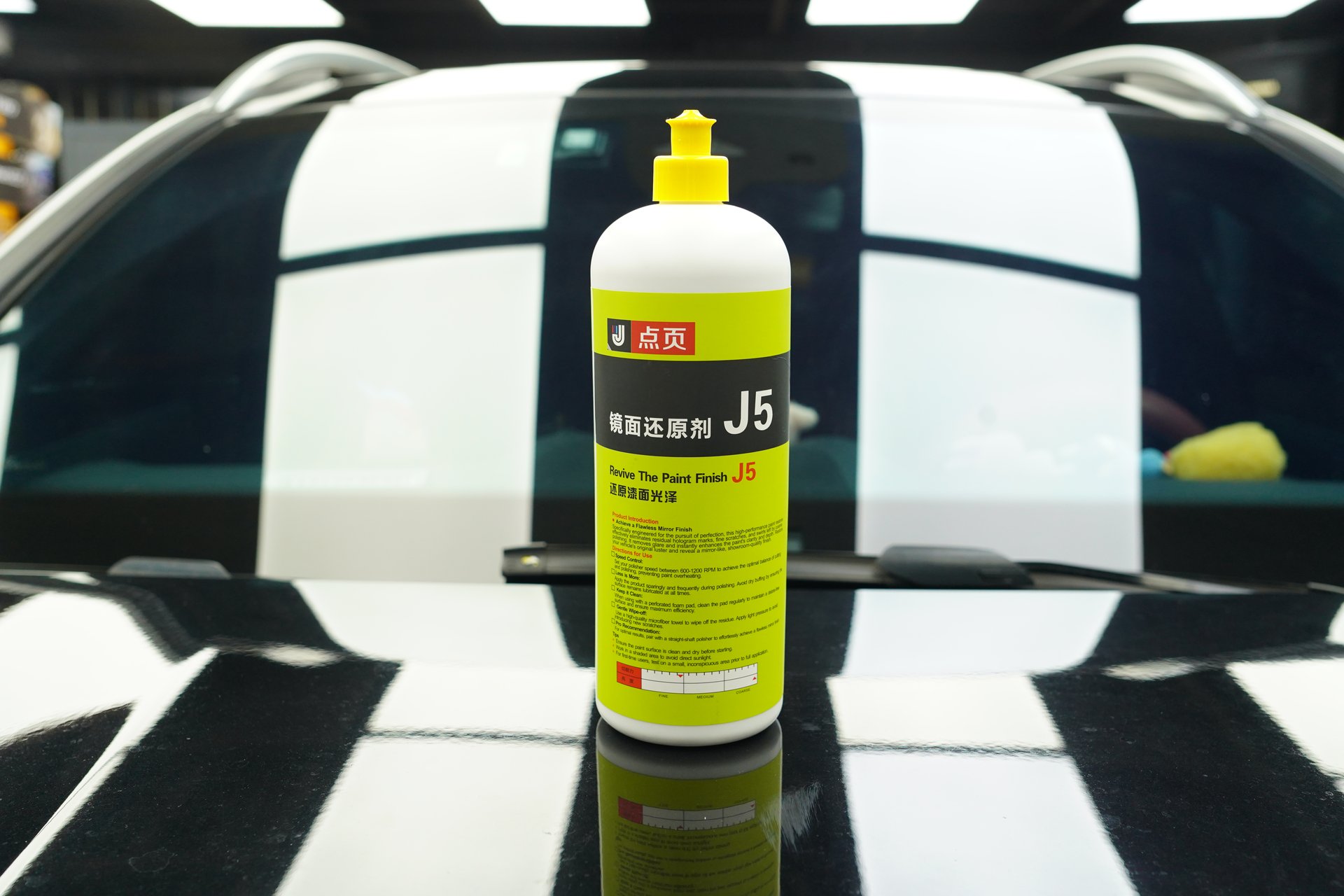
| Light scratches/daily care | J5 Mirror Finish (alone) | 600-800rpm, finishing pad |
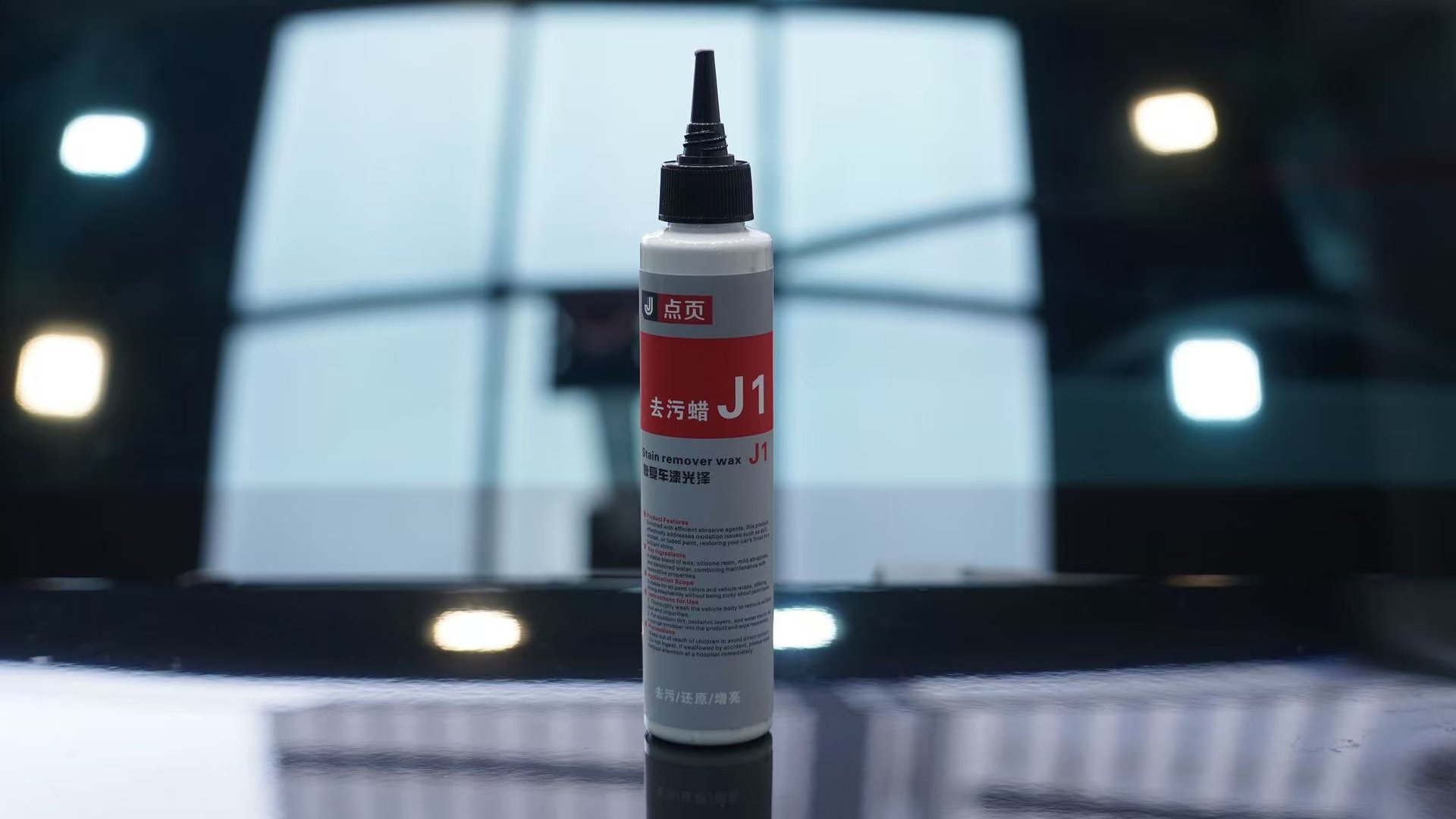
| Daily maintenance | Hand + J1 Cleaning Wax | No machine needed |
| Quick shine/protect | X1 Quick Liquid Wax | Spray, 10-minute full car |
5. Buying Guide: Pitfall Avoidance
- Beware “cheap and efficient” traps: Real cutting power requires quality abrasives. Suspiciously cheap “water-based wax” is likely filler-type.
- Check VOC data: Legitimate products list VOC content. Unsupported “eco-friendly” claims are untrustworthy.
- Test samples first: True water-based products should be: emulsion texture, no oil separation, water-rinsable, produce normal dust during polishing.
- Check after-sales: Professional brands offer technical support — this extends product value.
Conclusion
Water-based polish shows clear advantages over traditional oil wax across cleaning convenience, environmental safety, cutting authenticity, result durability, and application safety. As environmental regulations tighten and market awareness grows, water-based replacing oil-based is the inevitable trend.
For professionals: higher efficiency, lower rework, better reputation. For car owners: longer-lasting protection, healthier environment, more confident purchase.
If you’re looking for a water-based polish that truly solves problems, consider DianYe J2 Water-Based Polish — dedicated water-based formula, 1000g bulk packaging, making every application investment worthwhile.