
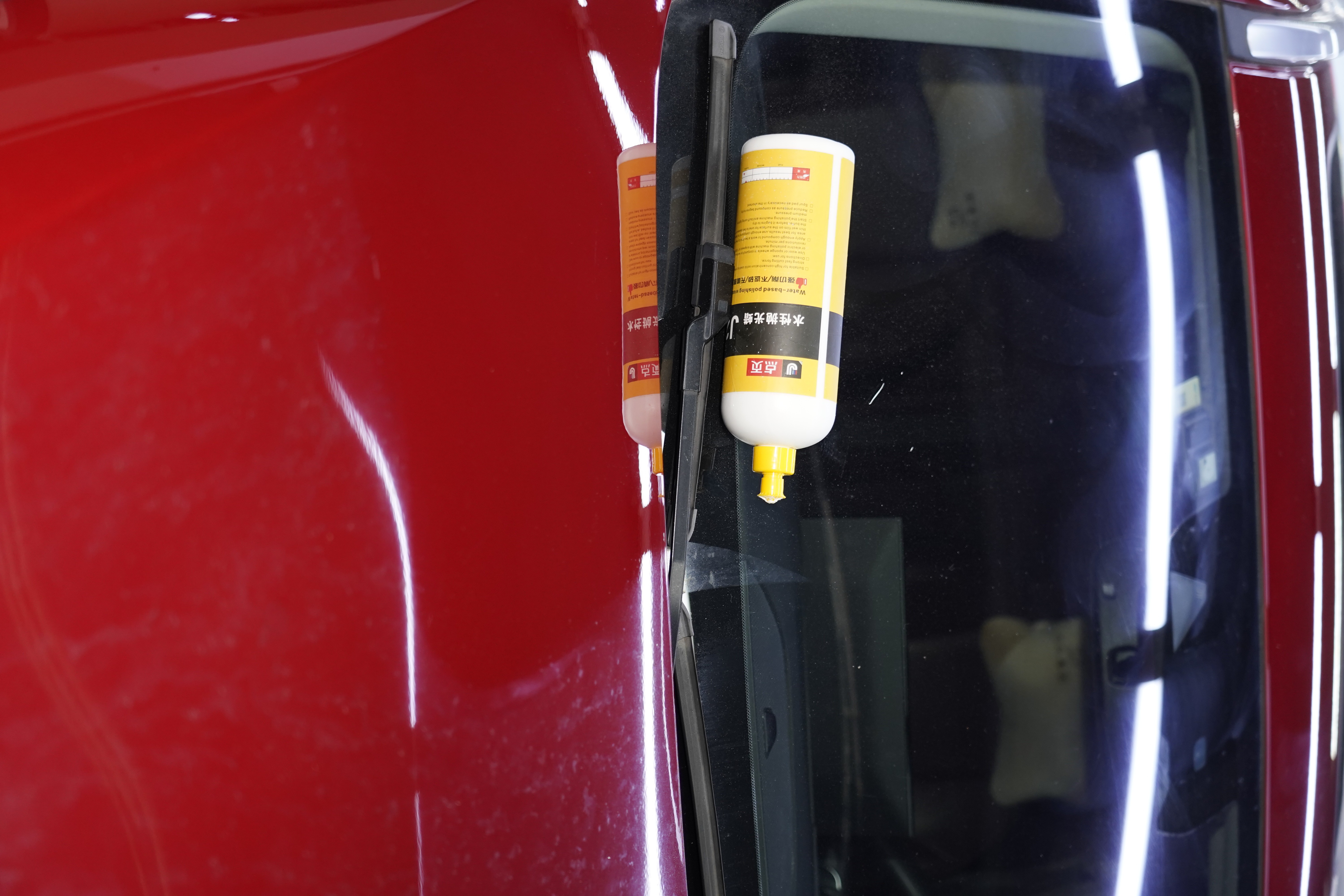
J10 Glass Polish Real Test: Which of Four Oil Film Types Is Hardest to Remove?
In daily driving, windshield clarity directly affects safety. Many owners find that despite regular glass cleaner use, rain driving still produces hazing and glare — typically caused by automotive glass oil film. Oil film not only impairs visibility but creates dangerous glare during nighttime oncoming traffic.
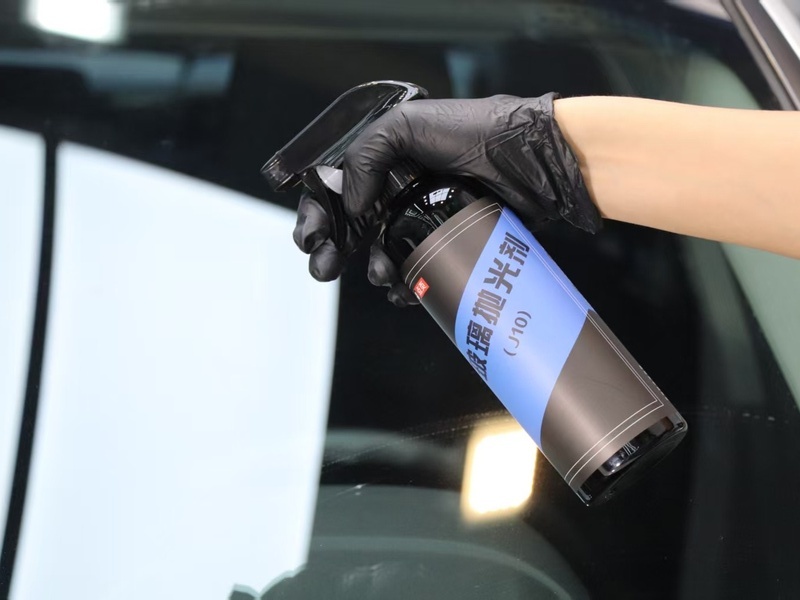
This article tests four typical oil film sources to verify J10 Glass Polish effectiveness, helping owners understand different oil film stubbornness levels and find the most effective solutions.
What Is Automotive Glass Oil Film?
Glass oil film is not simply “oil stain” — it’s a complex contaminant mixture bonded to the glass surface. Main components include unburned hydrocarbons from exhaust, grease particles from road dust, oxidized insect residue, and chemical residue from improper glass care products.
Oil film forms gradually, influenced by:
Exhaust pollution: Most common in city driving. Oil substances from vehicles ahead deposit directly on glass, building up over time.
Biological residue: Summer insect impacts contain protein and oils that oxidize and harden under heat. Bird droppings (uric acid) and tree sap are similarly corrosive.
Improper care: Silicon-based coating wipers or certain glass products leave transparent films if not thoroughly rinsed. Interior smoking creates tar film on inside glass.
Test Design: Four Oil Film Types
Test Conditions
- Vehicle: 2-year-old sedan without deep glass care
- Film level: Moderate to heavy (visible water spots after wiper, nighttime glare)
- Environment: Indoor, 20°C, 55% humidity
- Tools: Polishing pad, polisher at 1500rpm
Four Test Types
Type 1: Exhaust film — Unburned hydrocarbons, evenly distributed, moderate thickness. Most common type.
Type 2: Cooking oil film — From parking near restaurant exhaust. Sticky, yellowish, moderate adhesion.
Type 3: Tree sap resin film — From parking under trees. Yellow/brown marks after sun oxidation.
Type 4: Insect residue oxidized film — Summer insect remains oxidized and hardened by heat and UV. Universally recognized as the hardest type.
Test Results
Process
- Pre-rinse to remove surface dust
- Apply J10 to glass
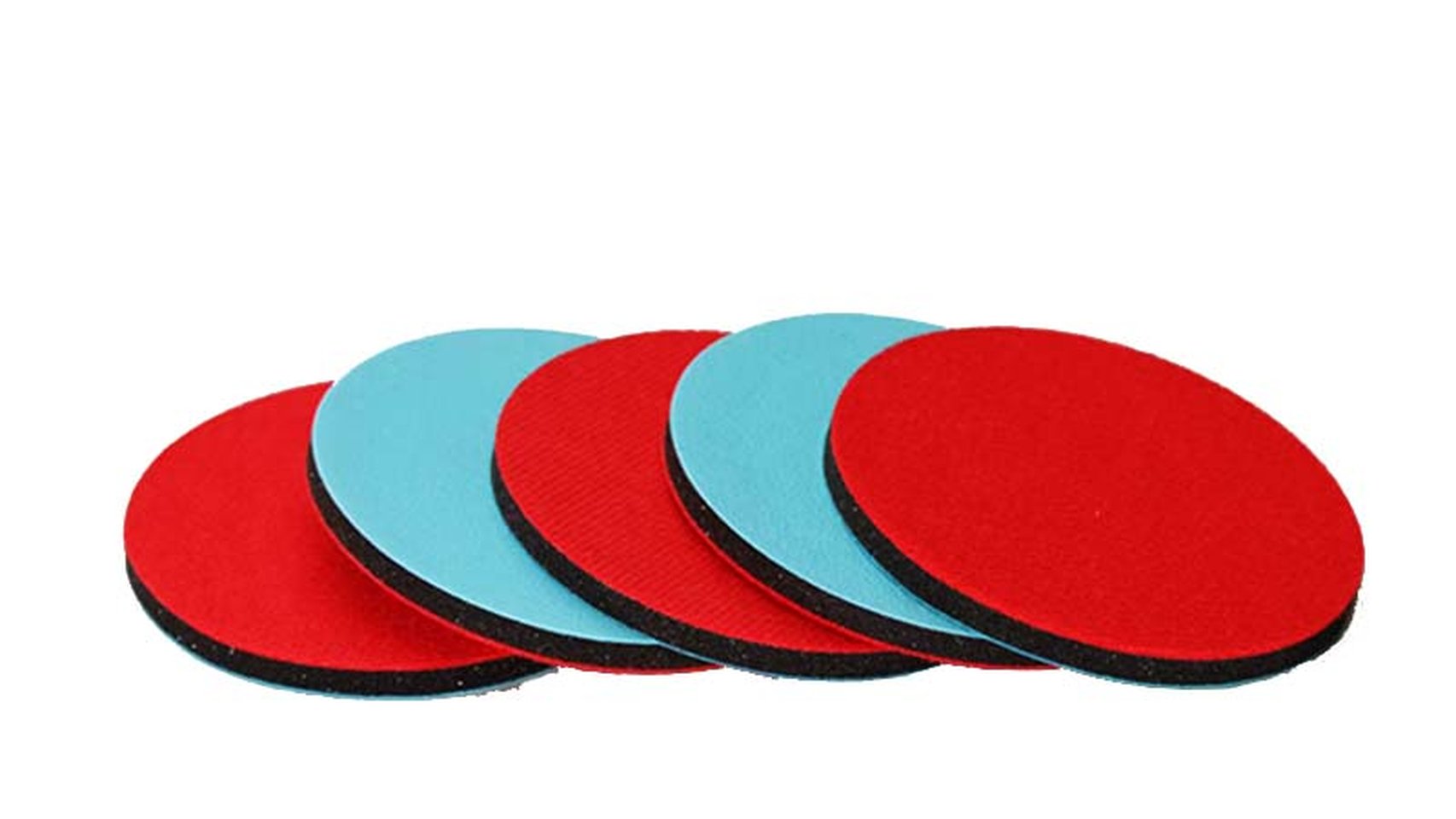
- Polish at 1500rpm with DianYe #1 glass polishing pad in circular motion
- Wipe clean with microfiber, observe results
Difficulty Comparison
| Oil Film Type | Difficulty | Time Required | Result |
|---|---|---|---|
| Exhaust film | ★★☆☆☆ | ~3 min/section | Light transmission restored 95%+ |
| Cooking oil film | ★★★☆☆ | ~5 min/section | Light transmission restored 90%+ |
| Tree sap resin | ★★★★☆ | ~8 min/section | Light transmission restored 85%+ |
| Insect oxidized | ★★★★★ | ~12 min/section | Light transmission restored 80%+ |
Conclusion: Insect oxidized film is the hardest to remove. Insect proteins and oils undergo polymerization under heat, forming near-”chemical bond” attachment to glass that ordinary cleaners cannot fully dissolve. Tree sap follows, with its sticky texture and oxidized hardness increasing grinding difficulty.
J10 Technical Principle
J10 uses rare earth polishing powder as grinding medium — hardness close to but slightly below glass. During high-speed friction, it physically removes the oil film layer without damaging the glass substrate. Unlike traditional “oil-based wax” care products, this is true研磨 cleaning that fundamentally solves oil film rather than merely covering it.
Best results with polisher + machine application. For small areas, hand application with microfiber is also effective. Note: J10 is a glass polish, not a care wax — its function is removing existing oil film and glass swirl marks, not forming a protective layer.
Post-Polish Treatment
Glass can be processed immediately after polishing — no waiting required. Simply wipe away residue with clean microfiber, then proceed to washing or protective products.
This is convenient for owners treating both paint and glass. After using J2 Water-Based Polish on paint, immediately treat glass oil film — the entire workflow is seamless.
Oil Film Removal Method Comparison
Light treatment: Dish soap + water — For fresh thin film. Surfactants decompose some surface oil. Low cost but limited effect, typically recurs within a week.
Medium treatment: Dedicated oil film remover — Contains abrasives or weak acid formula. Uneven hand pressure risks streaks. Effect lasts 2-4 weeks.
Deep treatment: Glass polish + polisher — The most effective professional solution. Physical grinding removes oil film and micro-scratches together. Light transmission recovers to 90%+. Effect lasts 3-6 months.
Prevention Tips
- Parking: Avoid restaurant exhaust, under trees, industrial areas
- Wiper care: Clean wiper blades monthly
- Glass cleaner: Use cleaning-type fluid, not plain water
- Regular cleaning: Weekly with dedicated glass cleaner + microfiber
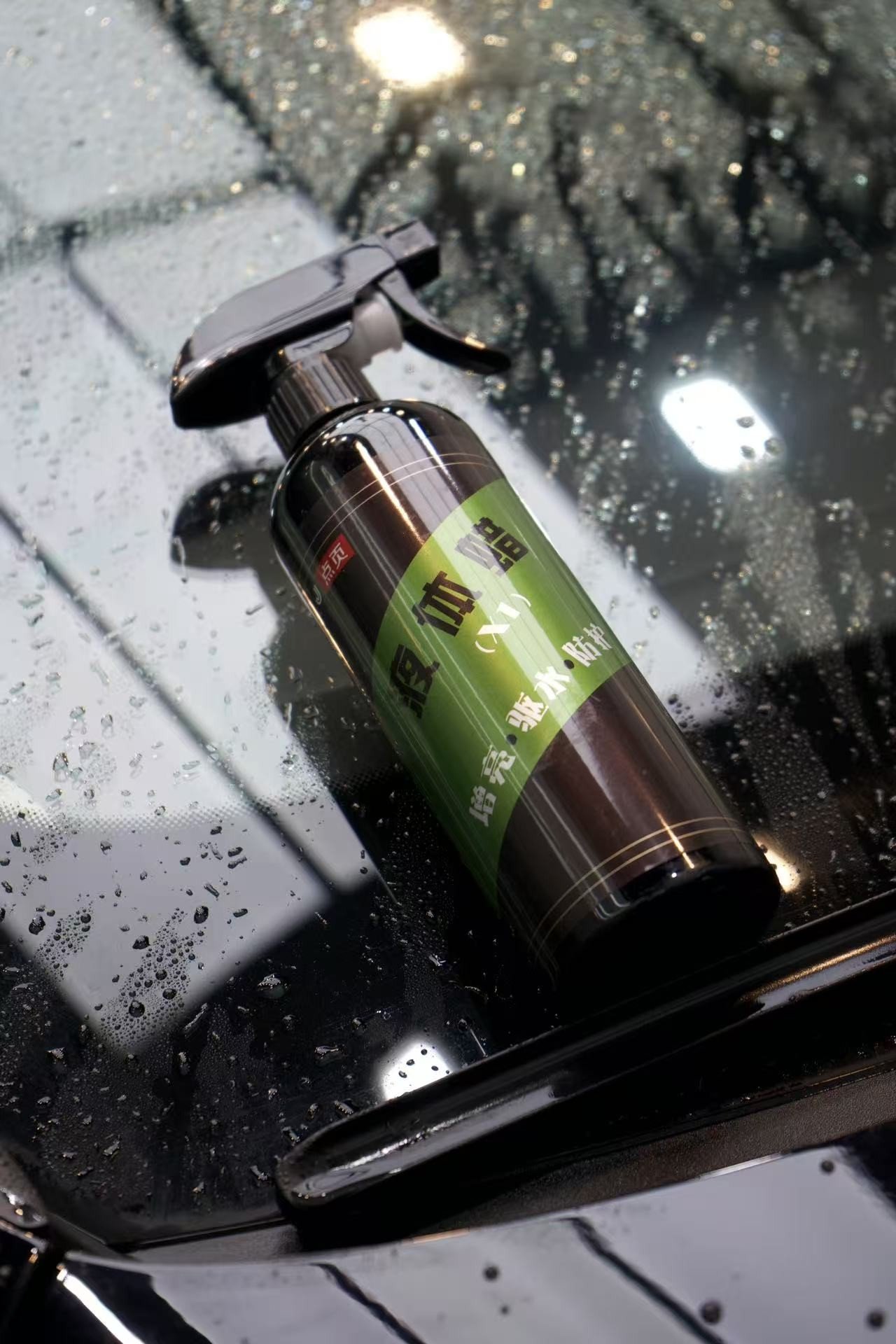
For stubborn film, use J10 for deep cleaning to restore glass to original state. DianYe X1 Quick Liquid Wax can be used for subsequent daily maintenance to slow oil film recurrence.
Summary
- Insect oxidized film is the hardest to remove, followed by tree sap, cooking oil, and exhaust
- J10 Glass Polish effectively handles all tested types with significant light transmission recovery
- Immediate post-polish processing is possible — no waiting
- Daily prevention + periodic deep cleaning is the optimal strategy for lasting clarity
If your windshield has obvious oil film affecting visibility, try DianYe J10 for professional treatment. Clear vision is the foundation of safe driving.