
Car Polishing Beginners Must-Read: 7 Fatal Mistakes Explained in Detail
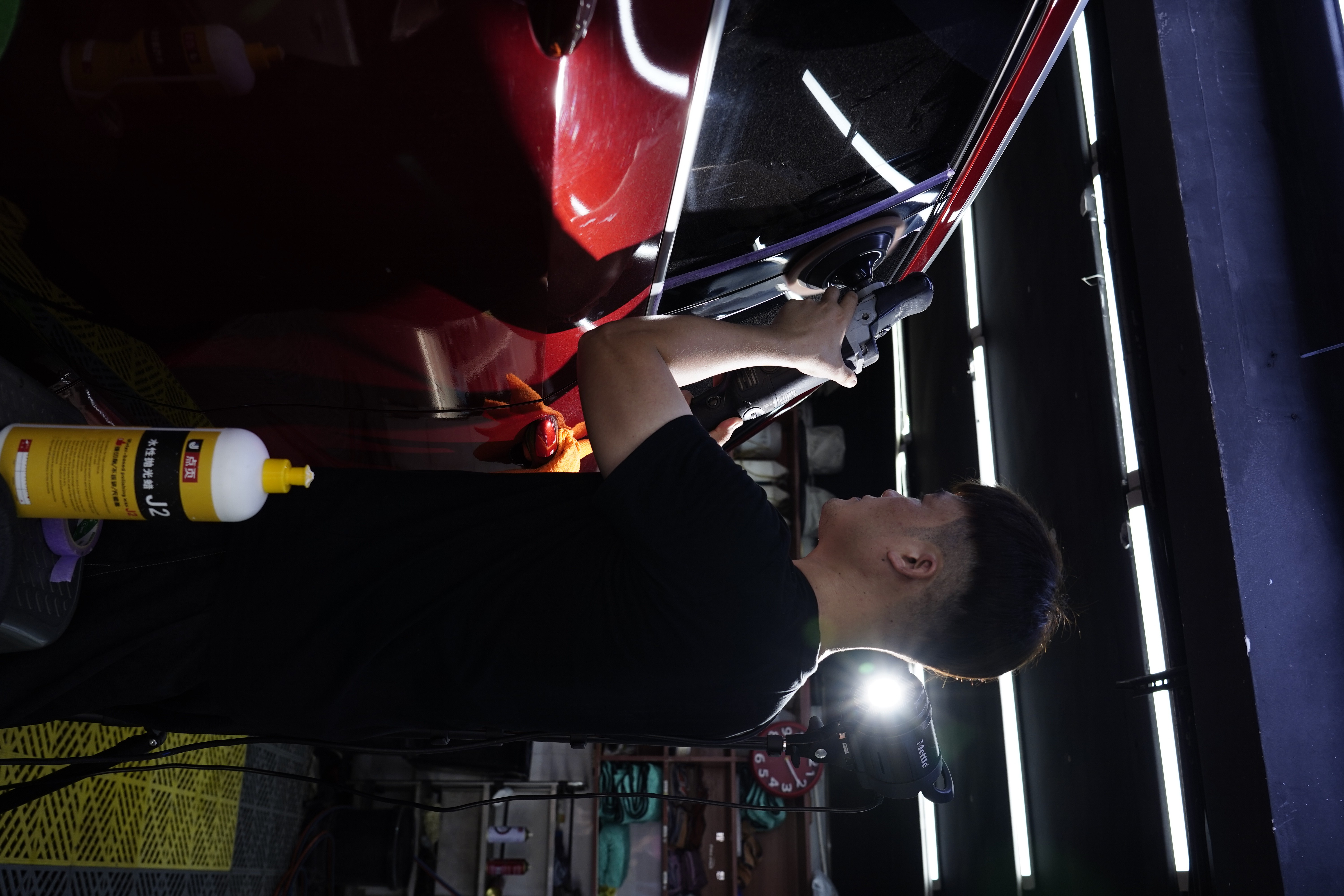
Many car owners watch online polishing tutorials, think it looks easy, and try it themselves to save money. The result? They create hologram swirls in the paint, or burn through the clear coat with excessive pressure, ending up spending more than if they had gone to a professional shop.
As a brand specializing in automotive paint care, we’ve seen too much paint damage caused by improper techniques. Today, we break down the 7 most common fatal mistakes beginners make to help you avoid these pitfalls.
1. Polishing Without Assessing Paint Condition First
This is the mistake 90% of beginners make—seeing a paint problem and immediately reaching for the machine without judging the severity and type.
Wrong approach: Search for a tutorial online, buy a polisher and compound, and start without evaluating the paint.
Consequence: Different paint problems require different solutions. Moderate oxidation can be handled with J2 Water-Based Polishing Wax for coarse polishing; light swirl marks only need J5 Mirror Finishing Agent. Using coarse compound on light scratches is like “using a cannon to kill a mosquito”—wasteful and potentially creating new problems.
Correct approach: Assess the paint condition before polishing.
| Paint Problem | Severity Assessment | Recommended Solution |
|---|---|---|
| Light oxidation, loss of gloss | Hazy from distance, no visible scratches up close | J5 Mirror Finishing Agent |
| Moderate oxidation + scratches | Dull paint visible from distance, clear swirl marks | J2 Water-Based Polishing Wax coarse + J5 finishing |
| Heavy oxidation, cracking | Chalking paint, obvious orange peel | Professional treatment recommended |
Run the side of your palm against the light across the paint to feel smoothness, or wipe with a damp towel and check for granularity. When in doubt, consult before proceeding.
2. Improper Speed and Pressure Control
Polisher speed is not the higher the better, and pressure is not the heavier the more effective.
Common beginner misconceptions:
- Thinking higher speed means higher efficiency, maxing out the RPM
- Believing pressing harder gives better results
- Staying in one spot too long
Test data: With an RO polisher at over 2500 rpm during coarse polishing, paint surface temperature exceeds 60°C within 15 seconds, causing the clear coat to soften and deform. DA polishers are more forgiving, but high speed + heavy pressure will still burn paint.
Correct parameter reference:
| Machine Type | Stage | Recommended Speed | Pressure |
|---|---|---|---|
| DA | Coarse (J2) | 4000-5000 rpm | 2-3 kg |
| DA | Fine | 3000-4000 rpm | 1.5-2.5 kg |
| DA | Finishing (J5) | 2000-2500 rpm | 1-1.5 kg |
| RO | Coarse (J2) | 1500-1800 rpm | 3-5 kg |
Key technique: Use a cross-hatch or “Z” pattern, treating each section (50cm × 50cm) for 3-5 minutes. Never stay in one spot for more than 3 seconds. If the paint feels hot, stop immediately to let it cool.
3. Choosing the Wrong Polishing Pad
Polishing pads aren’t interchangeable—different materials and hardness levels correspond to different application scenarios.
Common beginner traps:
-
Starting with a wool pad: Thinking professional technicians all use wool pads, so they should too. Result: excessive pressure and improper technique create dense hologram swirls, worse than the original problem.
-
Using one pad for everything: Coarse, fine, and finishing all with the same pad. Residual abrasive particles scratch the paint, and the hardness mismatch reduces effectiveness.
Correct pad selection:
| Pad Type | Characteristics | Application |
|---|---|---|
| Wool pad | 1.8x cutting power vs. foam | Heavy oxidation, deep scratches |
| Medium foam pad | Balanced, forgiving | Daily polishing, beginner’s first choice |
| Soft foam pad | Gentle cutting, minimal marking | Fine finishing, mirror treatment |
Japanese car paint (soft clear coat) should use foam pads throughout. German car paint (hard clear coat) can use wool pads for coarse work, then foam for finishing.
4. Ignoring the Working Environment
“Polishing is just sanding the paint—how does the environment matter?”
It matters tremendously.
Fatal environment traps:
-
Working in direct sunlight: High temperatures cause polish to dry too fast, forming clumps before it can abrade properly, creating scratches. Excessively hot paint surfaces are prone to burning.
-
Dusty environment: Any single grain of sand can scratch the paint. What looks clean may hide countless particles under magnification.
-
Inadequate masking: Door edges, mirrors, and other small areas can’t be reached with large pads. Forcing the operation risks damaging surrounding components.
Correct working environment:
- Work in shade, paint surface temperature below 30°C
- Choose a windless, dust-free indoor environment
- Use a light to inspect the paint before starting, checking for hard particles
- Use small polishing heads or hand-polish for small areas
5. Skipping the Wash and Paint Cleaning Steps
This is the mistake impatient people make most: seeing scratches and rushing to start the machine, skipping the most critical cleaning step.
Why is washing mandatory?
The paint surface may look clean but isn’t truly clean. Invisible sand, dust, and car wash soap residue can become “sandpaper” during polishing, leaving dense micro-scratches.
Correct process:
- Assess paint condition
- Two-bucket wash
- Rinse and dry
- Paint inspection (clay bar cleaning)
- Masking protection
- Polishing
- Residue cleaning
- Protection (waxing or coating)
Clay bar treatment is especially important—it removes contaminants that regular washing cannot, elevating polishing results significantly. Many beginners skip this step, causing the paint to mark more easily after polishing.
6. Not Applying Protection Immediately After Polishing
After all that effort polishing, the paint looks brand new, and you think “I’ll wax tomorrow.”
That “tomorrow” may be the start of paint damage all over again.
Polishing removes some clear coat (about 2-3μm per pass). The newly exposed clear coat, directly exposed to air, UV rays, and pollutants, oxidizes 3-5 times faster than normal.
Real case: We processed a car where the owner said “I’ll get the coating done when I have time.” Three months later, the gloss had dropped by half—duller than before polishing.
Protection must be applied immediately after polishing. Beginner recommendations:
| Scenario | Recommended Product | Size | Protection Duration |
|---|---|---|---|
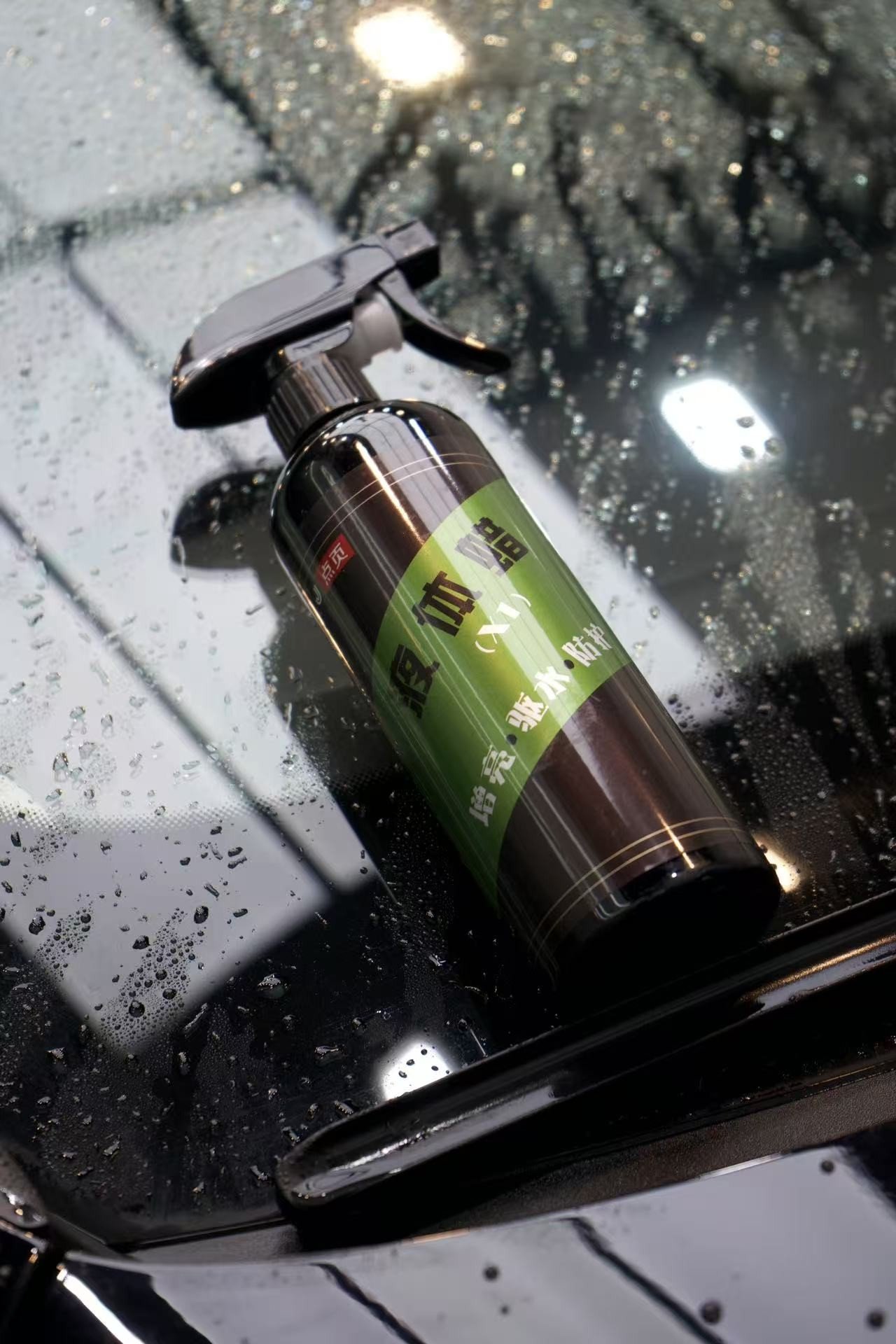
| Instant protection | X1 Quick Liquid Wax | 500ml | Immediate film formation |
| Short-term protection | Carnauba wax | - | 1-2 months |
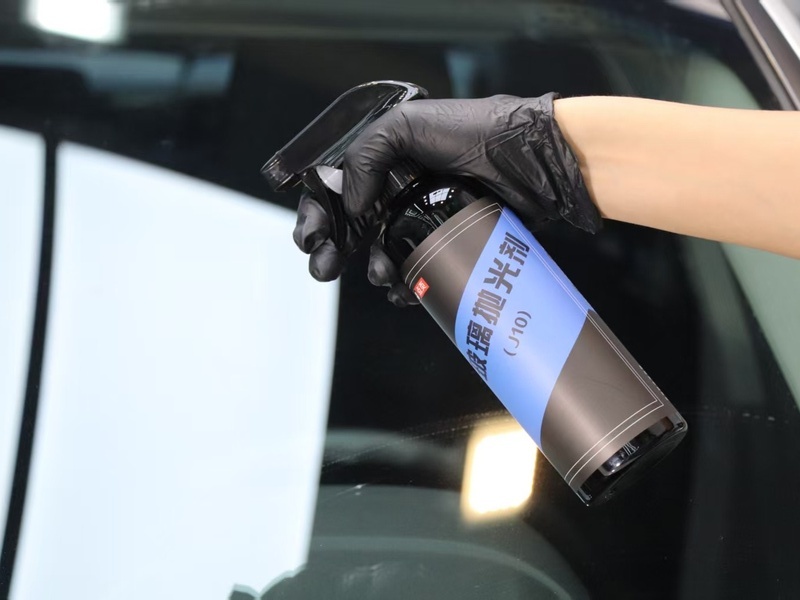
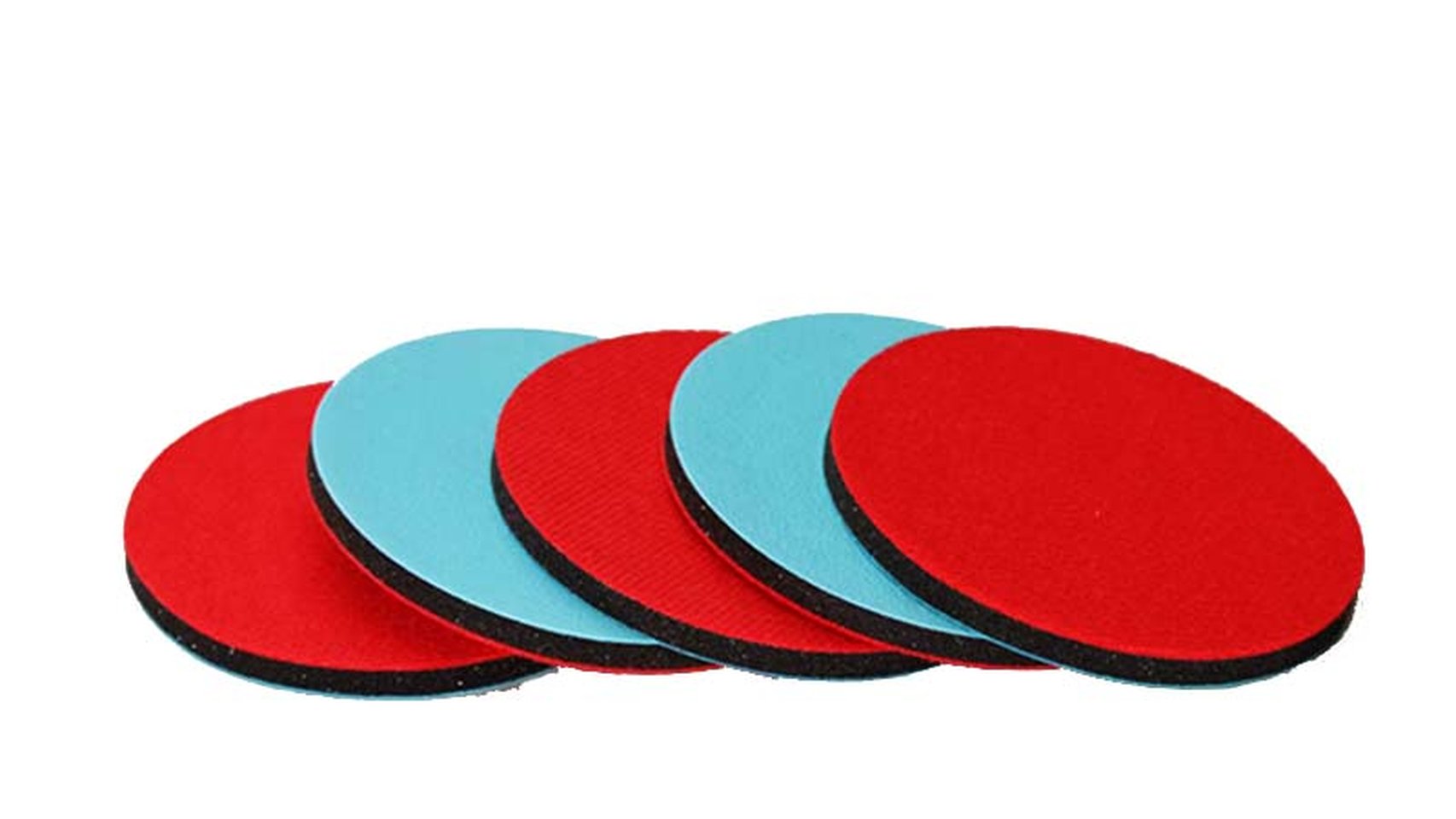
| Glass oil film removal | J10 Glass Polishing Agent | 200ml | Use with #1 glass polishing pad |
7. Ignoring Post-Polish Inspection and Finishing
“Polishing is done, pack up!”
Wait—you’ve missed several critical steps.
Commonly overlooked finishing tasks:
-
Residue removal: Polishing compound residue left on the paint forms an oil film, reducing gloss.
-
Hologram inspection: Under strong light (sunlight or spotlight), view the paint at an angle to check for residual hologram swirls or scratches.
-
Edge treatment: Check edges and crevices for accumulated polishing compound, clean with a detail brush.
-
Overall comparison: Compare gloss before and after polishing, recording results for future maintenance reference.
Inspection technique: Use a flashlight or phone light at a 45° angle to illuminate the paint, observing whether reflections are uniform and free of circular hologram patterns.
Summary: Beginner Polishing Pitfall Checklist
| No. | Fatal Mistake | Correct Approach |
|---|---|---|
| 1 | Polishing without assessing paint | Judge oxidation level and scratch type first |
| 2 | Improper speed and pressure | Follow recommended parameters, use cross-hatch pattern |
| 3 | Wrong pad selection | Distinguish wool vs. foam pads, change per stage |
| 4 | Ignoring work environment | Shade, dust-free, paint temp below 30°C |
| 5 | Skipping cleaning | Must wash and clay before polishing |
| 6 | No immediate protection | Apply X1 Quick Liquid Wax or wax immediately |
| 7 | Skipping final inspection | Clean residue, check holograms, compare results |
Our advice: If it’s your first time polishing, start with a small area (like one hood) to test results before proceeding to the whole car. If you lack confidence or the paint problems are severe, going to a professional shop is the smarter choice.
After all, polishing damage is irreversible—once the clear coat is thinned, it can never be restored.
Beginner product combination reference:
- Light issues (swirl marks, slight oxidation): J5 Mirror Finishing Agent + soft foam pad
- Moderate issues (moderate oxidation, scratches): J2 Water-Based Polishing Wax + medium foam pad → J5 finishing + soft foam pad
- Instant protection: X1 Quick Liquid Wax, rapid film formation, polish then protect
- Glass oil film removal: J10 Glass Polishing Agent + DianYe #1 glass polishing pad
Choose quality brand polishing products and combine with correct technique for lasting paint results.