
Car Paint Water Spots Getting Worse? Assess Severity First — Expert 3-Step Guide
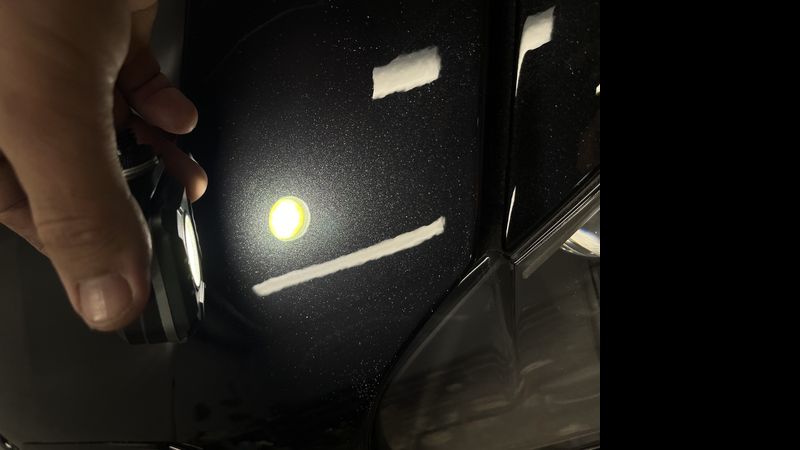
After washing or rain, white spots appear in circles on the paint. No matter how hard you wipe, they won’t come off. Rubbing harder only makes them more visible. This is actually a water spot problem—wrong treatment will damage the clear coat. Today we’ll teach you to identify spot severity and treat accordingly.
1. How Do Water Spots Form?
Water spots are essentially mineral crystal residue from water.
Car washing, tap water, and rainwater all contain minerals like calcium and magnesium. When water droplets evaporate on the paint surface, these minerals leave white marks—technically called “mineral deposit spots.”
Why do they get worse when you wipe?
During wiping, minerals get pushed to the edges of the circle, concentrating there; friction heat drives minerals into clear coat micro-pores; using the wrong cloth essentially “grinds” water spots deeper into the paint.
When are water spots worse?
| Situation | Reason |
|---|---|
| Hard water areas | High mineral content in tap water |
| Air-drying after wash | Water droplets concentrate into spots under sunlight |
| Not treating after rain | Acid rain + minerals = double corrosion |
2. Identifying Water Spot Severity — Three-Step Assessment
The first step in treating water spots is determining how deeply they’ve penetrated.
Light water spots
- Visual: Faint white haze, no defined outline
- Touch: Smooth, no granularity
- Duration: Typically formed within 48 hours
Moderate water spots
- Visual: Distinct white or pale yellow circles with clear boundaries
- Touch: Slightly rough, mild granularity
- Duration: 3 days to 2 weeks
Heavy water spots
- Visual: Prominent white patches, possibly with dull paint
- Touch: Clearly rough, strong granularity
- Duration: Over 1 month
3. Three-Step Targeted Treatment
Step 1: Light Water Spots — Simple Cleaning
Tools needed: pH-neutral car wash soap, distilled or purified water, microfiber towel
Steps:
- Rinse with water: First wash away surface dust
- Car wash soap cleaning: Use pH-neutral soap (pH 6.5-7.5) with a sponge for gentle scrubbing
- Distilled water rinse: Rinse with mineral-free distilled water
- Microfiber drying: Wipe in one direction to absorb water, don’t rub back and forth
This method handles light water spots within 48 hours with over 90% success rate.
Step 2: Moderate Water Spots — Dedicated Cleaners
Tools needed: Paint water scale cleaner (pH neutral), microfiber towel, clay bar, lubricant
Steps:
- Clean the car: Wash and dry first
- Apply cleaner: Spray evenly on water spots
- Wait 1-2 minutes: Allow the cleaner to react
- Gentle wiping: Wipe lightly with a towel, don’t apply force
- Deep clay cleaning: If residue remains, use clay bar with lubricant
- Dry and inspect
Water scale cleaners come in neutral and mildly acidic formulas. Neutral formulas are recommended as they’re gentler on paint.
Step 3: Heavy Water Spots — Polishing Treatment
Water spots over 1 month old or accompanied by dull paint indicate minerals have penetrated the clear coat, requiring mechanical abrasion.
Key points:
- Masking protection: Use tape to protect plastic and rubber parts
- Small area test: Test on a hidden area first
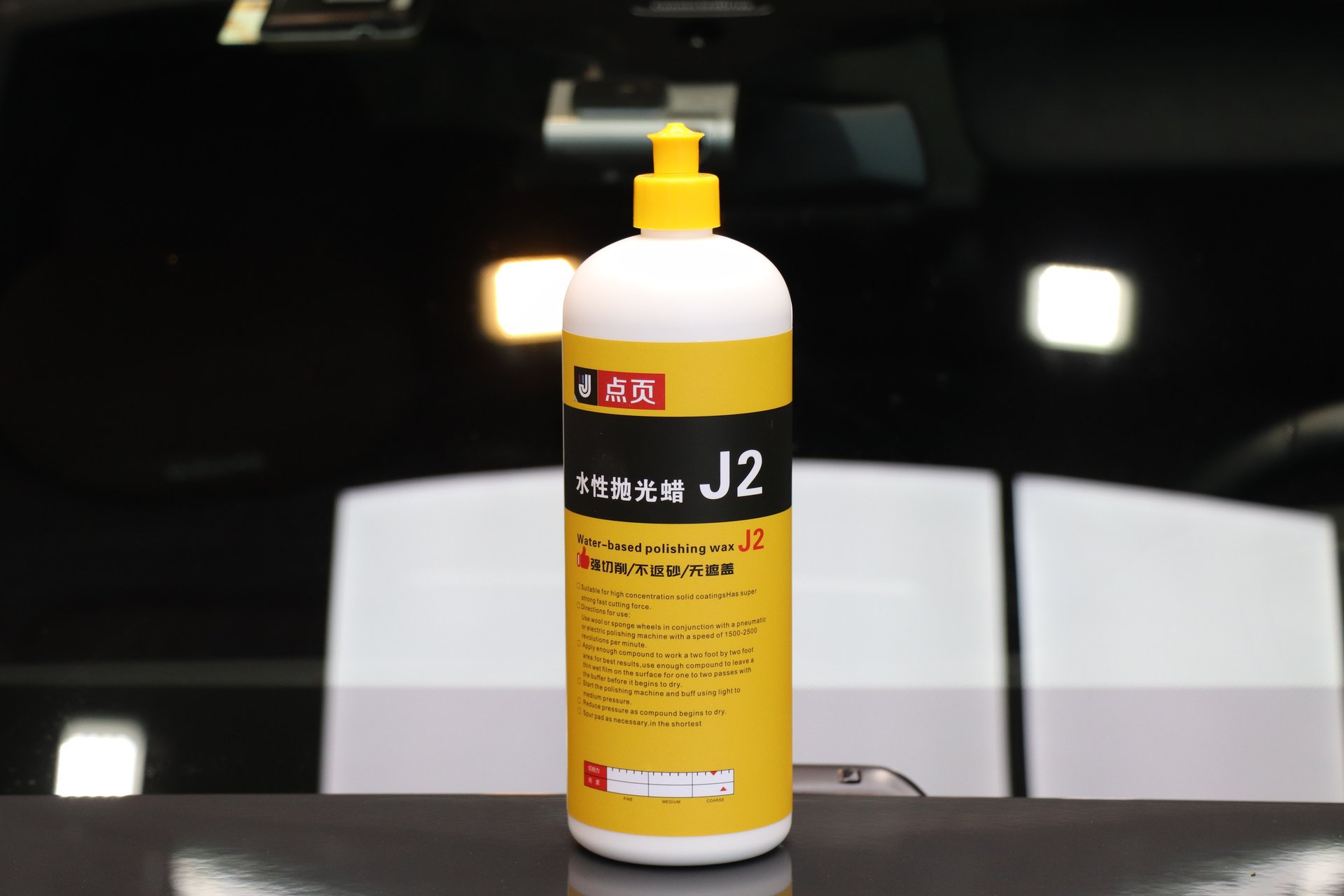
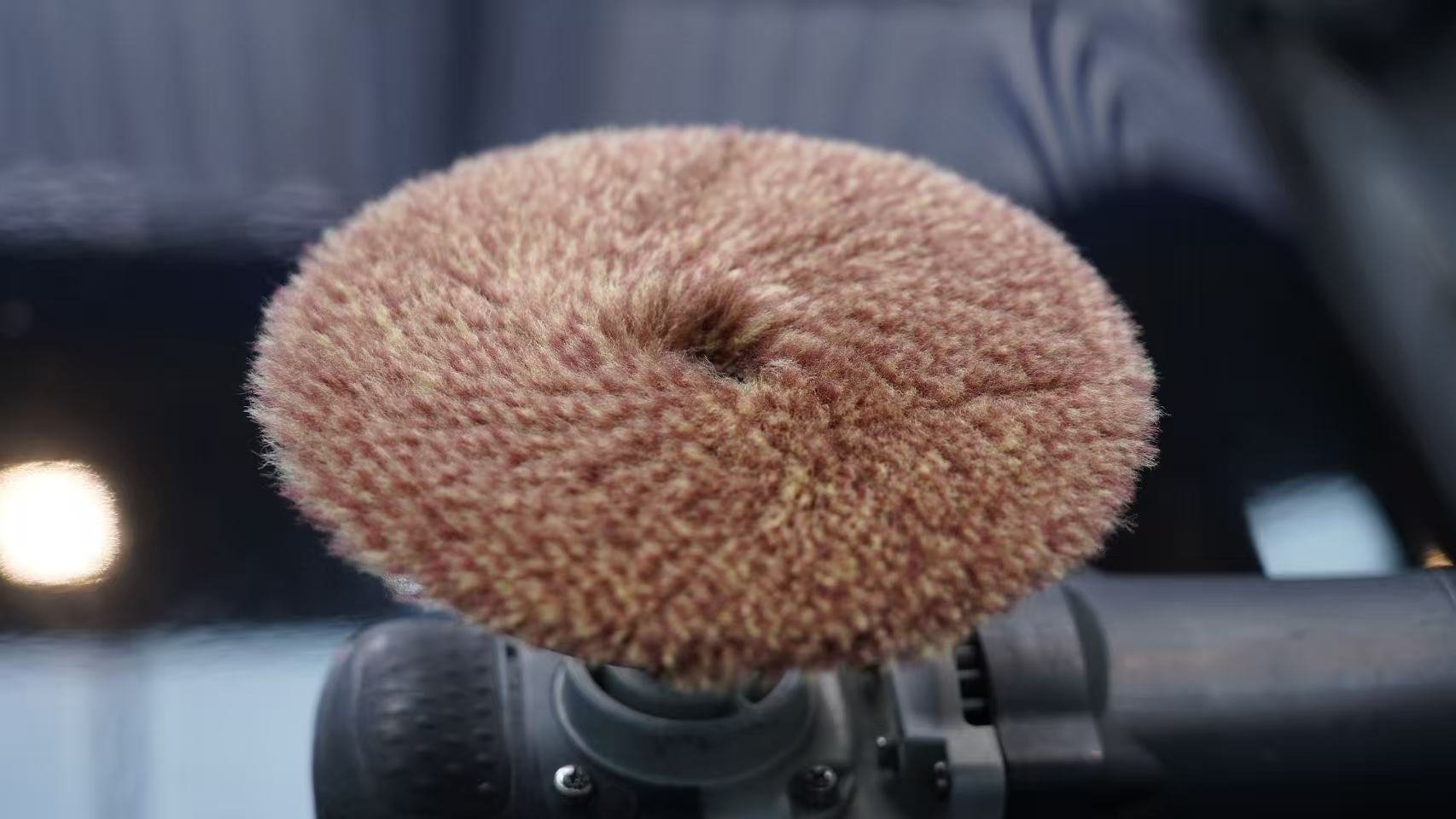
- Coarse compound: Use J2 Water-Based Polishing Wax with a polisher at 1500-1800 rpm, light pass
- Fine finishing: Use J5 Mirror Finishing Agent for further polishing to restore gloss
- Inspect and complete
Polishing parameter reference:
| Stage | Tool | Speed |
|---|---|---|
| Coarse abrasion | J2 Water-Based Polishing Wax | 1500-1800 rpm |
| Mirror finishing | J5 Mirror Finishing Agent | 800-1200 rpm |
For very severe water spots, professional auto detailing is recommended. Full-car light polishing typically costs 300-800 RMB.
4. Prevention Over Treatment
Daily Prevention Measures
Dry immediately after washing
This is the most critical step. Use a microfiber towel to dry the body—don’t let it air dry.
Prompt rain treatment
Rinse and dry the car as soon as possible after rain, at minimum drying areas where water collects like door handles and mirrors.
Regular waxing or coating
Waxed paint forms a hydrophobic protective film—water droplets roll off instead of staying.
| Environment | Recommended Frequency |
|---|---|
| Indoor parking | Every 2-3 months |
| Outdoor parking | Every 1-2 months |
Quick daily maintenance recommendation
If you don’t want to wax frequently, use X1 Quick Liquid Wax for rapid maintenance. Spray and wipe after washing—3 minutes to form a hydrophobic layer, reducing water spot formation.
5. Common Questions
Q: Do I need to re-wax after polishing?
Absolutely. Polishing removes the oxidation layer and protective layer, exposing fresh clear coat. The golden window for waxing is within 7 days after polishing.
Q: Can toothpaste remove water spots?
Regular toothpaste has uneven abrasive particles that may scratch the clear coat. Only suitable for extremely mild marks.
Q: Will coated cars still get water spots?
Yes, but much less severely. The coating layer is hard, making it difficult for minerals to penetrate. Spots typically stay on the surface and can be removed with a water rinse.
Summary
Water spot treatment centers on “assess severity, treat accordingly”:
| Severity | Duration | Treatment |
|---|---|---|
| Light | <48 hours | pH-neutral soap + distilled water |
| Moderate | 3 days - 2 weeks | Dedicated water scale cleaner |
| Heavy | >1 month | J2 + J5 polishing treatment |
Remember: the sooner you treat, the easier it is. The key to daily care is drying after washing and regular waxing.