
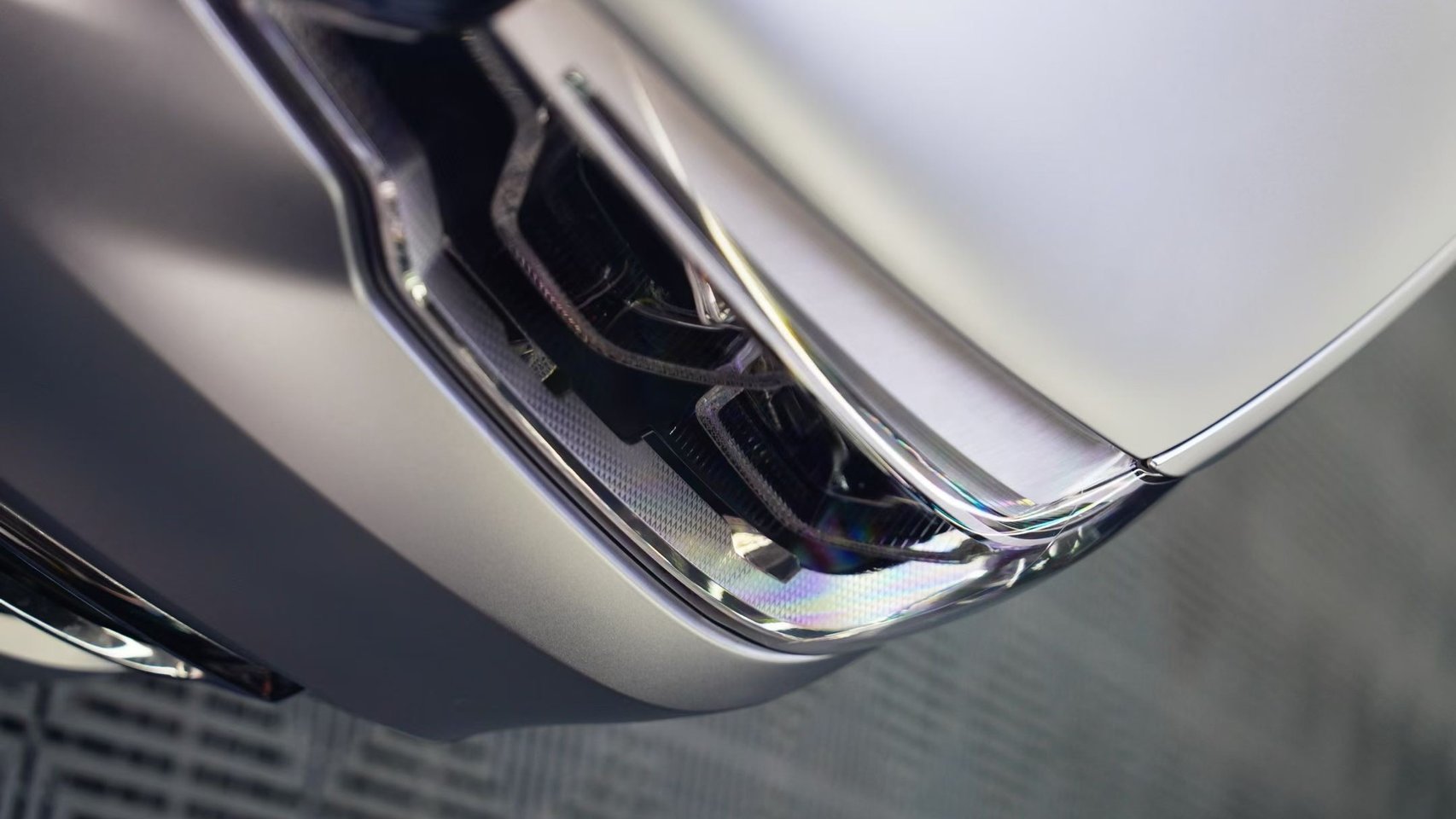
How to Fix Chrome Trim Oxidation and Whitening? Graded Restoration Solutions Explained
Have you noticed that the chrome trim on your car’s window frames and grilles starts fogging, whitening, or even developing black spots after a few years?
This problem is more common than you’d think. Especially for vehicles parked outdoors long-term, rain, UV, and acid rain轮番 attack make chrome oxidation nearly inevitable.
But chrome trim restoration is completely different from paint restoration—automotive decorative chrome is only 0.5-5 microns thick, thinner than a hair. One wrong move and you polish right through to the substrate.
This article grades oxidation by severity, from the lightest home treatment to professional polishing, covering key operation points and pitfall avoidance.
1. Why Does Chrome Trim Oxidize Easily?
1.1 Decorative Chrome Is Far Thinner Than You Think
Many people assume chrome trim is as thick as a bumper—completely wrong. Automotive exterior trim uses decorative chrome, with plating only 0.5-5 microns (source: Beska Mold chrome layer thickness standard).
For comparison:
- Clear coat: 30-50 microns
- Base coat: 15-25 microns
- Decorative chrome: 0.5-5 microns
Chrome is roughly 1/60 to 1/100 the thickness of clear coat—which is why once chrome is deeply scratched or severely oxidized, restoration space is extremely limited.
1.2 Three Major Oxidation Triggers
| Trigger | Mechanism | Common Scenario |
|---|---|---|
| Acid rain erosion | Acidic substances corrode chrome surface | Outdoor parking, industrial areas |
| UV degradation | Destroys chrome surface passivation film | Prolonged sun exposure |
| Alkaline cleaners | Dissolves protective oxide film | General cleaners / improper wash products |
Special note: Many owners wash chrome trim with alkaline car wash soap, which accelerates oxidation long-term. Chrome should be cleaned with pH-neutral soap (pH 5-8).
2. Assess Oxidation Level First: Three Grades
Restoration depends on oxidation level—getting the grade wrong only makes it worse.
2.1 Light Oxidation
Characteristics: Surface fog, fine lines, pale yellow spots. Finger wiping temporarily brightens but quickly returns to foggy.
Assessment: Wipe with a clean microfiber cloth dampened with water—if gloss temporarily returns but fogging recurs quickly, it’s light oxidation.
2.2 Moderate Oxidation
Characteristics: Obvious white/gray patches, localized blackening, won’t wipe off.
Assessment: Fingernail dragged across feels noticeably rough; white vinegar wiped for 3 minutes cannot restore gloss.
2.3 Heavy Oxidation
Characteristics: Chrome peeling, flaking, large-area blackening, substrate (plastic or metal) exposed.
Assessment: Peeling or bubbling visible to the naked eye. The chrome layer has suffered irreversible damage.
3. Light Oxidation Restoration: Home Solutions
Light oxidation doesn’t require professional tools—two methods suffice:
3.1 Toothpaste Wiping Method
For: Surface fog, fine lines
- Use non-gel white toothpaste (contains fine abrasives)
- Apply a small amount to a microfiber cloth
- Wipe in one direction—don’t rub back and forth (creates new scratches)
- Let sit for 1 minute after wiping
- Wipe clean with a damp cloth
Note: Toothpaste uses tiny abrasive particles to remove the oxidation layer. Keep pressure light—no more than 5 passes per spot.
3.2 White Vinegar Compress Method
For: Pale yellow spots, mild corrosion marks
- Pour white vinegar on a microfiber cloth
- Apply to the oxidized area for no more than 3 minutes
- Remove and immediately rinse with clean water
- Dry with a clean cloth
Warning: White vinegar is acidic (pH approximately 2.4)—prolonged contact corrodes chrome. 3 minutes is the safety limit; exceeding it worsens damage.
3.3 Post-Light Restoration Protection
After treatment, the surface protective film has been partially removed—immediate protection is needed:
- Apply a thin layer of car wax or chrome-specific protectant
- Wait 5 minutes, then buff evenly with a clean cloth
4. Moderate Oxidation Restoration: Polishing Required
Moderate oxidation can’t be fixed with toothpaste and vinegar—abrasives and polishing are needed.
4.1 2000-Grit Sandpaper Pre-Treatment
Only use on areas with obvious rough patches—don’t sand foggy areas.
- Soak 2000-grit wet sandpaper
- Lightly sand oxidized patches in one direction
- No more than 10 passes per spot
- Rinse with water after sanding
Key: 2000-grit sandpaper is already removing chrome, so only use on the most stubborn spots—never sand the entire trim.
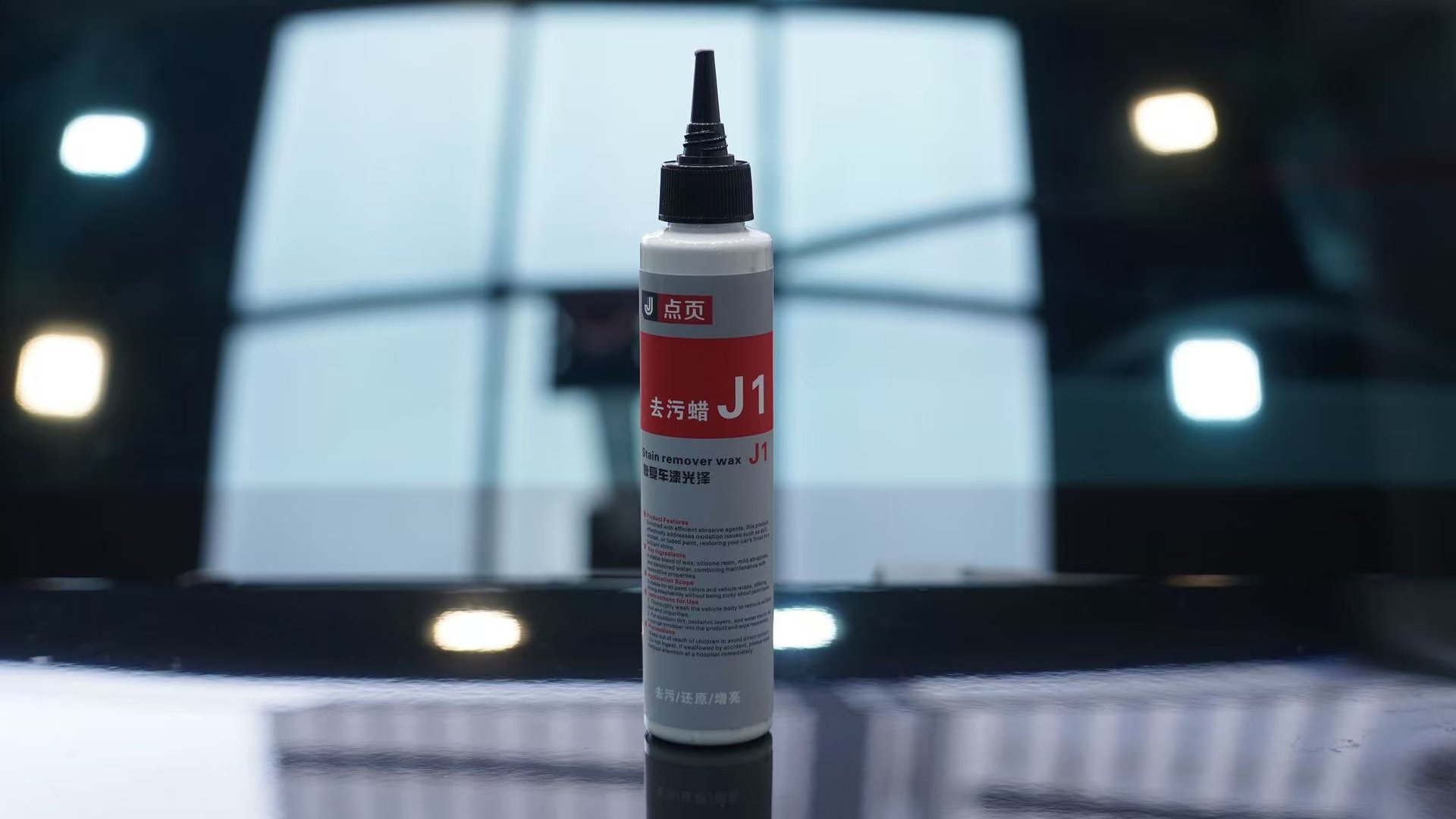
4.2 J1 Cleaning Wax Treatment
- Apply适量 J1 Cleaning Wax to a microfiber cloth
- Wipe in one direction over treated areas
- Let sit for 3 minutes
- Wipe clean with a dry cloth
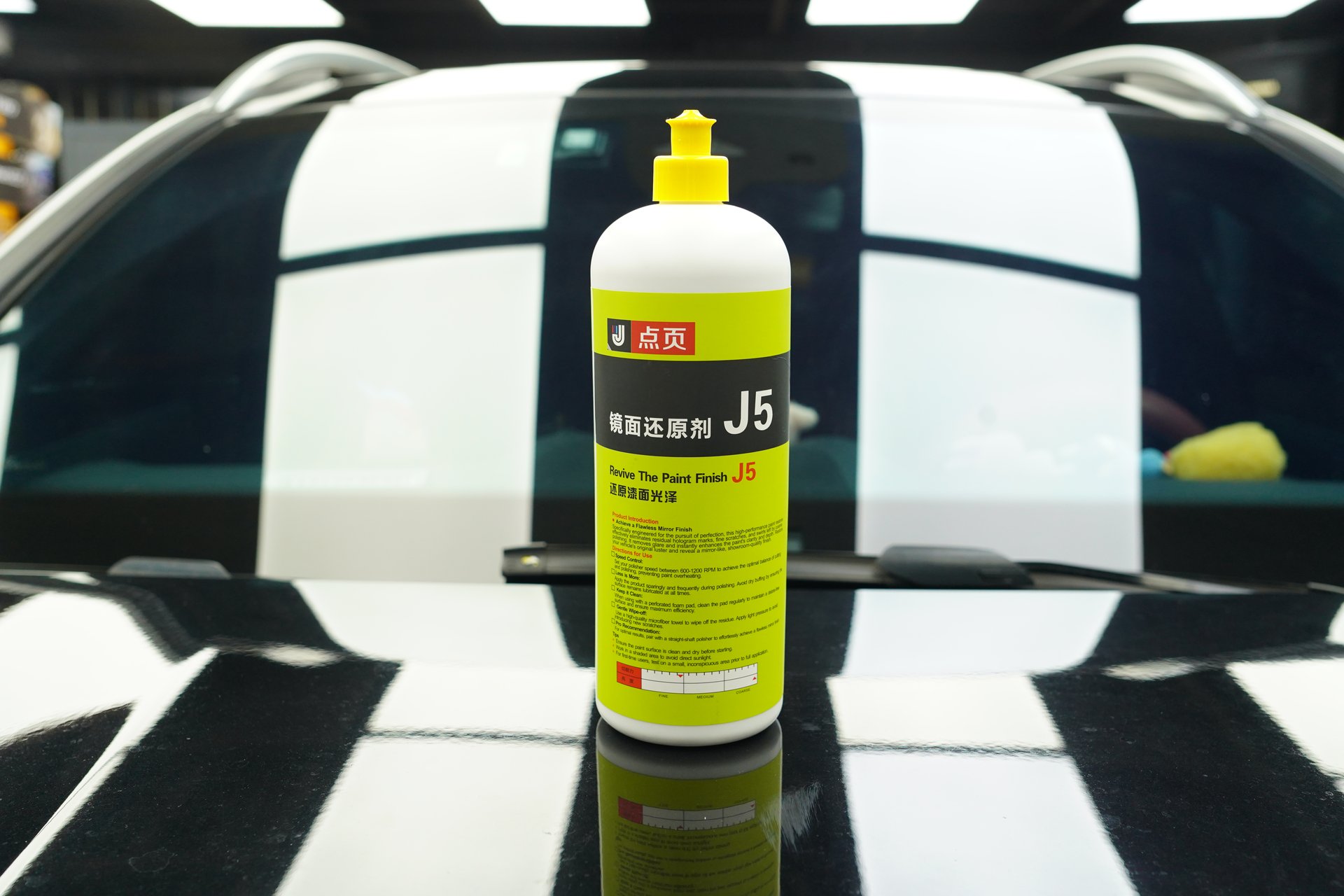
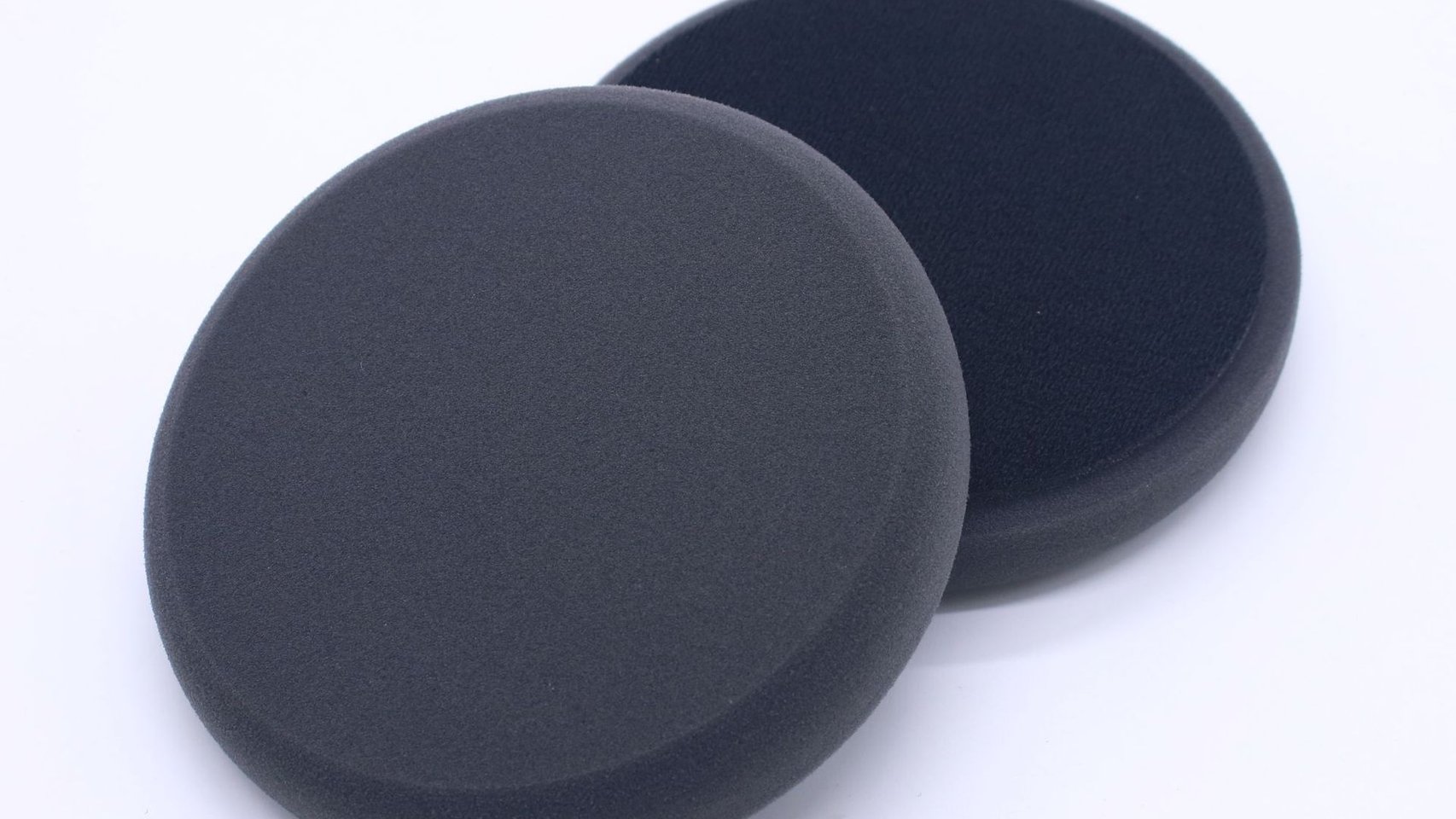
Here’s an important choice: Traditional oily metal polishing compounds have relatively coarse particles—risky on 0.5-5 micron chrome. A safer approach uses water-based ultra-fine abrasive products with more uniform, finer particles and gentler cutting power—removing oxidation while maximizing chrome retention. DianYe J1 Cleaning Wax’s water-based formula is specifically designed for manual operation, with particle fineness suited for gentle chrome grinding. For machine treatment, DianYe J2 Polishing Wax’s ultra-fine abrasives also work for light-to-moderate chrome oxidation, paired with ultra-soft foam pads and low-speed spot-by-spot operation.
4.3 WD-40 Rust Protection
Apply rust protection immediately after polishing:
- Spray WD-40 on a microfiber cloth (not directly on chrome)
- Apply evenly to treated areas
- Let sit 2 minutes, then wipe excess
WD-40 forms a rust-preventive film, delaying re-oxidation.
5. Heavy Oxidation: Don’t Bother—Replace or Replate
5.1 When to Abandon Restoration?
The following indicate irreversible chrome damage:
- Large-area peeling or flaking
- Iron rust under chrome (metal substrate)
- Plastic substrate exposed
Continuing to polish only expands the damage area.
5.2 Two Options
| Solution | Cost | Pros and Cons |
|---|---|---|
| Professional re-plating | 300-800 RMB/piece | Factory-quality result, but requires part removal and shipping, 1-2 week turnaround |
| Replace assembly | 500-3000 RMB depending on model | Most hassle-free, available at dealerships or parts shops |
For plastic-substrate chrome (most window trim), re-plated durability doesn’t match factory—replacement is recommended.
6. Chrome Polishing Safety Red Lines
If you plan to polish chrome trim yourself, these red lines must be observed:
6.1 Speed Control
| Parameter | Safe Value | Danger Value | Consequence |
|---|---|---|---|
| Speed | 1200-1500 rpm | >2000 rpm | Local temp >60°C → chrome peeling |
| Dwell time | ≤1 minute | Prolonged停留 | Local overheating → chrome flaking |
| Pressure | Pad barely touching | Heavy pressure | Directly polish through 0.5-micron chrome |
6.2 Tool Selection
| Tool | Usable? | Reason |
|---|---|---|
| Ultra-soft foam pad | ✅ OK | Gentlest cutting |
| Fine foam pad | ⚠️ Use cautiously | Strict speed control needed |
| Wool pad | ❌ Prohibited | Cutting too aggressive, will burn through |
| RO machine | ❌ Prohibited | Forced rotation, impossible to precisely control |
| DA machine | ⚠️ Use cautiously | Lowest speed + softest pad |
Why are wool pads and RO machines prohibited? Decorative chrome is only 0.5-5 microns. A wool pad removes tens of microns in one pass. RO machines force rotation without precise pressure/position control. Together, they’re a death sentence for chrome.
6.3 Temperature Monitoring
During polishing, touch the chrome surface with the back of your hand:
- Warm: Normal, continue
- Clearly hot: Stop immediately, wait for cooling
- White smoke appears: Already overheated—stop and inspect for damage
7. Daily Maintenance: Prevention Over Restoration
Once chrome oxidizes, restoration difficulty far exceeds paint. Daily prevention costs much less:
7.1 Maintenance Frequency
| Frequency | Action |
|---|---|
| Monthly | Apply chrome-specific wax or siloxane protectant |
| Quarterly | WD-40 spray protection |
| After rain | Promptly dry chrome surface water spots |
7.2 Cleaning Prohibitions
- ❌ No cleaners with pH<5 or >8 (strong acid/alkali)
- ❌ No rough cloths or brushes
- ❌ Avoid high-temperature application (optimal 25°C)
- ❌ No acidic cleaners on plastic-substrate chrome
7.3 Parking Advice
If possible, indoor parking is the most effective way to protect chrome. Outdoor parking can use a car cover, but ensure no sand particles between the cover and chrome trim.
8. Product Selection Advice
The core principle for chrome restoration and daily care products is abrasive particles must be fine enough.
Traditional oily metal polishing compounds and general abrasive products have particles too coarse for 0.5-5 micron decorative chrome. Water-based abrasive products have more uniform, finer particles with more controllable cutting—suited for ultra-thin plating. DianYe J1 Cleaning Wax and J2 Polishing Wax are both water-based; J1 suits manual operation, J2 suits machine use.
For daily care, choose pure protective wax without abrasives. DianYe X1 Quick Liquid Wax, while primarily positioned for paint sealing, has a water-based formula without abrasive particles—also suitable for monthly chrome maintenance.
FAQ
Q: Can paint polishing compounds be used on chrome? A: Light to moderate oxidation yes, but technique matters. DianYe J2’s ultra-fine abrasives with ultra-soft pad at low speed (1200-1500 rpm) work for chrome oxidation. But coarse compounds and wool pads are absolutely prohibited.
Q: Which is better—toothpaste or white vinegar? A: For light fogging, white vinegar compress for 3 minutes works better, as toothpaste abrasive particles can lodge in textured oxidation. For pale yellow spots, toothpaste one-direction wiping is more direct.
Q: How soon after polishing should protection be applied? A: Immediately. Thereafter, monthly maintenance is far easier than restoring oxidized chrome.
Q: What’s the difference between chrome protectant and car wax? A: Chrome protectants typically contain siloxane for stronger metal surface adhesion. Regular car wax also protects but with less durability than dedicated products.