
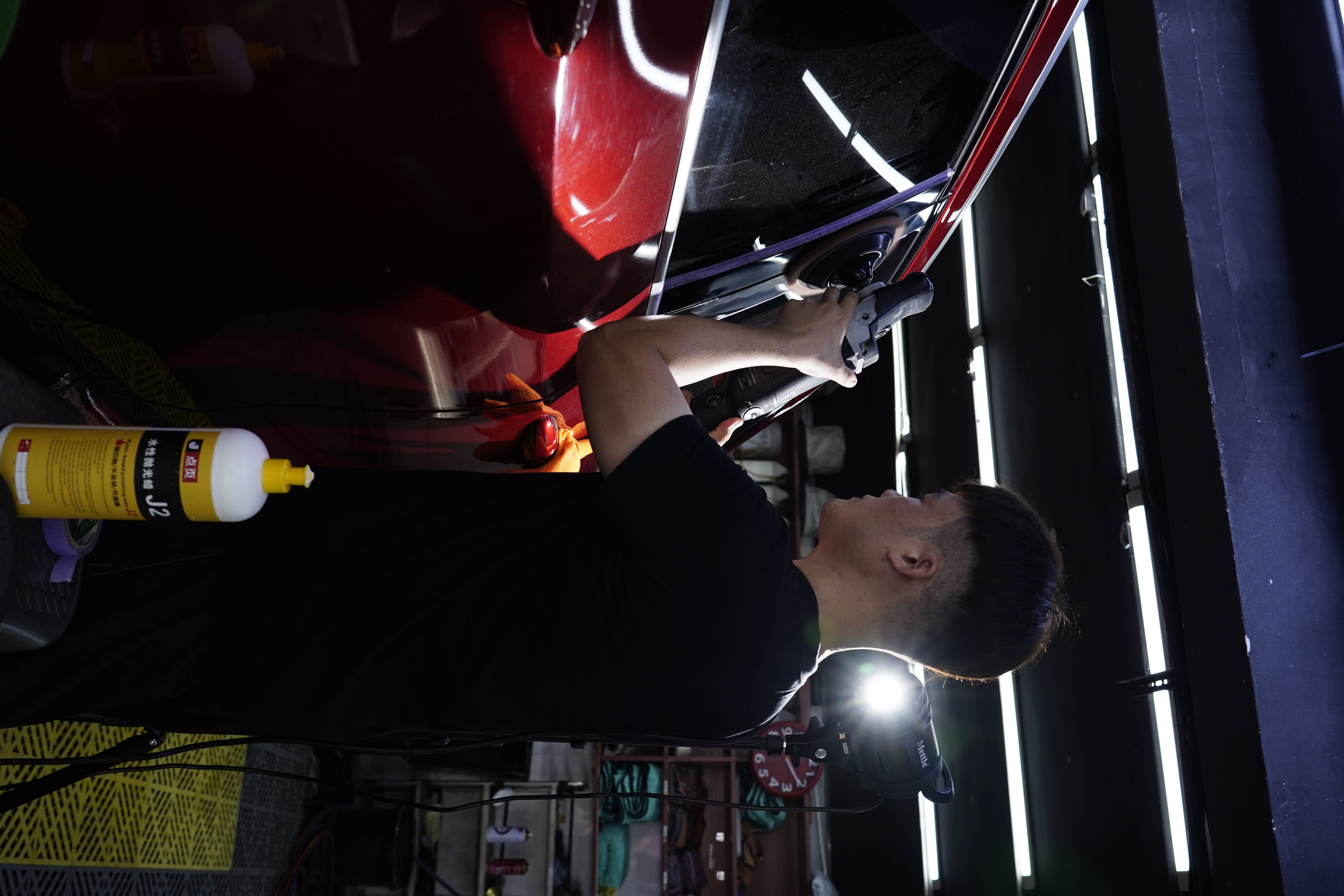
How to Polish Thin Japanese Car Paint? 5 Key Points for Soft Paint Polishing (Practical Guide)
Do Japanese car owners feel this way: when going to a detailing shop for polishing, you’re always a bit uneasy. If the technician is too heavy-handed, you worry about burning through the paint; doing it yourself is even more nerve-wracking.
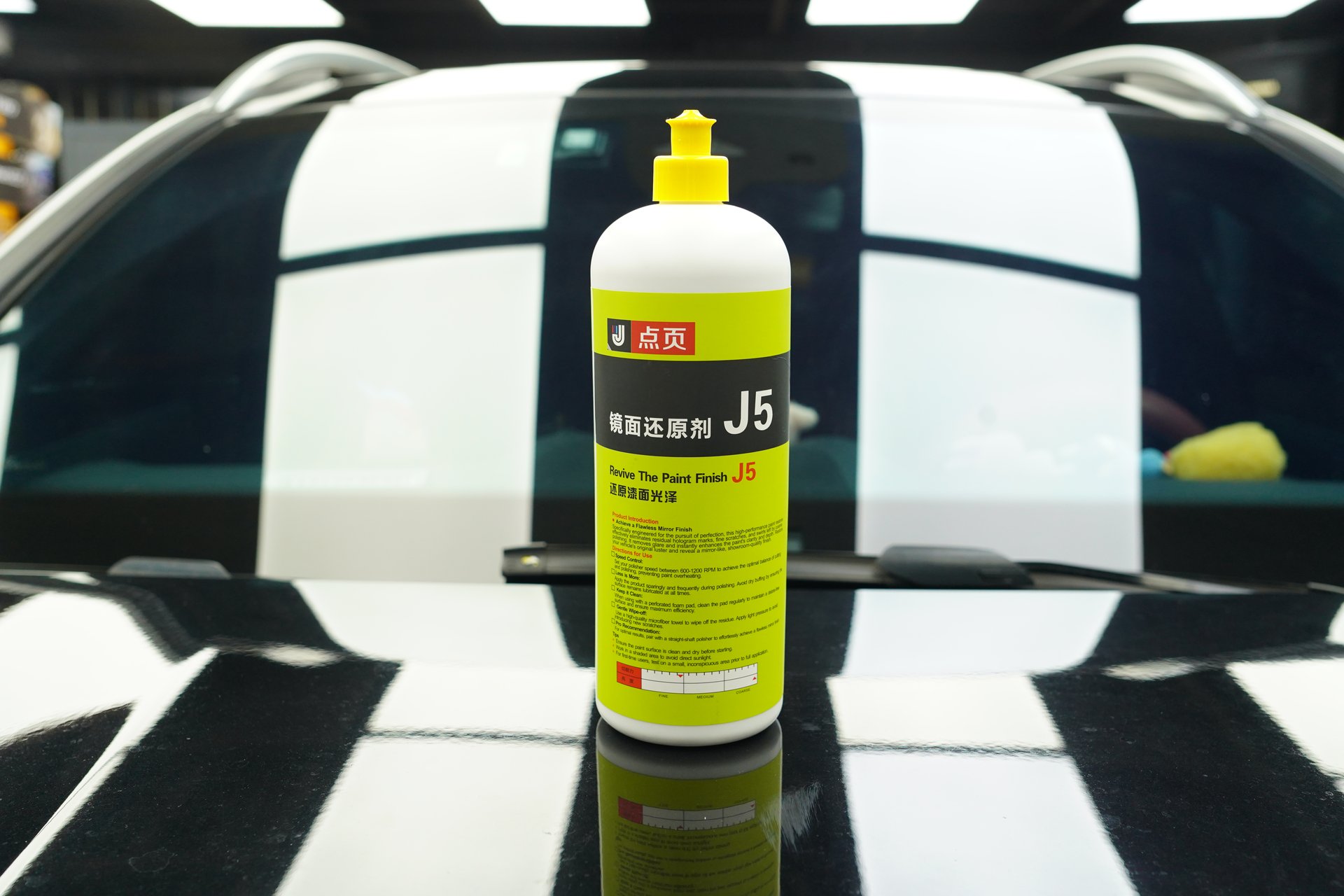
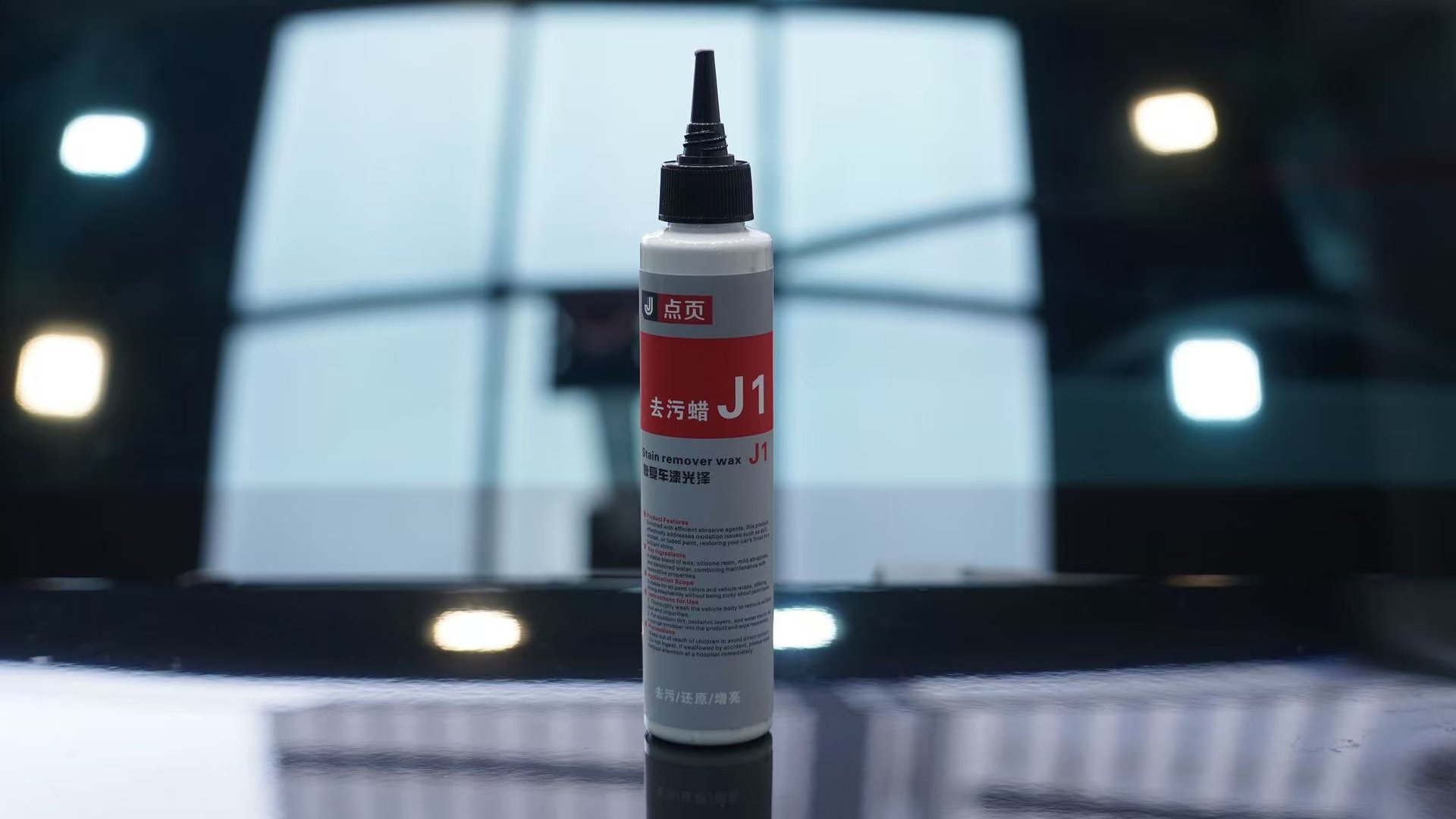
This concern is not unfounded. Compared to the thick paint on German cars, Japanese cars普遍 use thinner clear coat processes, giving them lower polishing margins. Honda, Toyota, Mazda, Subaru, Nissan, Lexus—these brands’ paint all falls into the typical soft paint category. Today’s article is specifically about the 5 core essentials of Japanese soft paint polishing.
1. Why Japanese Car Paint Is More Vulnerable
1.1 Japanese Soft Paint Process Characteristics
Many people don’t realize that factory paint thickness is not uniform across brands. Different manufacturers use significantly different paint processes, directly determining polishing parameters and risk levels.
Japanese cars普遍 use thinner clear coat designs. According to industry data, Japanese car clear coat thickness typically ranges 25-35 microns, while German luxury brands (Mercedes, BMW)普遍 measure 40-60 microns, with some ultra-luxury brands exceeding 80 microns. This means the same polishing operation removes a proportionally greater amount of clear coat on Japanese cars.
The design logic is cost-performance balance. Thinner clear coat reduces material costs, while Japanese manufacturers prefer more frequent low-intensity maintenance to sustain paint condition rather than relying on a single thick film for “once and done.”
1.2 Polishing Risks from Thin Clear Coat
The clear coat is the outermost transparent protective layer, responsible for gloss, weather resistance, and corrosion protection. When this layer is thinner, polishing risks rise significantly.
Grinding depth control is difficult. Using the same medium compound on scratches, a German car might lose 1-2 microns while a Japanese car loses 2-4 microns. Once or twice is fine, but frequent polishing significantly thins the clear coat in a short time.
More prone to new scratches. Soft paint’s molecular structure is looser—even normal wiping and washing can leave micro-marring.
1.3 Japanese Soft Paint Has Unique Advantages
Despite these risks, soft paint isn’t all drawbacks. In fact, properly maintained soft paint often achieves more stunning gloss than German hard paint.
Soft paint’s molecular structure gives it higher gloss potential. Under identical conditions, properly polished soft paint often outperforms hard paint in gloss metrics. This is why many professional detailers actually prefer working on Japanese cars—the deep, transparent mirror finish achieved is difficult to match with German hard paint.
2. Essential #1: Choose Lighter Abrasive Solutions
2.1 Pad Selection
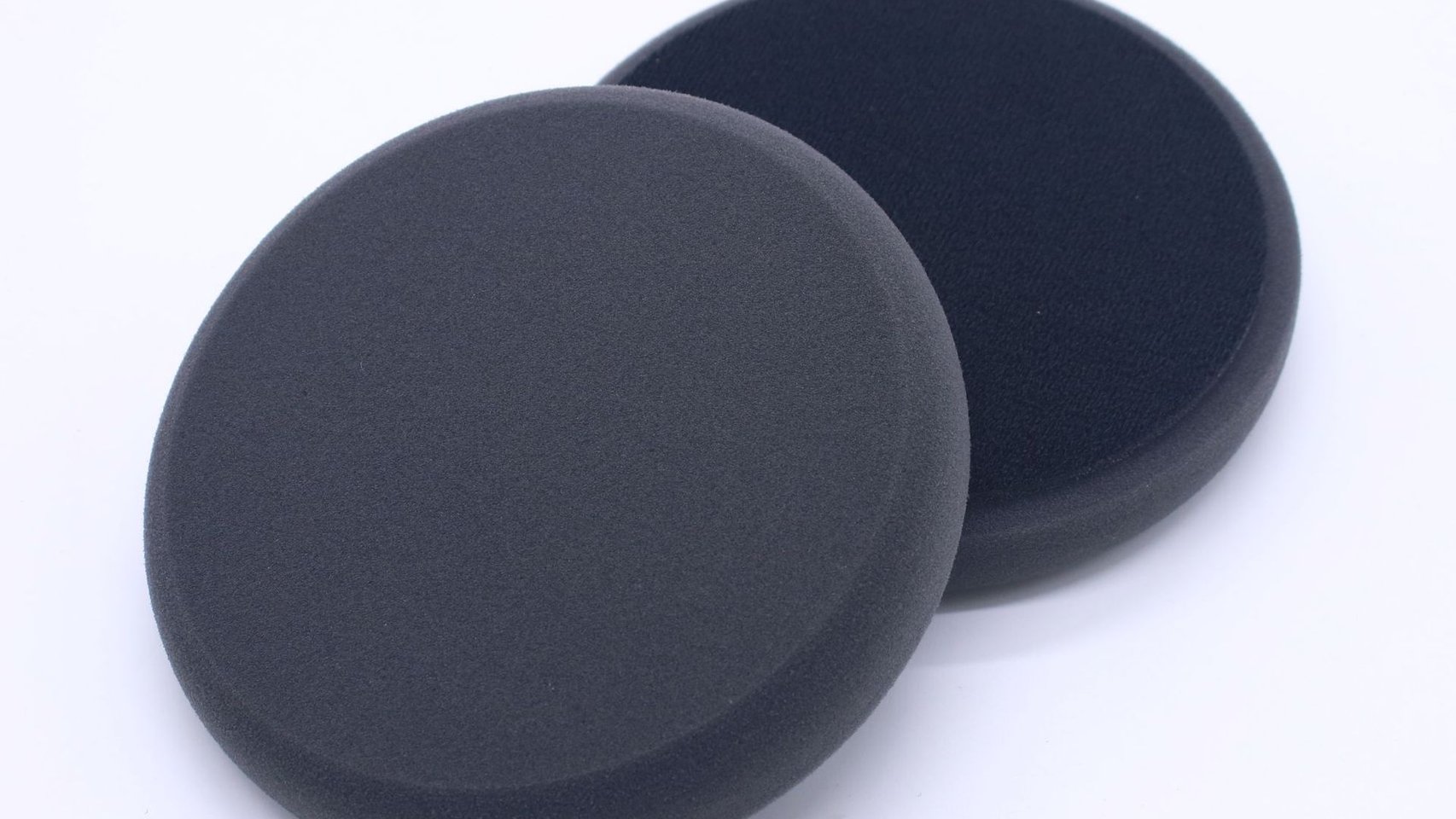
The polishing pad most directly affects results. For Japanese soft paint, the selection standard is: the softer, the better.
Initial correction stage: Choose soft foam cutting pads with medium-low density. These offer moderate cutting force, and with appropriate speed, can remove scratches while maximizing clear coat protection.
Final finishing stage: Must use ultra-soft foam polishing pads—the lowest density grade.
Absolutely prohibited pad types:
- Wool pads: Cutting force too strong,极易 burn through Japanese soft paint
- Microfiber cutting pads: Also high-cutting products, unfriendly to soft paint
2.2 Compound Selection
Compound grit selection also needs to be more conservative than usual.
Daily light treatment: 1500-2000 grade fine wax suffices. Japanese cars’ common swirl marks and wash marring can generally be handled at this level.
Moderate scratch treatment: 2500 grade medium-fine wax. When treating deeper scratches, don’t rush for one-step results—two passes is safer.
Deep scratch treatment: Leave to professional shops. Japanese soft paint deep scratch repair requires precise assessment of remaining paint thickness.
2.3 Light Abrasive Suits Japanese Cars
Choosing light abrasives is fundamentally balancing “results” and “safety.”
Light abrasive means less paint removed per pass, lower clear coat loss per polishing session. Combined with fine finishing, light abrasive often produces more uniform, longer-lasting gloss than single heavy cutting.
3. Essential #2: Control Speed and Pressure
3.1 DA Machine Gear Selection
DA orbital polishers are the most popular home and shop equipment. Compared to RO machines, DA machines have higher cutting efficiency but require more precise parameter control.
Initial correction: Recommend DA gear 4-5 (approximately 4000-5000 OPM). This provides sufficient cutting force for most scratches without excessive heat load.
Final finishing: Drop to gear 3-4. Lower speed reduces heat, giving fine abrasives more working time.
Single-spot dwell time: No more than 30-40 seconds per area. Move immediately if temperature rises noticeably.
3.2 Pressure Control Principles
Basic principle: Maintain light pressure or very light pressure throughout. The polisher’s own weight is the ideal pressure source—no additional downward force needed.
Why light pressure?
- Excessive pressure compresses the foam pad, reducing actual contact area and cutting efficiency
- Heat from compression can’t dissipate effectively, risking paint burn
- Soft paint deforms under pressure, making abrasive particle penetration depth uncontrollable
Correct pressure method: Rest your palm lightly on the machine handle, feeling vibration feedback. If vibration becomes “muffled” or uneven, pressure is too high.
3.3 Movement Speed and Coverage
Work area control: Keep each pass within 2×2 feet (approximately 60×60 cm).
Movement speed: Maintain moderate, even pace—approximately 15-20 cm per second is ideal.
Overlap: Each pass should overlap 30-40% with the previous, ensuring no missed areas.
4. Essential #3: Control the Working Environment
4.1 Temperature Is the Hidden Killer
Ambient temperature’s impact on Japanese soft paint polishing is often underestimated.
Ideal working temperature: 15-25°C indoor environment is optimal. Too cold reduces compound activity; too hot accelerates paint aging and increases burn risk.
Absolutely prohibited conditions:
- Car in direct sunlight: Metal surface may reach 50-60°C
- Hood just after engine off: Residual heat keeps paint temperature elevated
- Summer afternoon outdoors: Even overcast, metal bodies accumulate significant heat
Recommended scenarios: Underground garages, indoor work bays, shaded indoor spaces. If outdoor work is unavoidable, choose early morning or evening, avoiding direct sun.
4.2 Lighting Conditions
Sufficient, even lighting is essential for judging polishing results. Use professional paint inspection lights or LED work lights to clearly reveal fine scratches and gloss variations.
5. Essential #4: Tool Hygiene and Consumable Management
5.1 Why Soft Paint Needs More Frequent Pad Changes
This is an often-overlooked but crucial detail: soft paint polishing requires more frequent pad changing and cleaning than German hard paint.
The reason is soft paint’s nature—it more easily produces tiny abrasive residue that embeds in foam pad fibers. Continuing with contaminated pads, this residue scratches the paint in subsequent operations.
Recommended frequency:
- Check and clean the pad after each panel
- Replace directly when heavily contaminated
- Finishing pads especially must be kept clean
5.2 Pre-Work Cleaning
Before formal polishing, paint must undergo complete decontamination. Follow the standard sequence:
- Pre-wash: Neutral car wash soap to remove surface dust
- Iron removal: Neutral iron remover for metallic contaminants
- Deep cleaning: Clay bar for composite contaminants
- Degreasing: Panel wipe to ensure absolute cleanliness
6. Essential #5: Post-Polish Care Cannot Be Skipped
6.1 Post-Polish Protection Timing
After polishing, the paint is “naked” and must be protected promptly.
Freshly polished paint: Apply protectant within 24 hours. During this period, clear coat pores are open, providing optimal absorbency for protective products.
Routine maintenance cycle: Post-polish, wax or seal every 2-3 months.
6.2 Recommended Protection for Japanese Cars
DianYe recommends these protection options for Japanese soft paint owners:
| Option | Duration | Features | Best For |
|---|---|---|---|
| X1 Quick Liquid Wax | 1-2 months | Easy application, DIY-friendly, quick shine | Quick daily care |
| J2 Water-Based Polishing Wax | 2-3 months | Combines light polishing with protection, beginner-friendly | Comprehensive care |
| J5 Mirror Finishing Agent | 3-6 months | Fine finishing, enhances gloss | Deep care |
For Japanese soft paint, penetrating, gloss-enhancing products often suit better than traditional oily waxes. DianYe J2 Water-Based Polishing Wax is designed specifically for Asian soft paint, with moderate cutting force. Paired with soft foam pads, it safely treats common swirl marks and light scratches. Combined with mirror finishing agent for fine work, the two-product system is the standard Japanese soft paint polishing solution.
6.3 Daily Washing Precautions
Car wash soap: Must use pH-neutral dedicated products.
Tools: Two-bucket method with microfiber wash mitts to prevent cross-contamination.
Frequency: Every 1-2 weeks under normal conditions.
7. FAQ
Q: How long does Japanese car polishing last?
A: Depends on initial paint condition and subsequent care. If treating light scratches with proper protection, results last 6-12 months.
Q: Will DIY polishing burn through the paint?
A: With correct tools and parameters, burn-through risk is very low. Key is controlling speed, pressure, and dwell time. Practice on inconspicuous areas first.
Q: Do new cars need polishing?
A: New cars generally have good factory paint. Unless有明显 defects, immediate polishing is not recommended. New cars are better maintained through washing and waxing.
Q: Can regular wax be used on Japanese soft paint?
A: Not recommended. Traditional oily waxes are harder and can form uneven layers on soft paint, potentially causing fogging long-term. Water-based formulas penetrate better and are more compatible with soft paint. DianYe’s entire product line uses water-based formulas, friendlier to Japanese soft paint.
Conclusion
Japanese soft paint polishing isn’t as frightening as imagined. The key is abandoning the “more force = better polishing” misconception and establishing a “light, fine, patient” operating philosophy.
Remember three core principles: choose lighter abrasive solutions, control speed and pressure, and maintain post-polish care. Achieve these three, and your Japanese car can have paint condition surpassing same-age German cars.
DianYe focuses on automotive paint care, with water-based product lines designed specifically for Asian soft paint—the professional choice for Japanese car owners.
Soft paint care is all about getting the balance just right.