
What Is Denim Pad Polishing? 3 Key Differences from Wool and Foam Pads Plus Usage Guide
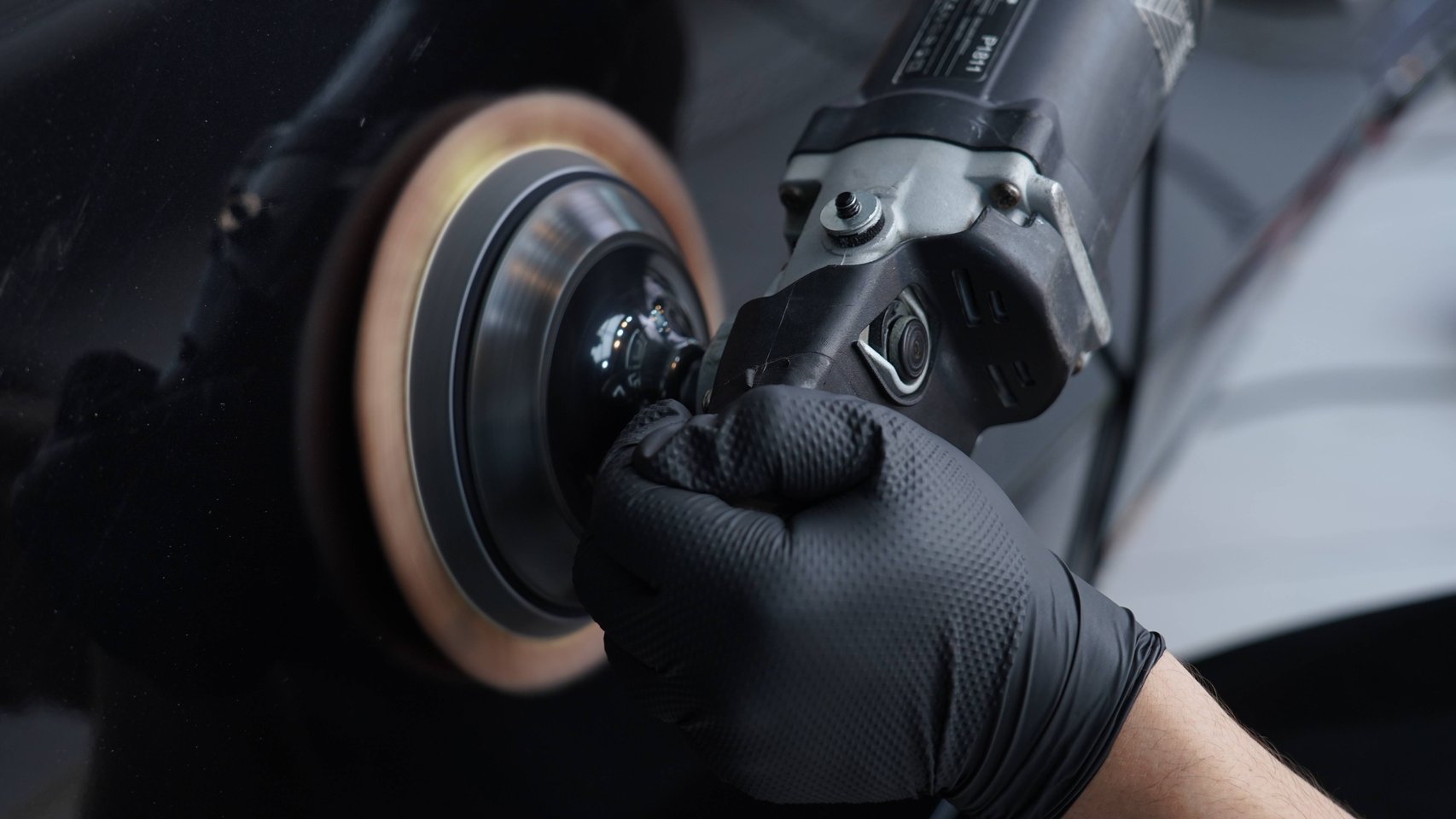
In auto polishing, most people’s first reaction to polishing pads is wool pads and foam pads. But in professional detailing shops, there’s another tool gaining increasing popularity—the denim pad. It’s not made from denim fabric for wearing—it’s a specialized polishing medium for removing orange peel texture and deep imperfections.
Many car owners hearing “denim pad” for the first time wonder: what is this? How is it different from regular foam pads? When should I use it? This article covers all these questions from three angles: material principles, performance comparison, and usage methods.
What Is a Denim Pad
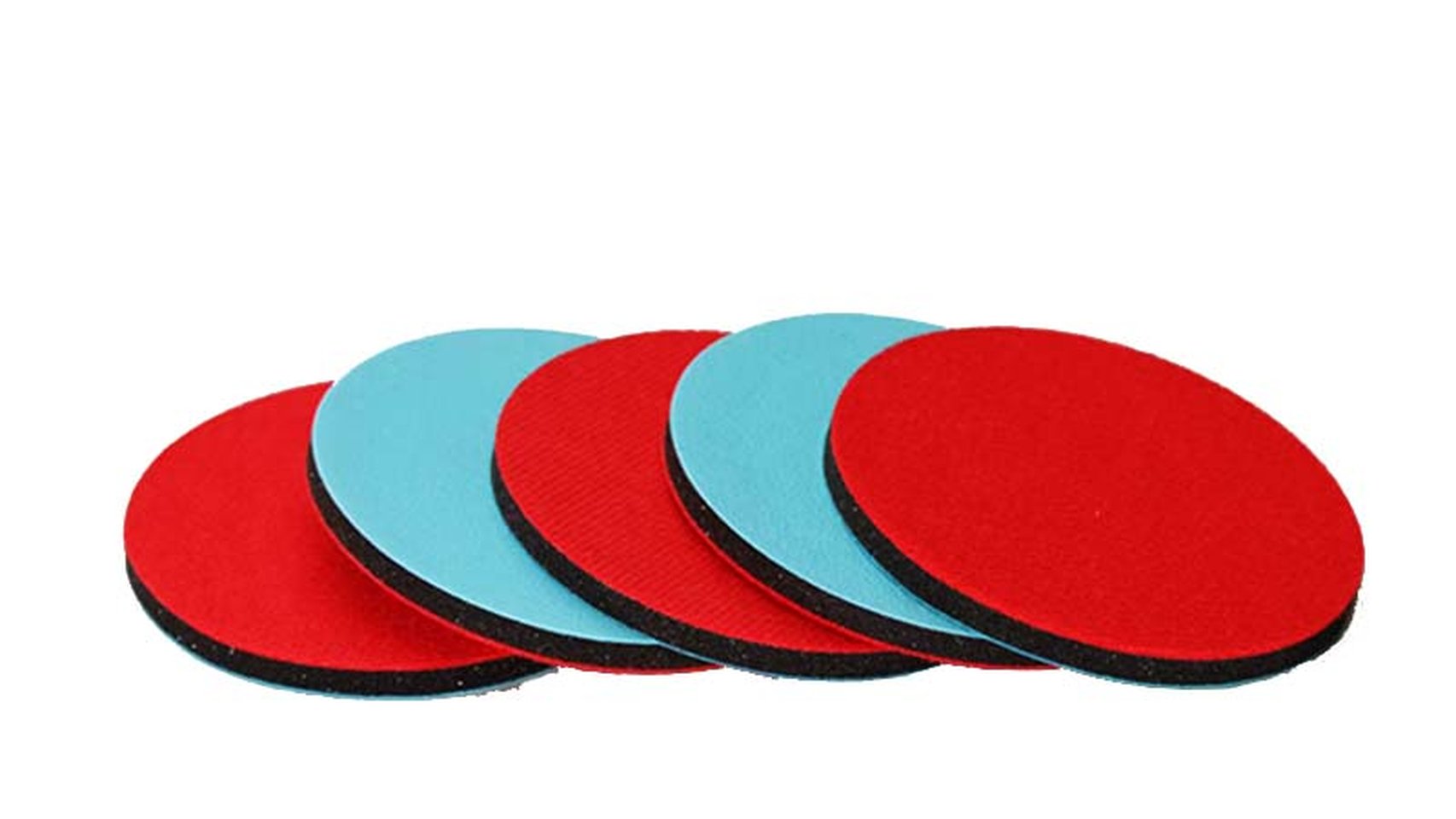
Denim pads (also called denim polishing pads or jeans pads) are polishing pads made from tightly woven cotton fibers. Their appearance resembles denim fabric texture, with abrasive particles embedded between fibers. They work through a combination of cotton fiber physical friction and compound micro-cutting to treat paint surfaces.
Unlike traditional foam pads and wool pads, denim pads work between the two. Wool pads rely on natural fiber physical abrasion; foam pads use foam cushioning combined with chemical abrasives. Denim pads use cotton fiber’s tenacity to retain abrasive compounds, uniformly cutting the paint during rotation. This mechanism gives them sufficient cutting power to remove imperfections without generating the excessive heat and swirl marks of wool pads.
Denim pads typically come in different grit options—commonly 1000, 2000, and 3000 grit. Lower grit means stronger cutting, suited for heavy orange peel; higher grit is finer, suited for fine finishing. On platforms like Taobao, individual denim pads range from 8 to 40 RMB, in sizes from 3” to 6”, fitting most RO polishers on the market.
Denim vs. Wool vs. Foam: 3 Core Differences
Difference 1: Cutting Power vs. Safety
Among the three pads, wool has the strongest cutting power—suited for heavy oxidation and deep scratches but with the highest risk—easily creating swirls and overheating. Standard foam pads have the weakest cutting power—high safety but lower efficiency. Denim pads sit between the two: stronger cutting than foam, while the woven fiber structure doesn’t create the loose fiber dragging effect that leaves swirls on paint.
This means denim pads can provide more efficient treatment without sacrificing safety. For situations where foam pads can’t handle and wool pads are too risky for leaving swirls, denim pads offer a middle-ground compromise.
Difference 2: Heat Control
Overheating is polishing’s biggest fear. Excessive temperature softens or burns the clear coat, causing irreversible damage.
Wool pads generate significant friction heat at high speeds—requiring frequent temperature checks. Foam pads’ heat retention is also concerning—foam material traps heat, potentially causing sudden temperature spikes after extended use. Denim pads’ woven fiber structure facilitates heat dissipation, showing smaller temperature increases compared to both others during identical operation time.
For large-area work, better heat control means longer single-session working time and less downtime waiting for cooling, actually improving overall efficiency.
Difference 3: Service Life and Maintenance
Wool pad fibers shed easily during high-speed rotation—relatively short service life, generally needing replacement after 6-10 uses. Standard foam pads begin aging and deforming after 8-12 uses. Denim pad cotton fibers are more durable—normal use reaches 18-22 uses before showing obvious wear.
For maintenance, all three pads require prompt cleaning after use. Denim pads can be cleaned with a soft brush, warm water, and neutral detergent, then air-dried for reuse. Don’t use pressure washers or prolonged soaking—both damage fiber structure.
Denim Pads’ Primary Application: Removing Orange Peel
Denim pads’ core application scenario is removing orange peel texture. Orange peel is a common surface defect after painting—the paint surface shows凹凸不平 texture resembling orange skin, affecting gloss and flatness.
Traditional orange peel treatment is wet sanding—using 2000-3000 grit wet sandpaper with water. Wet sanding produces good results but also carries significant risk: improper technique easily burns through clear coat, requiring extensive experience for pressure judgment.
Denim pads offer a safer alternative. 2000-grit denim pads achieve cutting effect close to 2000-grit wet sandpaper, but with DA polisher use, the pad has rotational and vibratory compound motion for more uniform cutting. More importantly, denim pads’ elastic cushioning prevents local over-cutting, reducing burn-through risk.
General recommended process: Start with 1000-grit denim pad and coarse compound for heavy orange peel areas, then switch to 2000-grit and medium compound for overall leveling, finally 3000-grit with fine compound or finishing agent for refinement. For light orange peel, start directly from 2000-grit, skipping the 1000-grit step.
Correct Denim Pad Usage
Step 1: Surface Preparation
Before using denim pads, paint must be thoroughly cleaned. First wash to remove surface dust and mud, then use a clay bar or decontamination clay to remove iron particles, resin, and other contaminants from paint. Any residual particles become new scratch sources during polishing.
Step 2: Choose Appropriate Grit and Compound
Choose grit based on orange peel severity. Light orange peel uses 2000-grit; moderate starts at 1000-grit then transitions to 2000-grit; heavy requires progressive 1000→2000→3000-grit.
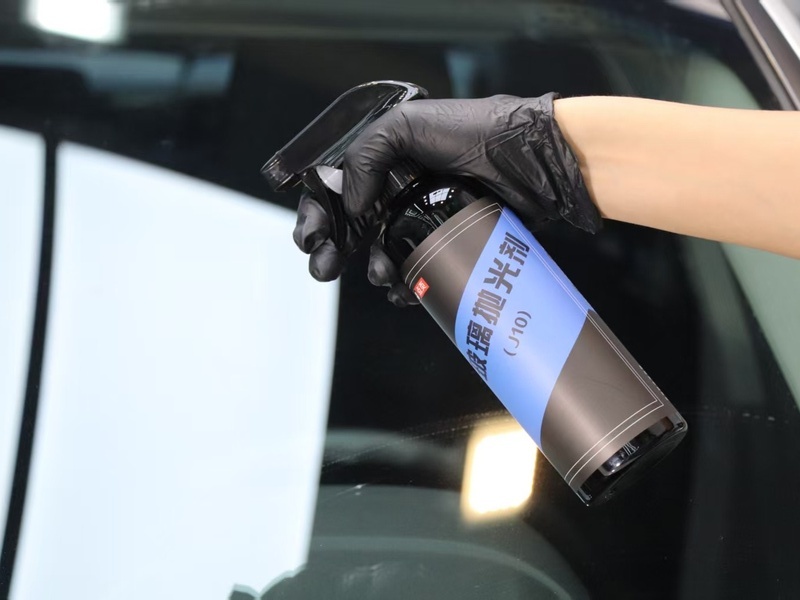
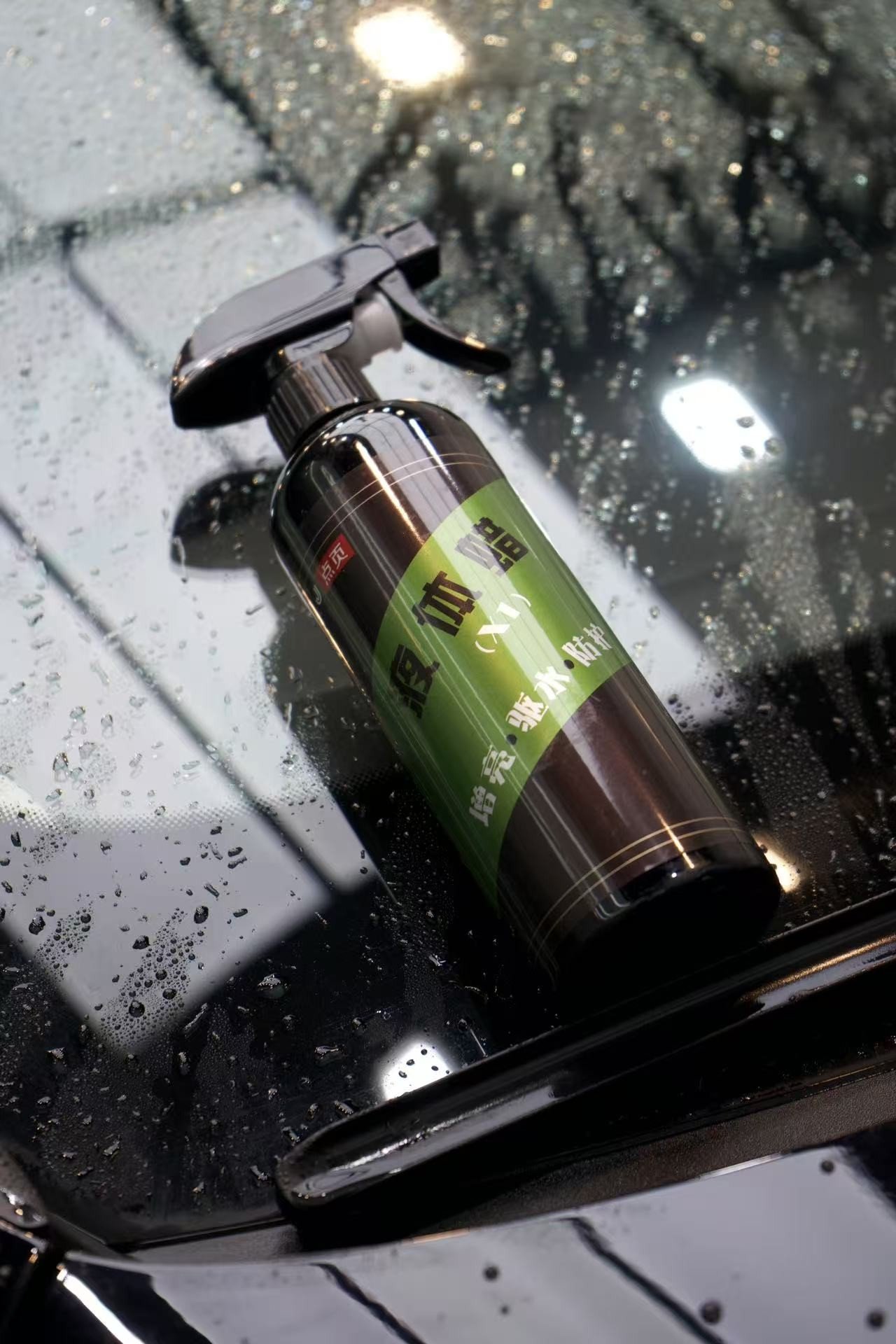
For compounds: coarse stage uses J2 Water-Based Polishing Wax with 1000 or 2000-grit denim pad, providing sufficient cutting power for deep imperfection removal. Medium stage switches to 2000-grit pad, continuing with J2 but reducing quantity. Refinement stage uses 3000-grit pad with J5 Mirror Finishing Agent to restore paint gloss.
Step 3: Machine Settings
RO polisher speed settings are critical. Recommend gear 3-4 (approximately 1200-1500 rpm), don’t exceed gear 5. Excessive speed causes rapid temperature rise, increasing burn-through risk.
For pressure, use only machine self-weight—don’t add extra downward force. Hold the handle with both hands steady, letting the pad naturally conform to paint. If vibration feels muffled, pressure is excessive—reduce force.
Step 4: Technique
Use straight-line movement, not circles. Straight-line movement avoids creating circular swirls—important when treating dark paint. After completing each area (recommend 2×2 feet, approximately 60cm×60cm), use a strong flashlight to check results. Orange peel elimination needs to be viewed at a side angle; straight-on viewing easily creates the illusion that “it’s already fixed.”
Step 5: Finishing and Refinement
After denim pad treatment, paint may have a hazy residue—this is normal. Use fine foam pad with DianYe J5 Mirror Finishing Agent for final refinement. After refinement, wipe with degreaser to confirm no residual abrasive compound.
Common Denim Pad Misconceptions
Misconception 1: Using Denim Pads for All Paint Problems
Denim pads excel at removing orange peel and shallow imperfections but aren’t universal tools. For deep scratches exposing primer, denim pads can’t repair—touch-up paint is needed first. For light swirl marks and hairline scratches, denim pads are over-treatment—use fine foam pad with finishing agent directly.
Misconception 2: Operating Denim Pads at Wool Pad Speeds
Many people accustomed to wool pad high-speed operation don’t reduce speed when switching to denim pads. Though denim pads’ fiber structure dissipates heat well, excessive speed still causes temperature loss of control. RO machine recommends no more than gear 5; RO machine at 1200-1500 rpm.
Misconception 3: Ignoring Grit Progression
Some users buy a complete denim pad set (1000/2000/3000-grit) but only use 2000-grit throughout. Grit progression exists because: coarse grit rapidly levels large areas, fine grit removes coarse grit marks. Skipping any stage compromises final results.
Misconception 4: Using Low-Grit Denim Pads on Soft Paint
Japanese car clear coats are thinner (approximately 25-35 microns)—1000-grit denim pad cutting is too aggressive, easily over-cutting. For soft paint, start from 2000-grit with water-based abrasives for gentler cutting. Regular coarse pads with oily compounds carry higher risk in this scenario.
Denim Pad Applications and Limitations
Suitable For
- Orange peel texture repair after painting (core application)
- Overall paint flatness improvement
- Moderate swirl marks and light scratch batch treatment
- When replacing traditional wet sanding processes
Not Suitable For
- Deep scratches (primer-exposing level)
- Plastic and rubber surfaces
- New car paint (good condition, no treatment needed)
- Vehicles with overly thin clear coat (below 1.5 mil/38 microns—denim pads not recommended)
Denim Pad and Water-Based Polishing Wax Pairing Recommendations
Denim pads’ fiber retention of abrasive compounds, when paired with traditional oily compound’s oil film, easily slips—affecting cutting efficiency. Water-based compound’s fluidity allows more uniform penetration between fibers, producing better cutting results.
Coarse stage: DianYe J2 Water-Based Polishing Wax with 1000 or 2000-grit denim pad. Water-based formula is gentler on paint, with slower temperature rise during cutting. Refinement stage: DianYe J5 Mirror Finishing Agent with 3000-grit denim pad, rapidly eliminating haze from coarse polishing and restoring mirror gloss.
After completing the full denim pad process, use a fine foam pad for final refinement to ensure no residual abrasive marks. Finally, apply a protective agent to form a protective layer delaying new imperfections.
Summary
Denim pads are professional polishing tools between wool and foam pads, with core advantages of moderate cutting power, controllable heat, and no swirl marks. Their primary use is replacing traditional wet sanding for orange peel removal, achieving a good balance between safety and efficiency.
Key points for using denim pads: First, choose corresponding grit based on orange peel severity, progressing from coarse to fine; second, control speed and pressure—RO machine no more than gear 5, using only machine self-weight without additional pressure; third, water-based compound produces better results—J2 Water-Based Polishing Wax for coarse, J5 Mirror Finishing Agent for refinement. For thinner-clear-coat Japanese car paint, start from 2000-grit to avoid 1000-grit over-cutting.