
I. Understanding the Nature of Paint Hazing
Automotive paint hazing refers to the paint surface appearing hazy, unclear, and losing its original gloss. In professional terms, this is called “gloss loss” or “oxidation haze.” The underlying cause is a change in the microscopic structure of the paint surface, causing light to scatter rather than reflect as a mirror image. According to industry statistics, over 60% of vehicles over three years old experience some degree of paint hazing, with dark-colored vehicles (black, dark blue, dark red) being particularly affected.
From an optical perspective, healthy automotive paint reflects over 90% of incident light as a mirror image, producing clear reflections and rich gloss. When paint hazes, mirror reflectivity drops below 60%, with much of the light scattered, creating the visible hazy effect. This not only affects appearance but also signals that the paint’s protective layer is compromised — if left untreated, it may accelerate paint aging.
II. Six Core Causes of Paint Hazing
2.1 Natural Oxidation
Natural oxidation is the leading cause of hazing. Automotive paint consists mainly of resin, pigment, and additives. The resin component undergoes photo-oxidation under UV exposure, breaking molecular chains and forming an oxidation layer on the surface. Research shows that unprotected vehicles parked outdoors for one year can develop an oxidation layer 3-5 microns thick. This layer disrupts paint smoothness, scattering light and creating a hazy appearance.
2.2 Environmental Pollution
Acid rain, industrial fallout, and vehicle exhaust in modern urban environments all chemically attack paint surfaces. Acid rain (pH 4.5-5.5) reacts chemically with resin components over time, forming hard-to-remove corrosion layers. Vehicle exhaust nitrogen oxides and hydrocarbons form photochemical smog in sunlight, containing ozone — a strong oxidizer that accelerates paint aging. Bird droppings and tree sap contain acidic components that, if left over 24 hours, form permanent corrosion spots.
2.3 Improper Application Techniques
During detailing, improper operation is a significant human-caused factor. Polishing at excessive RPM (over 3000) causes rapid paint temperature rise, decomposing compound into hazy residue. Compounding without a finishing step leaves abundant micro-scratches that scatter light under strong illumination. Failure to thoroughly decontaminate after polishing means the temporary gloss from wax filling will fade within days, revealing the hazy surface beneath.
2.4 Paint Quality Issues
Post-repaint hazing typically relates to application environment and material quality. High humidity (relative humidity over 70%) allows moisture to mix into wet paint, forming micro water droplets. Unfiltered compressed air introduces water into the paint, causing the same issue. Incorrect thinner selection (e.g., fast-dry thinner in low temperatures) causes rapid surface curing while internal solvents cannot escape, creating a “solvent trap” that results in a hazy appearance.
2.5 Improper Daily Care
Improper washing and maintenance also causes hazing. Alkaline detergents (laundry detergent, dish soap) strip the protective layer and accelerate oxidation. Rough cloths and towels leave abundant micro-scratches that accumulate into a hazy effect. Failure to dry promptly after washing allows mineral deposits from water to form scale on the paint, impairing light reflection.
2.6 Paint Aging
As vehicles age, natural paint deterioration is another significant cause. Factory clear coat is typically 40-60 microns thick. After years of UV exposure and weathering, the clear coat gradually thins, becomes brittle, and loses its transparency and gloss. When the clear coat’s light transmission drops below a certain threshold, the entire paint surface takes on a dull, hazy appearance.
III. Professional Assessment of Hazing Severity
Accurately assessing hazing severity is essential for selecting the correct repair approach. Professional assessment covers several dimensions:
Light hazing: Paint gloss slightly reduced after washing, but overall color is uniform with no roughness to touch. Light haze visible only under direct sunlight; virtually invisible indoors or on cloudy days. Usually caused by early-stage oxidation or improper care. Low repair difficulty.
Moderate hazing: Paint is noticeably dull or grayish, with a clear hazy layer visible under angled flashlight. Paint feels rough and dry to touch. Washing provides minimal gloss improvement. Usually accompanied by a significant oxidation layer requiring professional polishing.
Severe hazing: Paint shows extreme gloss loss, possibly with micro-cracking (“crazing”), and localized peeling or flaking. The oxidation has penetrated deep into the paint. Simple polishing cannot fully resolve this — repainting may be necessary.
Professional measurement uses a gloss meter: New car paint typically reads 90-95 GU. Readings of 70-80 GU indicate light hazing, 50-70 GU moderate hazing, and below 50 GU severe hazing.
IV. Professional Graded Repair Solutions
4.1 Light Hazing: Cleaning & Care Approach
For light hazing, a “deep cleaning + protection” approach is recommended:
- Pre-wash decontamination: Use pH-neutral car wash soap with a clay bar to thoroughly remove bonded contaminants and oxidation particles, focusing on areas prone to buildup
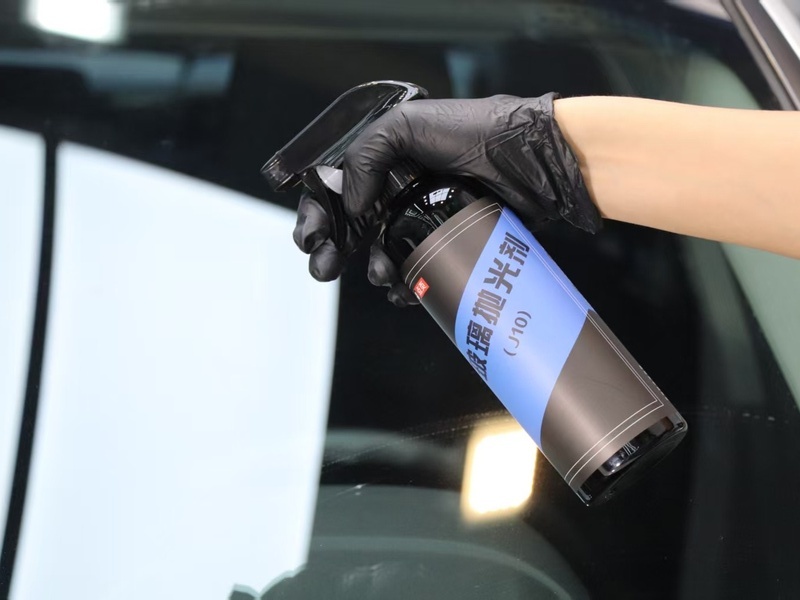
- Paint decontamination: Use a professional decontamination agent to remove old wax, oils, and residues, preparing the surface for care
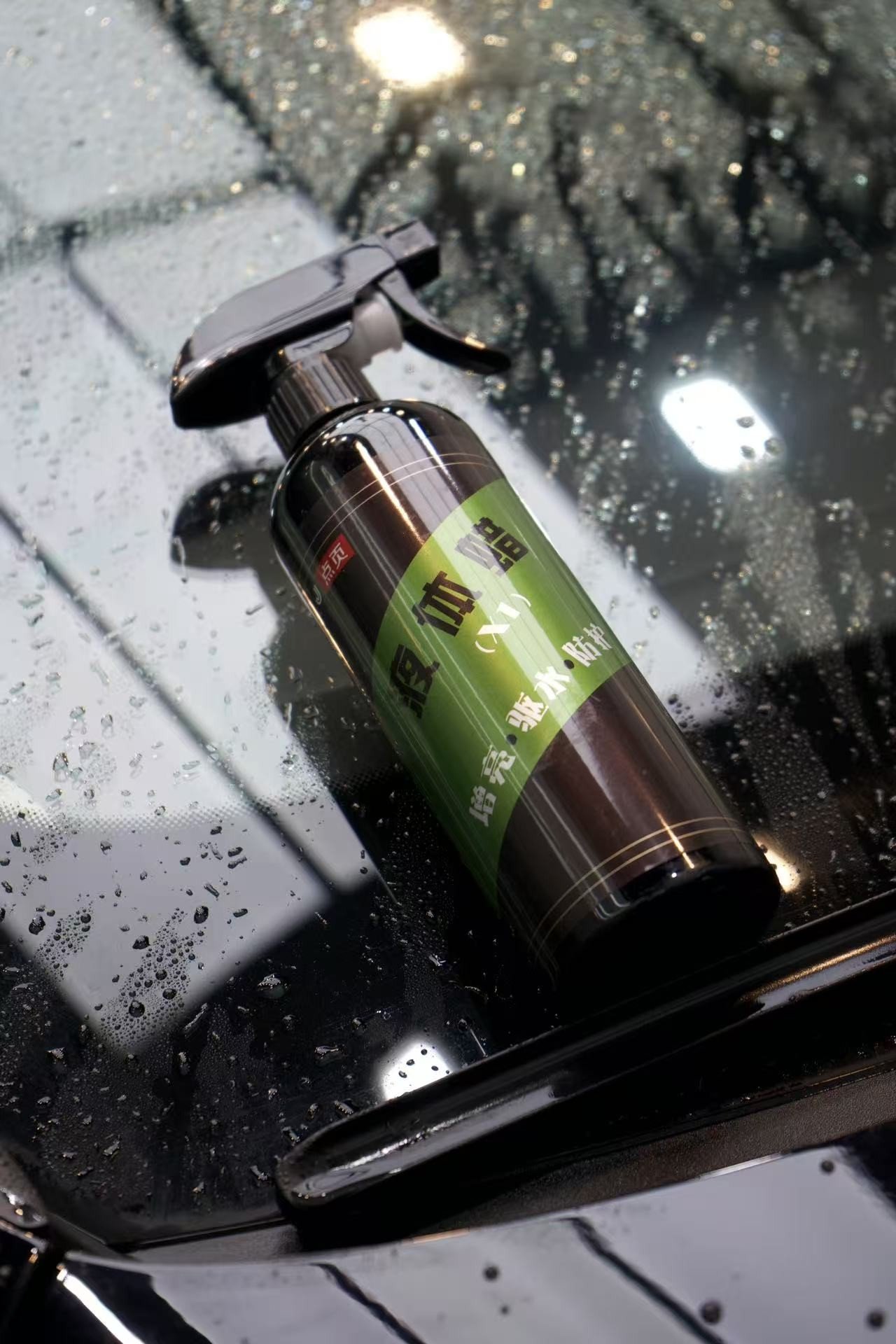
- Wax protection: Apply a high-quality wax containing carnauba or synthetic polymers in circular motions; buff with a microfiber towel once dried
- Verification: Inspect gloss in sunlight to confirm the haze has disappeared
Cost: approximately $30-40 per session. Relatively simple; can be DIY or done professionally. Protection lasts 1-2 months; quarterly application recommended.
4.2 Moderate Hazing: Polishing & Restoration Approach
Moderate hazing requires professional polishing with a three-stage process:
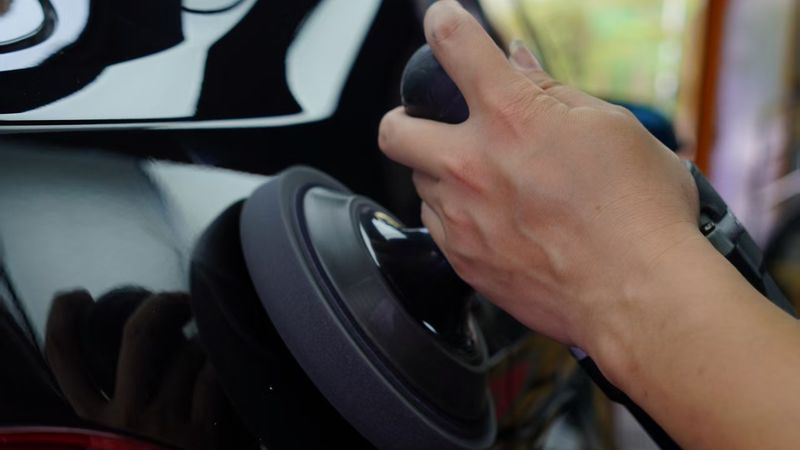
- Compound cutting: 1500-2000 grit compound with wool pad, 1500-2000 RPM, removing surface oxidation and deeper scratches
- Refinement: 3000 grit compound with foam pad, 1200-1500 RPM, refining the surface and eliminating compounding marks
- Mirror finishing: Finishing compound with soft pad, 800-1000 RPM, enhancing gloss and removing micro-scratches
- Decontamination & protection: Thorough wipedown after polishing, followed by sealant or ceramic coating for lasting protection
Important note: Each polishing removes 2-5 microns of clear coat. Factory clear coat is only 30-50 microns total, so limit polishing to once per year and no more than 5 times total.
4.3 Severe Hazing: Repaint Restoration Approach
When hazing is accompanied by cracking, peeling, or exposed primer, repainting is the only effective solution:
- Paint assessment: Use a thickness gauge to determine the grinding scope and depth
- Surface preparation: Mask non-paint areas; sand old paint with 600-800 grit until a flat substrate is exposed
- Primer application: Spray epoxy primer evenly for adhesion and rust protection
- Base coat matching: Use computerized color matching to ensure ΔE≤2.0 match with factory color; professional fine-tuning
- Clear coat application: Apply 2-3 coats of high-solids clear coat; bake in a spray booth at controlled temperature
- Post-paint polishing: After full cure, perform fine polishing to eliminate spray marks and enhance gloss
Choose a repair shop with a dust-free booth and professional spray booth, using factory-certified paints from brands like PPG or BASF for quality and durability.
V. Prevention & Daily Care
Prevention is better than cure. Scientific daily care significantly delays paint aging and reduces hazing.
Parking optimization: Prefer indoor parking to reduce UV exposure. If outdoor parking is unavoidable, use a sun shield on the windshield and hood, or a cotton-lined car cover. Avoid parking under trees, near A/C units, or near construction sites.
Proper washing habits: Wash weekly in summer, biweekly in winter. Use pH-neutral car wash soap (pH 7-8) and microfiber towels (≥300g/m²). Wash from top to bottom gently. Avoid direct high-pressure spray on paint — angle the nozzle at 45° for dispersed flow. Dry immediately after washing, paying attention to door seams and trunk edges.
Regular care schedule: New cars should receive their first ceramic coating within 3 months, with maintenance every 6 months. For vehicles over 2 years old, wax quarterly and get annual professional paint inspection. Keep a paint care log recording dates, services, and products used.
Contaminant emergency response: Remove bird droppings, tree sap, and other contaminants within 24 hours. Spray with water to soften, then gently wipe with a soft cloth and pH-neutral soap. Never dry-wipe. For cement splatter, use a dedicated remover before full cure to avoid permanent damage.
VI. Choosing a Professional Detailing Service
Selecting a professional service provider is key to ensuring repair results. Consider these factors:
Working environment: Professional shops should have a dust-free workspace with air filtration systems to prevent contamination during application. Polishing areas need ample lighting, ideally with professional inspection lamps.
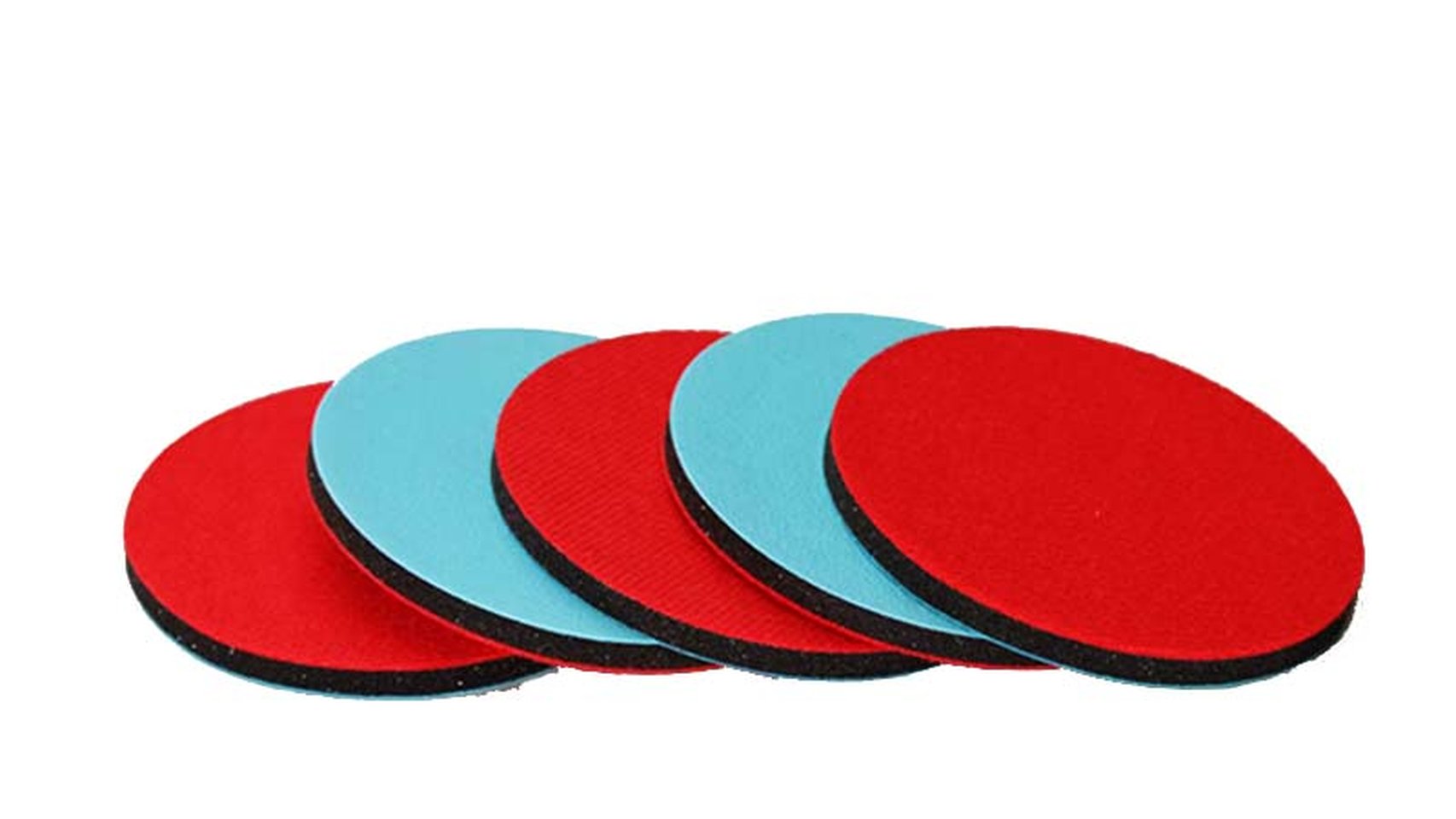
Equipment & tools: Dual-action polishers are safer than rotary polishers, reducing paint damage risk. Choose well-known brands for compounds and waxes. Pads should be segregated by cutting level to avoid cross-contamination.
Technician qualifications: Verify experience and professional training. Certified technicians are more trustworthy. Request to see past work samples or observe techniques in person.
Service process: Professional service should include paint inspection, solution explanation, transparent process, and quality verification. The shop should clearly explain the repair plan, products used, and expected results, and document existing damage.
After-service: Reputable shops provide warranties. Ceramic coating projects typically carry 6-12 month warranties with free rework if issues arise. Choose shops with clear after-service policies.