
1. Introduction
Many car owners, after completing a polish, face a common dilemma: do I still need to wax after polishing? This seemingly simple question actually affects the long-term protection of your paint. Today we’ll provide a detailed answer to this frequently asked beginner question.
2. Why Waxing Is Needed After Polishing
2.1 How Polishing Affects Paint
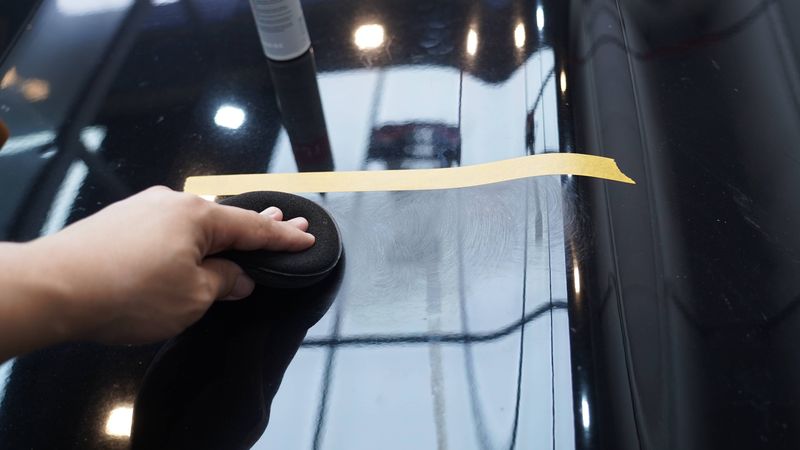
Polishing uses abrasive compound and a polishing pad to remove the outermost oxidation layer and fine scratches from the paint, revealing fresh paint underneath. While this restores gloss, it simultaneously removes the paint’s existing protective layer.
Paint after polishing is like freshly sanded wood — smooth but lacking a protective coating, vulnerable to external damage.
2.2 The Role of Waxing
Waxing is the fundamental method of paint protection, with these primary functions:
- Isolation protection: Forms a protective film on the paint, blocking UV rays, acid rain, bird droppings, and other corrosive agents
- Gloss enhancement: Boosts paint brightness, making the body appear shinier
- Static reduction: Reduces dust adhesion, keeping the car cleaner for longer
Simply put, polishing restores the paint’s “beauty,” and waxing adds a “protective shield” to that beauty.
3. The Correct Process for Waxing After Polishing
3.1 Standard Post-Polish Care Sequence
Complete paint care should be: Polishing + Finishing + Protection
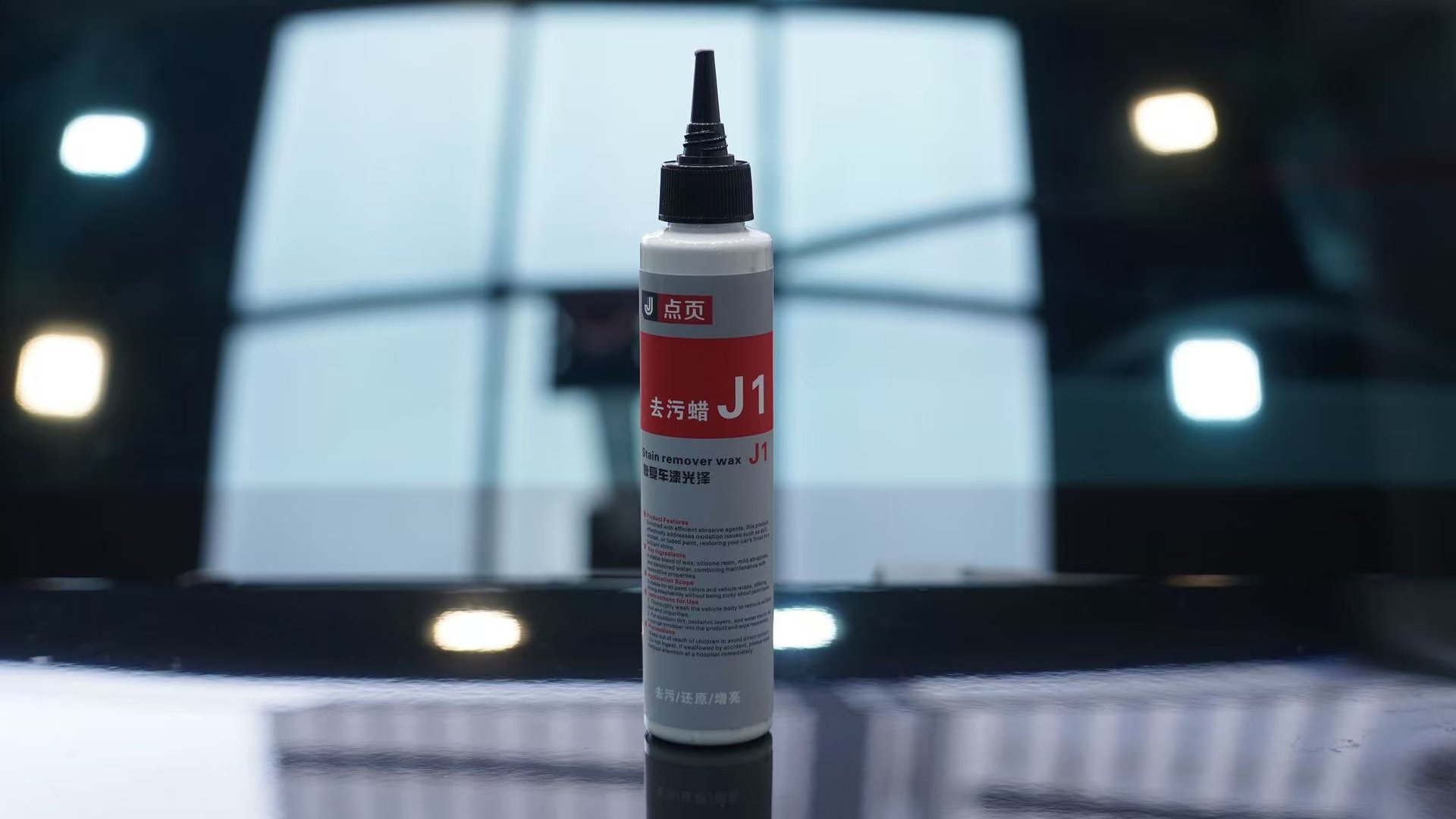
- Compounding: Use J2 Water-Based Polishing Wax with a long wool pad to remove scratches and oxidation
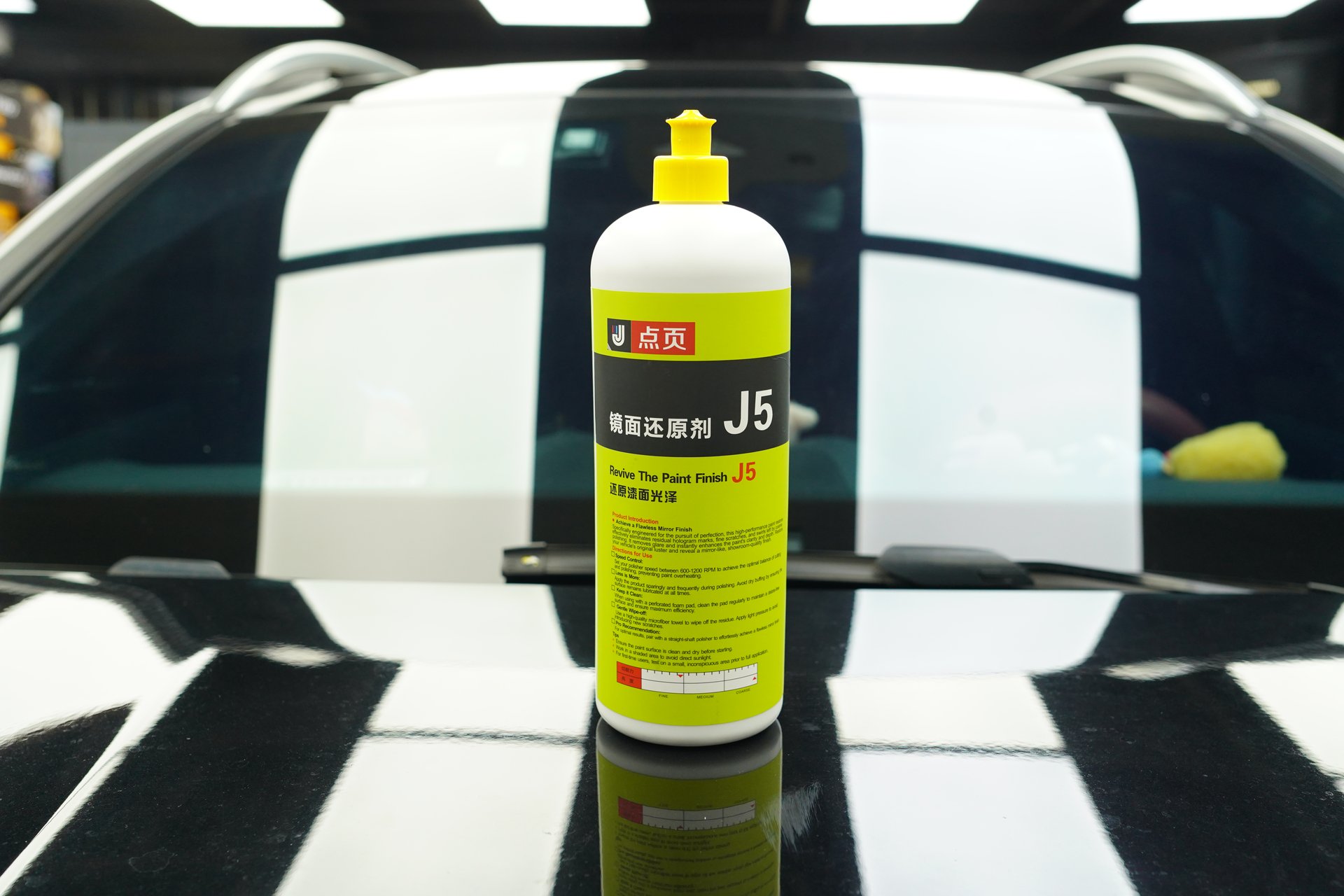
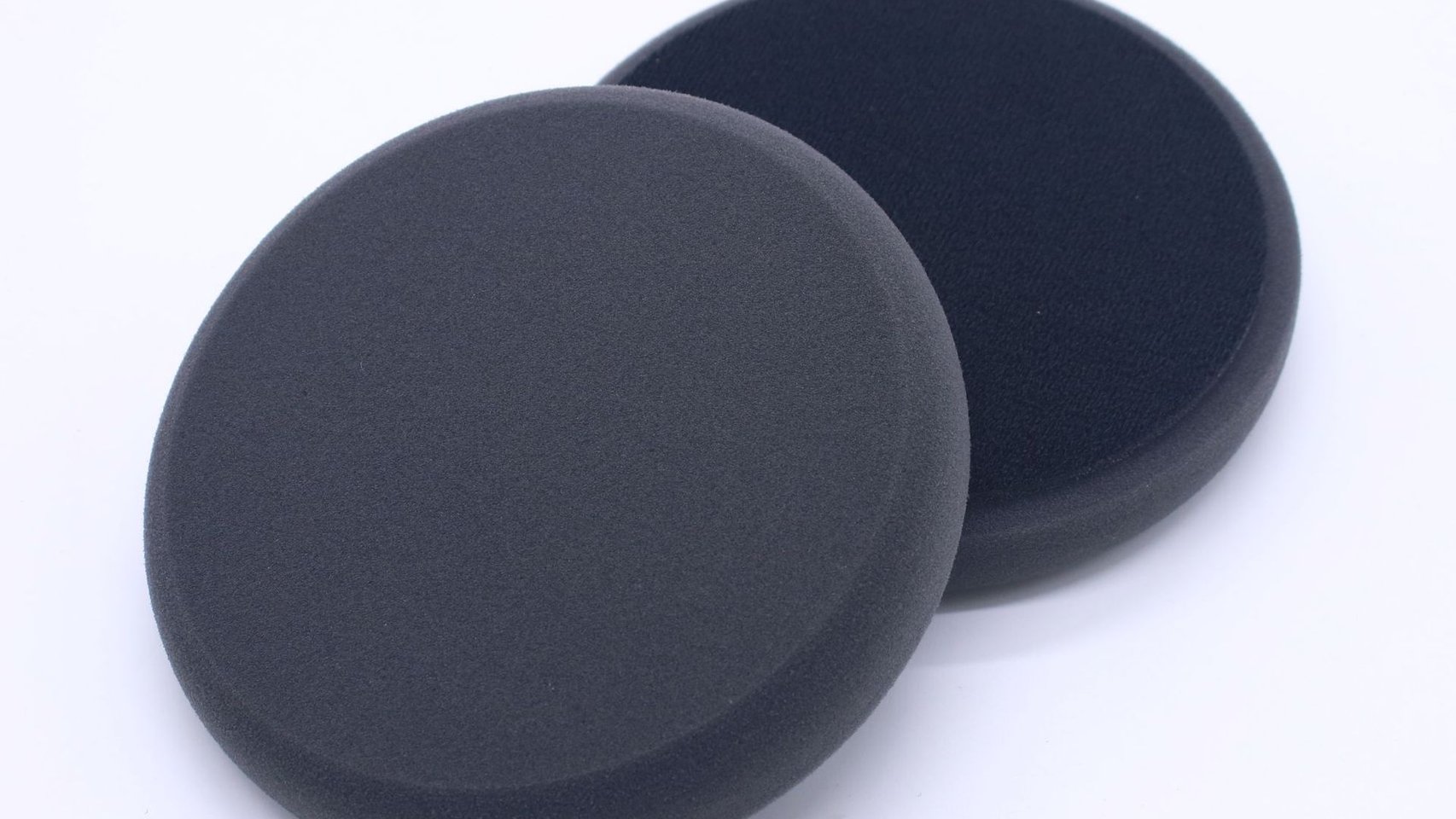
- Finishing: Use J5 Mirror Finish Restorer with a finishing foam pad to enhance gloss
- Protection: Apply solid or liquid wax to form a protective layer
3.2 When to Wax
After polishing, wait for the paint to fully cool and dry before waxing. General recommendation:
- Let the paint naturally cool for 15-30 minutes after polishing
- Gently wipe the paint with a clean towel to confirm no compound residue
- Verify the paint is free of holograms and hazing before waxing
3.3 Wax Product Selection
The polished paint is suitable for protection with these products:
| Product Type | Characteristics | Ideal Use Case |
|---|---|---|
| Solid wax | Long-lasting protection | Vehicles parked outdoors long-term |
| Liquid wax | Easy application | Daily quick care |
| Carnauba wax | High gloss | Show-level paint care |
4. Waxing Recommendations for Different Polishing Scenarios
4.1 After Full-Car Polishing
After full-car polishing, complete wax protection within 24 hours to ensure the newly exposed paint is promptly protected. Solid wax with strong protection is recommended.
4.2 After Spot Polishing
If you only did spot polishing on specific scratches, still wax the entire car for protection, maintaining paint consistency and uniform protection.
4.3 After Daily Light Polishing
For daily light polishing (such as removing swirl marks), you can immediately use J5 Mirror Finish Restorer for treatment, then protect with solid wax.
5. Consequences of Not Waxing After Polishing
Many car owners skip waxing after polishing to save money and effort. This leads to the following problems:
5.1 Accelerated Paint Oxidation
Newly exposed paint, directly exposed to air, readily reacts with oxygen, accelerating oxidation and darkening.
5.2 More Susceptible to Scratches
Without a protective layer, paint hardness effectively decreases. Regular washing towels and interior contact more easily leave fine scratches.
5.3 Wasted Polishing Effort
The main purpose of polishing is to restore paint gloss. Without protection, the paint quickly darkens again and develops new scratches — all the polishing work is wasted.
6. Frequently Asked Questions
6.1 Can I Skip Waxing After Polishing?
Not recommended. Polishing removes the paint’s protective layer. Without timely replenishment, the paint ages faster. In the long run, waxing after polishing actually reduces the number of polishes needed, saving cost.
6.2 Can Polishing and Waxing Be Done Together?
Yes, but it’s recommended to do them separately. Complete polishing and finishing first, wait for the paint to cool, then wax. If time is tight, allow at least 15-30 minutes between steps.
6.3 Machine Wax or Hand Wax?
Both work. For machine waxing, use a soft finishing foam pad at low speed for more even results.
6.4 Do I Need to Polish Again After Waxing?
This depends on paint condition. If scratches or oxidation still appear after waxing, consider another polish. But regular wax maintenance effectively delays paint aging and reduces polishing frequency.
7. Summary
Waxing after polishing is mandatory — it’s absolutely not redundant. Polishing restores the paint’s appearance; waxing is the necessary means of protecting that appearance. The two complement each other; neither can be omitted.
Recommendations for all car owners:
- Wax promptly after polishing, ideally within 24 hours
- Choose appropriate wax products — solid wax offers longer-lasting protection
- Develop a regular waxing habit to reduce polishing frequency and extend paint life
The correct paint care routine is: Regular wax protection → Reduced polishing needs → Preserved factory paint thickness. This is how to keep your car looking like new for years to come.