
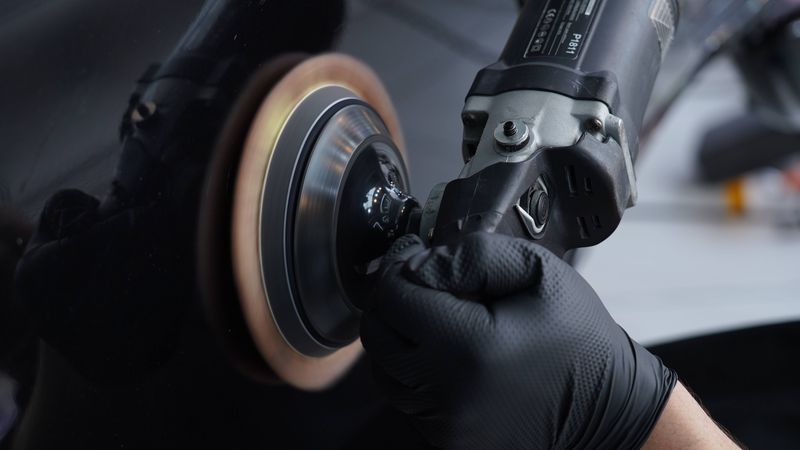
Polisher speed is one of the key parameters that determine polishing results. Different machine types and processes require different speed settings. DianYe Auto Technology provides a detailed guide on adjusting polisher speeds.
1. Polisher Types and Speed Characteristics
1.1 DA Eccentric Polisher (Dual Action)
Working Principle:
- Eccentric rotation + spin
- Complex cycloidal motion path
- High safety, low risk of paint damage
Speed Range:
- No-load speed: 2000-6000 OPM
- Working speed: typically 3000-4800 OPM
Characteristics:
- High forgiveness, beginner-friendly
- Relatively lower cutting efficiency
- Low risk of creating new scratches
1.2 Rotary Polisher (RO)
Working Principle:
- Unidirectional high-speed rotation
- Concentric circular path
- Strong cutting force, high efficiency
Speed Range:
- No-load speed: 1000-3000 RPM
- Working speed: 1000-2500 RPM
Characteristics:
- High cutting efficiency
- Requires skill and experience
- Improper use can damage paint
1.3 Comparison
| Feature | DA Polisher | RO Polisher |
|---|---|---|
| Safety | High | Moderate |
| Cutting Efficiency | Moderate | High |
| Learning Curve | Low | High |
| Best For | Beginners / DIY | Professional Detailers |
| Scratch Risk | Low | High |
2. Speed vs. Cutting Force
Basic Principles
- Higher speed = stronger cutting force
- More pressure = stronger cutting force
- Harder pad = stronger cutting force
Speed Setting Recommendations
DA Speed Settings (Reference):
| Setting | Speed | Application |
|---|---|---|
| 1-2 | 2000-3000 OPM | Finishing / mirror treatment |
| 3-4 | 3000-4000 OPM | Fine polish / glazing |
| 5-6 | 4000-5000 OPM | Medium compound / standard correction |
| 6+ | 5000-6000 OPM | Heavy compound / deep correction |
RO Speed Settings (Reference):
| Speed | Application |
|---|---|
| 800-1000 RPM | Fine finishing / glazing |
| 1000-1500 RPM | Fine polish |
| 1500-2000 RPM | Medium compound |
| 2000-2500 RPM | Heavy compound |
3. Speed Settings by Process
Heavy Compound
DA:
- Speed: Setting 5-6 (4500-5500 OPM)
- Pressure: Medium-heavy
- Pad: Wool pad or hard foam
RO:
- Speed: 1800-2200 RPM
- Pressure: Medium-heavy
- Note: Monitor temperature at all times
Medium Compound
DA:
- Speed: Setting 4-5 (3500-4500 OPM)
- Pressure: Medium
- Pad: Medium-hardness foam
RO:
- Speed: 1200-1600 RPM
- Pressure: Medium
- Note: Keep the machine moving
Fine Polish
DA:
- Speed: Setting 3-4 (3000-4000 OPM)
- Pressure: Light
- Pad: Soft foam
RO:
- Speed: 1000-1200 RPM
- Pressure: Light
- Note: Avoid overheating
Mirror Finishing
DA:
- Speed: Setting 1-2 (2000-3000 OPM)
- Pressure: Very light
- Pad: Ultra-soft foam or microfiber pad
RO:
- Speed: 800-1000 RPM
- Pressure: Very light
- Recommendation: Use DA machine whenever possible
4. Temperature Control
Risks of Excessive Heat
- Paint burn-through / scorching
- Pad damage
- Compound caking
- Reduced results
Temperature Control Techniques
Checking temperature:
- Test with the back of your hand
- If too hot to touch, the temperature is excessive
- Watch for paint discoloration or holograms
Methods:
- Keep moving: Never linger in one spot
- Control pressure: Do not press excessively
- Control time: No more than 30-60 seconds per section
- Take breaks: Pause when the machine or paint feels hot
- Cool down: Spray a small amount of water to cool

5. Practical Tips
For Beginners
- Choose a DA machine: Higher safety margin
- Start slow: Increase speed once comfortable
- Control pressure: Avoid pressing too hard
- Inspect frequently: Check results and temperature
- Start small: Gain experience on small areas first
Advanced Techniques
- Gradual speed increase: Do not start at maximum
- Section work: Divide large areas into smaller sections
- Overlapping passes: Ensure full coverage
- Timely inspection: Adjust as needed
- Temperature management: Always monitor heat
Professional Advice
- Match speed to compound: Each compound has an optimal speed range
- Match to paint hardness: Hard paint allows higher speed; soft paint requires lower
- Adjust for environment: Reduce speed in hot conditions
- Fine-tune with experience: Every detailer develops their own preferences
6. FAQ
Q: Why does cutting differ at the same speed? A: Possible causes include pad condition, compound amount, paint state, and machine performance.
Q: Is DA max speed too fast? A: No. DA safety design prevents paint damage even at high speed, though efficiency may decrease.
Q: What is the safest RO speed? A: Keep under 1500 RPM. Above 2000 RPM, risk increases significantly.
Q: Can I always use high speed? A: No. High speed generates excessive heat and can damage both paint and equipment.
7. Product Recommendations
To complement proper speed settings, we recommend:
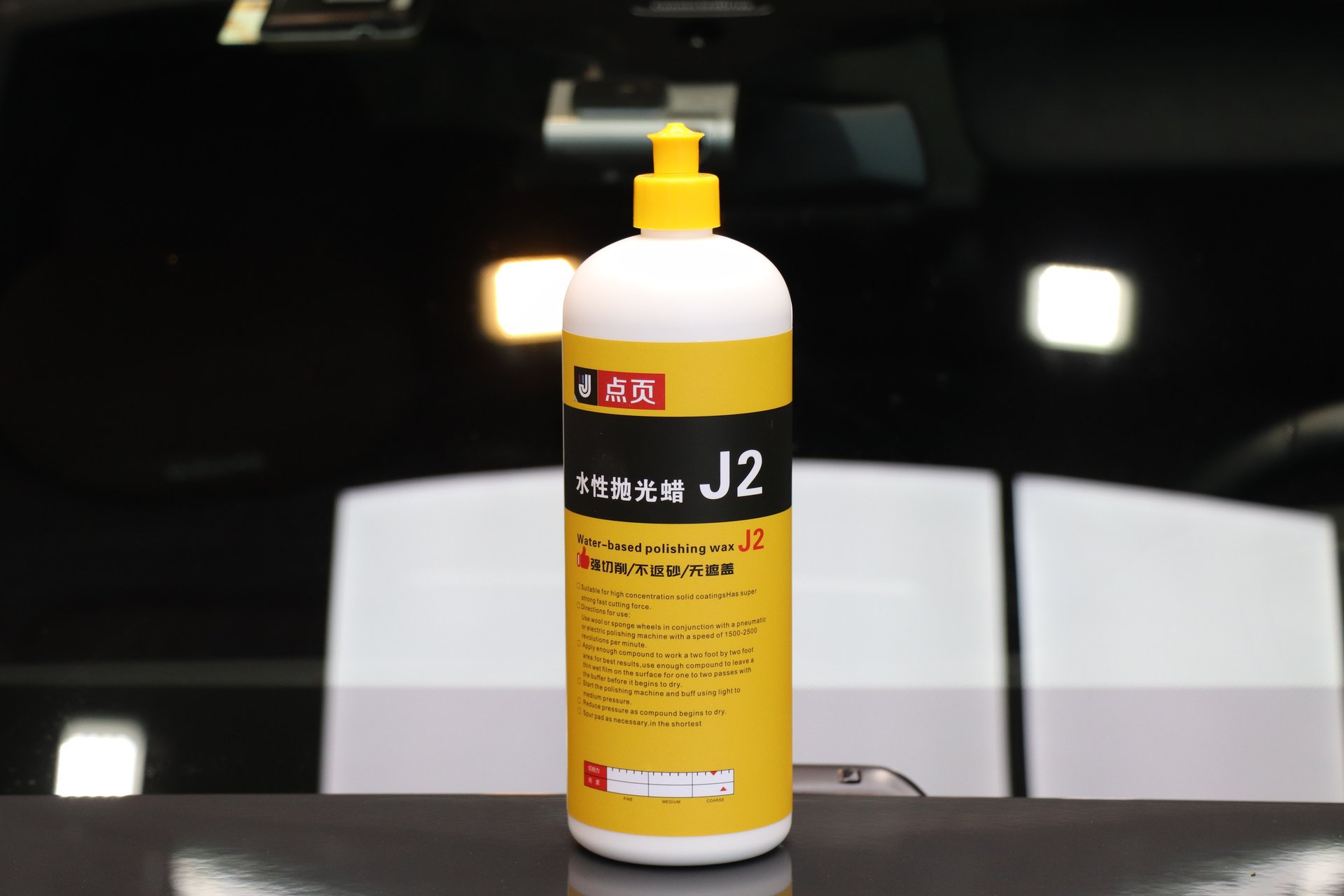
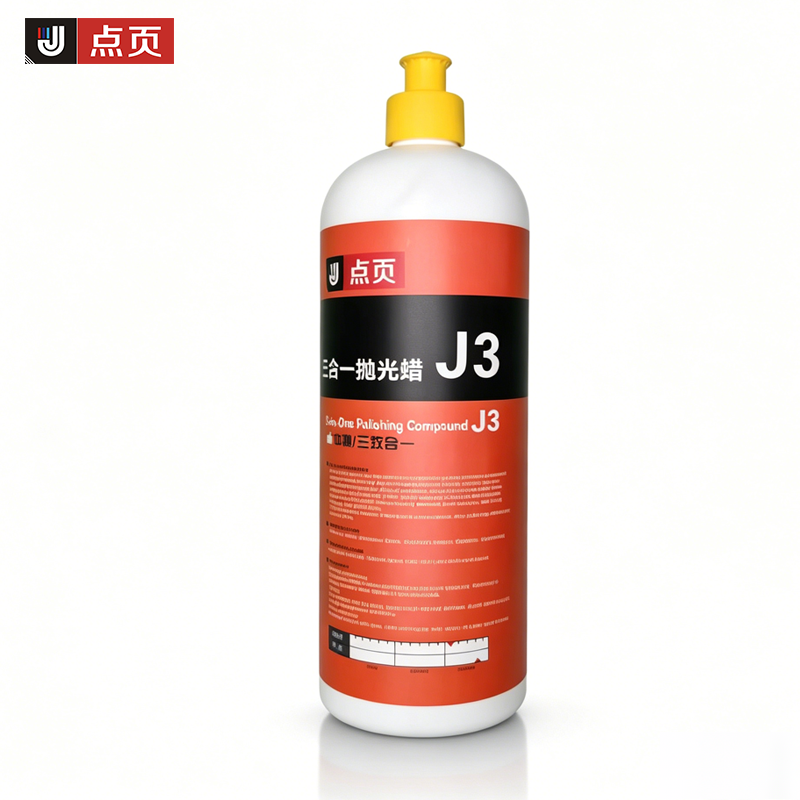
- J2 Water-Based Polishing Compound: Compatible with all speed ranges
- J1 3-in-1 Cleaning Wax: Ideal for medium-low speed application
- J5 Mirror Glaze: Suited for fast finishing
Conclusion
Mastering speed settings is at the core of polishing skill. DianYe recommends: beginners start with a DA machine at low speed, and gradually progress to higher speeds and RO operation as experience grows. Remember, safety always comes first.
📞 Technical consultation: 18923492297 📧 Business inquiries: rodger@coze.email