
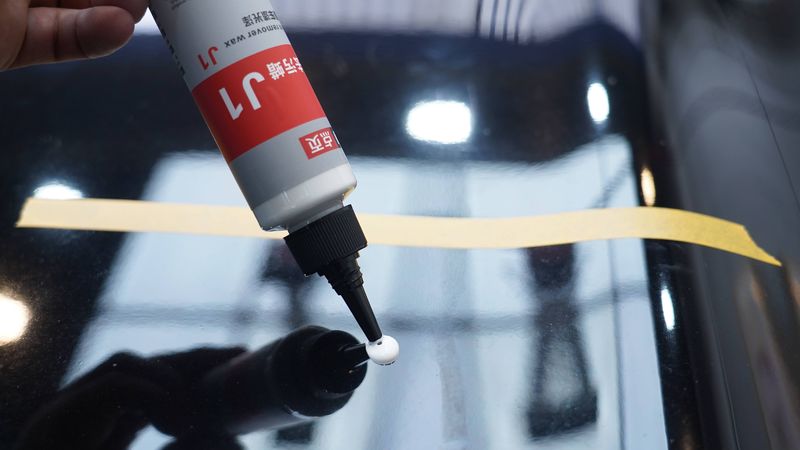
Polishing compounds are classified by cutting power into heavy-cut, medium, and fine grades. Knowing how to combine different grades is the essence of professional polishing. DianYe Auto Technology provides a detailed guide on using abrasive systems correctly.
1. Compound Classification
Heavy-Cut Compound
- Cutting Power: ★★★★★
- Particle Size: Coarse
- Primary Function: Remove heavy scratches, oxidation, orange peel
- Paint Removal: Significant
- Result: Leaves visible buffer trails
Medium Compound
- Cutting Power: ★★★☆☆
- Particle Size: Medium
- Primary Function: Remove heavy-cut trails, treat moderate defects
- Paint Removal: Moderate
- Result: Leaves fine marks requiring further processing
Fine Polish
- Cutting Power: ★★☆☆☆
- Particle Size: Fine
- Primary Function: Remove fine marks, restore gloss
- Paint Removal: Minimal
- Result: Near-perfect gloss
Mirror Glaze (Swirl Remover)
- Cutting Power: ★☆☆☆☆
- Particle Size: Ultra-fine or non-abrasive
- Primary Function: Remove swirl marks, achieve mirror finish
- Paint Removal: Negligible
- Result: Perfect mirror gloss
2. Correct Abrasive System Combinations
Traditional 3-Step Method
Heavy-Cut → Medium → Fine
For:
- Poor paint condition
- Full restoration needed
- Older vehicles
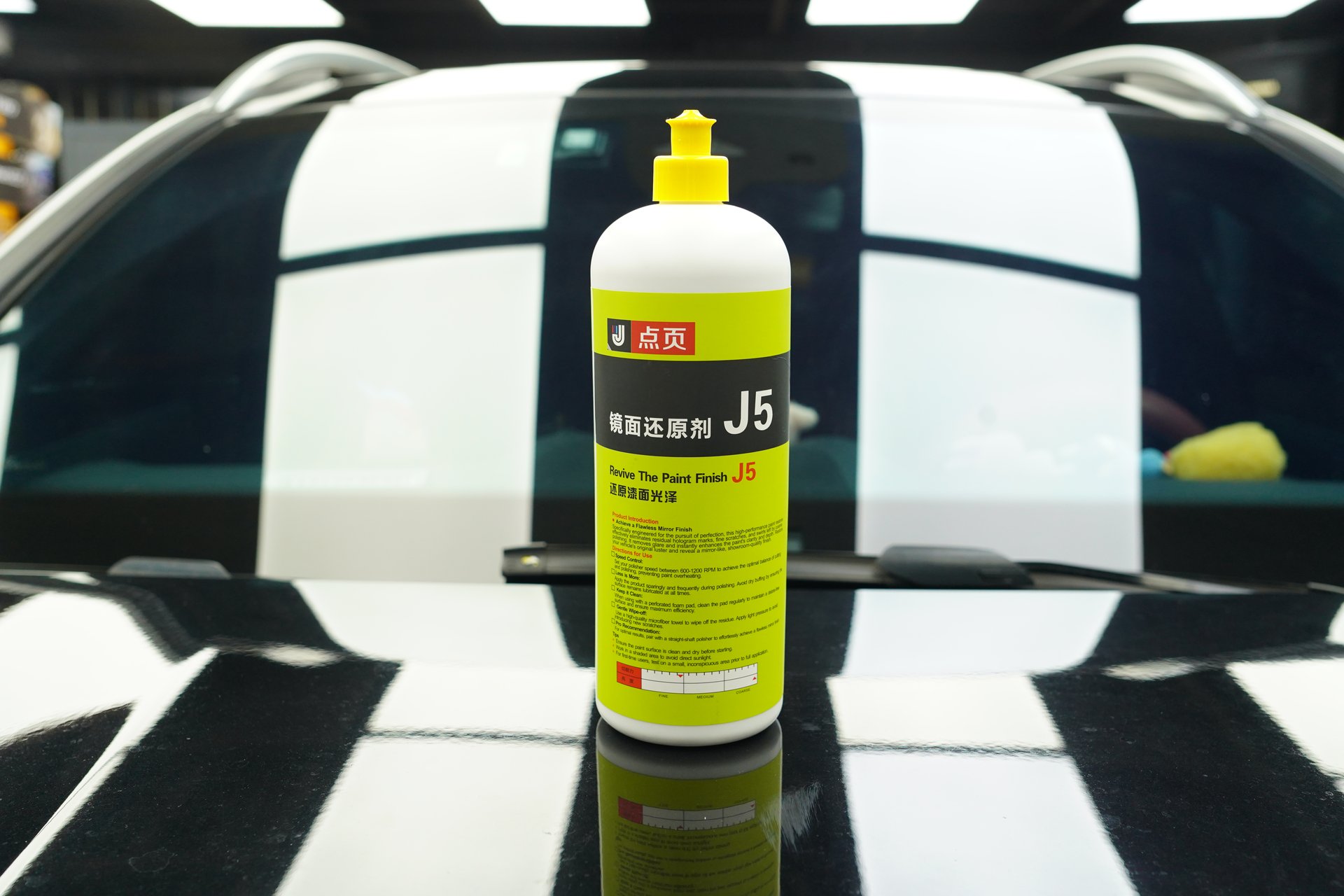
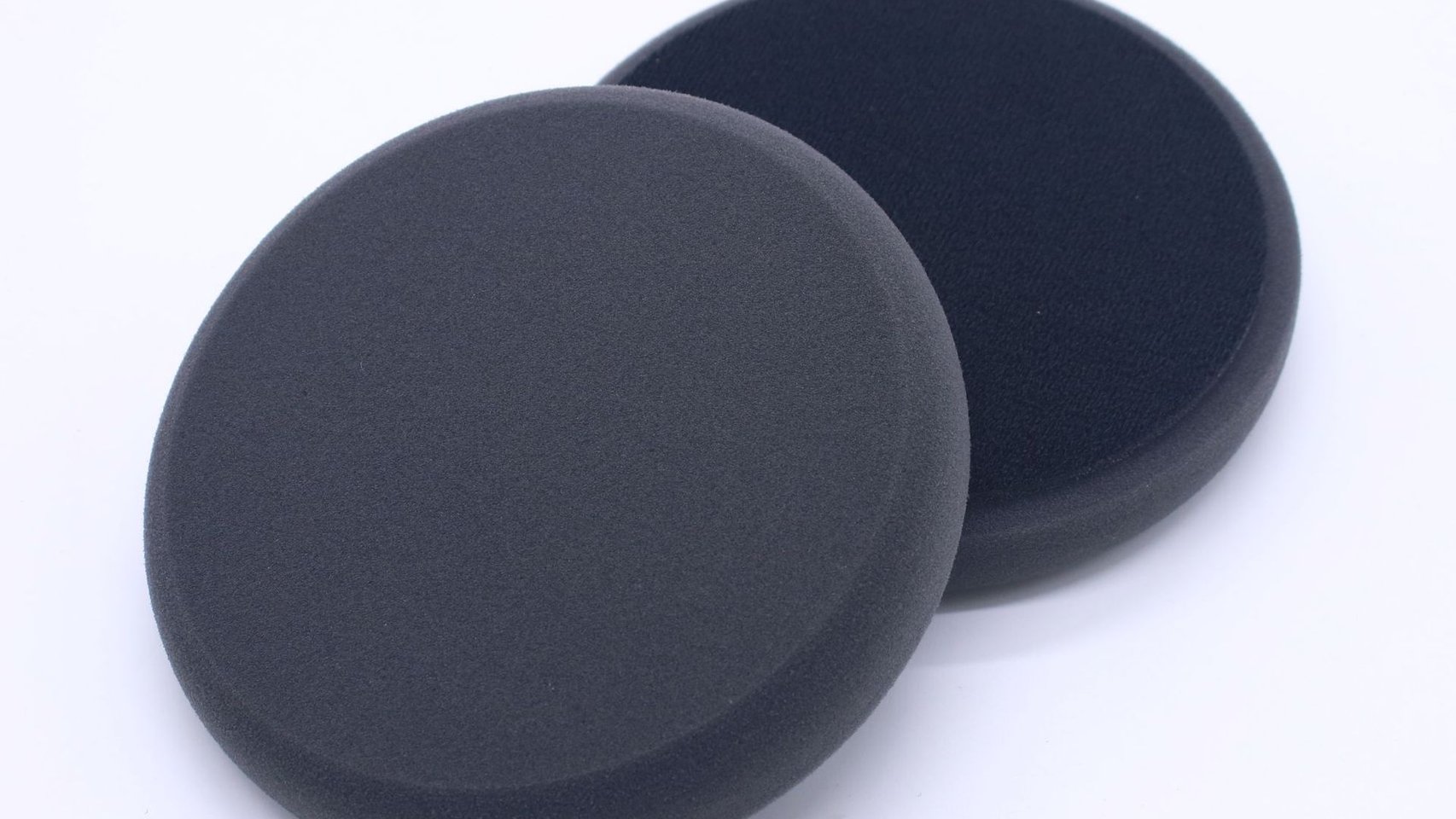
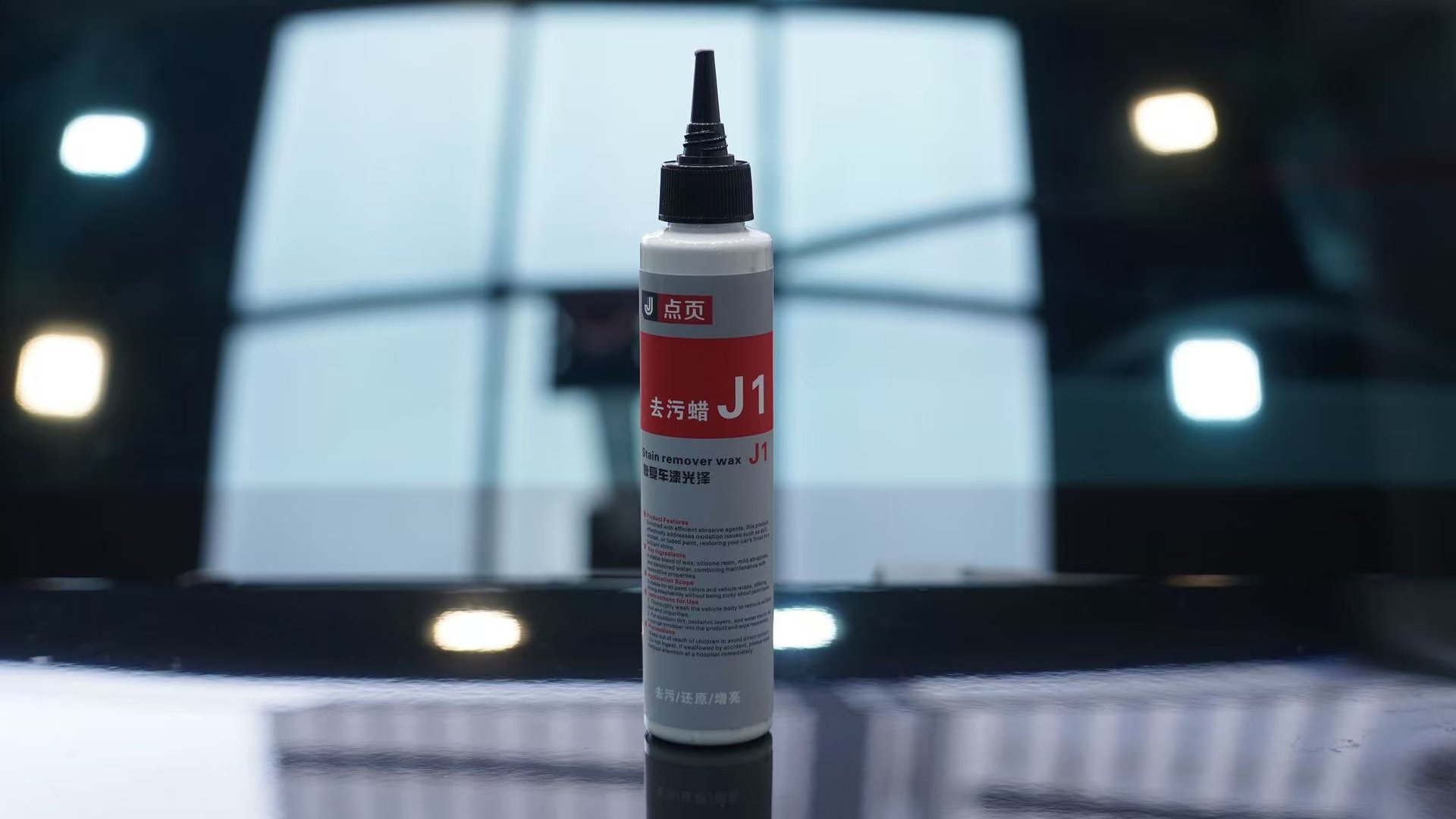
Key points:
- Heavy-cut with wool pad or hard foam pad
- Medium with medium-hardness foam pad
- Fine with soft foam pad
- Each step must fully eliminate marks from the previous step
Simplified 2-Step Method
Medium → Fine
For:
- Moderate paint condition
- Routine maintenance polishing
- Time-constrained situations
Key points:
- Medium cutting addresses the main issues
- Fine polish restores gloss
- Some minor defects may remain
1-Step Method
Fine polish or mirror glaze only
For:
- New cars or vehicles in good condition
- Light swirl removal
- Regular maintenance
Professional 4-Step Method
Heavy-Cut → Medium → Fine → Mirror Glaze
For:
- Perfection-level results
- Show-quality vehicles
- Pre-coating preparation
3. How to Choose Your Starting Abrasive Grade
Assessment Methods
- Visual inspection: Observe scratch depth under strong light
- Touch test: Feel the surface with the back of your hand
- Experience-based: Judge by vehicle age and condition
Start with Heavy-Cut When:
- Paint is clearly dull and lifeless
- Heavy oxidation present
- Visible scratches and defects
- Old vehicle restoration
Start with Medium When:
- Paint retains some gloss
- Scratches are shallow
- Primarily wash-induced swirls
- Routine maintenance
Start with Fine When:
- Paint condition is generally good
- Only minor defects present
- New or recently polished vehicle
- Only need swirl removal
4. Pad and Compound Pairing
Heavy-Cut Pad Recommendations
| Pad Type | Cutting | Application |
|---|---|---|
| Wool pad | Very Strong | Heavy defects, aged paint |
| Coarse foam pad | Strong | Moderate to heavy defects |
| Medium foam pad | Medium-Strong | Moderate defects |
Medium Compound Pad Recommendations
| Pad Type | Cutting | Application |
|---|---|---|
| Medium foam pad | Moderate | Standard medium cutting |
| Fine foam pad | Medium-Fine | Refined medium cutting |
Fine Polish Pad Recommendations
| Pad Type | Cutting | Application |
|---|---|---|
| Fine foam pad | Fine | Standard finishing |
| Soft foam pad | Very Fine | Delicate finishing |
| Microfiber pad | Fine | Mirror treatment |
5. Application Techniques
Work Sequence
- Start from the roof, work down section by section
- Overlap 50% to ensure no missed areas
- Use small pads for edges and corners
- Inspect results after each step
Speed Control
| Compound Type | Recommended Speed |
|---|---|
| Heavy-Cut | 1500-2000 RPM |
| Medium | 1200-1500 RPM |
| Fine | 1000-1200 RPM |
| Mirror Glaze | 800-1000 RPM |
Compound Application Amount
- Heavy-Cut: approximately coin-sized per 40cm²
- Medium: slightly less than heavy-cut
- Fine: less, about pea-sized
- Mirror Glaze: minimal amount
6. FAQ
Q: Can I skip intermediate steps? A: Possible but risky. Skipping may lead to poor results or rework.
Q: How do I know if I should continue to the next step? A: Inspect under strong light. If you can see marks from the previous step, continue processing.
Q: Can the same compound be used for multiple steps? A: Professional compounds have specific roles. Mixing is not recommended as it may compromise results.
Q: How to choose products? A: Use a complete matched system such as the J2 Water-Based Polishing Compound series for guaranteed compatibility.
Conclusion
Mastering abrasive system pairing is the core skill of professional polishing. DianYe reminds you: polishing is a progressive process — do not rush or skip essential steps. Choosing the right compound makes your work more efficient.
📞 Product inquiries: 18923492297 📧 Business inquiries: rodger@coze.email