
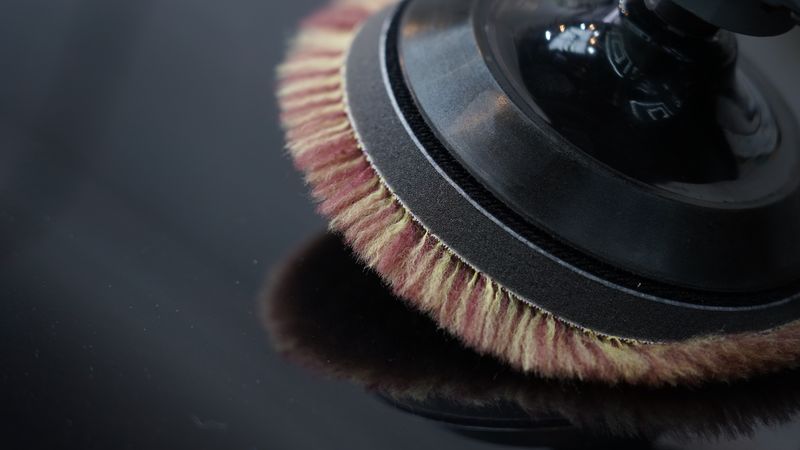
The polishing pad is the critical tool that contacts the paint surface directly. Its material, hardness, and quality directly affect polishing results. DianYe Auto Technology provides a detailed overview of pad types and selection techniques.
1. Pad Material Classification
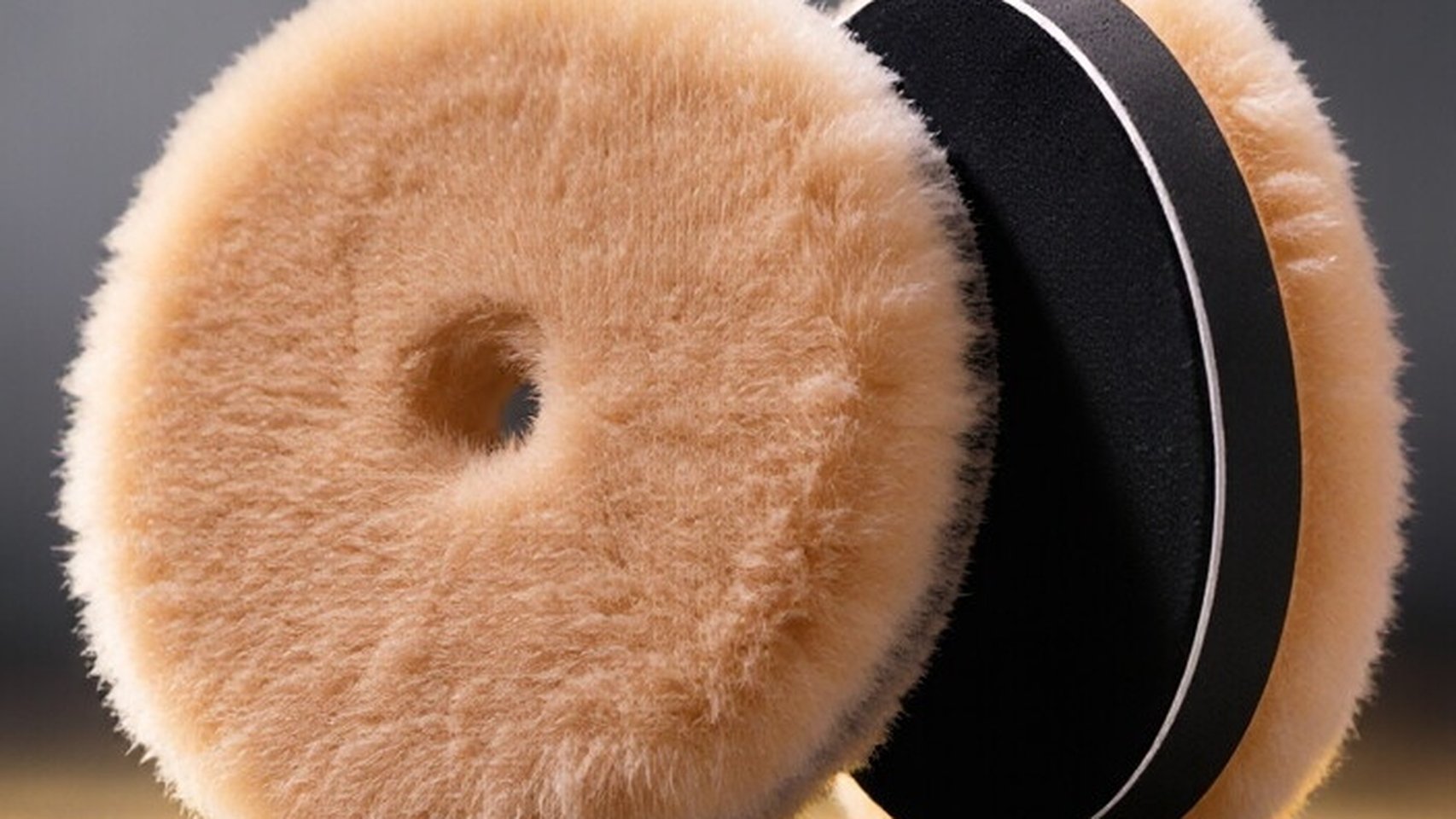
1.1 Wool Pads
Features:
- Strong cutting force, high efficiency
- Good heat dissipation, low burn risk
- Ideal for moderate to heavy scratches
Applications:
- Oxidation removal
- Moderate scratch correction
- Aged paint restoration
Usage notes:
- Control pressure when starting
- Not recommended for beginners alone
- Best used with experience
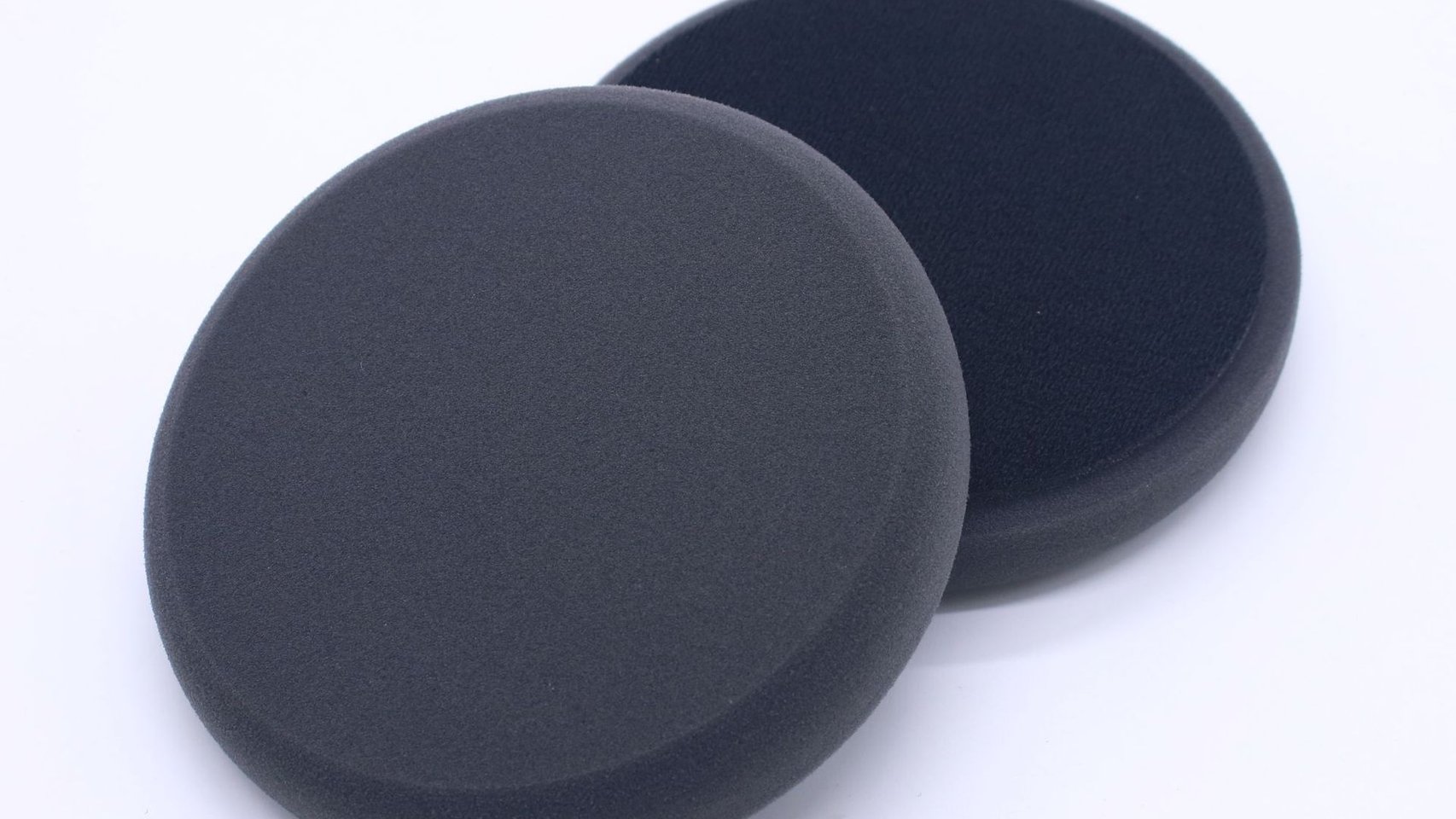
1.2 Foam Pads
Features:
- Controllable cutting, high safety
- Good heat dissipation
- Moderate elasticity, easy to handle
Applications:
- Fine polishing
- Gloss restoration
- Beginner-friendly choice
Hardness grades:
- Hard foam pad: Stronger cutting, for moderate scratch removal
- Medium hardness: All-purpose, suitable for various stages
- Soft foam pad: For finishing, protects paint surface
1.3 Microfiber Pads
Features:
- Cutting between wool and foam
- Fine cutting pattern
- Suitable for fine compound work
Applications:
- Light to moderate scratch correction
- Fine compound application
- Final gloss restoration
1.4 Hybrid Pads
Combining wool fibers and foam materials for the best of both:
- Wool-like cutting initially
- Transitions to foam-like gentleness as compound breaks down
2. Pad Specifications
Diameter
| Size | Application |
|---|---|
| 3” (75mm) | Detail work, tight areas |
| 5” (125mm) | Small areas, standard work |
| 6” (150mm) | General purpose, balance of speed and precision |
| 7-8” (180-200mm) | Large area rapid work |
Attachment Types
- Threaded: Screw-on, secure fit
- Hook-and-loop: Adhesive-backed, easy change
- Velcro: Pairs with backing plate
3. Pad Selection by Stage
Stage 1: Heavy Cutting
Recommended: Wool pad or hard foam pad
- Remove oxidation and heavy defects
- Pair with heavy-cut compound
- Speed: 1500-2000 RPM
Stage 2: Medium Cutting
Recommended: Medium-hardness foam pad
- Remove heavy-cut trails
- Pair with medium compound
- Speed: 1200-1500 RPM
Stage 3: Fine Polishing
Recommended: Soft foam pad
- Fine abrasion and gloss restoration
- Pair with fine polish
- Speed: 1000-1200 RPM
Stage 4: Final Finishing
Recommended: Ultra-soft foam pad or microfiber pad
- Restore perfect gloss
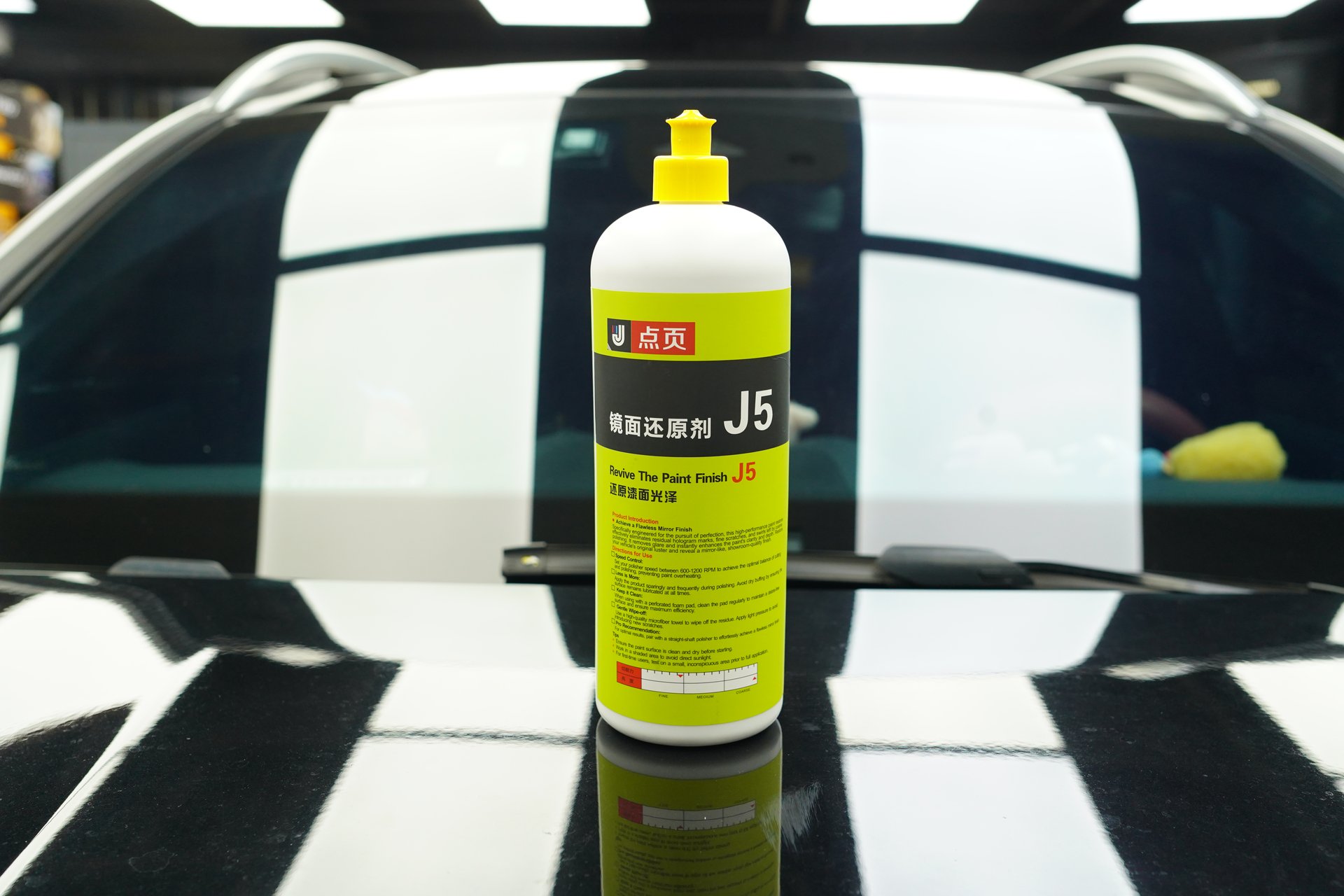
- Pair with mirror glaze or finishing polish
- Speed: 800-1000 RPM
4. Brand Considerations
International Brands
- 3M: Consistent quality, wide selection
- Meguiar’s: Professional grade, strong reputation
- Chemical Guys: Comprehensive range, premium positioning
Domestic Brands
- Reliable quality
- Localized service
- Some products match international standards
5. Pad Maintenance
Post-Use Cleaning
- Rinse with water to remove compound residue
- Air dry, avoid direct sunlight
- Store in a dry, ventilated area
Replacement Schedule
- Replace when visibly deformed or hardened
- Replace when cutting efficiency drops noticeably
- Typical lifespan: 10-20 vehicles
6. Purchasing Advice
- Beginners: Start with soft foam pads
- Professional shops: Stock a complete pad range
- Budget: Invest in quality for core sizes, standard options for secondary sizes
- Compatibility: Prefer pads from the same brand or verified compatible with your compound
Conclusion
Choosing the right polishing pad is essential for quality results. DianYe reminds you that pad-compound pairing is critical — match your combination to specific application requirements.
📞 Product inquiries: 18923492297 📧 Business inquiries: rodger@coze.email