
Check the Throw Before Buying a DA Polisher — 8mm/15mm/21mm Differences Explained: Wrong Choice Means Wasted Effort
You spent two thousand on a DA polisher, eagerly start working, only to find the swirls are still there after an hour — the problem is likely not your technique, but the throw distance.
Throw distance is the single most critical parameter of a DA polisher. It directly determines the orbit diameter, cutting efficiency, and the fineness of the final paint finish. Yet it is the parameter most overlooked by car owners and even some detailing professionals.
This article breaks down the differences between 8mm, 15mm, and 21mm throw distances so you can make the right choice.
What Exactly Is Throw Distance?
A DA polisher uses a combined “rotation + eccentric oscillation” motion. The pad rotates on its own axis while simultaneously orbiting around an eccentric axis in an irregular path.
Throw distance is the distance from the eccentric axis to the rotation center, measured in millimeters. It determines how large each orbital pass is on the paint surface.
Think of it this way: 8mm throw means the pad’s orbit diameter is about 8mm; 21mm throw means a 21mm orbit.
Larger orbit = more area covered per pass = higher cutting efficiency but less refinement. Smaller orbit = finer finish but less coverage and slower work.
This is the core trade-off of throw distance: efficiency and precision are always in opposition.
8mm Throw: King of Precision, Efficiency Shortfall
Technical Specs
- Orbit diameter: ~8mm
- Small coverage per pass
- Low heat buildup
- Gentle cutting
Best Applications
The 8mm DA’s core advantage is precision. Its small orbit gives highly “controlled” pad movement, minimizing the risk of introducing new micro-scratches.
Typical use cases:
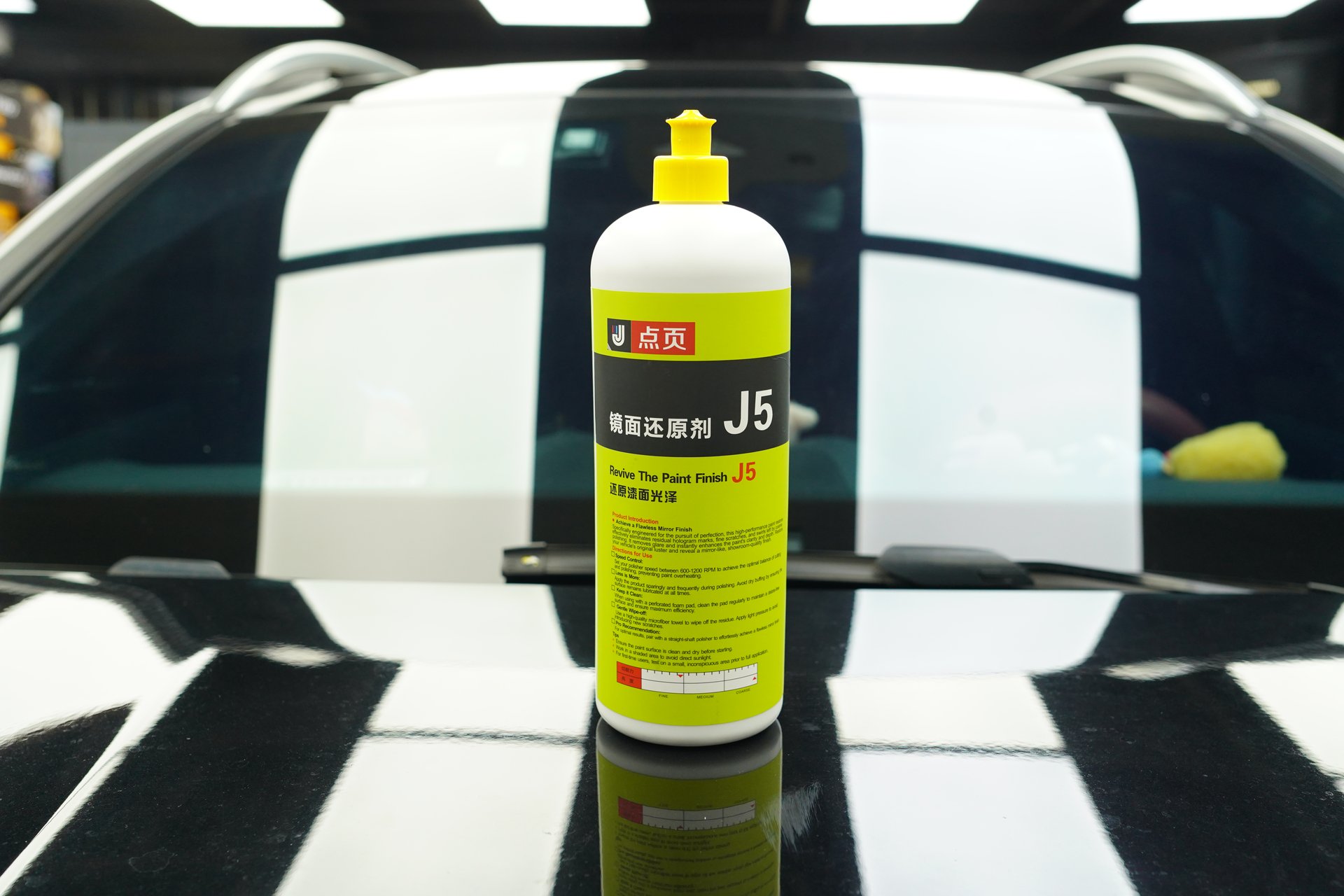
- Mirror finishing stage: After compounding and medium cutting, an 8mm throw with DianYe J5 Mirror Glaze delivers exceptional paint clarity
- Pre-coating/film preparation: Requires ultimate paint smoothness with no new holograms
- Dark paint work: Black, dark blue, and other dark colors are extremely sensitive to micro-scratches — 8mm’s small orbit minimizes new mark risk
- Complex curves: Around door handles, mirror bases, wheel arch curves — the small orbit conforms better to contours without “skipping” over transitions
Limitations
Efficiency is the biggest drawback. Polishing a hood (~0.5m²) with 8mm takes approximately 1.5-2x longer than 15mm. If you are running a shop processing multiple cars daily, relying solely on 8mm will significantly slow your pace.
15mm Throw: The Balanced Choice, Industry Standard
Technical Specs
- Orbit diameter: ~15mm
- Moderate coverage
- Good heat control
- Medium cutting force
Best Applications
15mm is widely recognized as the optimal balance point. It delivers “good enough” on both efficiency and precision.
This is why most mid-to-high-end DA machines ship with 15mm as the default.
Typical use cases:
- Daily medium polishing: Swirl marks, light oxidation, water spots — 15mm with DianYe J3 3-in-1 Polishing Compound handles them efficiently in one step
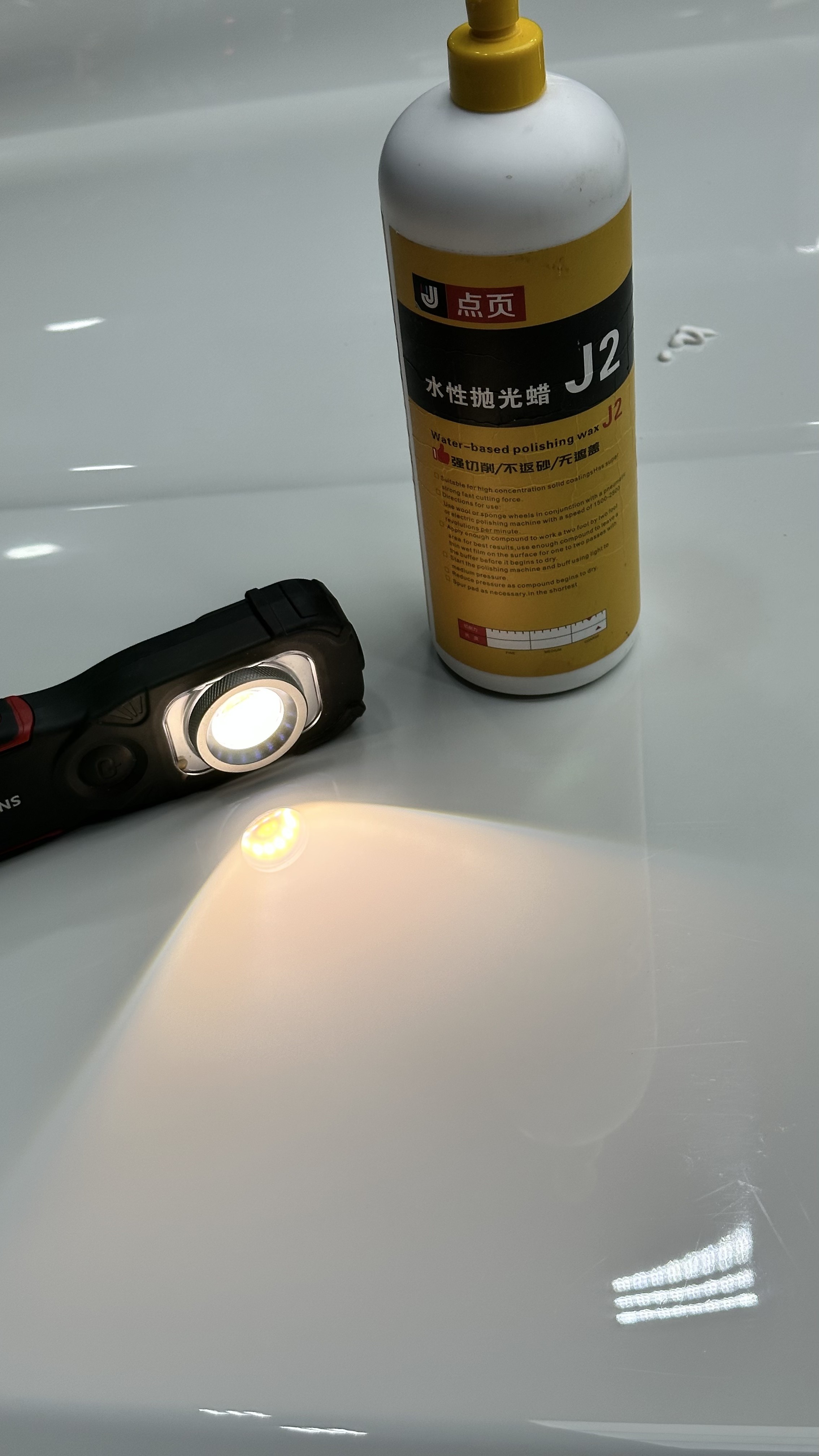
- Compound-to-finish workflow: First pass with J2 Water-Based Polishing Compound at 15mm, then switch to J5 Mirror Glaze — the standard two-step process
- Full-car restoration: Whole-vehicle work with 15mm coverage ensures reasonable speed while matching the results of larger throws
- Beginner entry: 15mm has high forgiveness — even inexperienced operators rarely cause paint damage
Why Is 15mm “the Hardest to Get Wrong”?
From real-world data, 15mm performs well across the board:
| Metric | 8mm | 15mm | 21mm |
|---|---|---|---|
| Swirl removal efficiency | ★★☆ | ★★★★ | ★★★★★ |
| Final paint fineness | ★★★★★ | ★★★★ | ★★★ |
| Operating difficulty | Low | Low | Moderate |
| Curve conformity | Excellent | Good | Fair |
| Work speed | Slow | Medium | Fast |
15mm is not #1 in any category, but has no glaring weakness either. That is the value of “balanced” — you do not need a different machine for every scenario.
21mm Throw: Efficiency Monster, Higher Skill Requirement
Technical Specs
- Orbit diameter: ~21mm
- Large coverage per pass
- Higher heat buildup
- Strong cutting force
Best Applications
The 21mm DA is built for large areas, heavy defects, and maximum efficiency.
Typical use cases:
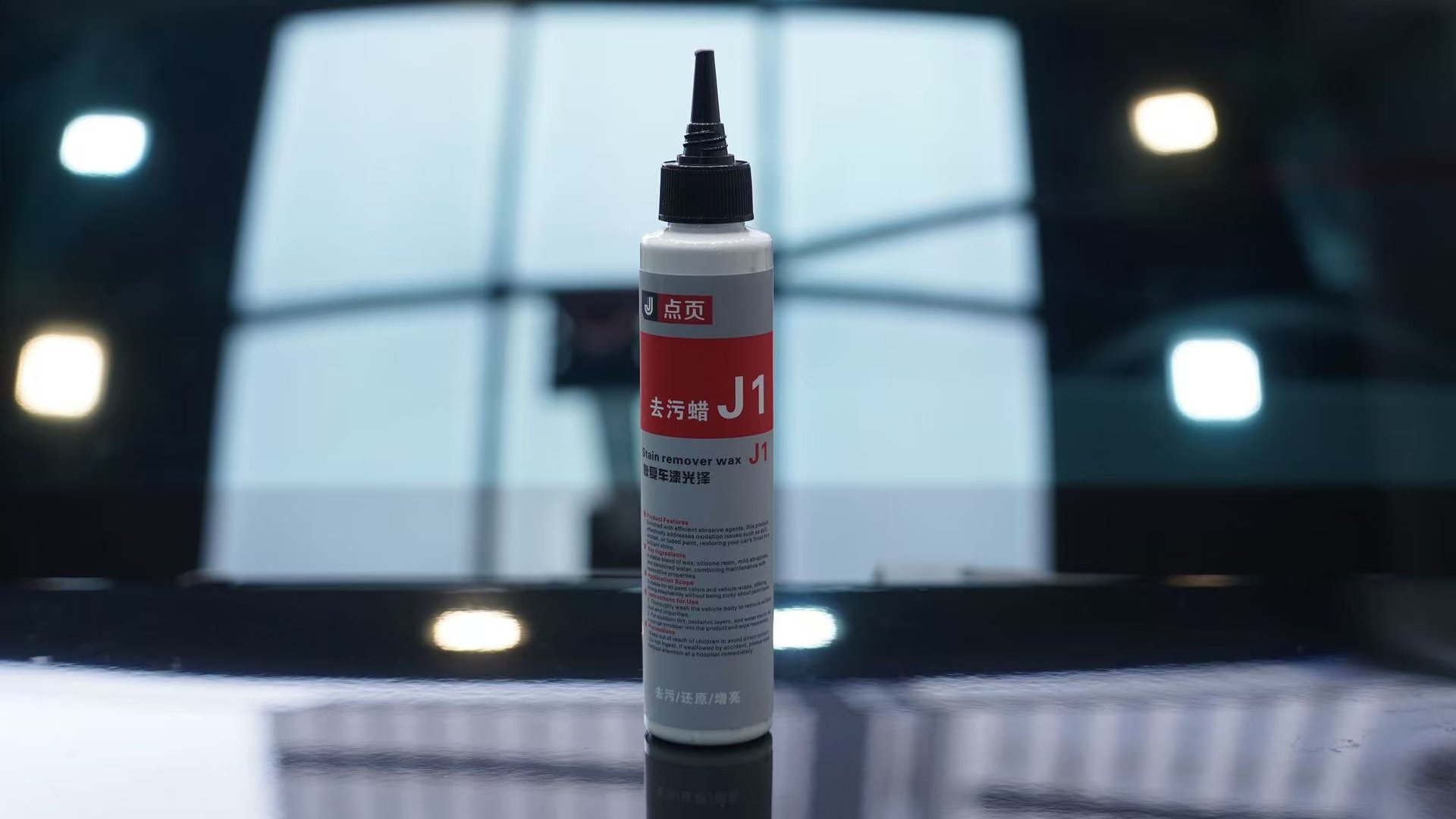
- Heavy oxidation: Vehicles parked outdoors long-term with severely dulled paint — 21mm with DianYe J1 Cleaning Wax for the first cleaning pass is far faster than 15mm
- Large vehicle work: Full-size SUVs, MPVs, vans — 21mm compresses total polishing time to a minimum
- Commercial quick repair: Used car reconditioning, fleet maintenance — where “looks acceptable” matters most and speed is king
- Heavy-cut compound work: J2 Water-Based Polishing Compound at 21mm delivers maximum cutting volume and speed
Issues to Watch
21mm vibration is noticeably higher than 15mm and 8mm. Extended use causes more hand fatigue. It also demands better machine control — at edges and steep curves, the large orbit tends to “skip,” causing uneven polishing.
Additionally, 21mm underperforms in the finishing stage. If you use 21mm + soft pad + J5 Mirror Glaze for final refining, the paint fineness will be noticeably inferior to 15mm or 8mm results.
An Industry Problem: Fake Throw Specifications
A warning: many low-cost DA machines falsely advertise throw distance, labeling 15mm machines as 21mm.
Easy check: genuine 21mm machines have a visibly larger, heavier head. If a “21mm” machine is similar in size and weight to a standard 15mm, it is almost certainly mislabeled.
The harm goes beyond “money wasted” — users operate according to 21mm expectations for pressure and technique, but the actual performance falls short, leading to paint problems from incorrect operating assumptions.
Throw Distance + Compound Pairing Logic
Throw distance does not work in isolation — it must function as a complete “system” with pad and compound.
Using the DianYe J1-J5 product system as an example:
Compounding Stage (Oxidation Removal, Moderate Scratches)
- Throw: 15mm or 21mm
- Compound: J2 Water-Based Polishing Compound (Heavy-Cut)
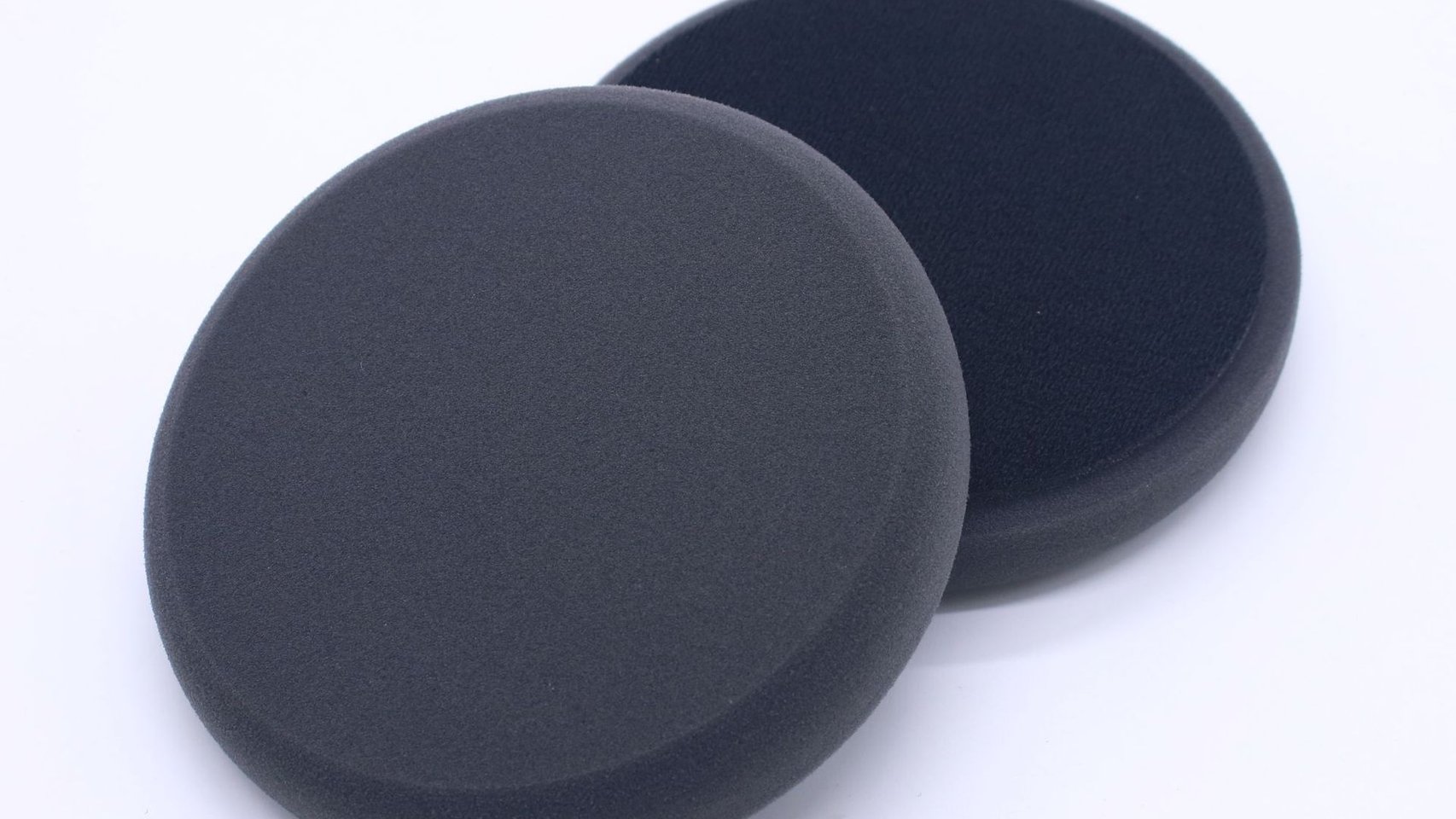
- Pad: Medium-hard foam or cutting pad
- Speed: 4000-5000 RPM
- Logic: Large throw + heavy-cut compound + hard pad = maximum cutting efficiency
Medium Cutting Stage (Remove Compound Trails, Boost Gloss)
- Throw: 15mm
- Compound: J3 3-in-1 Polishing Compound (Medium-Cut)
- Pad: Medium-hardness foam pad
- Speed: 3000-4000 RPM
- Logic: Medium throw + medium compound + medium pad = balance of cutting and fineness
Finishing Stage (Mirror Finish)
- Throw: 8mm or 15mm
- Compound: J5 Mirror Glaze (Fine/Finishing)
- Pad: Soft foam or microfiber pad
- Speed: 2000-2500 RPM
- Logic: Small throw + fine compound + soft pad = maximum paint fineness
Post-Polish Protection
- After polishing, apply DianYe X1 Quick Liquid Wax — throw distance is irrelevant here; hand application works fine
Purchase Recommendations by User Type
Car Owners / DIY Enthusiasts
If you only polish your own car occasionally, a 15mm throw DA covers virtually all scenarios. Pair with J2 for compounding, J3 for medium cutting, and J5 for finishing — the complete workflow delivers results rivaling professional shops.
Budget recommendation: 1500-3000 CNY (machine + basic pads + compound set).
Enthusiasts
For more advanced users, consider a “15mm + 8mm dual-machine setup.” 15mm handles daily medium cutting and compounding; 8mm handles fine finishing and dark paint. Clear division of labor produces better results than a single 15mm.
Professional Detailing Shops
Recommend at least two DA machines: one 15mm (versatile primary) and one 21mm (large-area rapid work). For frequent high-end dark paint jobs, add an 8mm.
Complete professional setup:
- 21mm DA + J1 Cleaning Wax / J2 Water-Based Polishing Compound → rapid heavy cutting
- 15mm DA + J3 3-in-1 Polishing Compound → medium cutting bridge
- 8mm DA + J5 Mirror Glaze → precision finishing
- X1 Quick Liquid Wax → post-polish protection
Summary: Throw Distance Is Fundamentally “Efficiency vs. Precision”
- 8mm: Highest precision, lowest efficiency — ideal for fine finishing and dark paint
- 15mm: Best balance of efficiency and precision — suits most scenarios, top choice for beginners
- 21mm: Highest efficiency, moderate precision — ideal for large areas and heavy oxidation
Choosing throw distance is about finding your ideal balance between “fast” and “fine” based on your most common paint conditions and work scenarios.
There is no “best” throw — only the best throw for you.
But one principle never fails: regardless of throw, compound quality and matching matter. Even the best machine paired with inferior car polishing compound will not deliver results. The J1 Cleaning Wax, J2 Water-Based Polishing Compound, J3 3-in-1 Polishing Compound, and J5 Mirror Glaze system is designed around the coarse-to-fine logic, and when matched with appropriate throw DA machines, it maximizes the synergy between machine and consumables.