
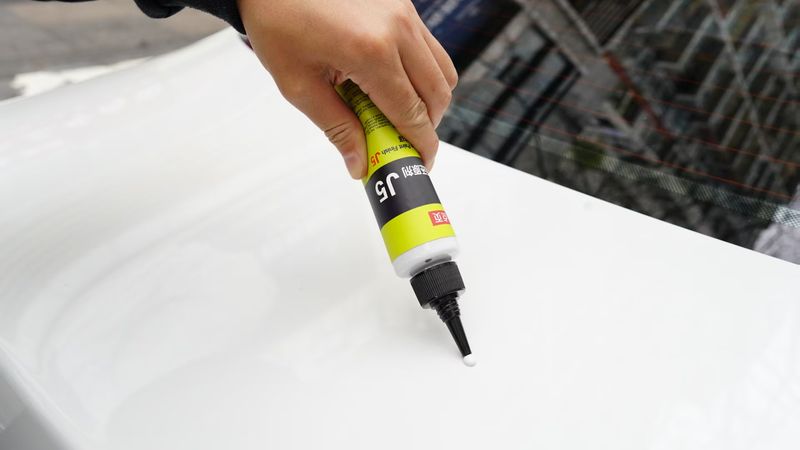
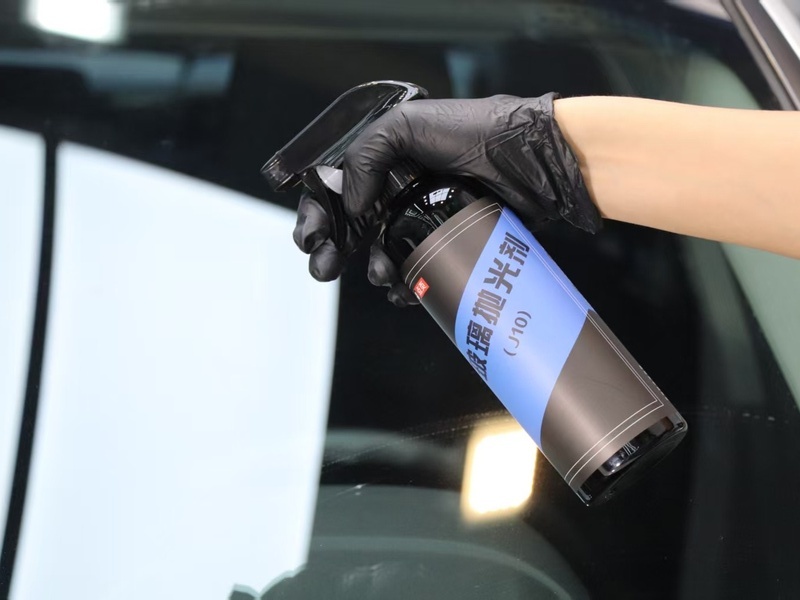
Bottom line: Car glass oil film requires professional glass polishing compound (such as J10 Glass Polishing Compound) with a polishing machine and dedicated polishing pads for complete removal. Dish soap, alcohol, and similar methods only provide temporary relief and cannot eliminate stubborn oil film.
1. Why Does Oil Film Form on Glass?
1.1 Sources of Oil Film
Several sources contribute to oil film on car glass:
1. Exhaust emissions Diesel engines and aging engines emit unburned hydrocarbons that adhere to glass. Studies show that after 2 hours of peak-traffic driving, measurable contamination is detectable on glass.
2. Cooking oil fumes Vehicles parked near restaurant districts or in open parking lots accumulate oil micro-particles from cooking fumes on the glass surface.
3. Wiper fluid residue Low-quality wiper fluid or using plain tap water leaves water spots and oily residue over time.
4. Tree sap and insect residue Common in summer — tree sap and insect remains contain natural oils that, once dried, bond tightly to glass forming hard-to-remove film.
1.2 How Oil Film Develops
Oil film does not form overnight. It progresses through stages:
- Surface contamination: Dust and particles adhere
- Oil deposition: Oily substances mix with particles
- Oxidation and curing: Oil oxidizes and bonds to glass
- Stubborn film: A composite layer forms that cannot be removed by ordinary methods
2. Why Dish Soap and Alcohol Do Not Work
Many car owners try dish soap, alcohol, or glass cleaner to remove oil film — results are usually disappointing. Here is why:
2.1 Dish Soap Limitations
- Dish soap is designed for kitchen grease, not oxidized composite oil film
- Residue can form new water spots
- Cannot remove stains already bonded to glass
2.2 Alcohol Limitations
- Alcohol evaporates quickly with short contact time, unable to dissolve oil film fully
- Only removes fresh surface grease
- Ineffective against cured film layers
2.3 Glass Cleaner Limitations
- Standard glass cleaners rely on surfactants with limited cleaning power
- Low-quality cleaners can actually worsen oil film
According to automotive aftermarket research, about 70% of car owners who use dish soap or alcohol report oil film reappearing within one week.
3. The Correct Method for Complete Oil Film Removal
3.1 Method 1: Glass Polishing (Recommended)
This is the most thorough and effective method.
Required tools:
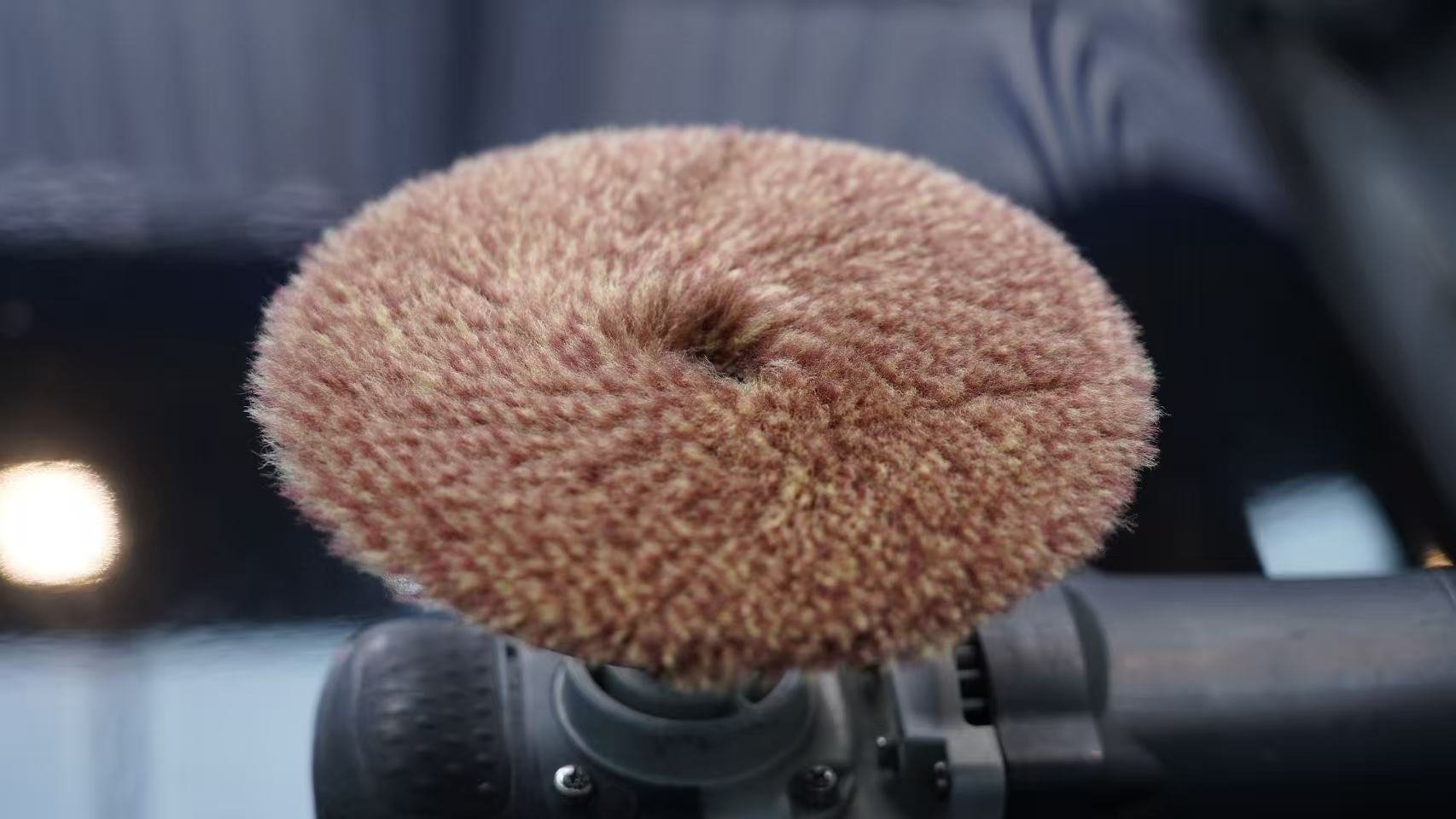
- Rotary polishing machine (DA machines are not suitable)
- J10 Glass Polishing Compound
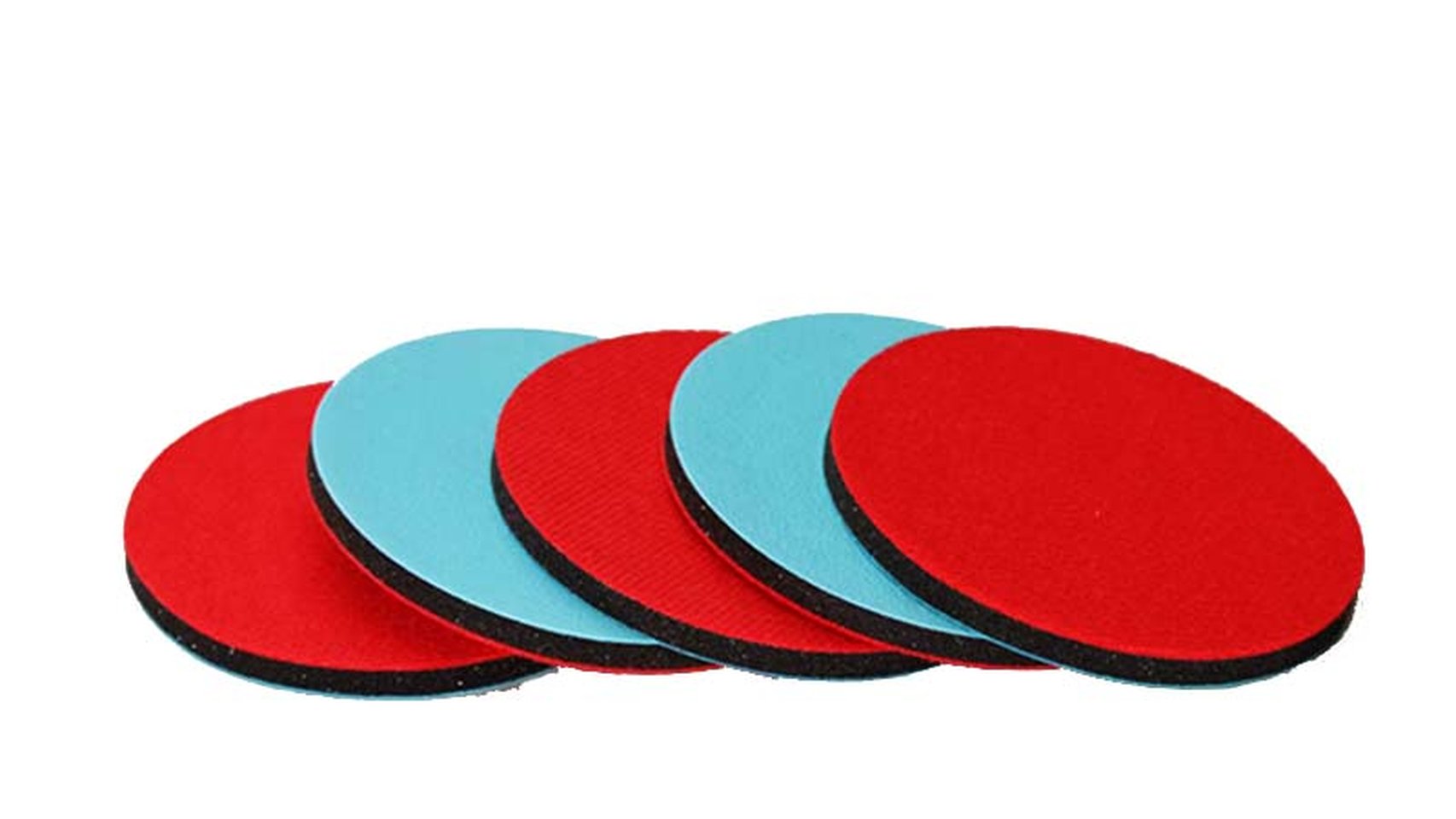
- #1 Glass Polishing Pad
Why a rotary machine? Glass polishing requires stable rotational force for uniform cutting. DA machine vibration causes uneven force distribution, potentially causing scratches or cracks.
Pad selection:
- #1 Pad (Fine): Removes heavy oil film and oxidation, eliminates fine holograms
Steps:
- Clean glass surface: Rinse off loose dust with water
- Mask protection: Cover window frames and weatherstripping with masking film
- Fine polishing (#1 pad): Use the finest pad for final finishing
- Clean and inspect: Rinse with water and check results
3.2 Method 2: Dedicated Oil Film Remover
Without polishing equipment, use a dedicated oil film remover:
Application:
- Wet the glass surface
- Spray on oil film remover
- Wipe evenly with sponge or towel
- Rinse clean with water
- Dry with a squeegee
Note: Effectiveness varies by brand. Stubborn oil film may require multiple applications.
4. Prevention After Oil Film Removal
Without proper prevention, oil film will quickly reform.
4.1 Use Quality Wiper Fluid
Avoid tap water or cheap fluid. Use professional glass cleaning solution with:
- Low-residue formula
- Nozzle-safe
- Gentle oil-cutting ability
4.2 Regular Glass Cleaning
Wipe glass weekly with glass cleaning solution, focusing on:
- Front windshield exterior
- Side mirrors
- Headlight lenses
4.3 Avoid Parking Near Pollution Sources
- Stay away from restaurant exhaust areas
- Do not park near factories or construction sites
- Underground parking is better than roadside
4.4 Wash After Rain
Rain carries airborne pollutants that accelerate oil film formation. Rinse glass with clean water after rain when possible.
4.5 Apply Glass Water Repellent
After oil film removal, apply a water repellent:
- Forms a protective layer, slowing oil film formation
- Rain beads off, improving night driving safety
- Reapply periodically to maintain effect
5. Glass Polishing Precautions
5.1 Safety Warning
⚠️ Never polish side mirror glass: Mirror elements are adhered — polishing friction and heat can cause them to detach.
⚠️ Coated glass requires caution: Some premium vehicles have UV-blocking coatings on windshields. Polishing may damage the coating.
5.2 Assessing Suitability for Polishing
- Drag your fingernail across the oily area — if you feel unevenness, the film is thick enough to polish
- Visible scratches or etching on glass are also suitable for polishing repair
5.3 FAQ
Q: Will glass polishing damage the glass? A: Not when done correctly. Glass is much harder than paint — polishing removes only a microscopic surface layer. The right pad and technique are key.
Q: How long do results last? A: Depending on environment and protection, typically 6-12 months. Parking near pollution sources shortens this.
Q: Can I use a DA polisher? A: Not recommended. DA vibration may cause glass cracking. Glass polishing requires a rotary machine.
Q: Can this be used on window tint film? A: No. Polishing will directly damage tint film. If oil film is on tint, the film must be replaced.
6. J10 Glass Polishing Compound
J10 Glass Polishing Compound is specifically designed for removing glass oil film and light scratches:
Features:
- Formulated specifically for glass, does not damage the surface
- Efficiently removes oil film, water spots, insect residue
- Can repair light scratches and etching
- Machine application delivers thorough results
Applications:
- Front windshield
- Side windows
- Rear window (excluding mirrors)
- Headlight lenses
Usage:
- Use with rotary polishing machine
- Deep scratches: start with #3 pad, progress to finer; holograms or heavy oil film: use #1 pad + J10 directly
- Rinse and inspect after each pass
7. Summary
| Method | Effectiveness | Duration | Difficulty | Cost |
|---|---|---|---|---|
| Dish soap / alcohol | Poor | Recurs within 1 week | Low | Low |
| Dedicated remover | Moderate | 2-4 weeks | Low | Medium |
| Glass polishing | Good | 6-12 months | High | Medium-High |
Recommended approach: Daily maintenance with glass cleaning solution; address oil film promptly. For severe oil film, use J10 Glass Polishing Compound with a polishing machine for thorough cleaning.
Related Products:
- J10 Glass Polishing Compound - Oil film and scratch removal
- Glass Polishing Pad Set - #3 / #2 / #1 professional configuration
📞 Learn more: 18923492297 📧 Business inquiries: rodger@coze.email