
In automotive paint care, waxing and polishing are the two most common treatments. Many car owners cannot distinguish them, or even treat them as the same thing. DianYe Auto Technology explains the fundamental differences between waxing and polishing.
1. Core Definitions
What Is Waxing?
Waxing applies a protective layer on the paint surface, providing:
- Isolation between contaminants and the paint
- Enhanced gloss and smoothness
- Some UV protection
- Simple enough for car owners to do themselves
Nature: Surface-level protective coating
What Is Polishing?
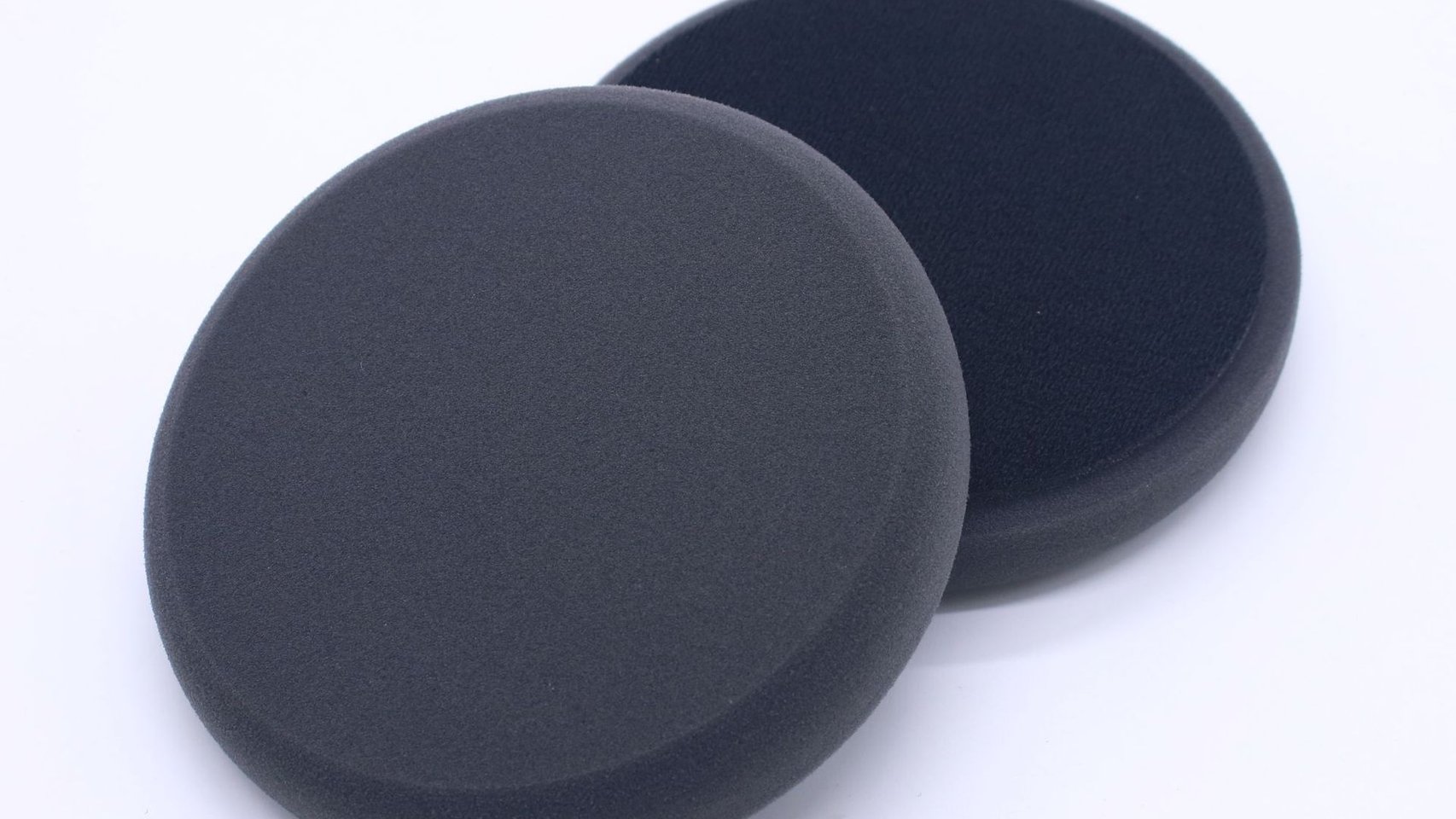
Polishing uses abrasive materials to remove paint surface defects:
- Eliminates scratches, oxidation, and other defects
- Restores original paint smoothness and gloss
- Treats orange peel, swirl marks, etc.
- Requires professional tools and technique
Nature: Paint surface corrective treatment
2. Key Differences
| Dimension | Waxing | Polishing |
|---|---|---|
| Purpose | Protect paint | Restore paint |
| Principle | Forms protective film | Abrasive removal of defects |
| Depth | Surface coverage | Physical cutting |
| Result | Gloss + protection | Gloss + correction |
| Duration | 1-3 months | 6-12 months (with protection) |
| Difficulty | Easy to learn | Requires professional skill |
| Tool Requirements | Hand or simple tools | Professional polisher |
| Paint Impact | No damage | Slight material removal |
3. Waxing: Features and Applications
Advantages
- Simple, beginner-friendly
- Quick application (20-30 minutes)
- Low cost
- Can be done frequently
- Ideal for daily maintenance
Disadvantages
- Cannot repair scratches
- Limited protection
- Shorter-lasting results
- Ineffective on serious defects
Best For
- New car protection
- Routine paint maintenance
- Maintaining results after polishing
- Vehicles in good paint condition
Recommended Products
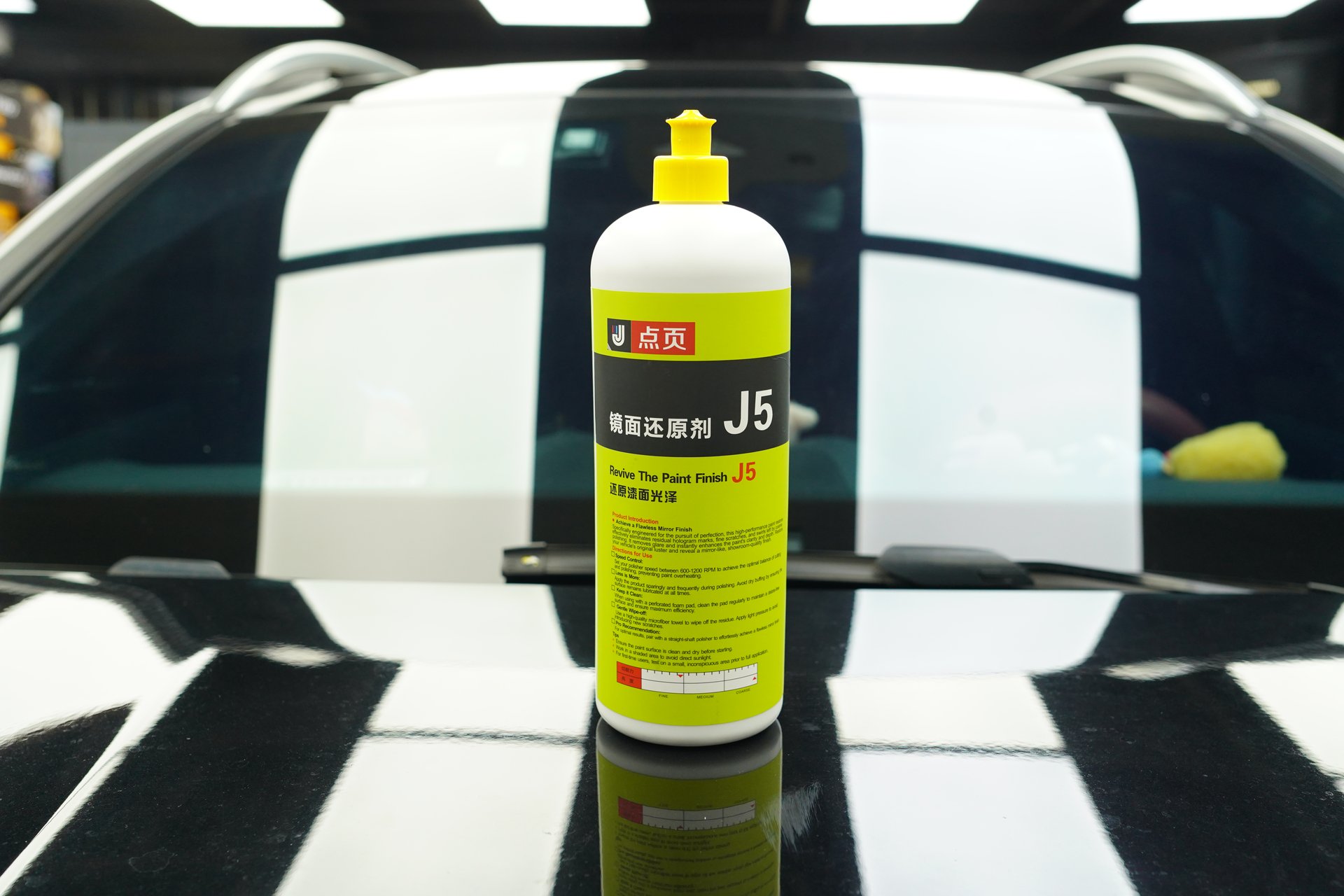
- J5 Mirror Glaze: Quick and easy, ideal for daily care
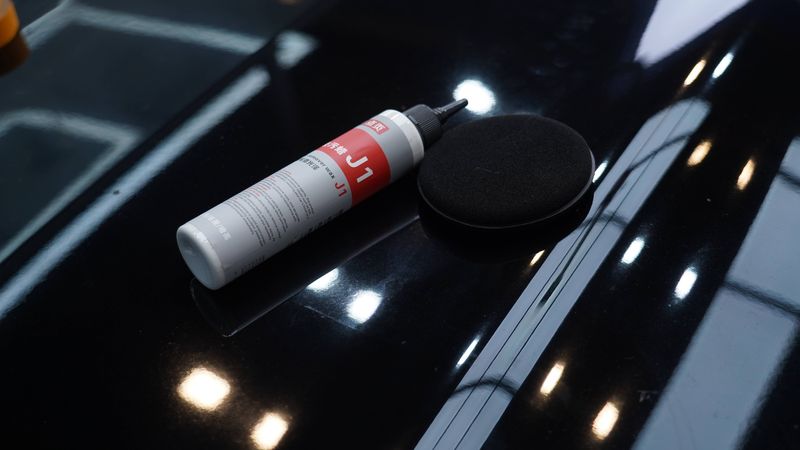
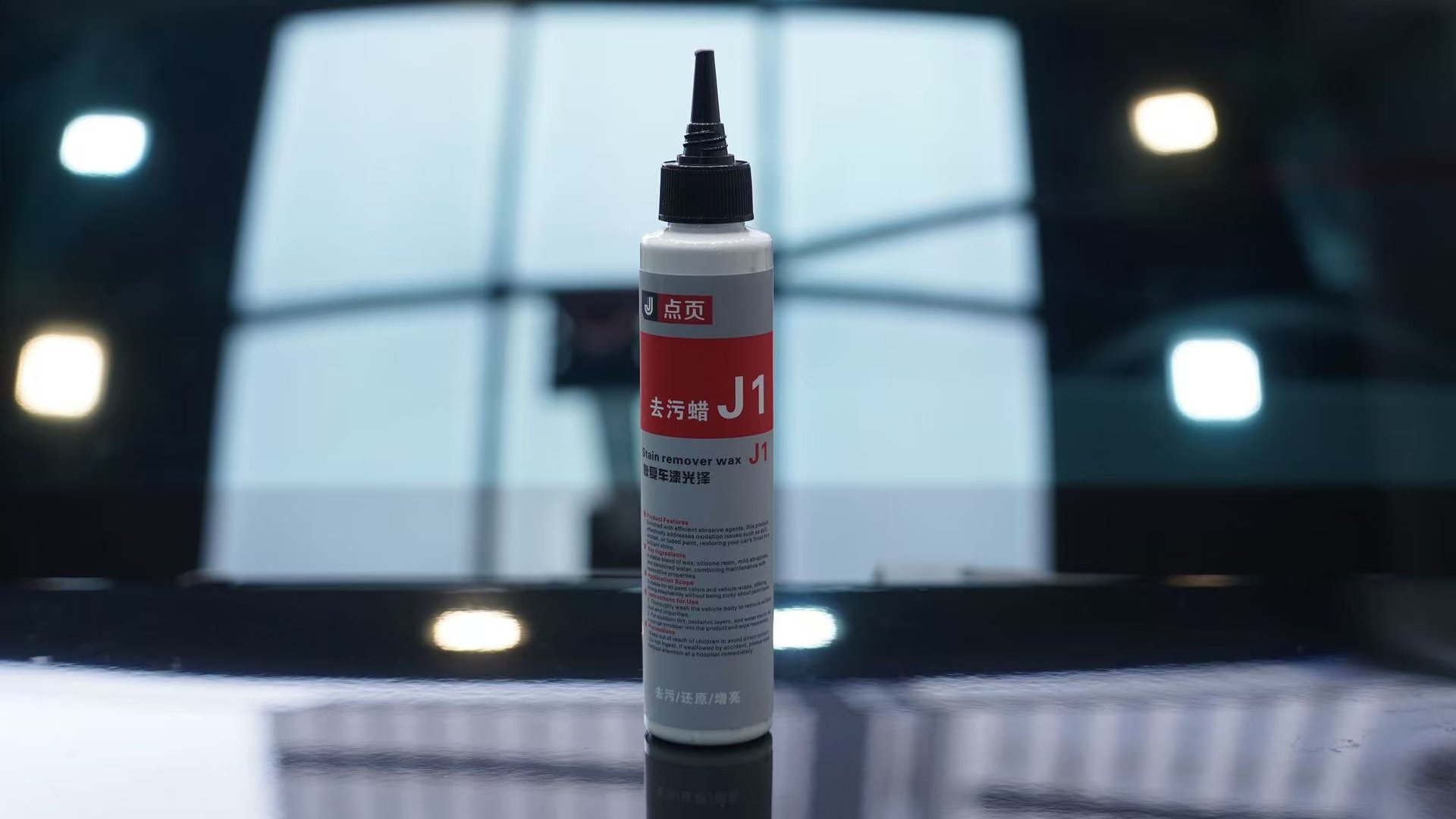
- J1 3-in-1 Cleaning Wax: Cleaning + gloss + protection in one step
4. Polishing: Features and Applications
Advantages
- Thoroughly corrects paint defects
- Restores paint to optimal condition
- Long-lasting results
- Solves problems waxing cannot
Disadvantages
- Requires professional equipment and skill
- Longer application time
- Consumes some clear coat thickness
- Not suitable for frequent use
Best For
- Paint with scratches or oxidation
- Obvious swirl marks and holograms
- Loss of gloss
- Orange peel and surface defects
- Used car restoration
Recommended Products
- J2 Water-Based Polishing Compound: Professional-grade results, eco-friendly and safe
5. Application Process Differences
Waxing Process
- Wash the car
- Dry thoroughly
- Apply wax (by hand or light machine)
- Allow to haze
- Buff to shine
Polishing Process
- Paint diagnosis
- Deep cleaning
- Masking and protection
- Progressive polishing (heavy → medium → fine)
- IPA wipe-down
- Paint protection
6. How They Work Together
Correct Sequence
Polish first, then wax
After polishing, waxing:
- Locks in the polished result
- Provides an additional protection layer
- Extends the longevity of the polish
Combined Plan
- Daily care: Regular waxing for maintenance
- Periodic maintenance: Polish every 6-12 months
- When issues arise: Assess paint condition to determine if polishing is needed
7. FAQ
Q: Does waxing damage paint? A: Proper waxing does not. Avoid waxes with abrasive components for pure protection.
Q: Will polishing burn through the paint? A: Normal polishing does not, but control the frequency and depth to avoid excessive clear coat removal.
Q: Does a new car need polishing? A: Generally no. Minor defects can be spot-treated if needed.
Q: How many times per year should I polish? A: No more than 1-2 full-car polishes per year, depending on paint condition.
Conclusion
Waxing and polishing serve distinct purposes and are not interchangeable. DianYe recommends: maintain with regular waxing; polish only when paint issues arise. This protects your paint while addressing problems promptly.
📞 Learn more: 18923492297 📧 Business inquiries: rodger@coze.email