
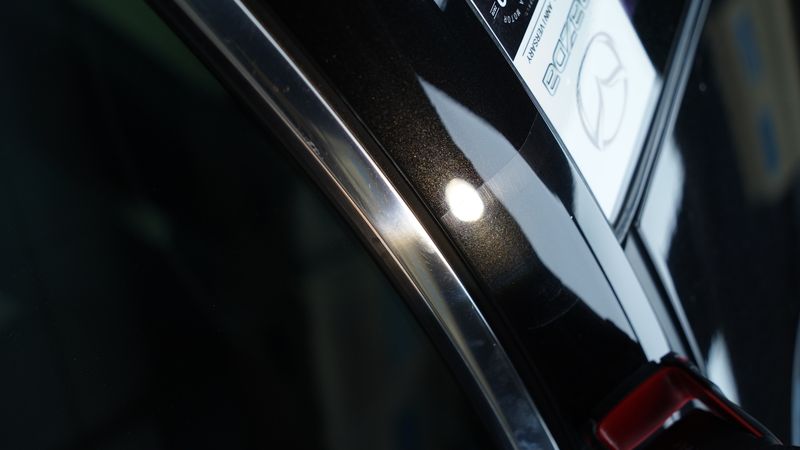
Paint oxidation is one of the most common paint surface issues. White cars turning yellow, black cars looking dull, metallic paint losing its luster — these are all signs of oxidation. This article provides a detailed explanation of the causes of paint oxidation, how to assess it, and the proper restoration process.
I. Causes of Paint Oxidation
1. UV Exposure
The ultraviolet rays in sunlight break down the pigment molecules in automotive paint, causing color fading. This is the root cause of why white cars are most prone to yellowing.
2. Acid Rain Damage
Acid rain caused by industrial pollution contains sulfides and nitrogen oxides that react chemically with car paint, accelerating aging.
3. Bird Droppings and Insect Residue
Highly acidic bird droppings and insect residue, if not cleaned promptly, will create etch marks on the paint surface.
4. Improper Washing
Using overly alkaline detergents or wiping with rough towels will damage the paint’s protective layer.
5. Natural Aging
Even without exposure to harsh environments, car paint will naturally age over time.
II. Assessing Oxidation Severity
Light Oxidation
- Paint surface appears overall dull
- No significant color difference
- Surface feels less smooth to the touch
Moderate Oxidation
- Localized areas show obvious color differences
- Hazy appearance visible under sunlight
- Noticeable decline in paint glossiness
Severe Oxidation
- Cracking patterns appear on paint surface
- Some areas expose the base coat
- Severely uneven coloration
III. Professional Restoration Process
Step 1: Deep Cleaning
Use a dedicated degreasing car wash soap to thoroughly remove oil, oxidation layer, and old wax from the paint surface.
Step 2: Clay Bar Decontamination
Use a clay bar with lubricant to physically remove stubborn bonded contaminants.
Step 3: Compounding and Polishing
Select the appropriate compound based on oxidation level:
- Light oxidation: Use fine wax with a foam polishing pad
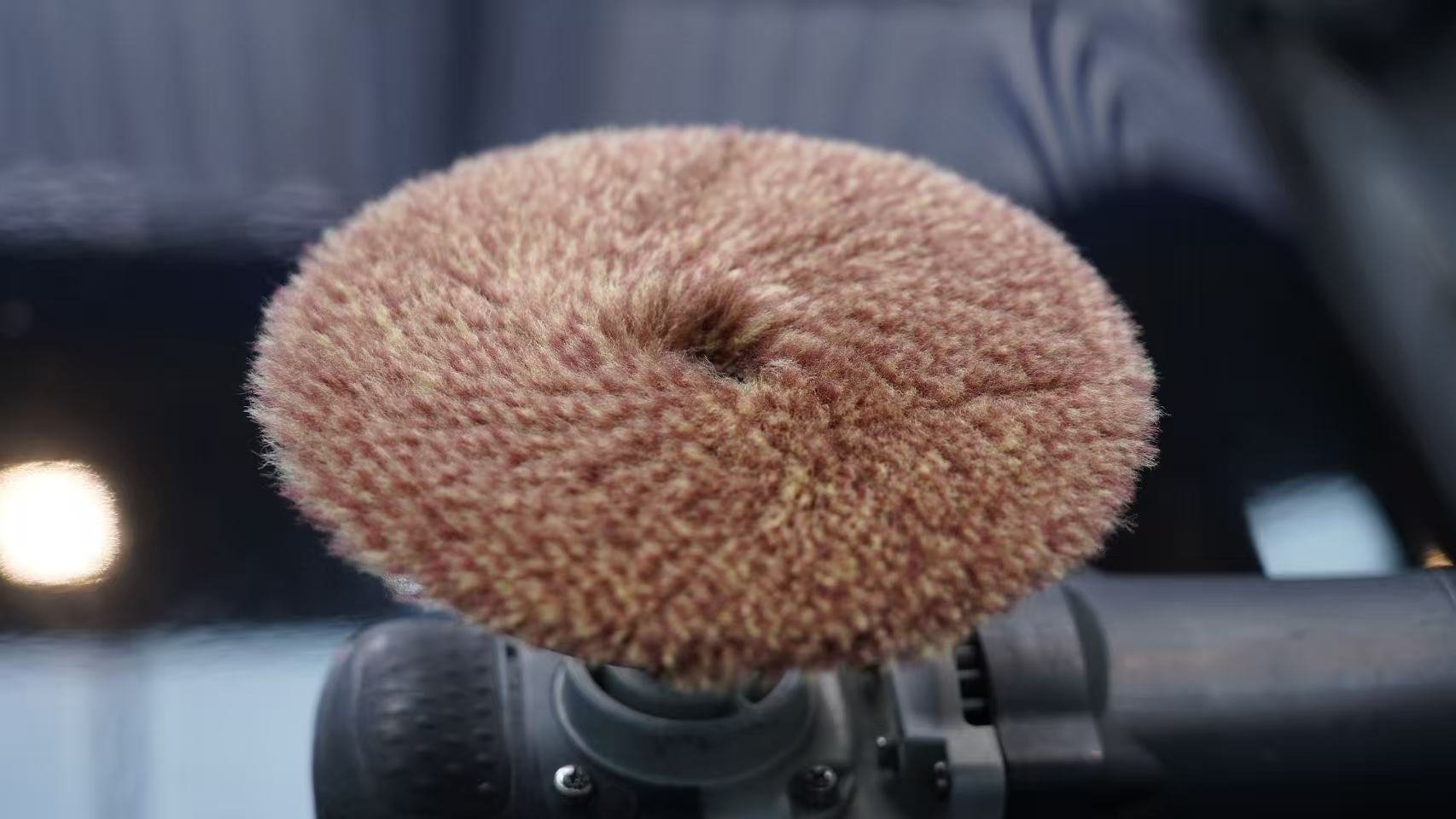
- Moderate oxidation: Use medium wax with a wool pad
- Severe oxidation: Start with a coarse compound first
Step 4: Mirror Finishing
Use a mirror finishing agent to eliminate fine scratches generated during polishing.
Step 5: Protective Care
After polishing, be sure to apply wax, sealant, or ceramic coating to protect the restored paint surface.
IV. Daily Prevention Measures
- Wash promptly: Clean as soon as possible after rain or exposure to polluted environments
- Avoid prolonged sun exposure: Park in shaded areas or indoor garages whenever possible
- Wax regularly: Apply wax monthly to maintain a protective layer
- Use a car cover: Recommended for vehicles parked long-term
- Address contaminants quickly: Remove bird droppings, tree sap, etc. as soon as possible
V. Product Recommendations
For paint oxidation issues, DianYe Auto Technology provides a complete solution:
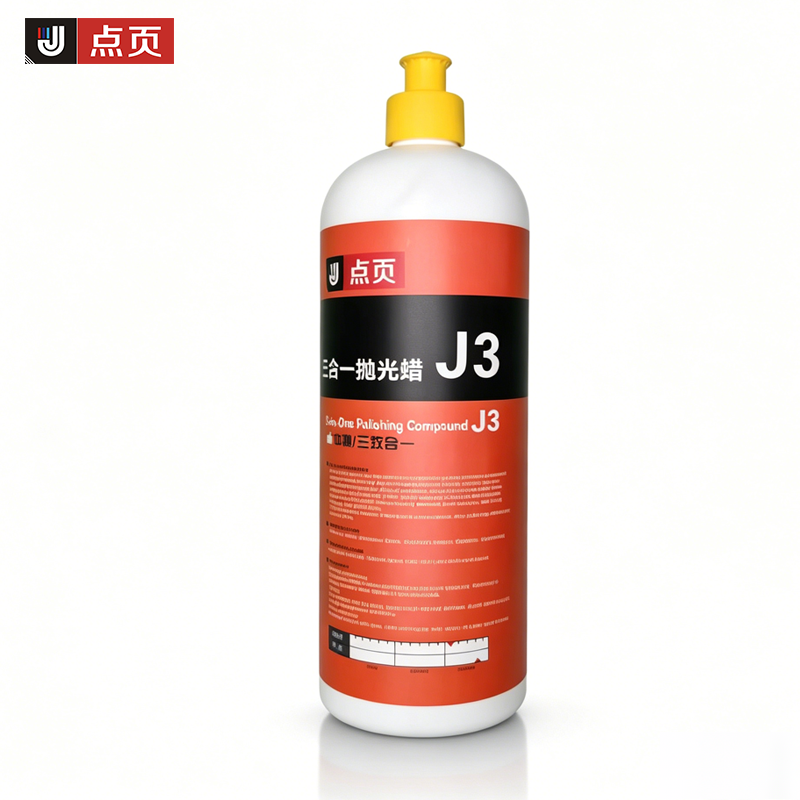
- J1 3-in-1 Cleaning Wax: Combines cleaning, polishing, and protection in one — ideal for light oxidation
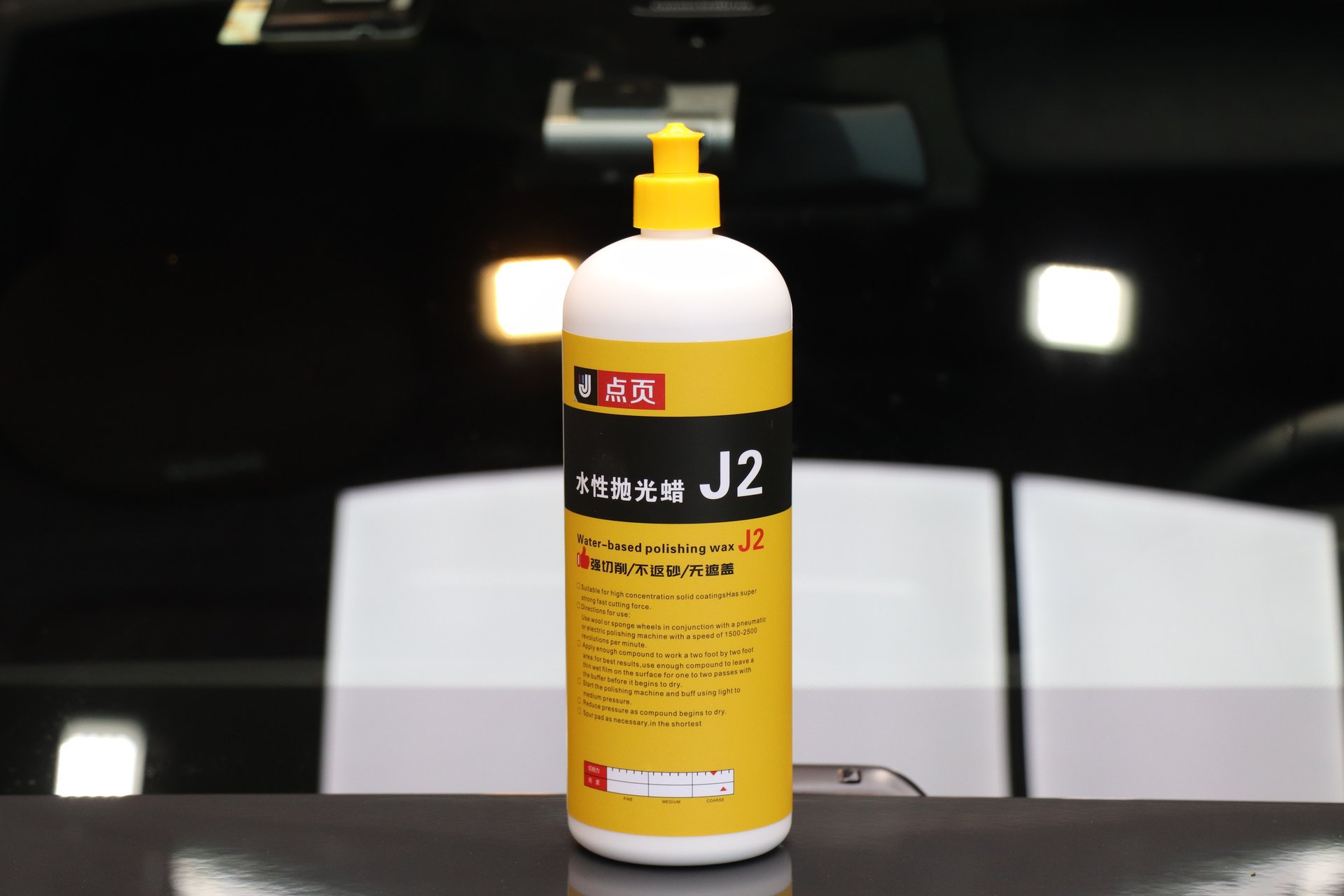
- J2 Water-Based Polishing Wax: Professional-grade polishing results, suitable for moderate oxidation restoration
- J5 Mirror Finishing Agent: Quick gloss enhancement, ideal for daily maintenance
Paint oxidation treatment requires professional tools and product support. For assistance, contact: 18923492297