
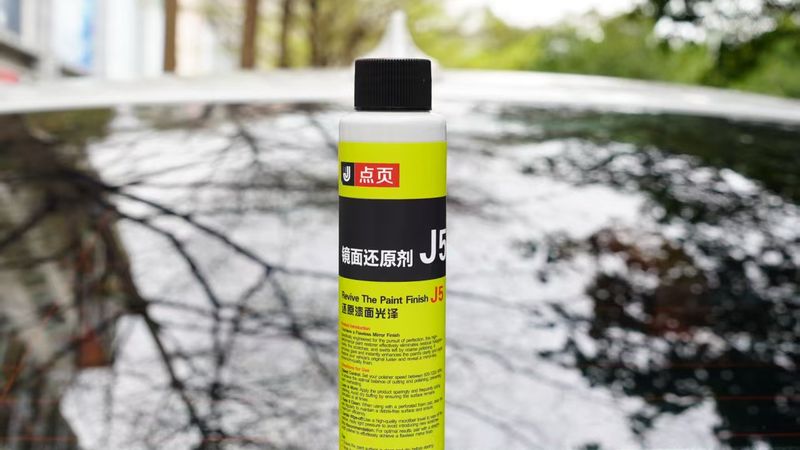
Orange peel is a common surface defect in automotive paint, characterized by a bumpy texture resembling the surface of an orange. This issue not only affects the appearance of the vehicle but can also reduce the protective performance of the paint in severe cases. DianYe Auto Technology guides you through understanding orange peel and how to address it.
I. Causes of Orange Peel
Paint Application Factors
- Improper Spray Pressure: Too high or too low gun pressure causes uneven atomization
- Spray Distance Too Close: Paint fails to fully atomize before adhering to the surface
- Humidity During Application: High humidity affects paint drying and leveling
- Paint Thinner Ratio: The amount of thinner affects paint viscosity
Paint Base Factors
- Uneven surface treatment of body panels
- Defects in primer and mid-coat layers
- Old paint not fully sanded smooth
Environmental Factors
- Prolonged sun exposure causing paint aging
- Corrosive substances such as acid rain and bird droppings
- Surface damage from improper washing methods
II. Assessing Orange Peel Severity
Light Orange Peel
- Only visible under specific angles and lighting
- Smooth to the touch with no obvious bumps
- Generally fixable with fine polishing
Moderate Orange Peel
- Visible under normal lighting conditions
- Slight granularity felt to the touch
- Requires multi-step polishing
Severe Orange Peel
- Clearly visible unevenness to the naked eye
- Obvious wave-like texture when touched
- May require repainting for complete resolution
III. Orange Peel Treatment Methods
Method 1: Fine Compounding and Polishing
Suitable for: Light to moderate orange peel
Required Products:
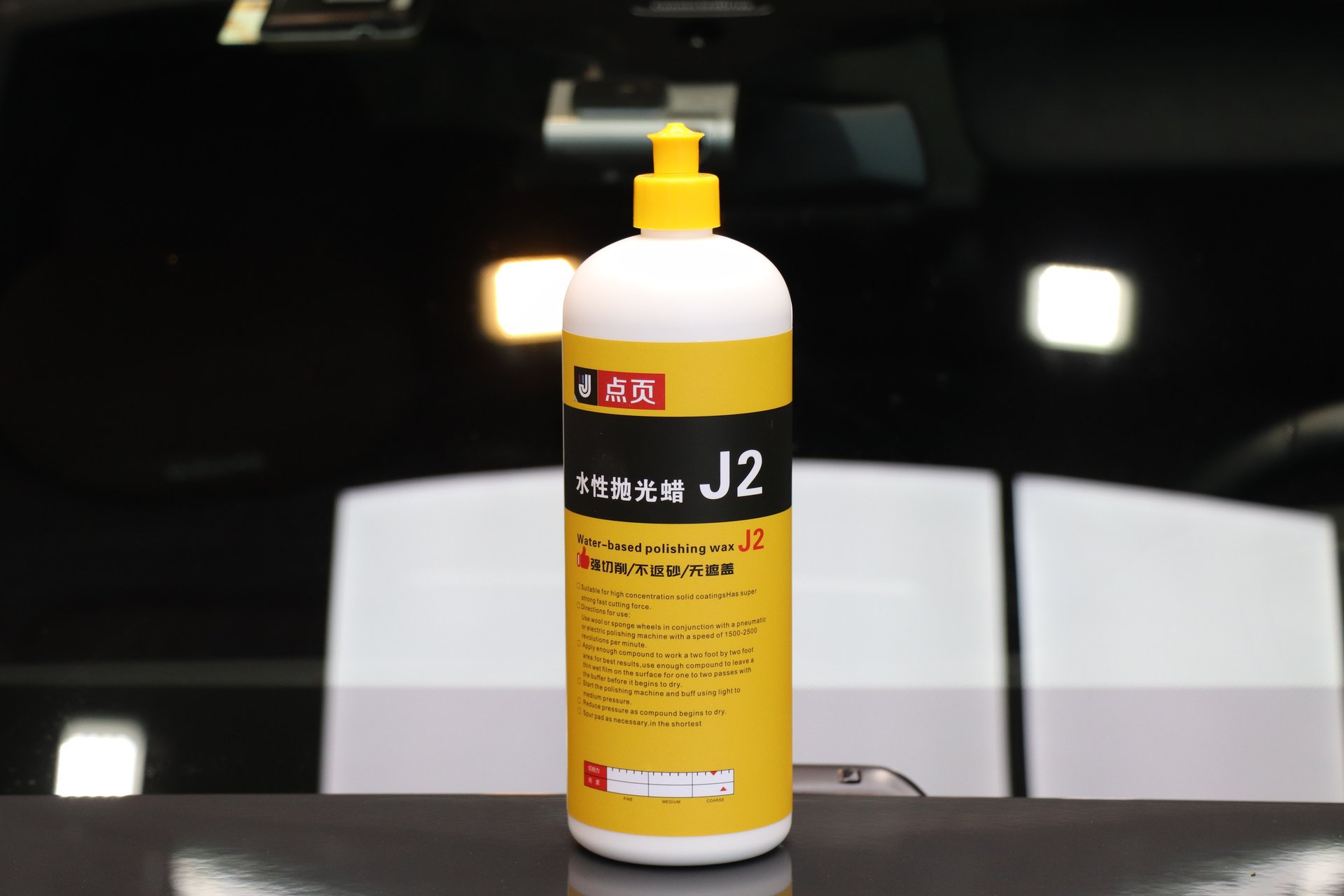
- J2 Water-Based Polishing Wax (medium cutting)
- Medium-cut polishing pad
- Finishing wax
Procedure:
- Clean and dry the paint surface
- Apply medium-cut polishing wax with a polishing pad
- Control speed at 1500-1800 RPM
- Work in sections progressively
- Follow with fine wax for finishing
- Inspect the final result
Method 2: Progressive Multi-Step Polishing
Suitable for: Moderate to severe orange peel
Procedure:
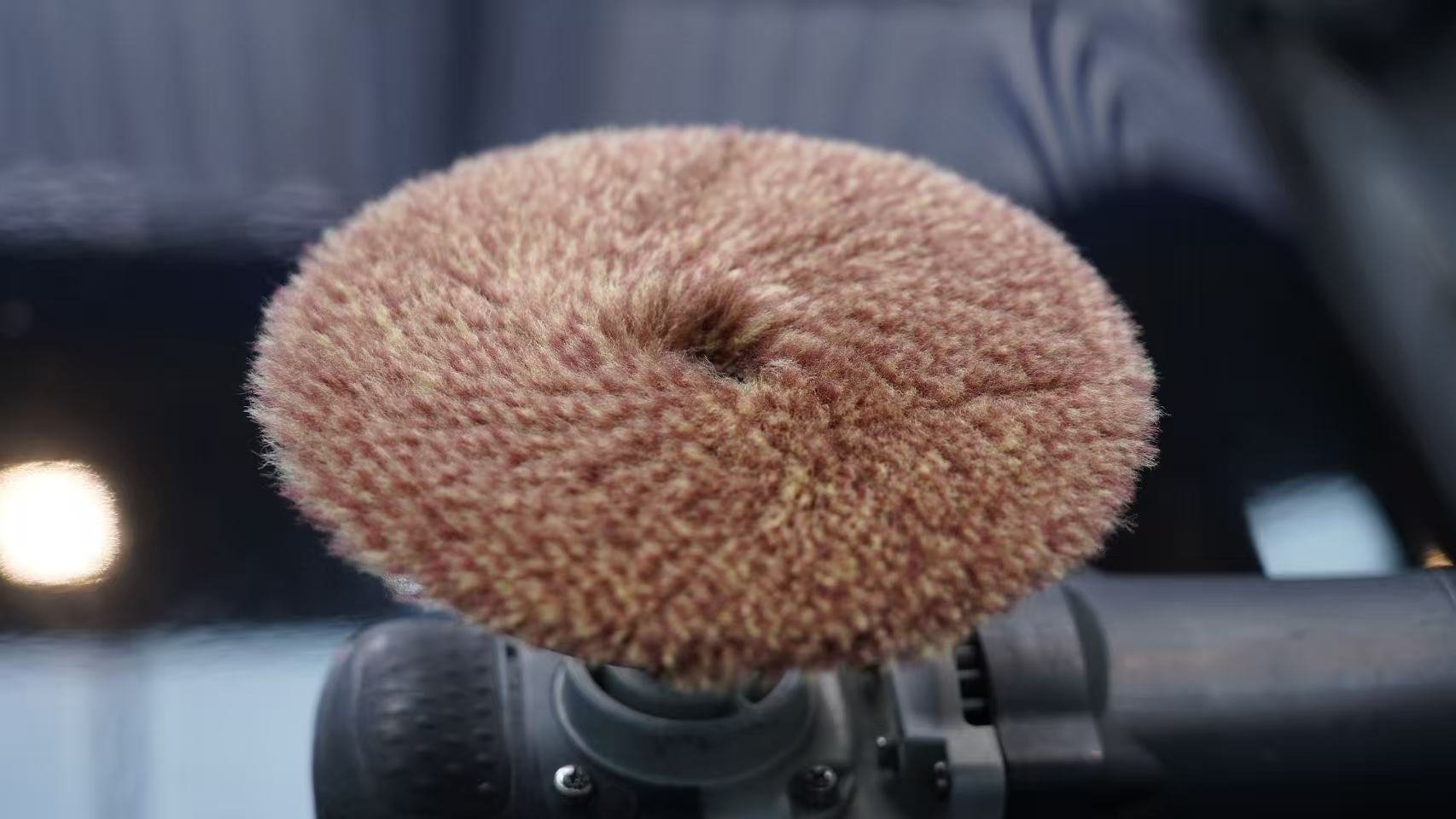
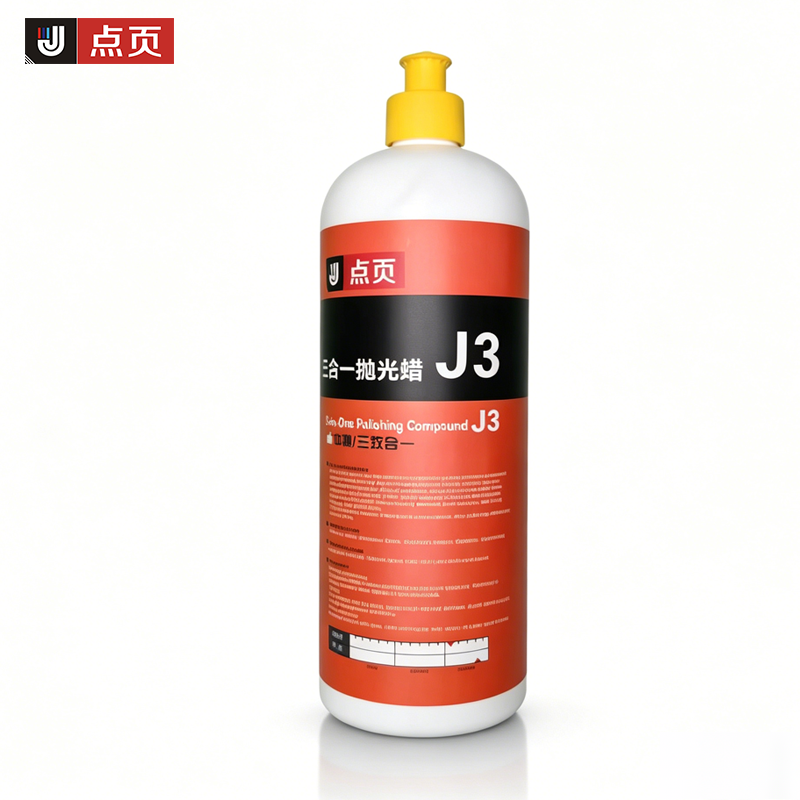
- Coarse compounding: Use coarse compound with a wool pad to remove surface irregularities
- Medium polishing: Use medium compound to eliminate coarse compound marks
- Fine finishing: Use fine wax to restore gloss
- Mirror finishing: Use mirror glaze to achieve a perfect finish
Method 3: Chemical Softening Method
For orange peel caused by paint aging, a dedicated paint softener can be used to restore some flexibility to the aged paint, facilitating subsequent polishing.
IV. Preventing Orange Peel
Application Prevention
- Choose professional application environments and equipment
- Strictly control paint ratios and spray parameters
- Avoid application in extreme weather conditions
Daily Care
- Regular professional car washing
- Promptly remove corrosive contaminants
- Avoid prolonged parking under trees or in industrial areas
V. Important Notes
- Safety First: Severe orange peel may have penetrated the base coat — aggressive polishing could cause further damage
- Check Paint Thickness: Frequent polishing consumes the clear coat — proceed with caution if the clear coat is thin
- Choose Quality Products: Use reliable polishing wax products
- Seek Professional Help: For severe orange peel, consult a professional technician or consider repainting
Conclusion
Orange peel treatment requires selecting the appropriate method based on specific conditions. DianYe Auto Technology recommends that light orange peel can be improved through fine polishing, but severe cases may require more professional restoration. Regular paint maintenance can effectively prevent orange peel from forming.
For more paint care knowledge, contact: 18923492297