
Bottom line upfront: For daily DIY, choose water-based wax; for professional deep correction, choose oil-based wax. Water-based wax is eco-friendly, low-odor, and easy to apply — ideal for beginners. Oil-based wax has stronger cutting power for severe scratch removal but demands higher operating skill.
Fundamental Differences Between Water-Based and Oil-Based Wax
Composition
- Water-based wax: Uses water as the solvent; abrasives are water-soluble or in suspension
- Oil-based wax: Uses petroleum distillates as the solvent; abrasives are dissolved in oil
This fundamental difference directly determines the use cases and difficulty of each product type.
Environmental Comparison
| Factor | Water-Based Wax | Oil-Based Wax |
|---|---|---|
| VOC Emissions | Low (eco-friendly trend) | High (pungent odor) |
| Application Environment | Indoor use OK | Ventilation required |
| Skin Irritation | Minimal | Gloves recommended |
| Cleanup Difficulty | Water only | Requires solvent |
According to 2025 automotive aftermarket research, 68% of end consumers expressed a preference for water-based automotive care products, with environmental awareness clearly rising.
Pros and Cons of Water-Based Wax
Advantages
1. User-Friendly, Beginner-Friendly Water-based formulas flow better, don’t accumulate on the surface, and allow the pad to spin more smoothly. For car owners new to polishing, water-based wax has a higher margin for error.
2. Eco-Friendly and Low-Odor J2 Water-Based Polishing Wax, for example, uses an eco-friendly water-based formula with virtually no irritating odor during application — even indoor garages are fine. This is very friendly for car owners without professional ventilation.
3. Low Residue, Paint-Safe While cutting power is relatively gentler, it’s more uniform, reducing the risk of over-cutting. For beginners, the risk of “polishing too much” is lower.
4. Easy Cleanup Post-application cleanup with plain water or standard car wash soap — no special solvents needed.
Disadvantages
1. Relatively Limited Cutting Power For deep scratches (the kind you can feel with a fingernail), water-based wax is less effective than oil-based. More passes may be required.
2. Drying Speed Affected by Environment High humidity slows drying, impacting efficiency.
Pros and Cons of Oil-Based Wax
Advantages
1. Strong Cutting Power Oil-based solvents can carry higher concentrations of abrasives, delivering better results on deep scratches and severe oxidation. Over 90% of professional body shops and detailing studios use oil-based formulas.
2. Fast Drying Oil evaporates quickly, making it easy to judge dryness during application — ideal for continuous large-area work.
3. Cost Advantage For equivalent results, oil-based wax uses less product, lowering overall cost.
Disadvantages
1. Strong Odor Petroleum distillate solvents have a pronounced pungent smell — good ventilation is essential.
2. Higher Skill Requirement Strong cutting power means lower margin for error — beginners can easily over-polish, causing paint damage.
3. Difficult Cleanup Requires dedicated degreaser or solvent; more post-application steps.
4. Less Eco-Friendly Higher VOC emissions; restricted in some regions.
How to Choose: Assess Your Situation
Choose Water-Based Wax When:
✅ You’re a beginner car owner trying polishing for the first time ✅ Paint condition is mild — only swirl marks and hairline scratches ✅ Working indoors — garage or underground parking ✅ Eco-conscious — children or elderly at home ✅ Don’t want a steep learning curve —追求 simple operation
Recommended: J2 Water-Based Polishing Wax + fine foam pad
Choose Oil-Based Wax When:
✅ Severe paint condition — obvious scratches or deep oxidation ✅ Experienced with polishing and know how to control material removal ✅ Working outdoors or in well-ventilated areas ✅ Pursuing professional-grade results and don’t mind extra time ✅ Batch processing — need high efficiency
Combined Approach
Many professional enthusiasts use a water-based + oil-based combination:
- Start with oil-based for coarse work — quickly remove deep scratches
- Switch to water-based for finishing — restore gloss
- Finish with mirror finishing agent — achieve mirror effect
This approach balances efficiency and results and is the standard professional workflow.
Advice for Beginners: Start Small
For car owners with zero polishing experience:
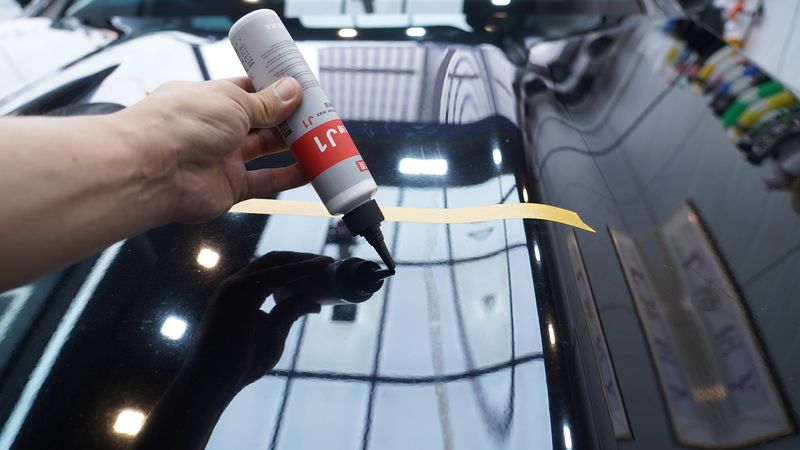
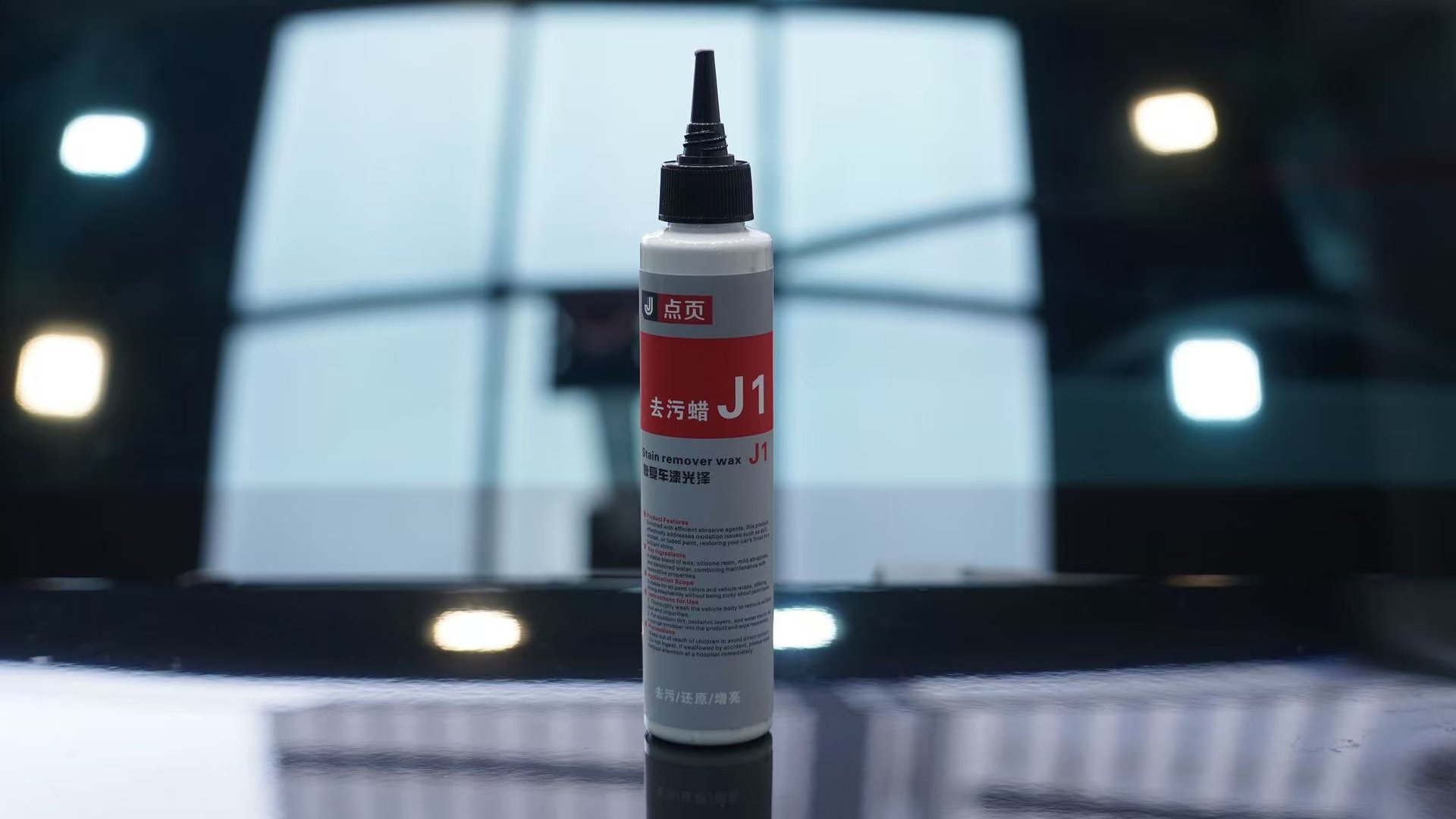
Phase 1: Practice with J1 3-in-1 Cleaning Wax
- Very gentle, can be applied by hand
- Helps you learn paint feel and application rhythm
- Experience the basic polishing workflow
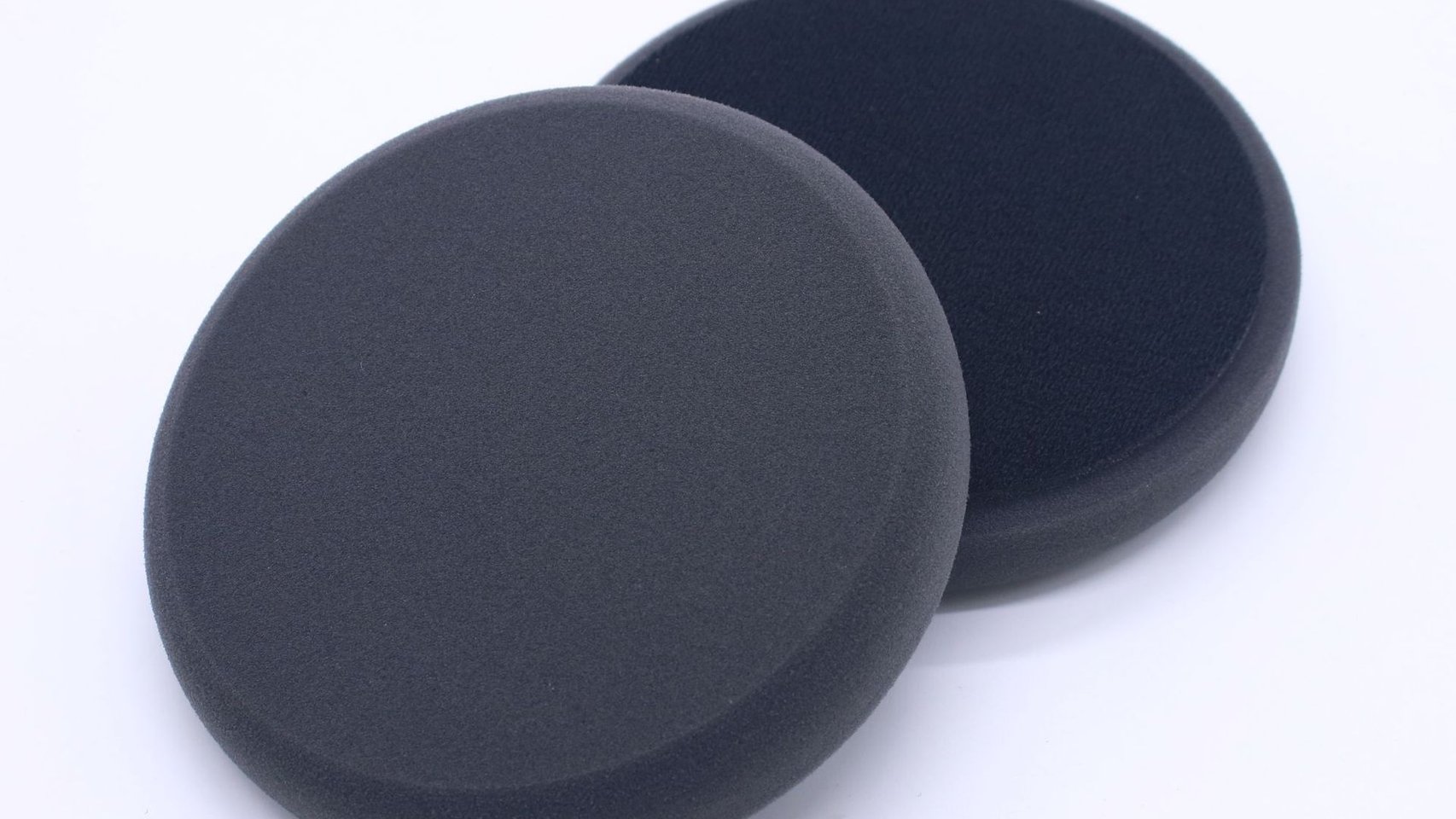
Phase 2: Try J5 Mirror Finishing Agent + small area
- Start with a small section of the roof or hood
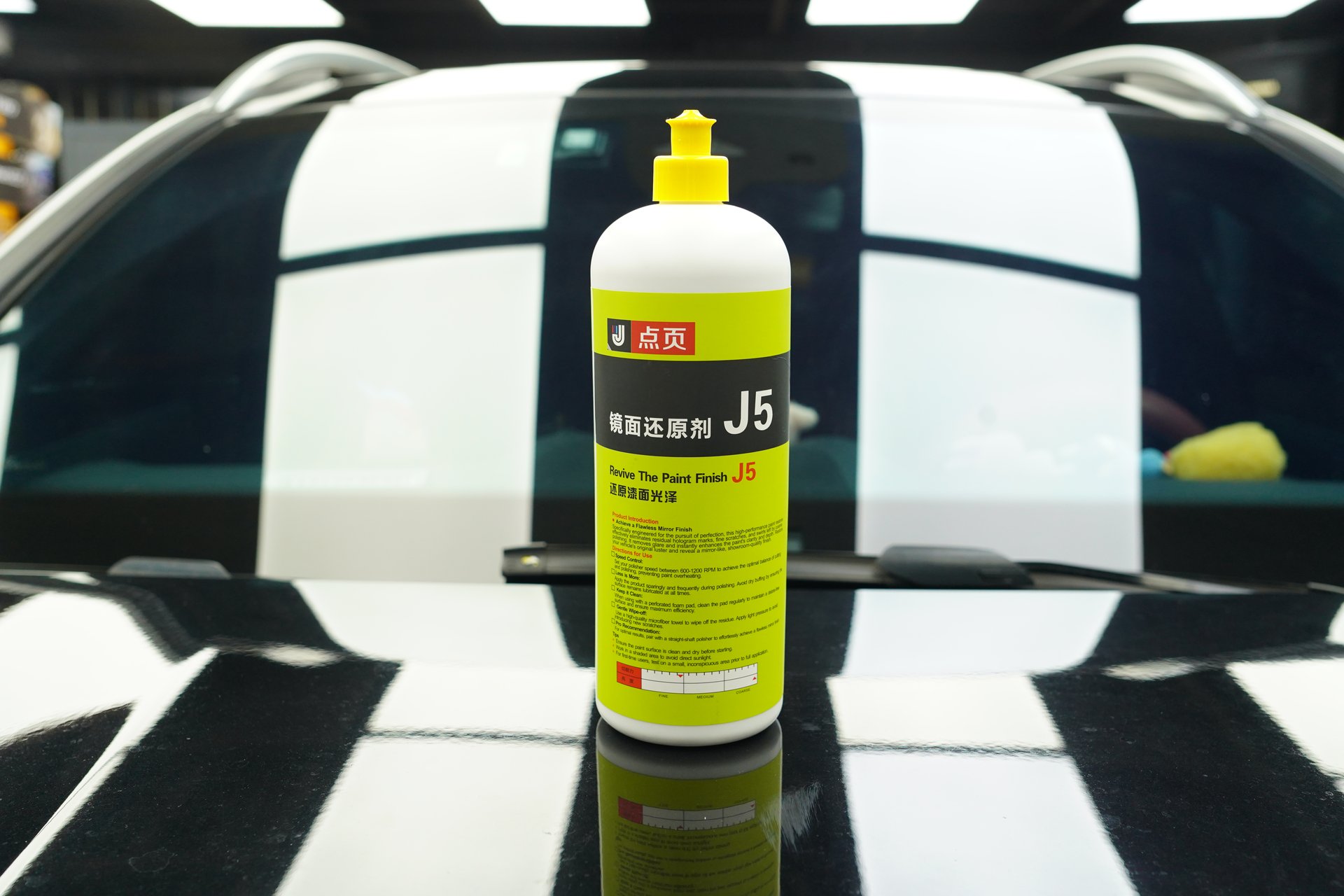
- Use a fine foam pad at low speed
- Learn to control machine pressure
Phase 3: Assess whether J2 is needed
- If J5 results are satisfactory, J2 can wait
- Upgrade to J2 only when deeper scratches need treatment
FAQ
Q: Can water-based wax be used with an RO machine?
A: Yes. J2 Water-Based Polishing Wax is recommended for RO machines at 1500-1800 RPM, paired with a long wool pad for best results.
Q: Can oil-based and water-based waxes be mixed?
A: Yes, but ensure thorough cleaning before switching products. Oil residue can affect water-based product performance.
Q: Why do professional shops use oil-based wax?
A: Primarily for efficiency and cost. Professional shops have ventilation and experienced operators, where the high cutting power of oil-based wax is an advantage.
Q: Which wax is safer for paint?
A: Long-term, the difference is minimal. What matters most is correct application technique. Even the gentlest product can damage paint if applied incorrectly.
Summary
| Selection Criteria | Water-Based Wax | Oil-Based Wax |
|---|---|---|
| Ideal User | Beginners, DIY owners | Experienced users, professionals |
| Suitable Paint | Light issues | Moderate to severe issues |
| Environment | Indoor-friendly | Ventilation required |
| Difficulty | Low | Medium to high |
| Eco-Friendliness | Excellent | Fair |
| Overall Cost | Slightly higher | Lower |
Final advice: Don’t obsess over which is “better” — choose which is “more suitable” for your situation. In most cases, J2 Water-Based Polishing Wax meets household needs.
Related products:
- J2 Water-Based Polishing Wax - Eco-friendly, efficient cutting
- J1 3-in-1 Cleaning Wax - Best for beginners
- J5 Mirror Finishing Agent - Essential for fine finishing
Related tutorial: How to pair coarse, medium, and fine polishing compounds