
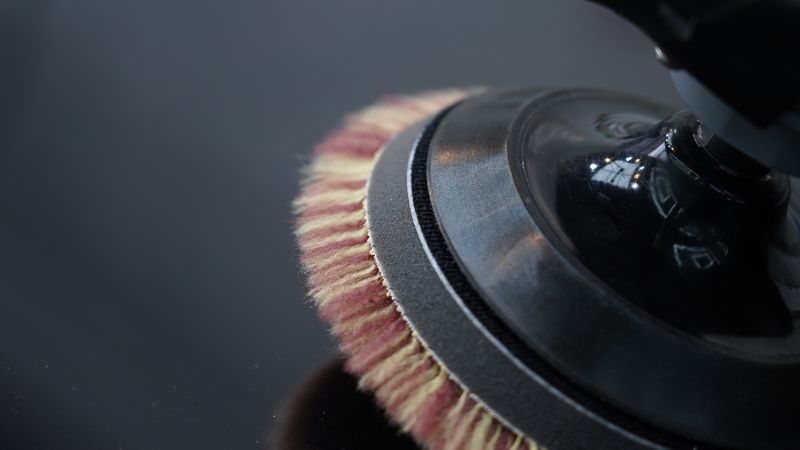
Car polishing results are 50% product, 30% technique, and 20% pad selection. Many beginners get poor results not because the product is bad, but because they chose the wrong pad.
In this article, I’ll break down the differences between foam and wool pads from a professional perspective and explain how to choose the right pad for different scenarios.
I. Material & Structural Differences
1.1 Wool Pad Structure
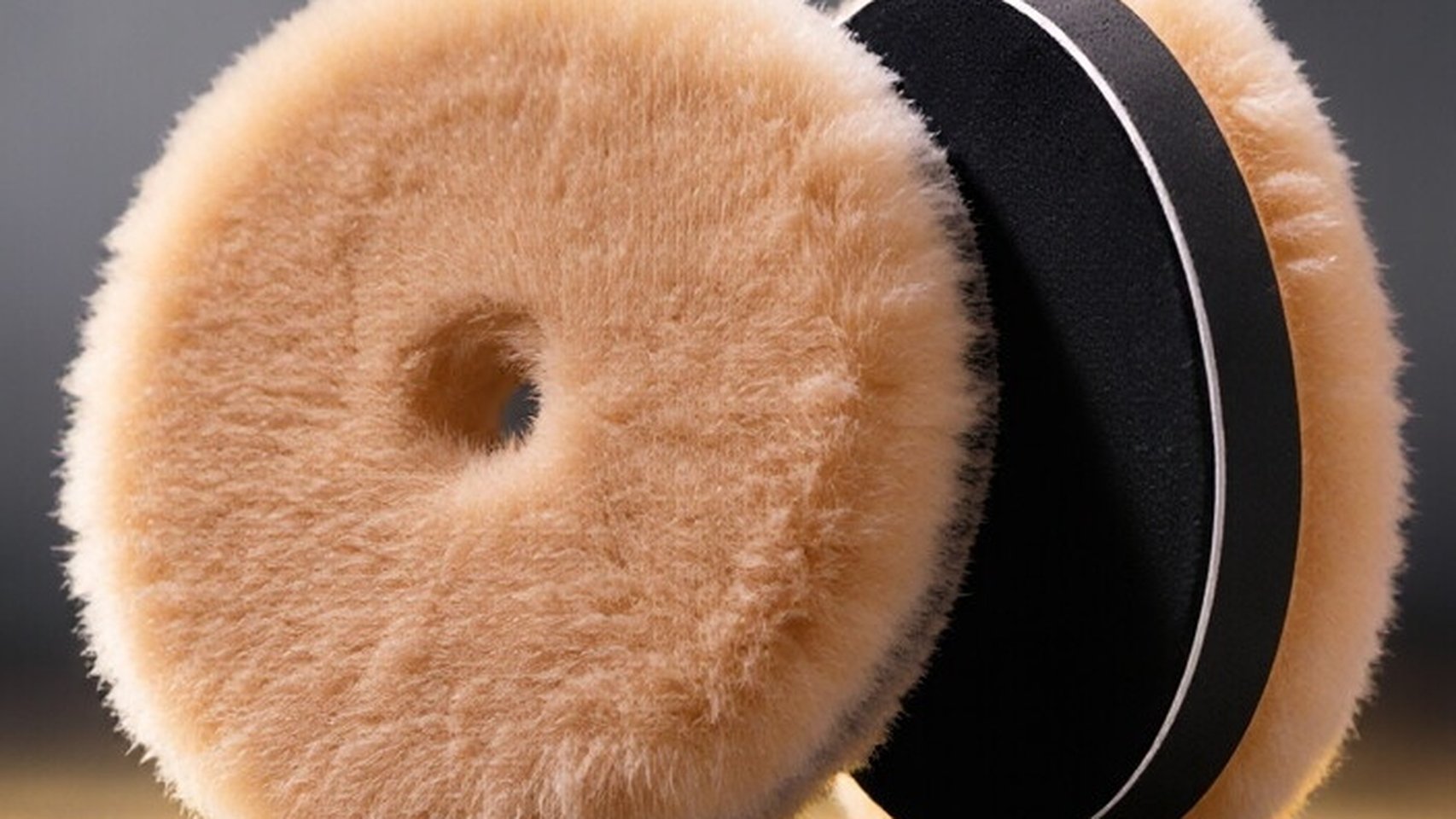
Wool pads are made from natural or synthetic wool fibers with these characteristics:
- Long fibers: Typically 5-15mm, providing strong cutting power
- High density: Many fibers per unit area
- Good elasticity: Conforms to paint contours
- Good heat dissipation: Large gaps between fibers allow heat to escape
Common types:
- Long wool pad: Strongest cutting, for severe defect correction
- Short wool pad: Medium cutting, for moderate defects
- Wavy wool pad: Better heat dissipation, reduces holograms
1.2 Foam Pad Structure
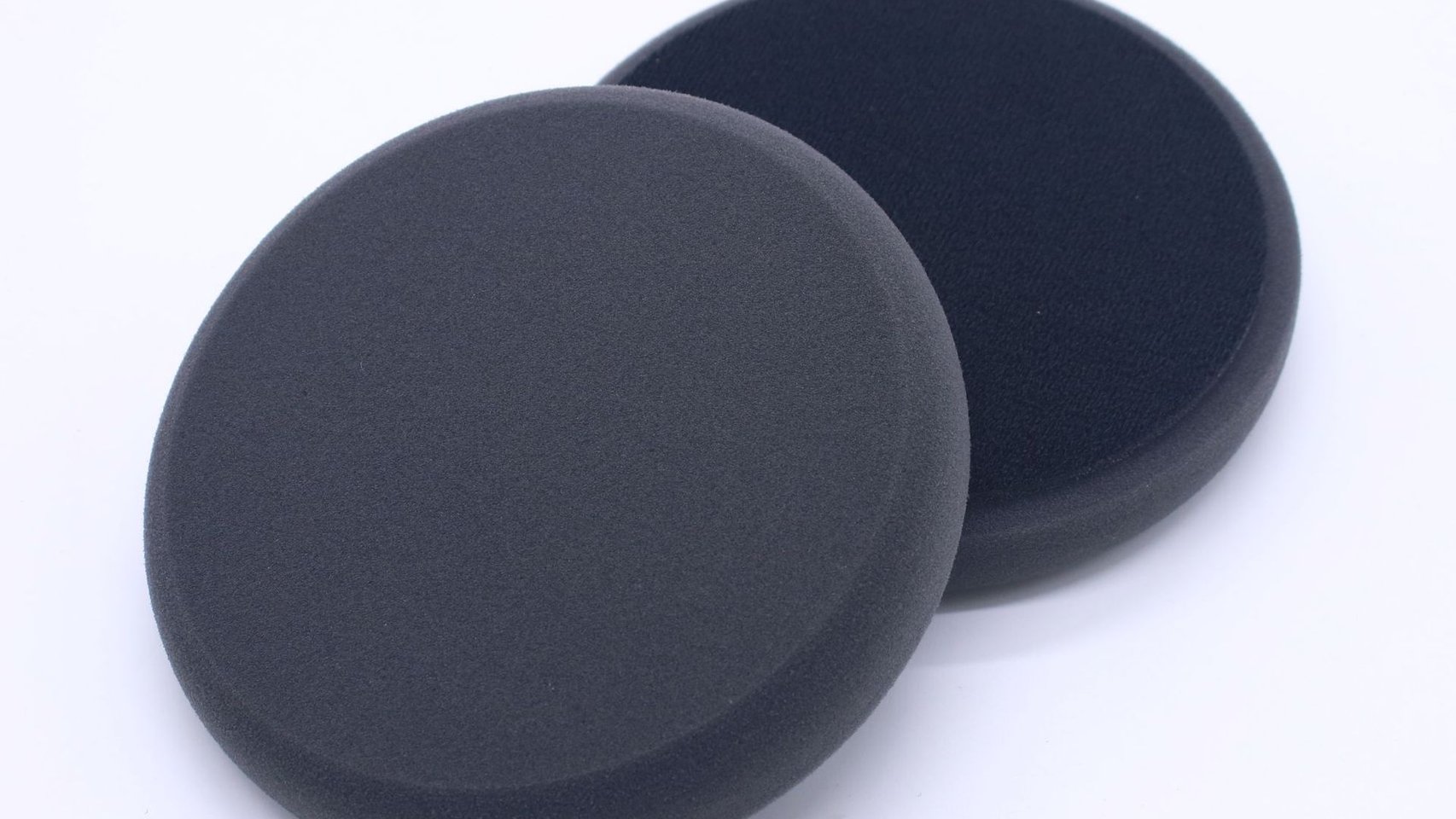
Foam pads are made from polyurethane foam with these characteristics:
- Pore structure: Holds compound, reduces splatter
- Controllable density: From ultra-soft to ultra-firm
- Flat surface: Provides even pressure distribution
- Excellent finishing: Outstanding final mirror results
Common types:
- Heavy-cut foam pad: High hardness, strong cutting
- Medium-cut foam pad: Medium hardness, versatile
- Fine foam pad: Soft, excellent finishing
- Ultra-soft foam pad: Extremely soft, dedicated mirror finishing
II. Performance Comparison
| Performance Metric | Wool Pad | Foam Pad |
|---|---|---|
| Cutting Power | Strong | Medium-Weak |
| Finishing Quality | Average | Excellent |
| Heat Dissipation | Good | Average |
| Ease of Use | Hard to control | Easy to control |
| Lifespan | Long | Medium |
| Dust Generation | High | Low |
| Hologm Tendency | Prone | Resistant |
III. Application Scenarios
3.1 When to Use Wool Pads
Situations requiring wool pads:
-
Severe defect correction
- Heavy swirl marks (>50% coverage)
- Deep scratches (not down to primer)
- Severe oxidation (>60% gloss loss)
- Severe orange peel
-
Old vehicle restoration
Key Operating Points:
- Rotary polisher at 1500-1800 RPM
- Pair with J2 Water-Based Polishing Wax
- Cross-hatch technique
- Monitor paint surface temperature continuously
3.2 When to Use Foam Pads
Situations requiring foam pads:
-
Fine finishing stage
- Removing holograms left by wool pads
- Final mirror finish
- Light polishing on new cars
-
Soft paint vehicles (Japanese brands)
Key Operating Points:
- 600-800 RPM
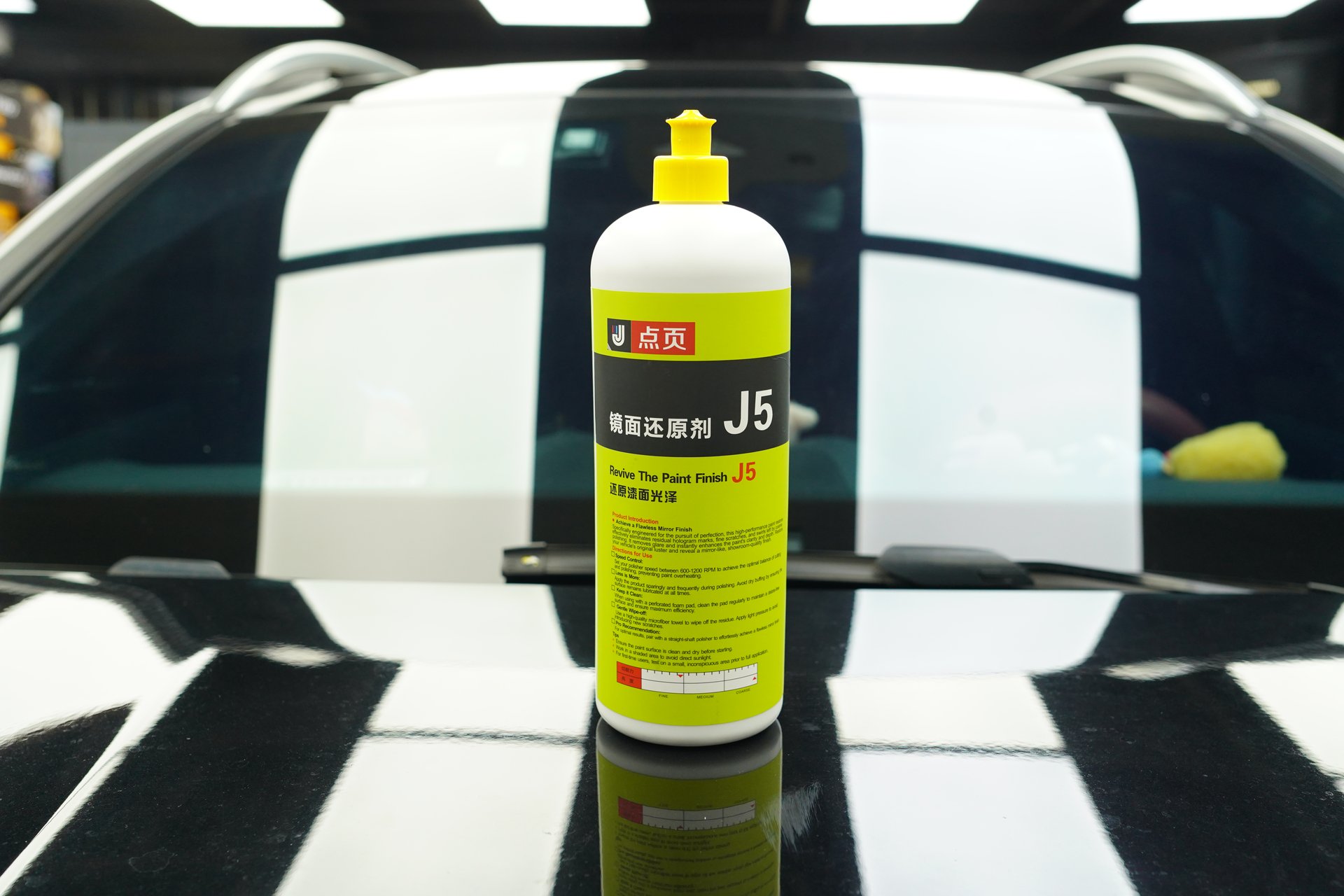
- Pair with J5 Mirror Glaze Restorer
- Steady movement, never dwell
- Dark-colored vehicles
IV. Combination Solutions
4.1 Standard Three-Step Process
Step 1: Heavy Cut (Wool Pad + J2 Water-Based Polishing Wax)
- Purpose: Remove severe defects
- Tools: Long wool pad + rotary at 1500-1800 RPM
Step 2: Medium Polish (Medium-Firm Foam Pad + J2 Water-Based Polishing Wax)
- Purpose: Remove wool pad holograms, enhance gloss
- Tools: Medium-firm foam pad + rotary at 1200-1500 RPM
Step 3: Fine Finish (Soft Foam Pad + J5 Mirror Glaze Restorer)
- Purpose: Final mirror restoration
- Tools: Fine foam pad + 600-800 RPM
4.2 Simplified Two-Step Process
Step 1: Correction (Medium-Firm Foam Pad + J2 Water-Based Polishing Wax)
- For: Vehicles with moderate defects
Step 2: Finishing (Soft Foam Pad + J5 Mirror Glaze Restorer)
- For: All vehicles
V. Common Misconceptions
❌ Myth 1: Wool pads are better than foam pads
Wool pads have stronger cutting but worse finishing. Each has its purpose.
❌ Myth 2: Foam pads never cause holograms
Improper technique can still cause them — just less likely.
❌ Myth 3: One pad for the entire car
Different areas need different pads. Use wool pads for severe defects, foam pads for the rest.
VI. Purchasing Recommendations
For beginners: Start with medium-firm foam pads — higher margin for error
For enthusiasts: Wool pad + medium foam + soft foam combination
Budget-conscious: Medium-firm foam + soft foam is sufficient
Brand selection: Choose reputable brands; avoid the cheapest options
Remember: Polishing pads are consumables. Replace them regularly — don’t wait until they’re completely worn out.