DianYe Classroom

Professional paint care knowledge, industry insights, and real-world case studies

How to Keep Chrome Trim Shiny After Polishing? Maintenance Cycles and Product Recommendations — Using the Right Automotive Polishing Wax Saves Thousands in Re-Plating Costs
Jul 31, 2026 Polishing Knowledge

How to Keep Chrome Trim Shiny After Polishing? Maintenance Cycles and Product Recommendations — Using the Right Automotive Polishing Wax Saves Thousands in Re-Plating Costs

Skip the protection step after polishing chrome trim, and it''ll oxidize again within three months. From contact angle testing to evaluate protective layer status, to choosing between wax, sealant, and ceramic coating — we break down maintenance cycles and daily care habits. Use the right automotive polishing wax, and spending $30 on maintenance saves you thousands in re-plating.

Read More →
Chrome Trim Oxidized and Dull? Full Hand-Polishing Guide with Automotive Polishing Wax — 4 Steps from Assessment to Protection
Jul 30, 2026 Polishing Knowledge

Chrome Trim Oxidized and Dull? Full Hand-Polishing Guide with Automotive Polishing Wax — 4 Steps from Assessment to Protection

Chrome trim turning dull from oxidation doesn''t mean you need to re-plate it — most cases can be fixed by hand polishing alone. From cleaning and assessment to polishing and protection, the whole job costs less than $30 in supplies. The key is identifying which stage the oxidation has reached and the critical protection step within 24 hours after polishing.

Read More →
Chrome Trim Scratches — Can They Be Polished? With a 0.5-5μm Chromium Layer, Check This Line Before You Touch Automotive Polishing Wax
Jul 29, 2026 Polishing Knowledge

Chrome Trim Scratches — Can They Be Polished? With a 0.5-5μm Chromium Layer, Check This Line Before You Touch Automotive Polishing Wax

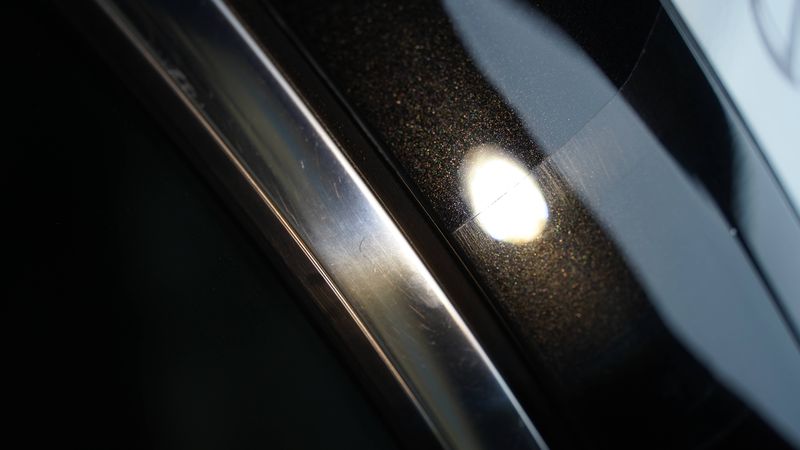
Can chrome trim scratches be removed with automotive polishing wax? The answer isn''t yes or no — it depends on which layer the scratch has reached. The chromium layer is only 0.5-5μm thick, one-seventieth the width of a human hair. Polish the wrong way and you''ll burn straight through it. Understand scratch classification before you start, and you could save hundreds on replating.

Read More →
Why Are Chrome Trim Pieces Turning White and Blistering? The Copper-Nickel-Chromium Triple Layer Has Been Destroyed — Don''t Rush for Automotive Polishing Wax
Jul 28, 2026 Polishing Knowledge

Why Are Chrome Trim Pieces Turning White and Blistering? The Copper-Nickel-Chromium Triple Layer Has Been Destroyed — Don''t Rush for Automotive Polishing Wax

Chrome trim turning white and blistering isn''t a surface issue — it means the triple-layer structure underneath has been corroded. Understanding the corrosion mechanism of the copper-nickel-chromium electroplating system is the only way to determine whether automotive polishing wax can restore it, or when re-plating is the only option.

Read More →
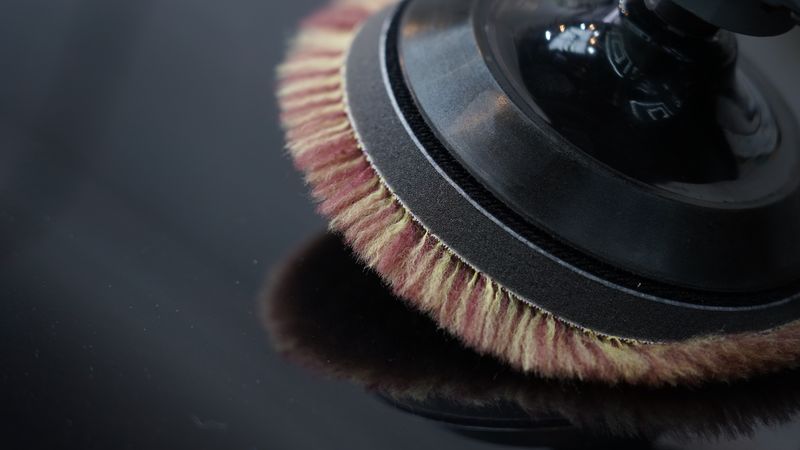
Short vs. Long Wool Pad — Which to Choose for Automotive Polishing Wax? Fiber Density Determines Cutting Power
Jul 18, 2026 Polishing Knowledge

Short vs. Long Wool Pad — Which to Choose for Automotive Polishing Wax? Fiber Density Determines Cutting Power

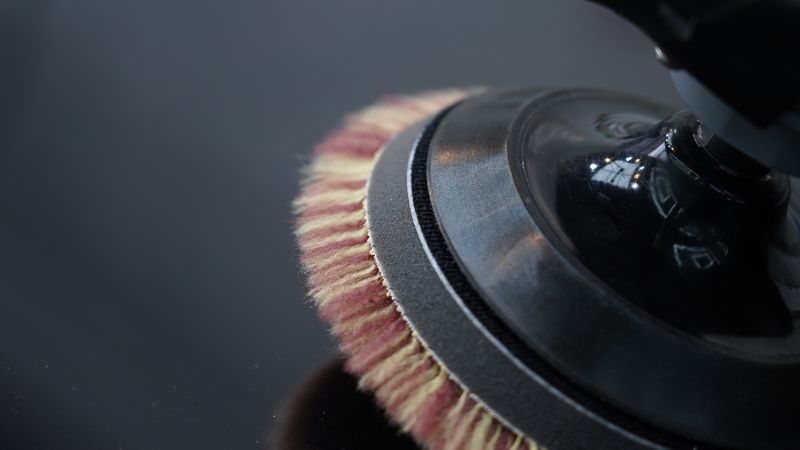
The difference between short and long wool pads isn''t about fiber length — it''s about fiber density. High-density short-fiber pads deliver aggressive cutting but poor heat dissipation; low-density long-fiber pads are gentler but less efficient. DianYe breaks down everything from microscopic structure to real-world operating temperatures, helping you match the right pad to the paint condition.

Read More →
Metal Paint vs. Plastic Parts Scratch Repair — Choosing the Wrong Polishing Wax Makes It Worse
Jul 17, 2026 Polishing Knowledge

Metal Paint vs. Plastic Parts Scratch Repair — Choosing the Wrong Polishing Wax Makes It Worse

Metal paint hides aluminum powder particles in the color coat — polishing fixes the clear coat but must not disturb the aluminum alignment. Plastic parts have poor thermal conductivity and soft paint films, so even a slight excess in speed or pressure causes burn-through. The polishing logic for these two substrates is fundamentally different. DianYe breaks down how to identify the material and apply the right approach for each.

Read More →
Car Paint Edges Are Most Likely to Burn Through — High-Risk Areas to Watch Out For
Jul 16, 2026 Polishing Knowledge

Car Paint Edges Are Most Likely to Burn Through — High-Risk Areas to Watch Out For

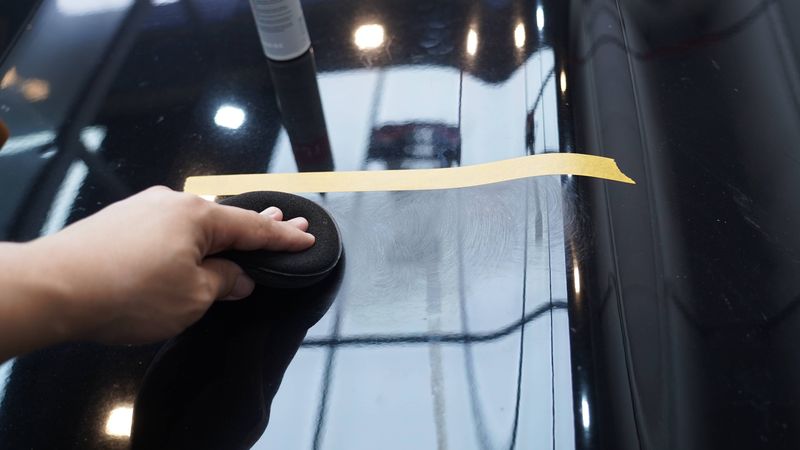
On a single car door, the clear coat at edges is only half the thickness of the flat surface. Door body lines, hood folds, fender arch peaks — these high-risk areas are the most prone to burn-through. DianYe Auto Technology breaks down eight high-risk zones, three-level safety thresholds, the float technique, and the tape-and-polish method for zero burn-through.

Read More →
How to Treat Door Handle Scratches? A Complete Guide to Polishing Edge and Corner Areas — 90% of People Overlook These Details
Jul 11, 2026 Polishing Knowledge

How to Treat Door Handle Scratches? A Complete Guide to Polishing Edge and Corner Areas — 90% of People Overlook These Details

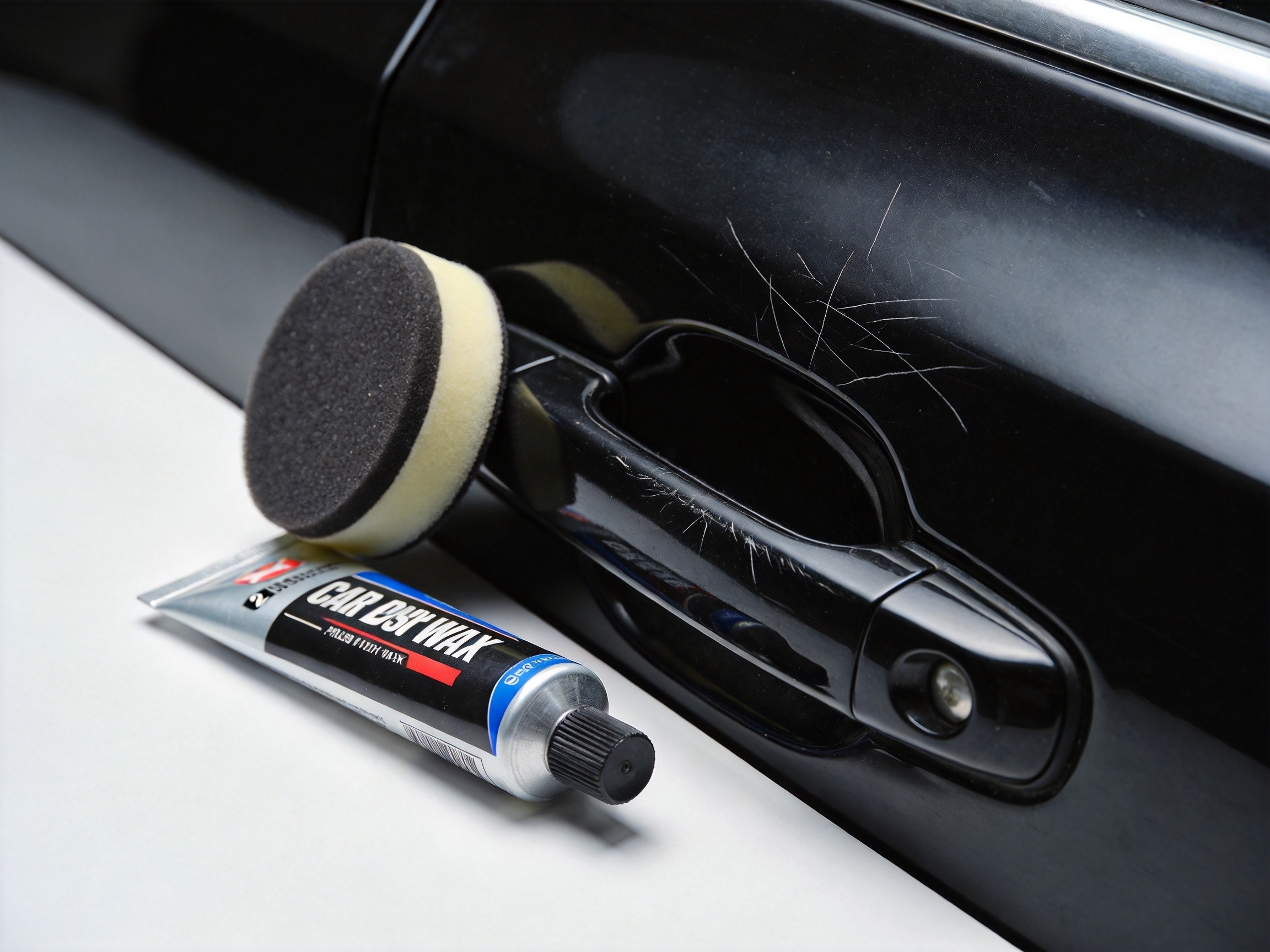
The door handle is one of the most frequently used parts on a car, yet treating its scratches is ten times harder than flat body panels. This article breaks down the complete polishing workflow for door handle edge areas — from scratch severity assessment, small pad selection, speed and pressure control, to masking protection.

Read More →
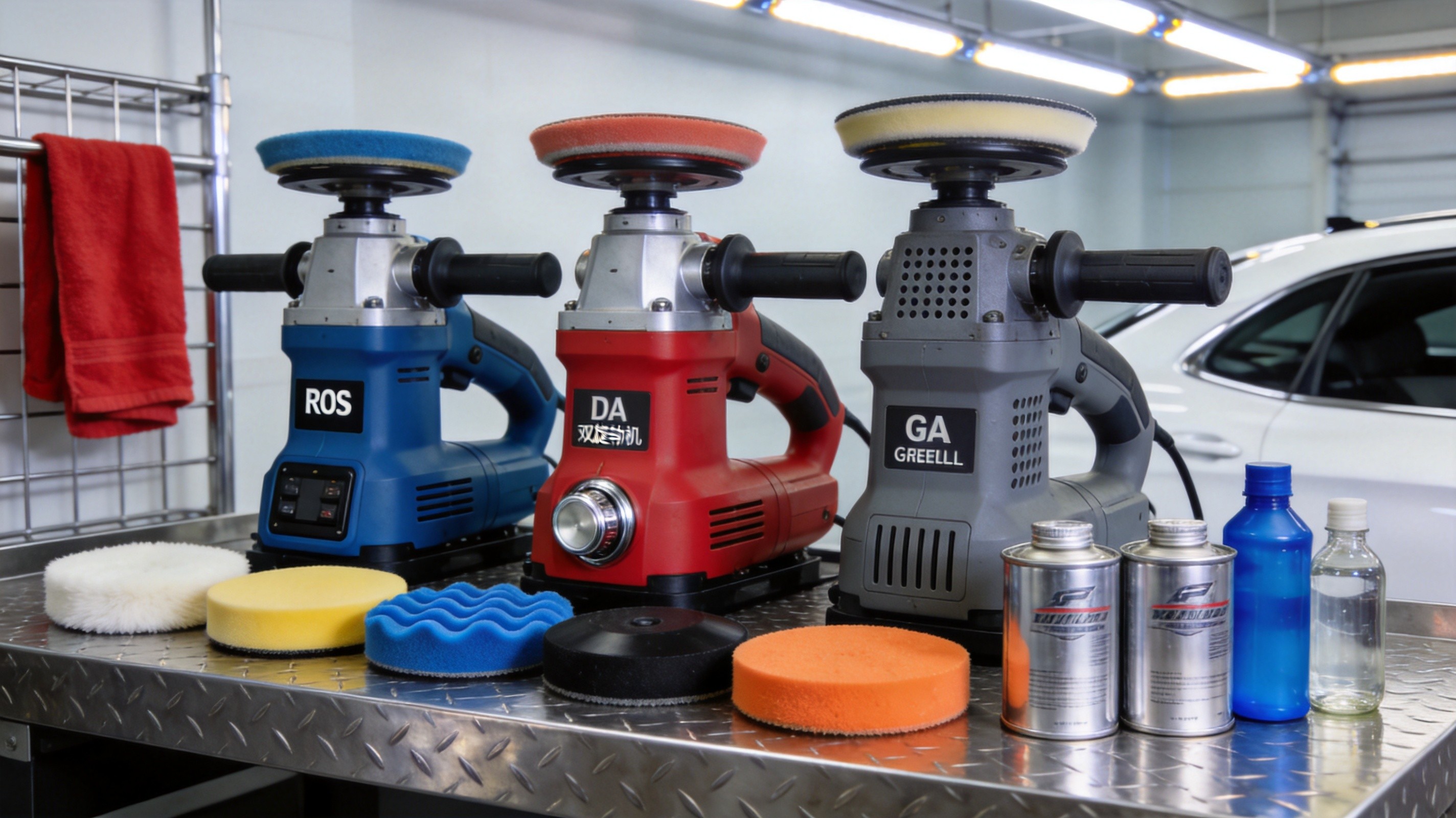
What's the Difference Between DA and GA Polishers? Complete Guide to Dual Action Polisher Selection and Safe Operation
Jul 9, 2026 Polishing Knowledge

What's the Difference Between DA and GA Polishers? Complete Guide to Dual Action Polisher Selection and Safe Operation

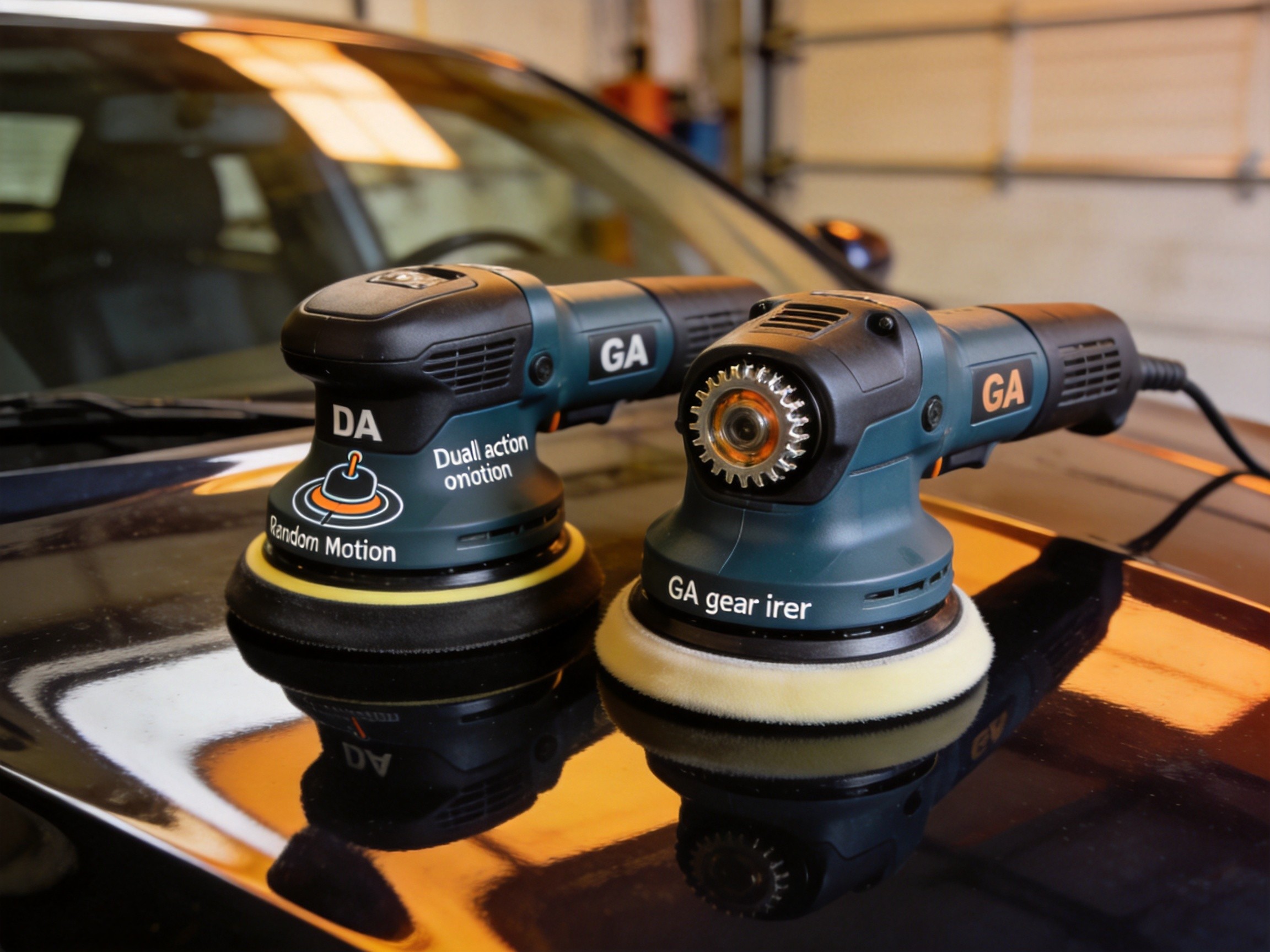
Both DA and GA polishers are dual action machines, but their drive mechanisms are completely different — one rotates freely, the other is gear-driven. This article explains the differences from four dimensions: working principle, safety, application scenarios, and operation methods, including pad-and-wax pairing solutions and a beginner's guide.

Read More →
How to Remove Paint Oxidation Layer? Tiered DIY Treatment for Light, Moderate, and Severe Oxidation
Jul 6, 2026 Polishing Knowledge

How to Remove Paint Oxidation Layer? Tiered DIY Treatment for Light, Moderate, and Severe Oxidation

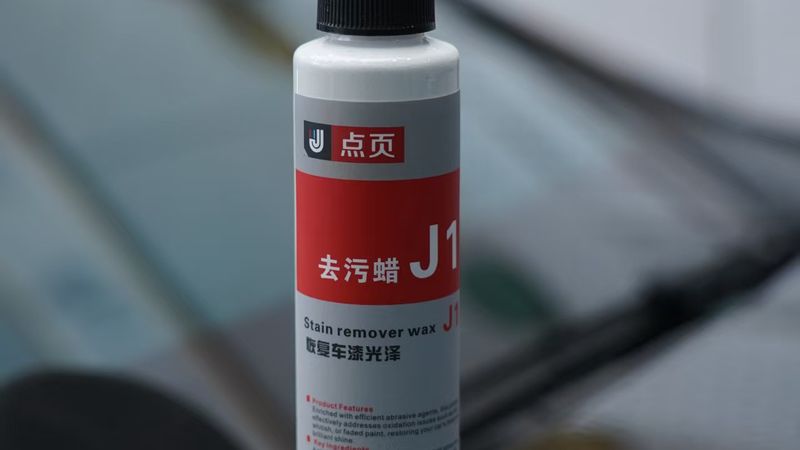
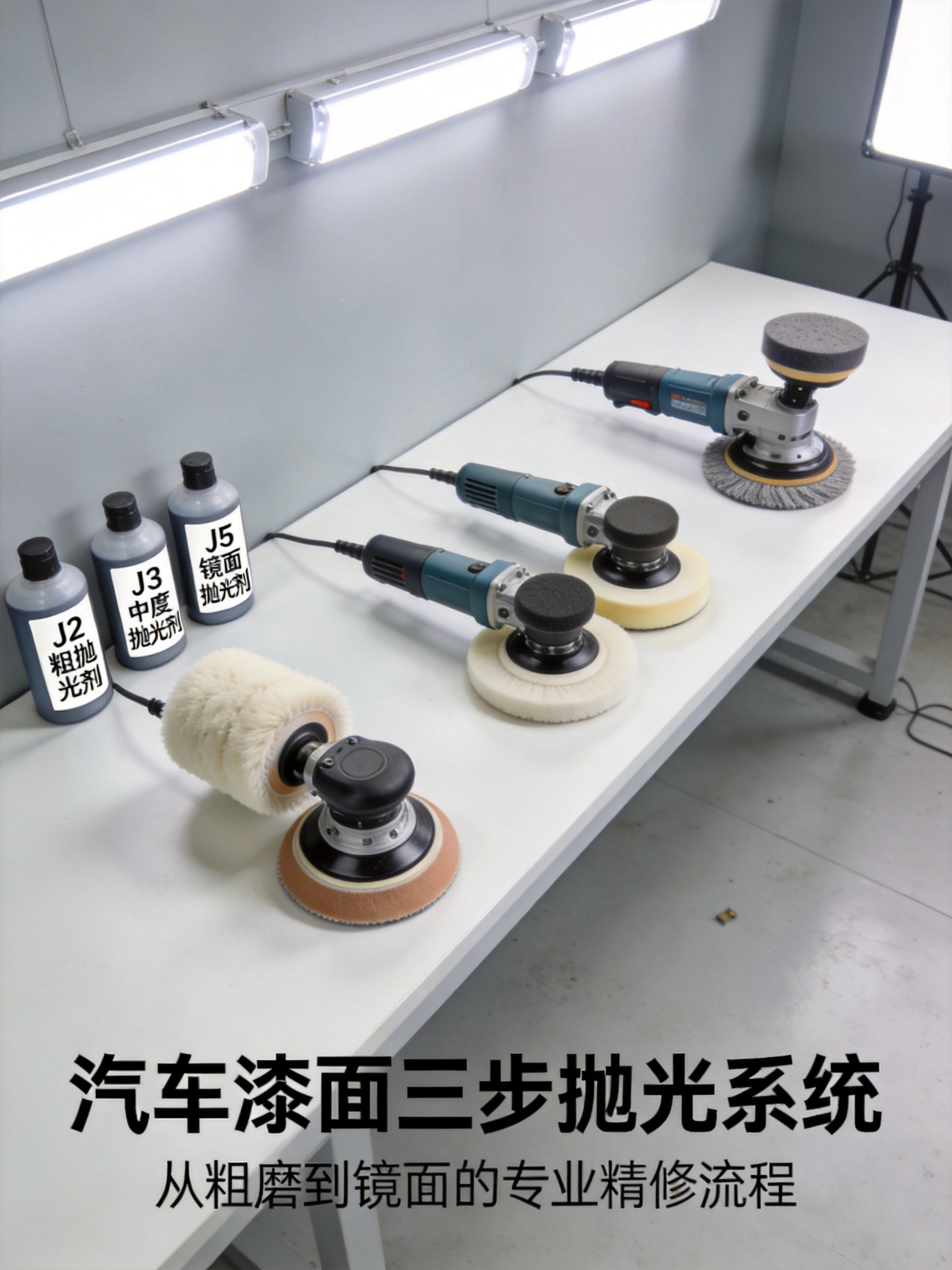
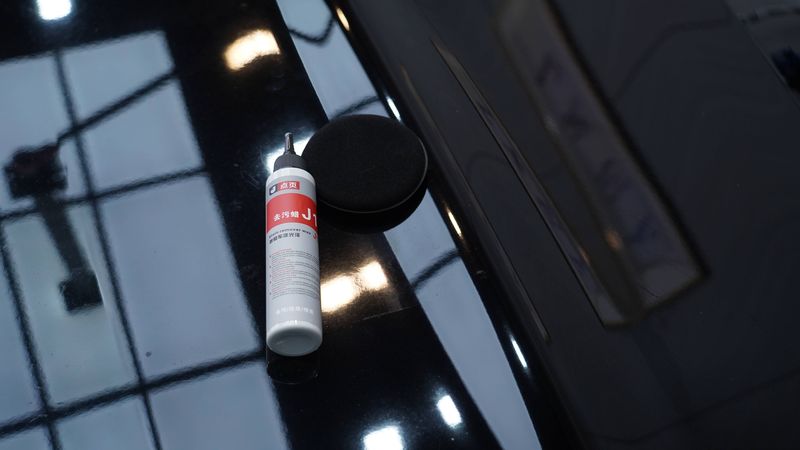
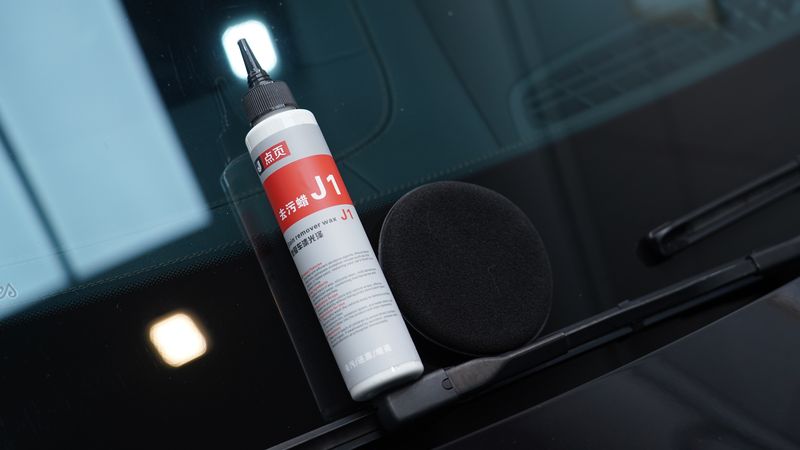
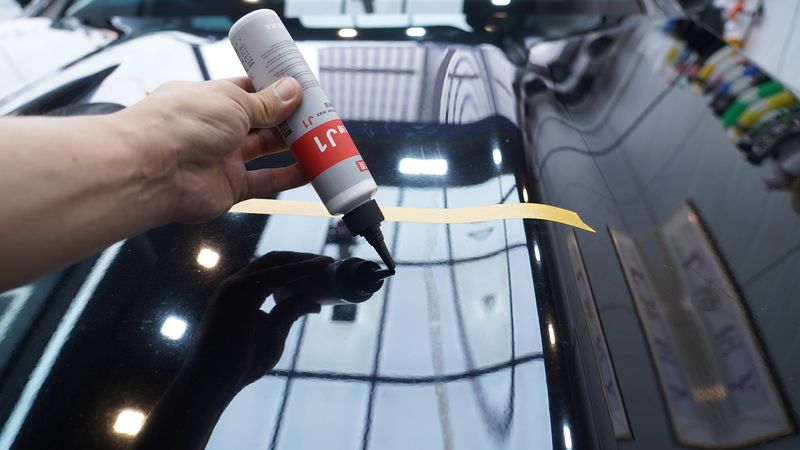
Is your car paint looking dull and yellow with no gloss? It's the oxidation layer at work. This article breaks down oxidation into light, moderate, and severe levels with corresponding treatment methods — light to moderate cases can be handled by hand with J1 Cleaning Wax, while severe cases require machine polishing. Complete procedures and product pairing guide included.

Read More →
How Soon After Polishing Should You Wax? The Golden Time Window for Paint Care
Jun 10, 2026 Polishing Knowledge

How Soon After Polishing Should You Wax? The Golden Time Window for Paint Care

Waxing after polishing is a critical step in paint care, but many car owners don't know the optimal timing. Wax too early and you risk damaging the paint; wait too long and oxidation sets in. This article explains the golden time window for post-polish waxing based on paint care principles, along with the correct usage methods for different types of car wax.

Read More →
DA vs RO Polisher: Complete Selection Guide for Car Polishing
Jun 1, 2026 Polishing Knowledge

DA vs RO Polisher: Complete Selection Guide for Car Polishing

DA and RO polishers have completely different motion paths, cutting forces, and forgiveness levels. Beginners should choose DA for safety; professionals choose RO for efficiency. This article comprehensively compares parameters, use cases, and operating techniques.

Read More →
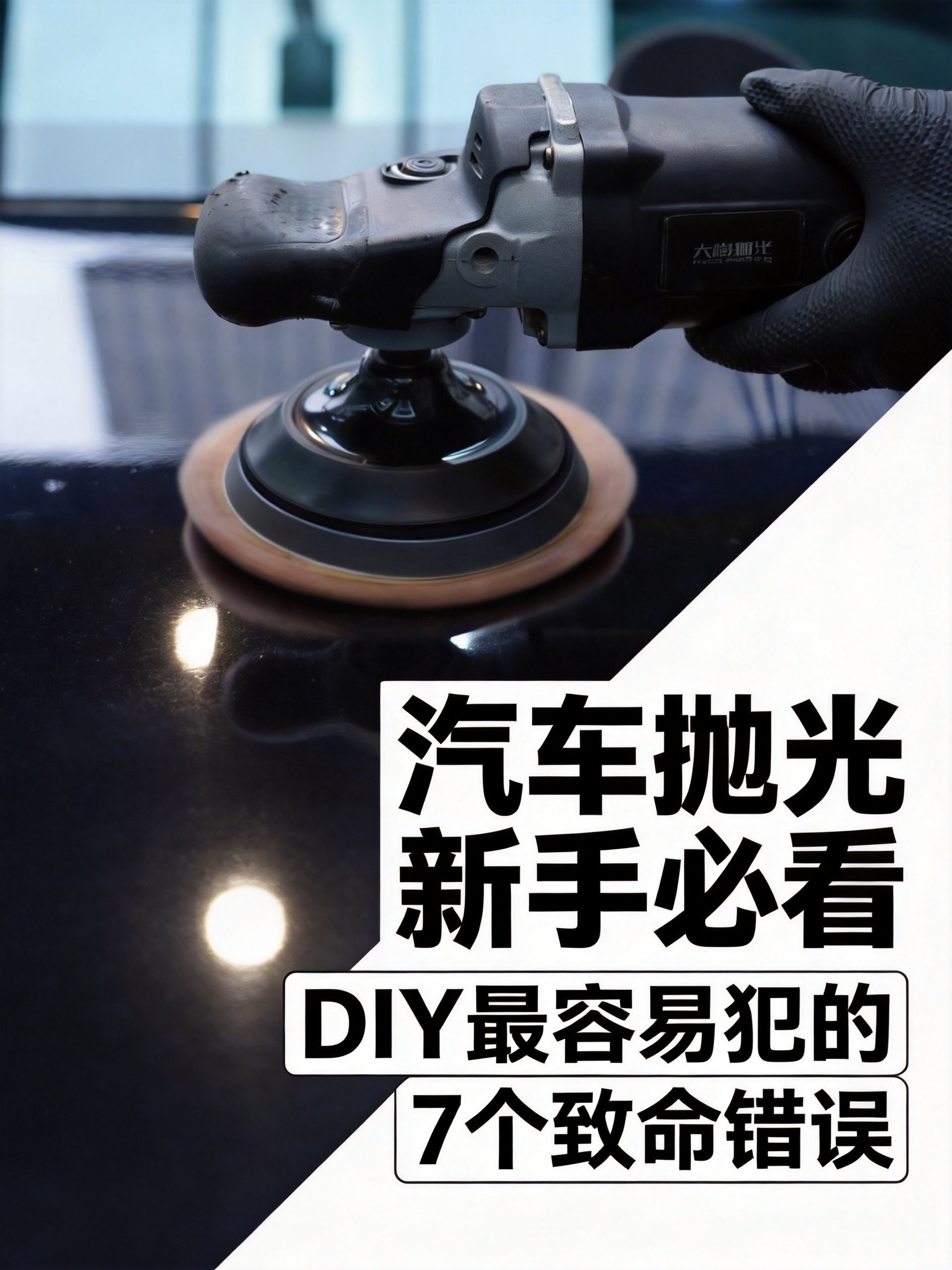
Must-Read for Beginners! 7 Fatal Mistakes in DIY Car Polishing
Jun 1, 2026 Polishing Knowledge

Must-Read for Beginners! 7 Fatal Mistakes in DIY Car Polishing

First DIY polish and the paint looks worse? This article covers the 7 most common fatal mistakes beginners make, including polishing without washing, wrong speed settings, compound-only without finishing, and more — each with correct vs. incorrect approaches to help you avoid 90% of failure cases.

Read More →
Can You Polish Your Car Yourself? Complete DIY Owner Guide
Jun 1, 2026 Polishing Knowledge

Can You Polish Your Car Yourself? Complete DIY Owner Guide

You can absolutely polish your car yourself. With the right products, basic technique mastery, and speed control, DIY owners can achieve basic paint restoration at home. This article covers tool selection, product pairing, and application steps to build your complete DIY polishing knowledge.

Read More →
Polish vs Compound: Choosing Wrong Can Really Damage Your Car
Jun 1, 2026 Polishing Knowledge

Polish vs Compound: Choosing Wrong Can Really Damage Your Car

Polish and compound are not the same thing. Abrasive concentration differs by 3-6x, operating difficulty and use cases are completely different. Choosing the wrong product won't just fail to deliver results — it can damage your paint. This article helps you thoroughly understand the differences.

Read More →
DA Polisher vs. RO Polisher: Complete Selection Guide
May 26, 2026 Polishing Knowledge

DA Polisher vs. RO Polisher: Complete Selection Guide

DA and RO polishers are the two most common machine types in auto polishing. This article provides a comprehensive comparison of working principles, advantages, disadvantages, and applicable scenarios to help you choose correctly based on your needs.

Read More →
Parameter Adjustment for Different Paint Types During Car Polishing
May 18, 2026 Polishing Knowledge

Parameter Adjustment for Different Paint Types During Car Polishing

Different paint types (new paint, old paint, clear coat, base coat, metallic paint, etc.) require completely different polishing parameters. This article explains paint type identification methods, scientific adjustment of RPM/pressure/speed for each type, and practical tips and pitfalls to avoid.

Read More →
Foam Pads vs. Wool Pads: How to Choose Car Polishing Pads — A Complete Guide
May 17, 2026 Polishing Knowledge

Foam Pads vs. Wool Pads: How to Choose Car Polishing Pads — A Complete Guide

Car polishing results are 50% product, 30% technique, and 20% pad selection. Many beginners get poor results not because the product is bad, but because they chose the wrong pad. This article provides a professional breakdown of the differences between foam and wool pads, performance comparison, suitable scenarios, and combination solutions to help beginners avoid 90% of polishing mistakes.

Read More →
Complete Guide to New Car Paint Care
May 14, 2026 Polishing Knowledge

Complete Guide to New Car Paint Care

From new paint characteristics to scientific care solutions, this step-by-step guide covers proper factory-original paint protection, including comparison of waxing, ceramic coating, and PPF solutions plus a DIY practical guide.

Read More →
How to Remove Car Glass Oil Film? 2026's 4 Most Effective Methods Tested and Compared
May 11, 2026 Case Studies

How to Remove Car Glass Oil Film? 2026's 4 Most Effective Methods Tested and Compared

Glass oil film is essentially a complex contamination of siloxane organics combined with metal oxides — not simply 'oil.' Household cleaners like dish soap can only remove surface grease and cannot break down deep oil film. The most effective method verified is dedicated glass polishing compound applied with a polishing machine, achieving over 95% effectiveness.

Read More →
Polishing Compound vs. Rubbing Compound: The Essential Selection Guide for Auto Detailing Beginners
May 11, 2026 Product Updates

Polishing Compound vs. Rubbing Compound: The Essential Selection Guide for Auto Detailing Beginners

The core difference between polishing compound and rubbing compound lies in cutting strength and application scenarios. Polishing compounds are medium-to-light cutting products designed for oxidation removal, fine scratch repair, and gloss enhancement. Rubbing compounds are high-cutting products specifically for deep scratch repair and heavy compounding.

Read More →
Water-Based vs. Oil-Based Wax Complete Comparison: 2026 Auto Detailing Product Selection Guide
May 11, 2026 Product Updates

Water-Based vs. Oil-Based Wax Complete Comparison: 2026 Auto Detailing Product Selection Guide

The core differences between water-based and oil-based wax lie in three dimensions: environmental impact, application performance, and final results. Water-based wax uses water as a carrier with low VOC content, easy cleanup with no residue — ideal for daily maintenance and beginners. Oil-based wax uses mineral oil as a carrier with superior lubricity and stable cutting force release — suited for professional heavy-duty work.

Read More →
Can You Polish Your Car Yourself? Complete DIY Guide
May 4, 2026 Polishing Knowledge

Can You Polish Your Car Yourself? Complete DIY Guide

You can absolutely polish your car yourself. With the right products, basic technique, and proper speed control, DIY enthusiasts can handle basic paint correction and maintenance at home. This guide covers tool selection, product matching, and application steps to help you decide if DIY polishing is right for you.

Read More →
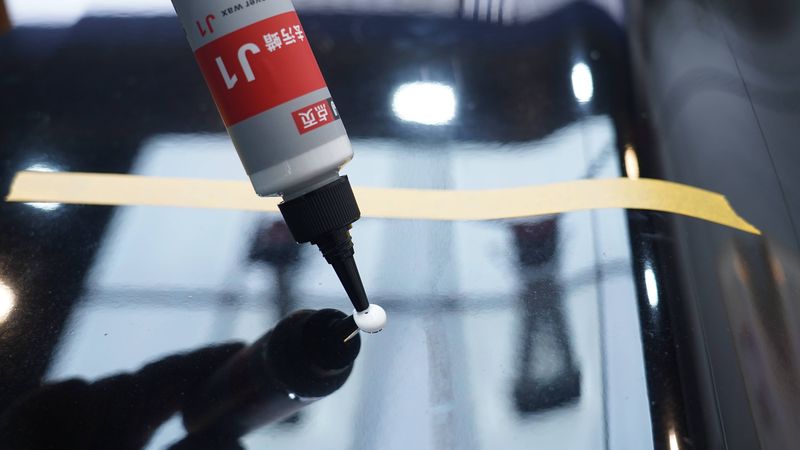
Waxing vs. Polishing: Principles and Application Comparison
Apr 8, 2026 Polishing Knowledge

Waxing vs. Polishing: Principles and Application Comparison

Waxing and polishing are the most common paint care methods, but many car owners cannot tell them apart. This article compares waxing and polishing across principles, application methods, and result longevity to help you choose the right care approach.

Read More →
Water-Based Polishing Wax Application Temperature Requirements: How Environmental Factors Affect Polishing Results
Mar 25, 2026 Case Studies

Water-Based Polishing Wax Application Temperature Requirements: How Environmental Factors Affect Polishing Results

Application temperature is a critical environmental factor affecting polishing results. Water-based polishing wax has better temperature adaptability than traditional oil-based products, but still requires an optimal temperature range for best results. This article analyzes the impact of temperature on polishing operations and provides seasonal application temperature control recommendations.

Read More →